REVIEW · OSAKA
Okonomiyaki or Ramen&Gyoza Class with Local Shop Tour
Book on GetYourGuide →Operated by Osaka Cooking Base · Bookable on GetYourGuide
Osaka starts with street snacks and ends with confidence in your own kitchen. This small-group cooking class builds in a short local shop tour, so you learn the ingredients and the why behind them, not just the recipe steps.
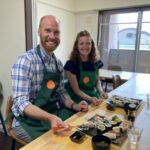
I really like how hands-on it is, with step-by-step guidance as you cook. I also like the English support, plus the lively talk that turns shopping and cooking into a real cultural exchange.
One thing to consider: you’ll focus on one main menu choice during your session, so if you want both okonomiyaki/yakisoba and takoyaki (or anything else), you may want to plan for another class later.
In This Review
- Key things I’d circle before booking
- Meeting at Osaka Tenmangu Shrine: a smart, low-stress start
- The local shop tour: where “ingredients” turn into stories
- Your main menu choice: Okonomiyaki & Yakisoba or Takoyaki
- Cooking time in the kitchen: learn the steps you can repeat
- Cultural exchange: the chat part isn’t fluff
- Price and value: is $83 worth it?
- Who should book this class (and who might skip it)
- Practical tips before you go
- Should you book Osaka Cooking Base’s okonomiyaki or takoyaki class?
- FAQ
- Where do we meet for the class?
- How long is the session?
- What dishes will I cook?
- Is the class taught in English?
- Is it a small group?
- Do you visit local shops?
- What’s included in the price?
- Can I cancel and get a full refund?
- Can I reserve without paying immediately?
- Is it necessary to book in advance?
Key things I’d circle before booking
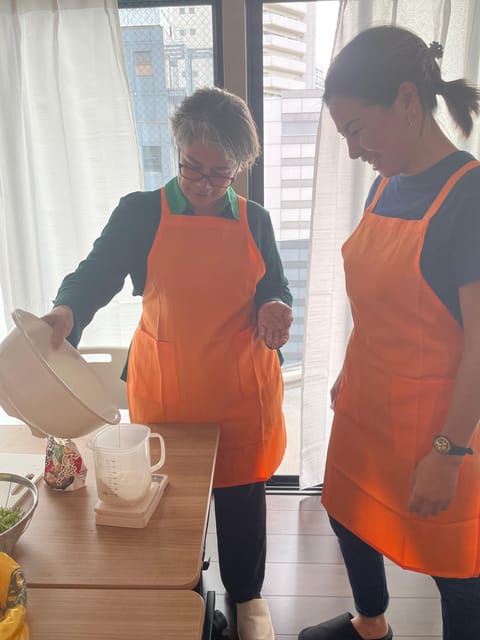
- Osaka Tenmangu Shrine main gate meeting point makes your start easy to find
- Small group (max 8) keeps questions from getting stuck in the back row
- Local shop tour with translation help so ingredients make sense, not mystery
- Step-by-step cooking geared toward what you can recreate at home
- Hosts named in feedback include Yuki, Yumi, Rie, and Tomo, known for sharing both technique and context
Meeting at Osaka Tenmangu Shrine: a smart, low-stress start
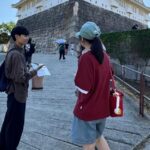
Your day begins at Osaka Tenmangu Shrine. You’ll meet in front of the large main gate, and it’s worth double-checking you’re at the big one, not the back gate. That detail matters more than people think, because shrines can have multiple entrances and side paths.
This is a nice way to start because you’re not rushing straight to a kitchen. You get a chance to get your bearings in the Tenmangu area first. Also, it signals the tone of the experience: local, respectful, and focused on everyday life in Osaka, not just food for food’s sake.
You can also read our reviews of more cooking classes in Osaka
The local shop tour: where “ingredients” turn into stories
After you meet, you head out to a few nearby local shops. This part is simple in structure but big in value. You’re not just sightseeing; you’re learning what ingredients Osaka cooks actually use and why they matter.
What makes this tour practical is that you’re supported with translation help. That means you can ask questions while you’re standing right in front of the products, instead of trying to guess later from packaging or a memory. And you can usually do better with shopping when you know what to look for.
The shop stops also give you something many cooking classes skip: time to taste and notice. In feedback, people liked that they could try items and learn how the region’s products show up in meals. That kind of hands-on ingredient awareness is what turns a class from a one-time event into a skill you’ll use again.
Your main menu choice: Okonomiyaki & Yakisoba or Takoyaki
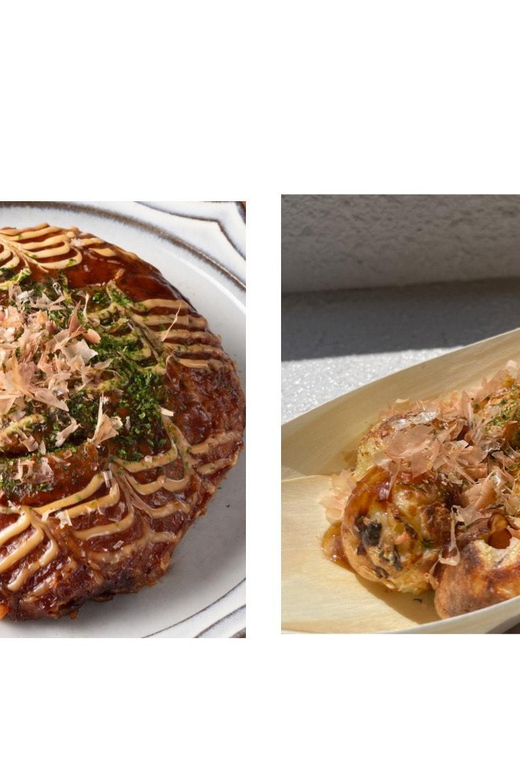
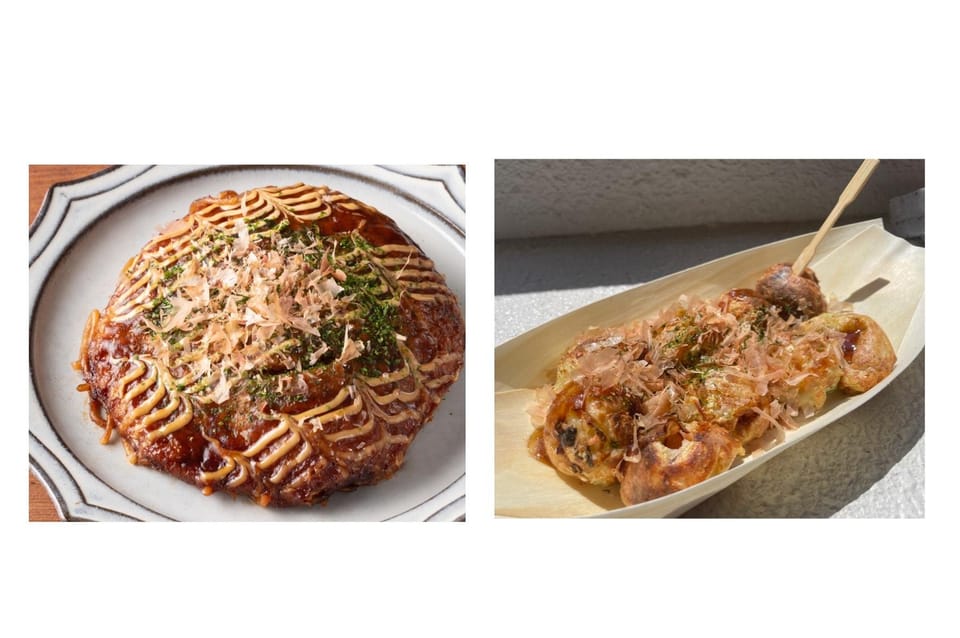
Once you reach the kitchen, you’ll cook one of the two menu tracks:
- Okonomiyaki & Yakisoba, or
- Takoyaki
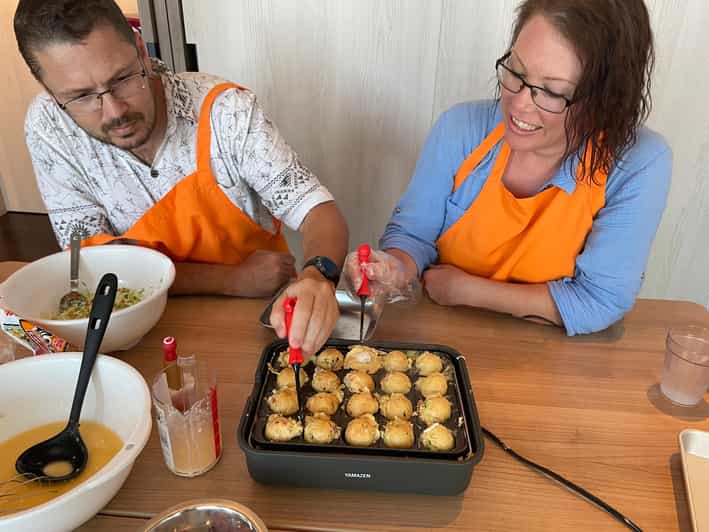
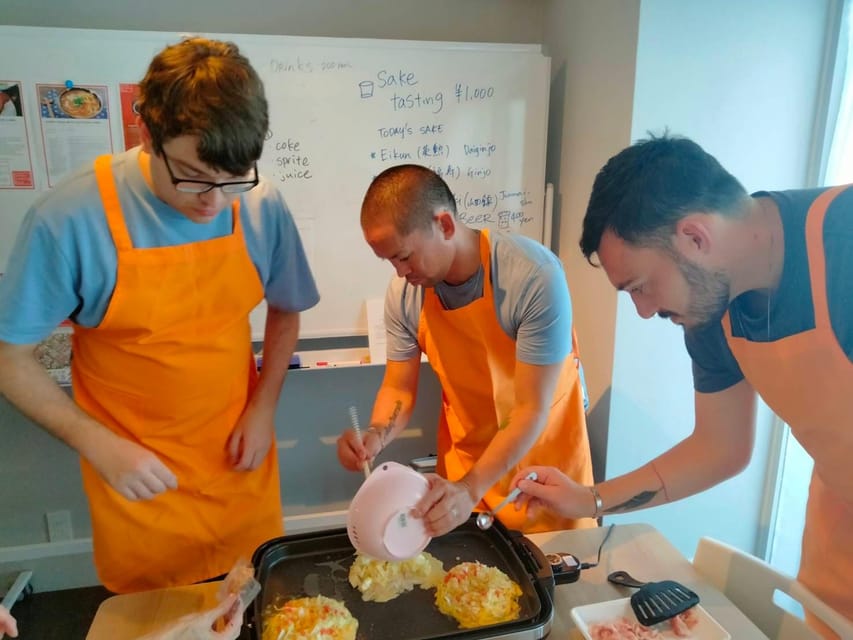
The pacing is set up so you get guidance at each stage, which matters for two reasons. First, these dishes can feel intimidating if you only watch videos later. Second, you’ll learn technique as you go, so you’re not stuck translating instructions while your food is cooling or overcooking.
You’ll also likely get a better understanding of how Osaka-style cooking fits together. Okonomiyaki is often about layering flavors and textures, while takoyaki leans into the fun chaos of shaping and filling bite-size pieces. Either way, the class is designed so you leave with enough knowledge to recreate the meal at home, not just enough to say you made it once.
A quick note on the name of the overall offering: the broader Osaka Cooking Base experience can be listed as ramen and gyoza classes too, but this specific session you’re booking is framed around okonomiyaki/yakisoba or takoyaki. If you’re deciding between options, check the dish list carefully before you go.
Cooking time in the kitchen: learn the steps you can repeat
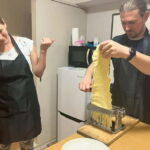
This is where the experience earns its high marks. You get step-by-step instruction, and the goal stays clear: you should be able to make these dishes again without needing the guide standing next to you.
In plain terms, you want to watch for three things as you cook:
- Consistency: how the batter and fillings come together
- Heat control: how timing changes when the pan is hot
- Assembly: how you build flavor without making it complicated
You’ll be taught through the process, not just handed a list of ingredients. That’s why the class works well for a wide age range. Feedback also highlights that the instruction is welcoming and not overly strict. It’s teaching-first cooking.
Also, small-group size helps here. With a limited group (capped at 8), you’re more likely to get a direct answer when you run into a technique question, like handling tools, understanding texture, or adjusting the pace of your own cooking.
Cultural exchange: the chat part isn’t fluff
The best cooking classes don’t just teach food. They teach context. This one leans hard into the conversation during the session, and it’s a big reason people rate it so highly.
You’re encouraged to ask questions about Japan while you cook. That can mean practical things like what to order in Osaka, what to expect at local spots, or how dining culture works. In feedback, hosts were praised for sharing culture nuances, not just recipe tips, and for pointing people toward good places to eat in places like Osaka, Kyoto, and Nara.
Names that came up in reviews include Yuki, Yumi, Rie, and Tomo. That’s a good sign because it suggests different instructors are bringing the same style: friendly, informative, and comfortable answering questions in English.
If you like learning on the fly, this is your kind of class. If you mostly want silent cooking, you might find the discussion part a little more than you expected. Still, it’s never presented as a lecture. It’s the kind of conversation that grows naturally when everyone is cooking.
You can also read our reviews of more tours and experiences in Osaka


Price and value: is $83 worth it?
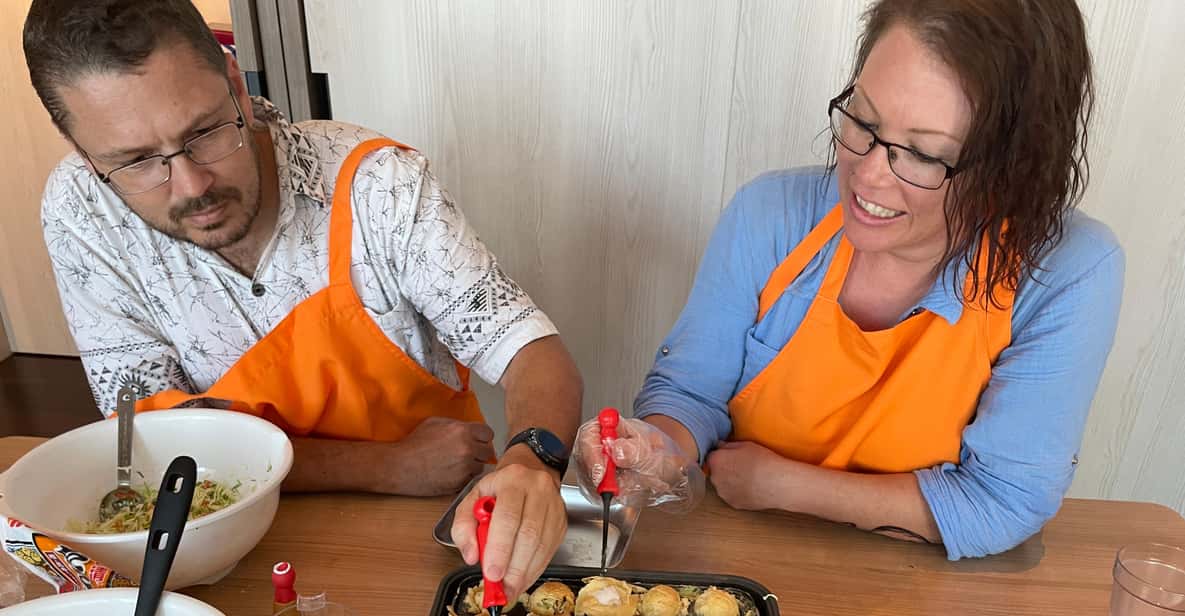
At $83 per person for an about-1-day experience (centered around a 2.5-hour session), the value depends on what you’re trying to get out of your trip.
You’re paying for four things that add up:
- Local shop tour at multiple shops (not just one quick stop)
- Food connected to the cooking you make (included)
- English instruction and translation help during the shop phase and cooking
- Small-group format (max 8), which usually means less waiting and more direct teaching
If you only think in terms of ingredients and one meal, it might sound pricey. But if you compare it to the cost of a guided experience plus the fact that you’re learning technique you can repeat, it starts to look fair. You’re not just eating out. You’re building a home-cooking skill, with a local guide helping you understand the regional choices behind the food.
Also, the class is set up so you can ask questions about where to eat next. That often saves you money and time later, because you leave with ideas that fit your tastes and your comfort level.
Who should book this class (and who might skip it)
This class is a strong pick if you:
- want a real Japanese home-meal style experience rather than only restaurant dining
- like hands-on cooking and learning how food works, not only how it tastes
- enjoy cultural chat and ingredient shopping as part of the fun
- want an activity that works across ages, since the teaching style is described as welcoming
You might skip it if you:
- only want to eat, not learn technique (this class is instruction-focused)
- want multiple different dishes in one sitting (you’ll be centered on the menu choice for your session)
- dislike any ingredient shopping time, because the tour part is part of the package
Practical tips before you go
Here are the small things that help your day go smoother.
First, arrive at the main gate of Osaka Tenmangu Shrine. It’s the stated meeting point, and it reduces the usual early-morning stress of searching around.
Second, bring your appetite. You’ll be cooking and eating what you make, and the experience is paced like a full activity day, not a quick demo.
Third, come with at least a couple questions ready. Even simple ones work, like what ingredient you should look for first back home, or what to order if you want something similar. The guides are set up to talk, and you’ll get more out of it if you guide the conversation.
Finally, reserve in advance if you can. The experience notes a reservation lead time, and popular sessions can fill.
Should you book Osaka Cooking Base’s okonomiyaki or takoyaki class?
I think it’s a yes for most food-minded travelers who want more than a meal. The biggest strength is the combination: shop tour + translation help + step-by-step cooking. That mix turns your day into something transferable. You’ll leave with a dish you can repeat, and you’ll understand what makes Osaka-style cooking feel like itself.
If you’re the type who learns best by doing, this is an efficient and friendly way to spend a chunk of Osaka time. And with a small group and English-speaking instruction, it’s the kind of class where you’re not just watching. You’re making decisions, asking questions, and tasting as you go.
If you want, tell me what day of the week you’re visiting Osaka and whether you’re leaning toward okonomiyaki/yakisoba or takoyaki. I can help you pick the best fit for your schedule and your appetite.
FAQ
Where do we meet for the class?
You meet in front of the large main gate of Osaka Tenmangu Shrine. Make sure you don’t go to the small back gate.
How long is the session?
The cooking class session is 2.5 hours.
What dishes will I cook?
You’ll cook either Okonomiyaki & Yakisoba or Takoyaki, with step-by-step guidance.
Is the class taught in English?
Yes. The instructor and support are in English.
Is it a small group?
Yes. The group is small, limited to 8 participants.
Do you visit local shops?
Yes. You’ll join a local tour and visit a few shops as part of the experience.
What’s included in the price?
The price includes the local shop tour (a few shops) and the food related to what you cook.
Can I cancel and get a full refund?
You can cancel up to 24 hours in advance for a full refund.
Can I reserve without paying immediately?
Yes. The option to reserve now and pay later is available.
Is it necessary to book in advance?
Yes. You’re asked to make your reservation at least 24 hours in advance.