REVIEW · OSAKA
Osaka: Roll and Authentic Sushi Making Class in Dotonbori
Book on GetYourGuide →Operated by Sushi Making Japan | Cooking Class in Japan · Bookable on GetYourGuide
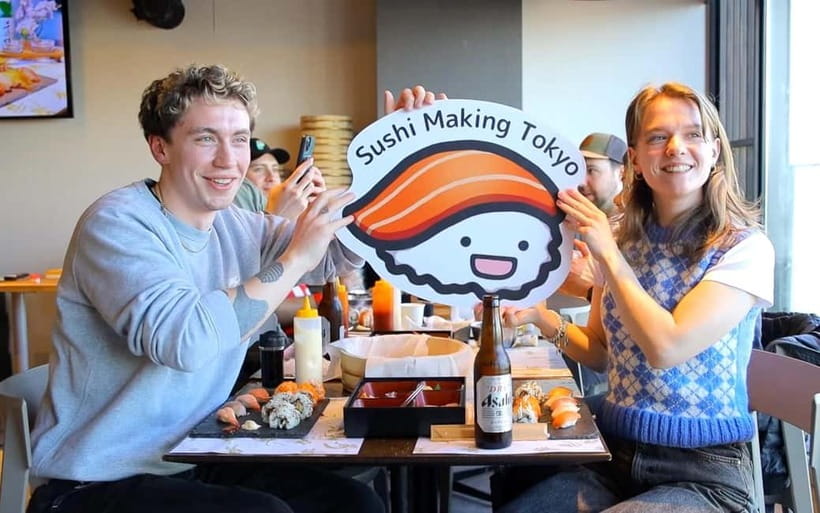
Sushi class, street-food energy. In central Dotonbori, you learn to roll sushi and form classic hand-pressed pieces with English-speaking local hosts, plus a fun quiz that puts sushi history in your head before you touch the rice.
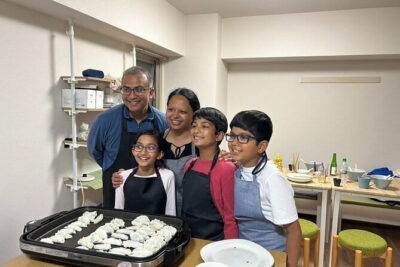
I like the hands-on pacing: you actually make two sushi styles and then get to eat everything you produce. I also like that the staff keep it social and clear, with instructors like Shoki, Hinata, Rika, and Yui showing you steps that make sense even if you’ve never cooked before.
One thing to consider: the class moves at a good clip, and a couple of people felt the finishing and eating time could be tighter. If you hate rushing, you may want to arrive early and keep your phone away once you start.
In This Review
- Key things that make this class worth your time
- Why Dotonbori is the right place for sushi lessons
- Entering the room: the flow from quiz to hands-on work
- Rolling maki in a way you can repeat at home
- Forming authentic hand-pressed sushi (nigiri-style)
- The staff: the real reason this class feels memorable
- What you eat: satisfying portions and fewer regrets
- Dietary options: what they can and cannot change
- Price and value: what $45 buys you in real Osaka terms
- Where to meet near Shinsaibashi (and a small logistics heads-up)
- Who should book this class, and who might want something else
- Should you book Osaka sushi roll and nigiri making?
- FAQ
- How long is the sushi making class?
- What is the price per person?
- Do I need any sushi or cooking experience?
- What sushi types will I learn to make?
- Is the class taught in English?
- Where do I meet the instructor?
- Are dietary options available?
- Can I request specific ingredients for my menu?
- Is hotel pickup included?
- FAQ
- Can I get a refund if I cancel?
- How much notice do I need for menu changes?
- Is the venue wheelchair accessible?
- FAQ
- What’s included in the class price?
- What should I bring or prepare?
Key things that make this class worth your time
- Interactive sushi history quiz that starts the session on the right note
- Two sushi techniques: roll sushi plus authentic hand-formed sushi
- English instruction with friendly energy, from names like Shoki, Takara, and Fuko
- You eat what you make, with ingredients and portions that feel generous
- Small, organized setup that helps you follow along without feeling lost
Why Dotonbori is the right place for sushi lessons
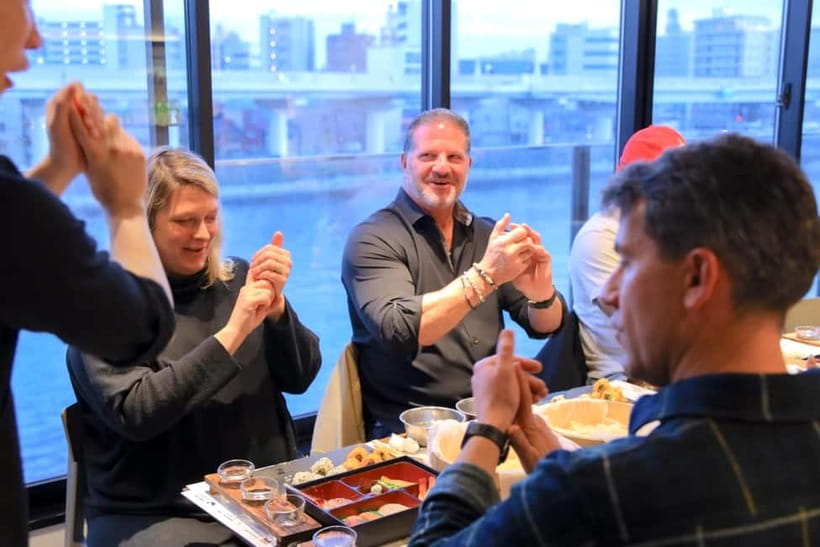
If you’re going to learn sushi in Osaka, Dotonbori is a smart choice. You’re not stuck in some quiet back-alley kitchen. You’re in the real food zone: neon streets, food smells, and that constant reminder that Osaka treats eating like a sport.
This class pairs well with your other plans nearby because it’s located close to Shinsaibashi Station and the Dotonbori area. That means you can squeeze it into a day when you’re already walking the shopping streets and hunting for snacks. It also means you can plan an easy dinner afterward, since you’ll already know the basics of how sushi is built.
And the tone matters. From the way the instructors run things, it’s not a stiff cooking school. It’s more like a guided, upbeat workshop where people laugh and still learn the technique. You’ll likely hear the same playful style across sessions, including the hoi hoi hoi vibe that shows up in many classes.
You can also read our reviews of more tours and experiences in Osaka

Entering the room: the flow from quiz to hands-on work
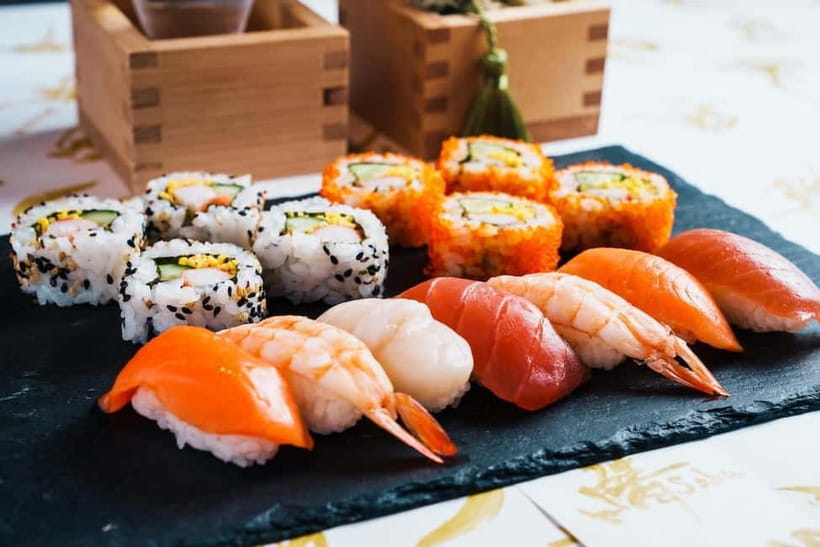
Most sushi-making classes teach technique. This one adds something extra: sushi history in a quick, interactive way. Instead of a lecture, you get a lighthearted quiz first. The payoff is practical. Once you understand what sushi is and how it evolved, the food stops feeling mysterious and starts feeling logical.
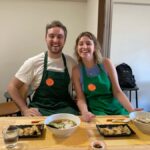
After that warm-up, the instructors guide you step-by-step. Reviews consistently mention clear explanations, patient coaching, and a clean, organized space. The best part is that your brain isn’t just learning what to do; it’s learning why you do it. That shows up later when you shape rice and handle the ingredients.
Another practical detail: some of the prep is handled for you. That helps a beginner succeed. You still do the shaping and rolling work, but you’re not spending half the class cooking rice from scratch. One review even noted that the rice and ingredients are already prepared, which keeps the focus on technique.
Rolling maki in a way you can repeat at home
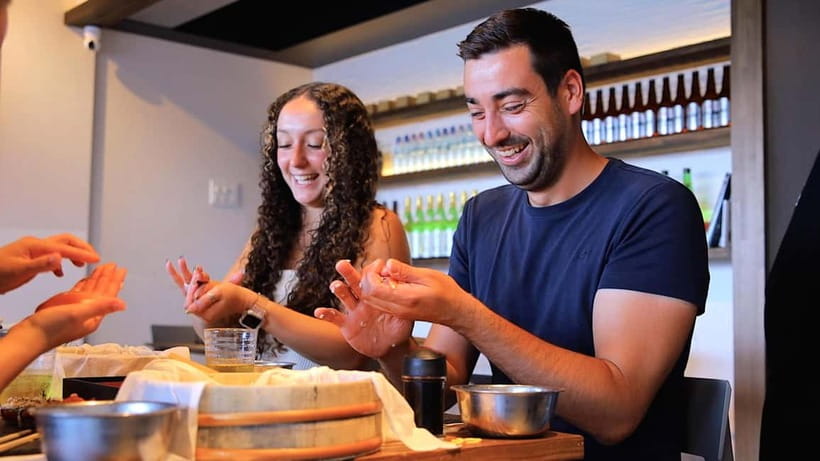
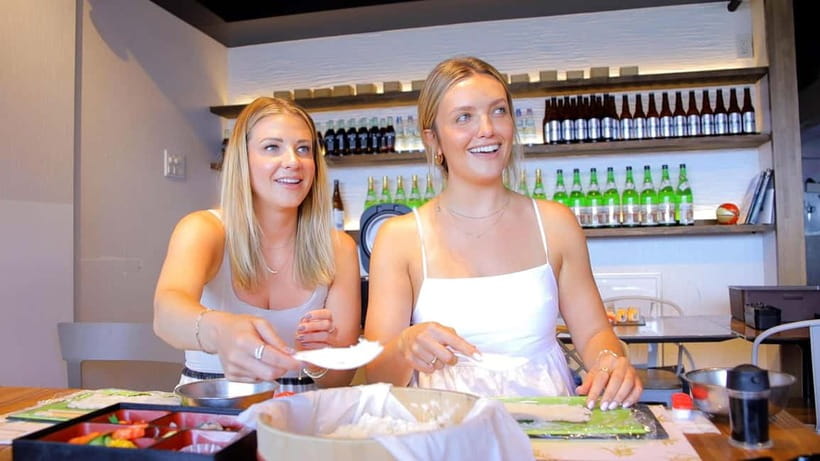
Maki rolls sound simple until you try them. The magic is in the small motions: rice texture, pressure, and how evenly you spread and roll. In this class, you make a roll so you can feel what the technique should feel like.
You’ll work with the kind of sequence that makes sense for beginners:
- prepare your station and get instructions
- learn how to lay out rice
- add fillings in the right amount
- roll firmly enough to hold, but not so hard it squeezes everything out
What I like here is that you’re not just watching someone else do it. You form the roll yourself, and the instructors correct issues early. That is the fastest path to getting good without guessing.
There’s also something confidence-building about having an end product right there in front of you. When you can compare your roll to what the instructor demonstrates, it clicks. Then you can recreate it later without needing the instructor in your kitchen.
Forming authentic hand-pressed sushi (nigiri-style)
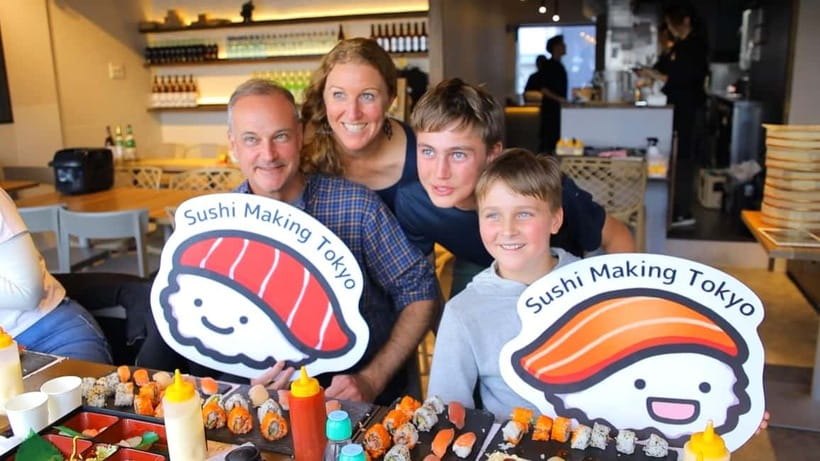
The second sushi type is classic Japanese hand-formed sushi, often described as nigiri-style in feedback. This part is where you learn how sushi is supposed to look when it’s shaped with intention, not just stuffed into a roll.
Hand-pressed sushi is all about rice control. The instructor will focus on:
- how much rice to use
- how to press so it holds together
- how to place toppings so they sit neatly
This technique is different from rolling. You don’t get help from the mat and wrap. You rely on your grip, your timing, and your ability to handle the rice gently. That’s why the coaching matters so much. Several people praised instructors for making steps easy to follow, and for training them to think about the details instead of just copying a shape.
If you’ve ever eaten nigiri and wondered why the pieces look so clean, this is where you learn the answer. It’s not luck. It’s control.
The staff: the real reason this class feels memorable
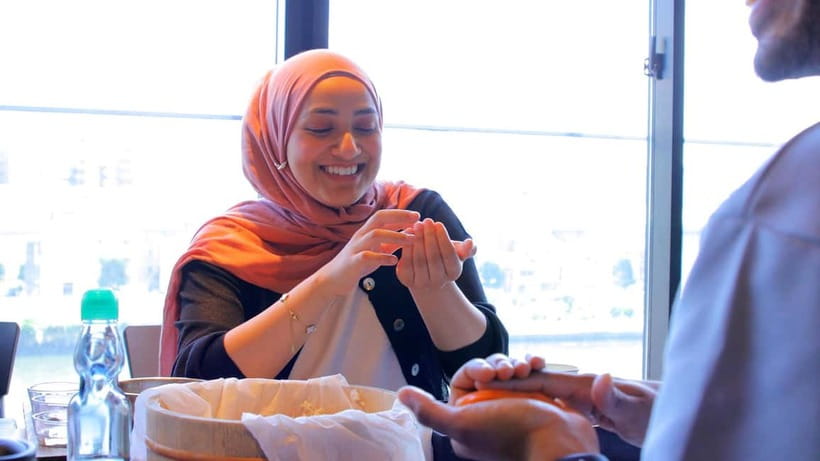
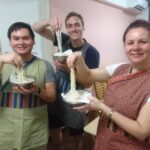
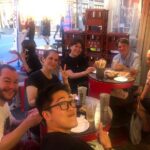
The consistent theme is the human factor. The instructors bring energy, humor, and a willingness to talk food and travel. People highlight the welcoming approach, and many mention that the hosts chat with you, ask where you’re from, and share local recommendations afterward.
Specific names show up repeatedly, which is a good sign the experience isn’t generic. You’ll see references to Hinata and Rika, Shoki, Yui, Yuvi, Takara, and Fuko. The class feels like it’s run by real food people, not just someone reading instructions.
This matters for two reasons:
- You’re more likely to succeed. Clear coaching plus friendly correction makes beginners brave enough to try.
- You leave with more than lunch. The vibe turns the class into an Osaka memory, not just a task.
Also, one review mentioned the class adapting well to the audience. That flexibility is underrated. If you’re cooking with a mixed group, it helps when the instructor can slow down or explain differently without making anyone feel behind.


What you eat: satisfying portions and fewer regrets
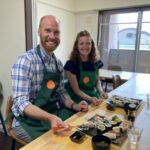
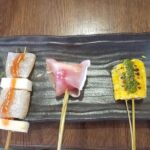
At the end, you eat your sushi. That sounds obvious, but it’s not always true with cooking classes. Here, feedback repeatedly says there are enough ingredients and you can eat everything you make.
That changes the value equation. For $45, you’re paying not just for instruction, but for a real meal experience and a skill that sticks. When you don’t feel like you overproduced or underate, the whole class lands better.
One person noted they made enough pieces for lunch, with a count described as around 6 pieces of roll and 6 pieces of hand-formed sushi. Even if your exact piece count varies, the point is consistent: you’re not leaving hungry.
The main caution is time. A review suggested the final eating felt a bit rushed, and another noted a desire for a few more minutes. The class is 100 minutes, so you should treat it like a focused workshop. If you want a long, unhurried meal afterward, plan a proper sit-down dinner nearby.
Dietary options: what they can and cannot change
This is one of the practical strengths of the experience. The menu supports multiple needs, including vegan, vegetarian, gluten-free, and halal. If you have allergies, you can request changes, and the information also lists ingredients that are not used: meat, nuts, fruits, dairy.
That said, there are guardrails:
- menu changes must be requested at least 3 days in advance
- they cannot respond on the day of the class
- they do not accept ingredient specifications
So if you want a special version built around a very specific ingredient list, you’ll need to match the allowed categories rather than request exact swaps. Still, it’s reassuring that the class has a framework for dietary needs, and multiple reviews mention that halal requests were handled.
If you have a serious allergy, message ahead and keep it simple: tell them which supported category you need.
Price and value: what $45 buys you in real Osaka terms
$45 for a 100-minute Osaka cooking class is, frankly, a fair price if you compare it to doing a sushi meal plus a show plus a guided learning experience.
You get:
- the instruction from an English-speaking instructor
- ingredients
- a structured session that teaches two methods (roll plus hand-formed sushi)
- the chance to eat what you make
The value isn’t only the food. It’s the technique transfer. Once you know how to press rice, assemble fillings, and roll without chaos, you can reproduce sushi at home. That’s a skill you can use again the next time you spot the right ingredients at a market.
Also, the location reduces hidden costs. You’re in the central area near Shinsaibashi and Dotonbori, and there’s no hotel pickup, which typically means less time wasted on transfers. You’ll walk in, cook, and walk out.
So $45 feels like a solid “skills + meal” deal rather than just paying for a few bites of sushi.
Where to meet near Shinsaibashi (and a small logistics heads-up)
Meeting point details are clear: the class meets on the 3rd floor of the Galleria Acca Building, about 5 minutes on foot from Shinsaibashi Station.
One review also warned about access details: there’s an elevator, but it may not go to the exact floor where the workshop is. If you use a wheelchair, you can still confirm how the last bit of getting in works before you go. The activity is listed as wheelchair accessible, so it’s not a dead end, just something to plan.
Another practical note: some entrances in this area are easy to miss. One person described the entrance as hidden in a concrete building with an interesting structure. Give yourself a few extra minutes so you can find it without stress.
Who should book this class, and who might want something else
This class fits best if you want an Osaka experience that’s hands-on, social, and learnable fast.
You’ll like it if:
- you love sushi and want to understand how it’s made
- you’re traveling with someone and want a shared activity
- you want an English-speaking host who explains clearly
- you like food-focused workshops that end with you eating your work
You might want to think twice if:
- you hate a time-structured workshop and need a long leisurely meal
- you want a fully customized menu built from very specific ingredient requests
- you’re looking for a high-end, multi-course sushi training with advanced fish prep (this experience focuses on making and learning technique in a set format)
Should you book Osaka sushi roll and nigiri making?
Yes, if you want a high-value, central Osaka activity that actually teaches you sushi technique, not just a photo-op. The class scores 4.9 out of 5 across 239 reviews, and the praise is consistent: friendly English hosts, clean and organized setup, and the best kind of finale—eating what you made.
If you’re worried about rushing, plan smart. Arrive a little early, keep your attention on the steps, and treat the eating time as part of the workshop, not as a slow sit-down meal.
FAQ
How long is the sushi making class?
The class runs for 100 minutes.
What is the price per person?
It costs $45 per person.
Do I need any sushi or cooking experience?
No experience is needed. The staff guide you in English.
What sushi types will I learn to make?
You’ll learn two types: roll sushi and authentic Japanese sushi (hand-formed style).
Is the class taught in English?
Yes, the instructor and guidance are in English.
Where do I meet the instructor?
Meet on the 3rd floor of the Galleria Acca Building, about a 5-minute walk from Shinsaibashi Station.
Are dietary options available?
Yes. Vegan, vegetarian, gluten-free, and halal are available. Allergy support is also mentioned, with specific ingredients not used: meat, nuts, fruits, dairy.
Can I request specific ingredients for my menu?
The information says they do not accept ingredient specifications. You can request changes within the available dietary menu categories.
Is hotel pickup included?
No, hotel pickup and drop-off are not included.
FAQ
Can I get a refund if I cancel?
Yes. Free cancellation is available up to 24 hours in advance for a full refund.
How much notice do I need for menu changes?
Menu changes need to be made at least 3 days in advance.
Is the venue wheelchair accessible?
The activity is listed as wheelchair accessible. One review noted the elevator may not take you all the way to the workshop floor, so it’s worth planning your route.
FAQ
What’s included in the class price?
Cooking class instruction, ingredients, and the instructor are included.
What should I bring or prepare?
Nothing special is listed. Just show up at the meeting point on time and follow the instructor’s steps.