REVIEW · OSAKA
Osaka: Shinsekai Food Tour with 13-15 Dishes at 5 Eateries
Book on GetYourGuide →Operated by Osaka Food Tours, Inc. · Bookable on GetYourGuide
Osaka’s side alleys taste like home. In Shinsekai, I like the go-now pace of walking into tiny stalls and the promise of 13–15 dishes across five eateries, guided in English. One drawback to plan around: this tour isn’t for gluten-free eaters or vegans.
You meet at Dobutsuen-mae Station, then spend about three hours threading through arcades and side lanes where menus are mostly in Japanese. I especially like the small group vibe (up to nine people) because you get table access fast instead of watching a line crawl. The tour also includes two drinks (alcohol and non-alcohol), but you’ll still want to bring water and comfortable shoes since it’s constant movement.
In This Review
- Key Highlights You’ll Actually Feel While Eating
- Meet at Dobutsuen-mae: Lanterns, Names, and a Small Group Win
- Shinsekai on Foot: Arcades, Side Lanes, and Japanese-Only Menus
- Stop One: Takoyaki or Oden at the First Stall
- Izakaya Comfort: Kitsune Udon, Yakitori, Wings, and Nagaimo
- Kushikatsu Skewers: Osaka’s Lightly Fried Everything Moment
- Cozy Classic Restaurant: Nikudofu, Beef and Tofu Stew, Mochi
- Gyoza Specialty Stop: Dumplings That Feel Made for Groups
- Tonpeiyaki Finale: Pork Omelette, Karaage, Edamame, and More
- Drinks Included: How to Use Them Without Slowing Down
- Price and Value: Why $53 Works for 3 Hours of Food
- Pace, Portion Size, and What to Wear in Shinsekai
- Who This Tour Fits Best (and Who Should Skip)
- Should You Book This Shinsekai Food Tour?
- FAQ
- How long is the Shinsekai food tour?
- How many dishes will I eat?
- Is the tour guided in English?
- Where do I meet the tour?
- Are drinks included?
- Is this tour suitable for vegans or gluten-free diets?
- How many people are in the group?
Key Highlights You’ll Actually Feel While Eating
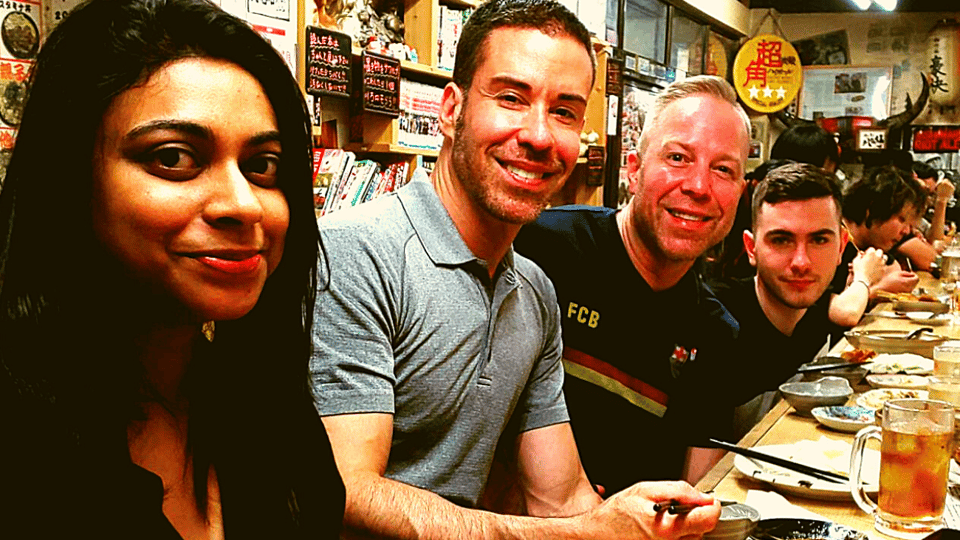
- 5 eateries, 13 dishes planned across the Shinsekai district, with some variation based on what’s available that night
- Takoyaki, oden, kushikatsu, kitsune udon, tonpeiyaki and other Osaka favorites, so you’re not stuck eating the same thing
- Arcades and side alleys where you’ll see Japanese-only menus and rely on your guide to order
- English live guide + small group (max 9), which makes it easier to ask questions and keep the flow
- Two included drinks, one alcoholic and one non-alcoholic option available in the group’s choices
- Off-the-beaten-path choices selected by local experts, plus alternate stops if a place is closed or booked out
Meet at Dobutsuen-mae: Lanterns, Names, and a Small Group Win
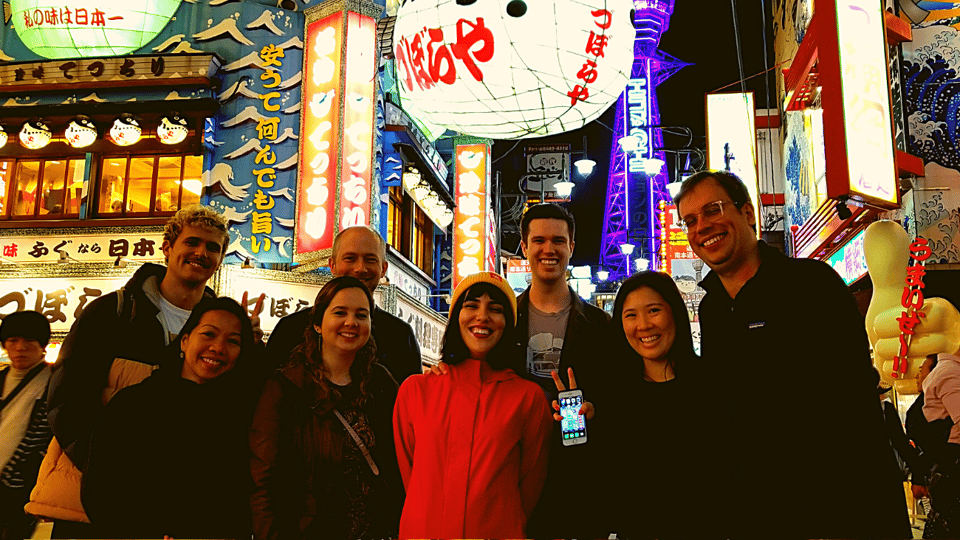
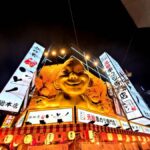
Your tour starts at Dobutsuen-mae Station (Midosuji Line), exit 1, in front of the 15 wall lanterns of Daiichi Building. Aim to arrive a few minutes early so you can settle in before the group gets moving.
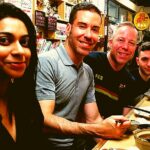
The experience runs with a live English guide, and the group is capped at nine people. That matters because it keeps the stops relaxed. You’re more likely to get a prepared table and a quick handoff between courses, instead of waiting around.
Based on the guide styles you’ll see mentioned again and again, you can expect energy and real street-level knowledge. Guides like Kevin, Mio, Yuki, and Taka are repeatedly praised for keeping the group included and for sharing the story behind what you’re eating.
You can also read our reviews of more food & drink experiences in Osaka
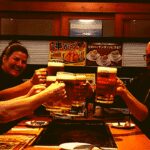
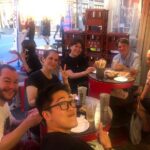
Shinsekai on Foot: Arcades, Side Lanes, and Japanese-Only Menus
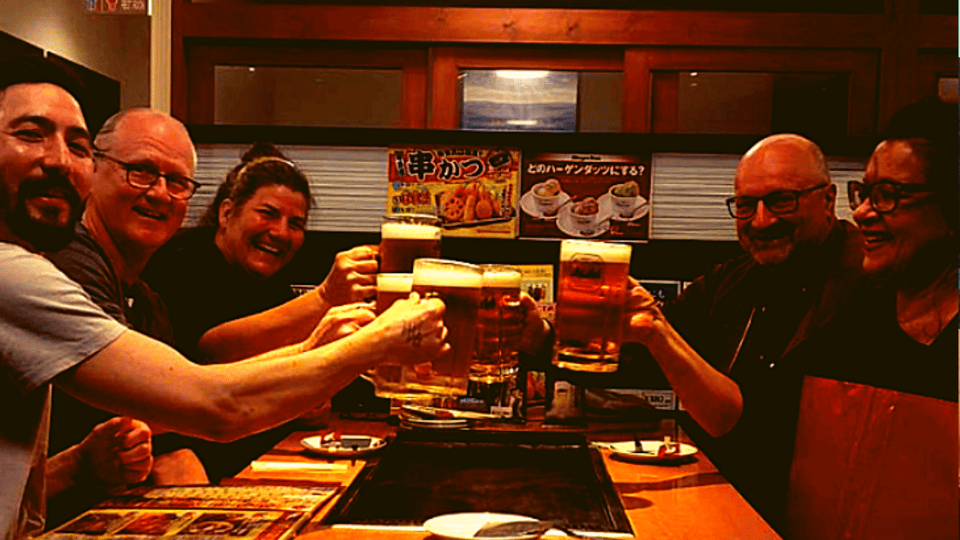
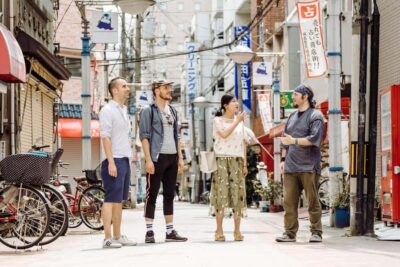
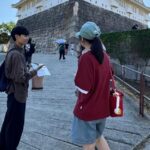
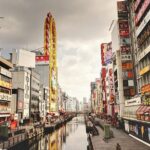
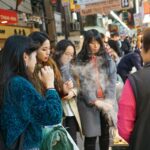
Shinsekai is the kind of neighborhood where the food experience feels like part of the scenery. You’ll walk through arcades and side alleys and show up at places that lean local, not touristy. The menus can be Japanese-only, which is exactly why having a guide helps so much.
I like tours like this because they remove the hardest part of street food: figuring out what to order when the menu isn’t written for you. You’ll be asked to eat, yes, but you’ll also get context while you’re standing there with your chopsticks.
One practical note: expect steps. Multiple guides and guests talk about burning calories just by keeping up. Even if you’re not trying to “fit exercise into your vacation,” come in ready with comfortable shoes and a light layer for weather.
Stop One: Takoyaki or Oden at the First Stall
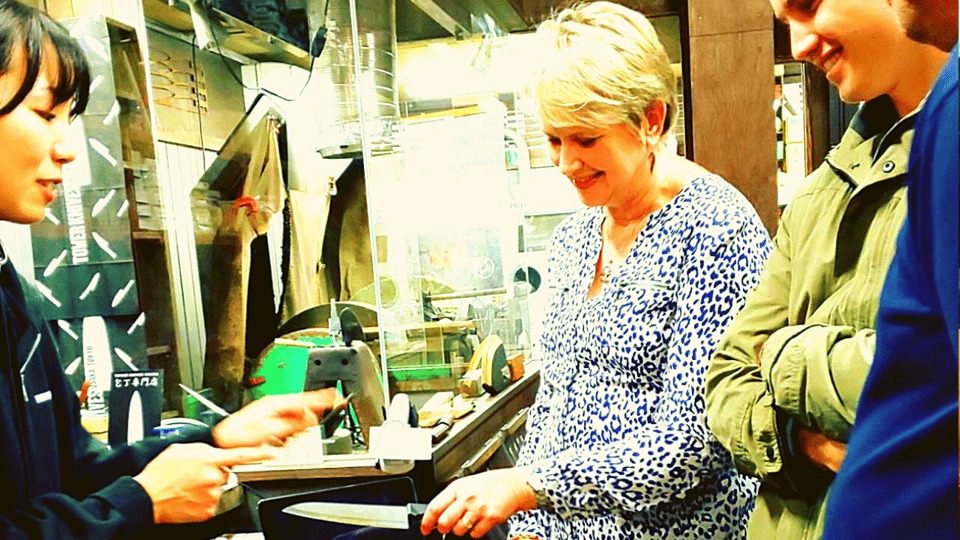
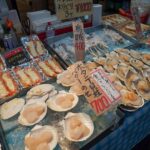
Your first stop is a classic Osaka warm-up: takoyaki (battered octopus balls) or oden. You might also see other stall-style bites there depending on what’s running that night, but the vibe stays the same: eat fast, walk next, repeat.
Takoyaki is all about contrast. The outside is crisp, and the inside is steamy and savory, usually paired with a sweet-salty sauce and toppings. Oden brings the opposite energy: soft comfort, simmered flavors, and a calmer pace if you’re hunting for something soothing.
This early moment is useful for two reasons. First, it gets you acclimated to how street ordering works. Second, it gives you a taste baseline before the tour shifts into heavier hits like skewers and fried snacks.
Izakaya Comfort: Kitsune Udon, Yakitori, Wings, and Nagaimo
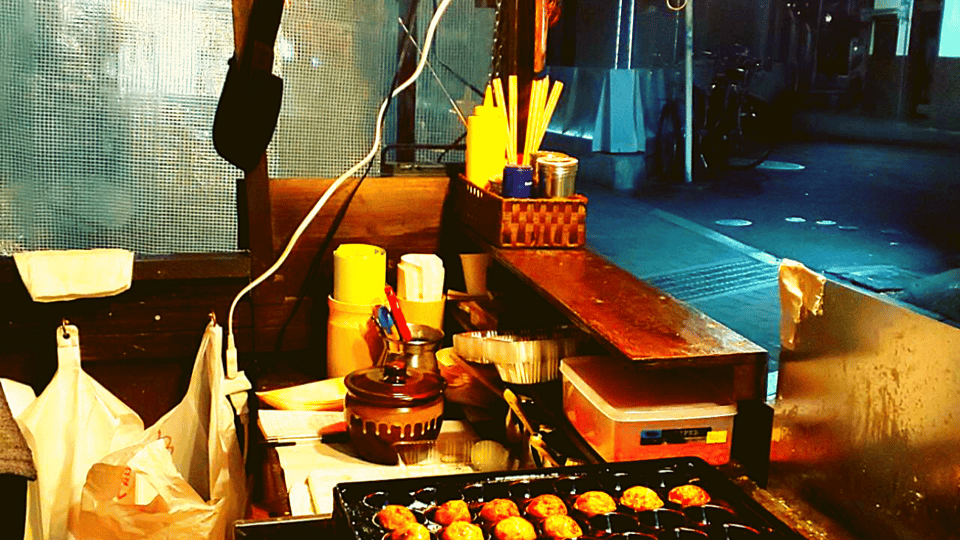
Next up is an izakaya-style stop where you’ll sample multiple Osakan dishes. Expect items like kitsune udon, yakitori, chicken wings, and nagaimo. Even if you’ve had udon before, this is the kind of meal where local ordering habits change the experience.
Kitsune udon gives you a big, satisfying bowl: chewy noodles, a flavorful broth, and the familiar sweetness from the fried tofu topping. Yakitori and wings add smoky, grilled, or sauced elements that help you keep moving through the evening without losing energy.
Nagaimo is a sneaky one. It’s a mountain yam ingredient that’s often served with a slippery texture and mild flavor, so it works like a palate reset. Having it here makes the later fried and skewered foods feel less relentless.
Kushikatsu Skewers: Osaka’s Lightly Fried Everything Moment
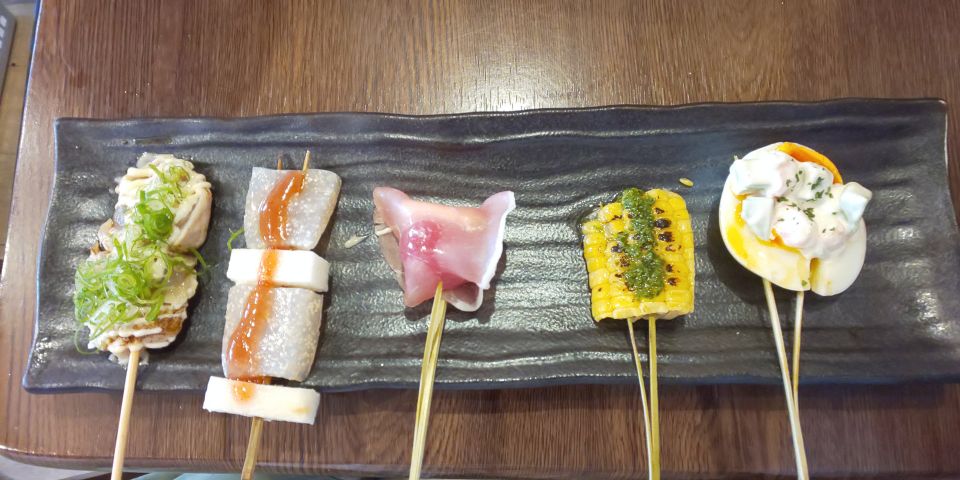
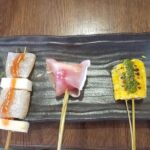
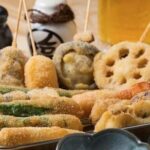
Then the tour turns to kushikatsu, lightly deep-fried vegetables and meat skewers. If you’re new to it, kushikatsu is simple in concept: skewers, batter, fryer. The difference is in the details—crisp coating, hot oil, and sauces that make each bite feel slightly different.
This stop is also a great cultural teachable moment. Osaka treats food like a social event, and kushikatsu fits that style because it’s easy to share and easy to keep eating as you walk around.
One heads-up: fried food is best eaten hot. So don’t wait to “save it for later” in your stomach. Get it down, enjoy it, and let the guide keep you flowing to the next spot.
You can also read our reviews of more tours and experiences in Osaka

Cozy Classic Restaurant: Nikudofu, Beef and Tofu Stew, Mochi
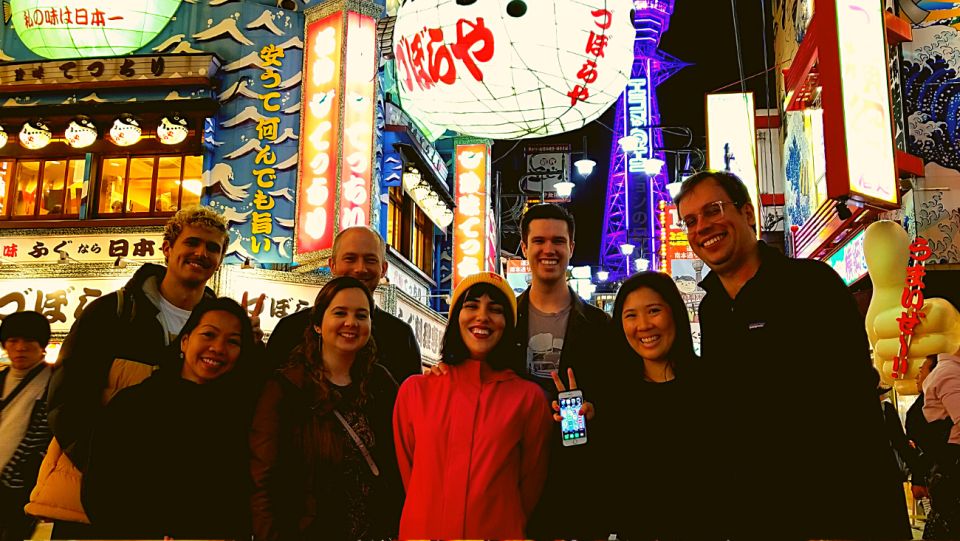
After the street-stall energy, you’ll head into a cosy traditional Japanese restaurant. Here you might find nikudofu (meat and tofu stew) or beef and tofu stew, plus options like yakitori or beef assortments, and even mochi.
This is where the tour earns its balance. You’ve had lots of snacks and fried bites by this point, so a warming stew is a smart mid-route reset. Nikudofu is especially good when it’s cold out or when you want something filling that doesn’t feel like another “crunch.”
Mochi at this stage works like dessert or a soft landing. It gives you sweetness and a different texture just as your appetite is starting to tip toward full.
And yes, there’s a beverage included here too. That drink helps smooth out the jump from savory stew to whatever dumpling or fried finale is next.
Gyoza Specialty Stop: Dumplings That Feel Made for Groups
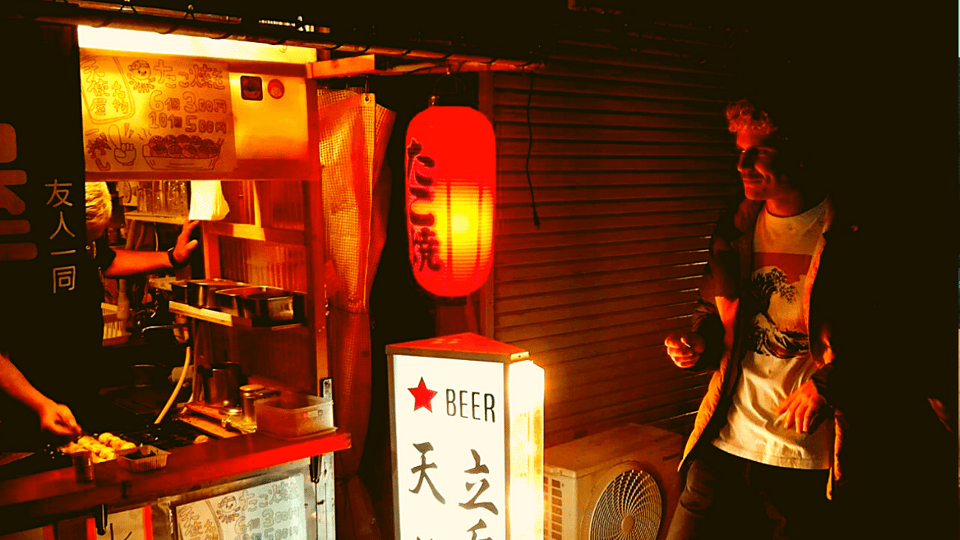
Then you’ll visit a specialized gyoza dumpling establishment. Gyoza is one of those foods where everyone thinks they know it—until you eat a style that’s tuned for Osaka taste. Expect dumpling-focused dishes, typically in a portion that makes it easy to try more than one thing.
This stop is a practical win for first-timers. Dumplings are forgiving for new eaters because they’re familiar enough in shape, but the seasoning and crisping are where the personality lives. Plus, it’s a good stage for asking your guide what to look for.
In a group of nine, you’ll usually get served in a way that keeps the pacing comfortable. The tour’s small-group structure helps here, too—no one gets stuck waiting while the rest of the group eats.
Tonpeiyaki Finale: Pork Omelette, Karaage, Edamame, and More
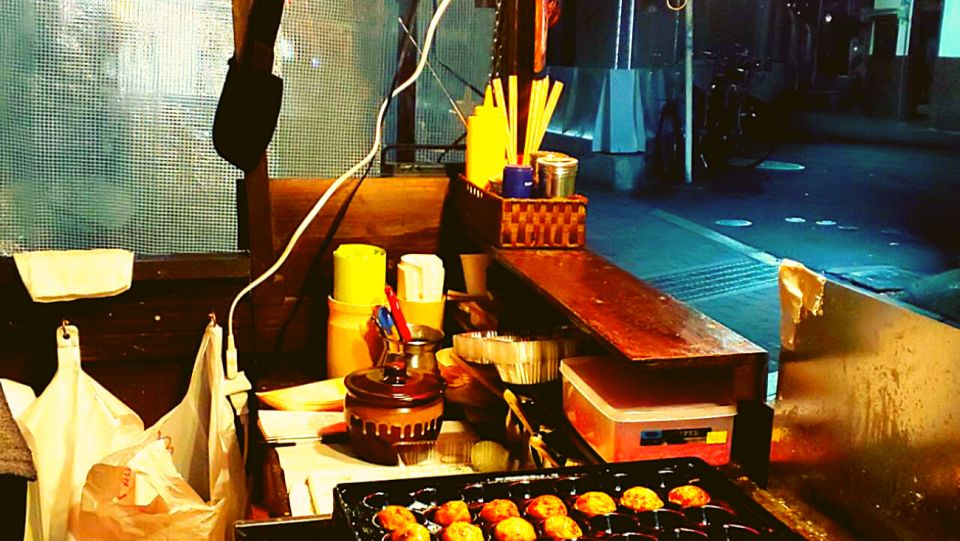
Your last dishes are at a unique Japanese eatery, and the focus is on variety. You may have tonpeiyaki (pork omelette) plus edamame and karaage (Japanese fried chicken with spices). There can also be a Japanese pancake and fruit as part of the spread.
Tonpeiyaki is fun because it’s a “full plate” dish. It has a savory richness that feels like a finale course, not just another snack. Karaage brings crunch and seasoning, while edamame adds a simple, clean bite in between heavier flavors.
This last stop is also where the tour starts living up to the “come hungry” advice. Multiple guide reports and guest comments circle back to the same theme: you’ll be full by the end. That’s not a warning meant to scare you—it’s a heads-up so you plan your evening accordingly.
You’ll also have another drink of your choice included at the finale. After all the walking and tasting, this is when it feels most earned.
Drinks Included: How to Use Them Without Slowing Down
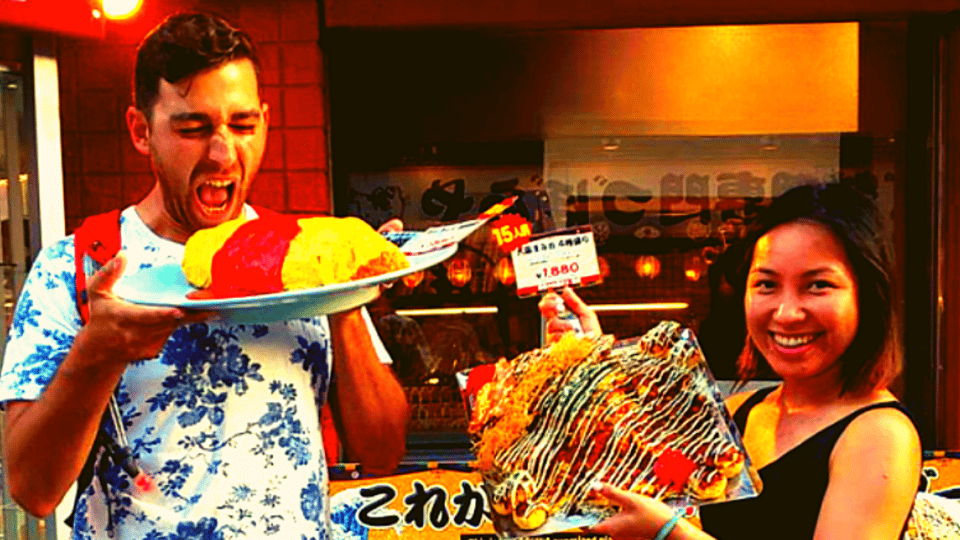
The tour includes two drinks overall: one alcoholic and one non-alcohol. You can choose what fits you best, and it’s built into the pacing so you’re not waiting around to order.
If you’re doing the whole run, go easy with alcohol early. You want to stay present for the stories your guide shares between stops and keep your energy for the final bites. If you skip alcohol, the non-alcohol drink option makes the tour still feel complete.
A small tip that matters: hydrate. Even in cooler weather, you’re walking a lot, and you’re eating salty foods. Water helps you enjoy everything instead of rushing through your last two dishes.
Price and Value: Why $53 Works for 3 Hours of Food
At $53 per person for about 3 hours, you’re paying for more than food. You’re paying for five curated local spots in Shinsekai, guided in English, with 13 dishes planned and two included drinks.
Street food done on your own can cost about the same, but the real issue is time and friction. Without a guide, you spend energy translating menus, guessing portions, and walking in circles. With this tour, your stops are designed to stack different Osaka styles back-to-back—takoyaki and oden early, izakaya comfort next, then kushikatsu and gyoza, ending with tonpeiyaki and karaage.
That’s the value equation. You’re not just buying taste. You’re buying a smooth sequence of flavors and local access that would be hard to replicate in one evening.
Pace, Portion Size, and What to Wear in Shinsekai
This is a walk-and-eat tour. You’ll go from one location to the next with minimal downtime. That means portions feel generous because you’re eating repeatedly across the evening, not just at one “big meal” restaurant.
Shoes matter. Choose something you can stand and walk in for hours. Bags matter too: keep it light so you’re not juggling coats and souvenirs while moving.
Weather affects comfort, not the plan. People have mentioned extreme heat and also cold conditions, but the structure keeps you moving. Dress like you expect to walk.
If you’re the type who tends to pace yourself, you’ll need to switch gears. This tour is designed so the next dish arrives before you’re fully ready, so your best strategy is to eat what’s in front of you and trust the sequence.
Who This Tour Fits Best (and Who Should Skip)
This tour is ideal if you:
- Want a first-night introduction to Osaka’s Shinsekai food culture
- Like variety and don’t mind eating several small courses
- Prefer local spots over the big-name tourist machine
- Enjoy conversation and learning while you eat
It’s not a fit for:
- Vegans
- People with gluten intolerance
So if your diet has strict needs, you’ll need a different kind of tour. Also, because dishes can change based on season and restaurant availability, don’t count on getting a specific item every time—use the guide as your safety net on-site.
Should You Book This Shinsekai Food Tour?
If you want a high-value evening that teaches you how Osaka eats, I think you should book. This tour is built for variety: takoyaki or oden to start, izakaya comfort dishes, kushikatsu skewers, a traditional tofu-heavy stop, a gyoza specialist, and a tonpeiyaki finale. Add an English guide and a small group, and you get a smooth, local-feeling food crawl instead of a solo hunt.
Skip it if you’re gluten-free or need a vegan option, since the tour isn’t set up for those needs. Also skip it if you hate walking and want a sit-down-only meal plan.
If you’re deciding when to do it, I’d lean toward an early day in Osaka. Getting local customs and ordering confidence on day one makes the rest of your trip easier.
FAQ
How long is the Shinsekai food tour?
It lasts about 3 hours.
How many dishes will I eat?
The tour includes 13 dishes total across 5 eateries, and the overall experience is advertised as 13–15 dishes depending on availability.
Is the tour guided in English?
Yes, it’s a live tour guide in English.
Where do I meet the tour?
Meet at Dobutsuen-mae Station (Midosuji Line), exit 1, in front of the 15 wall lanterns of Daiichi Building.
Are drinks included?
Yes. The tour includes 2 drinks total, with options that include both alcohol and non-alcohol.
Is this tour suitable for vegans or gluten-free diets?
No. Vegans and people with gluten intolerance cannot join.
How many people are in the group?
The group is small, limited to 9 participants.