REVIEW · OSAKA
Osaka Cinematic Film experience Video + Photo (ONLY ONE BOOKING)
Book on Viator →Operated by zaralfilm · Bookable on Viator
Neon streets and sacred temples share the same camera day. I like how this is built as a private cinematic shoot that mixes video editing with crystal-clear audio. One thing to keep in mind: with only about 3 hours, it’s best if you’re happy to focus on a tight set of iconic Osaka spots rather than chasing lots of new locations.
You’ll start at Shitennoji Ishinotorii and work through temple scenes before shifting toward the night look around Shinsekai and Nipponbashi. It’s a single booking for one group (couple or family), and you’ll get a mobile ticket for the experience.
The experience can be tailored for personal memories or commissioned content, with professional color grading and story-minded filming options. If you want a serious, one-session result (not a casual grab-and-go photo op), this setup makes a lot of sense.
In This Review
- Key things to know before you book
- How the Osaka Cinematic Film experience works (video + photo in one session)
- Where you start: Shitennoji Ishinotorii (stone torii gate)
- Shaping the story at Shitennoji Temple: calm rituals and classical architecture
- Isshinji Temple: the ash Buddha tradition on camera
- Shinsekai and Nipponbashi at 6:00: neon night scenes that feel like Osaka
- What you actually receive: cinematic editing, color grading, and clear audio
- Price and value: is $150 per person worth it?
- Who this Osaka cinematic session is best for
- Practical tips for making the most of your 3-hour shoot
- Quick decision: should you book this Osaka Cinematic Film experience?
- FAQ
- What is included in the Osaka Cinematic Film experience?
- Is this a private tour?
- How long is the experience?
- Where do we meet and where does it end?
- Which locations are part of the experience?
- When is the cinematic night shooting available?
- How much does it cost?
- Do I need to print a ticket?
- What physical level is required?
- What happens if I need to cancel?
Key things to know before you book
- Private, one-group booking: couple or family gets the full attention of the filmmaker.
- Video + photo, handled together: you’re not choosing one or the other.
- Day-to-night Osaka locations: Shitennoji roots, then Shinsekai and Nipponbashi at night.
- Cinematic editing focus: professional editing and color grading are part of the promise.
- Punctual, guided process: the shoot is described as easy to work with and relaxed, with clear guidance.
- Equipment is included: you just show up with your people and your energy.
How the Osaka Cinematic Film experience works (video + photo in one session)
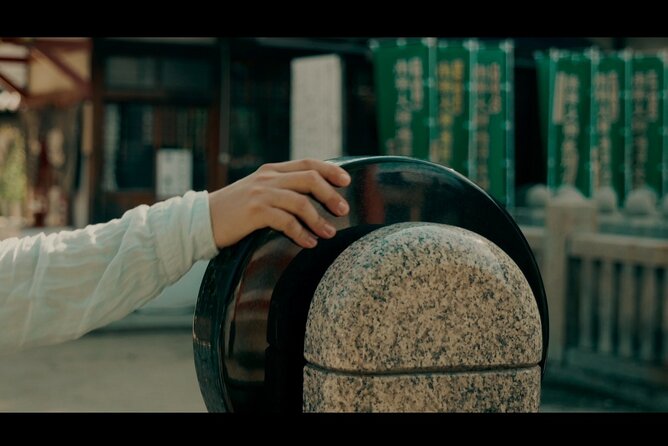
This is a private Osaka photo and filmmaking session designed for people who want more than standard snapshots. You’re paying for a guided creative production: you’ll be shot as you are, but with an intentional plan for what looks good on camera and how the story feels.
What I like is the flexibility. The project can be shaped for different goals, from a short documentary-style story to a cinematic travel clip, YouTube/social content, or even a surprise marriage proposal. That matters because it changes how you’ll be directed, what moments you’ll be asked to lean into, and what kinds of shots the filmmaker will prioritize.
It’s also practical that the shooting gear is included. You’re not trying to figure out lighting gear, audio setup, or a camera rig in a city where you’re already handling trains, signage, and crowds.
You can also read our reviews of more tours and experiences in Osaka.

Where you start: Shitennoji Ishinotorii (stone torii gate)
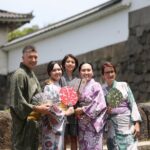
Your meeting point is Shitennoji Ishinotorii, the stone torii gate at 1-chōme-11-70 Shitennōji, Tennoji Ward, Osaka. Starting there is smart. It gives the session a clean visual “opening frame,” and it sets a peaceful tone before the day turns into night.
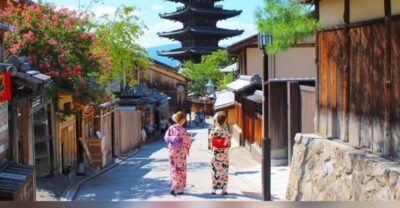
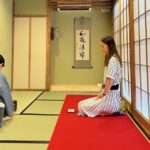
Shitennoji is described as Japan’s oldest temple, so you’re not just getting a background. You’re stepping into a place that naturally photographs with calm structure: classical architecture, spiritual atmosphere, and rituals that feel grounded.
What to expect here: you’ll likely spend time framing and capturing temple-side visuals before moving deeper into the temple story. Even if you’re not a “temple person,” the setting gives your final video and photos variety—serious visuals next to bright night street scenes later.
Possible consideration: temple areas can require you to move with care and respect the pace of the place. If you want a fast, high-energy shoot from minute one, this calm opening might slow your rhythm a bit.
Shaping the story at Shitennoji Temple: calm rituals and classical architecture
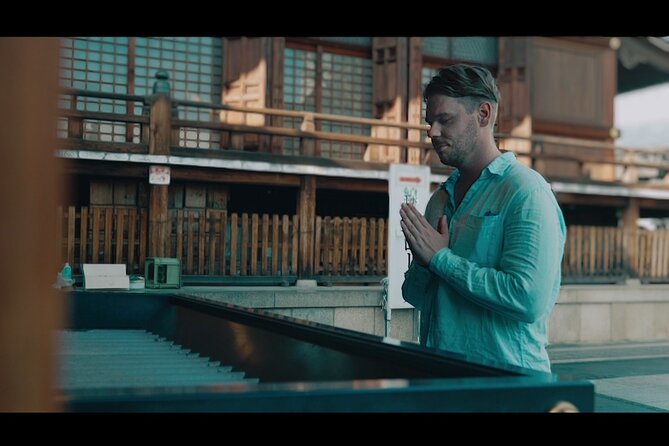
At Shitennoji, the focus is on tranquil temple rituals and the classical architecture. For a cinematic result, that’s a big deal. Temples give you long lines, quiet textures, and a natural sense of “this is Osaka, but in a slower register.”
I like how this kind of location supports storytelling. Even a short 3-hour shoot can feel like it has chapters: a reflective start, a unique cultural stop, then a neon-night finale.
If you’re the type who likes to plan shots, you’ll probably appreciate that this isn’t just posing in front of landmarks. The goal is to create a film-like experience where people can look comfortable and present while the setting does what it does best.
Isshinji Temple: the ash Buddha tradition on camera
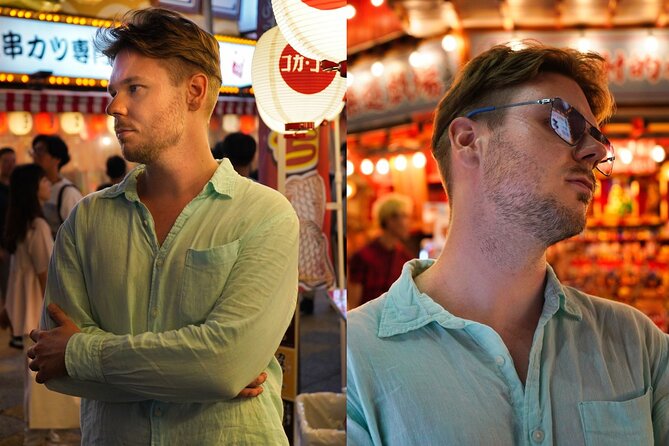
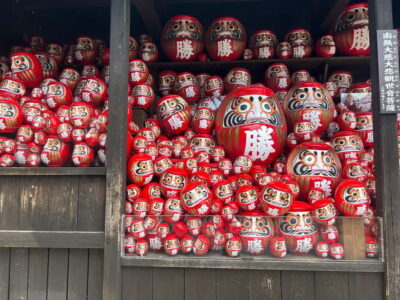
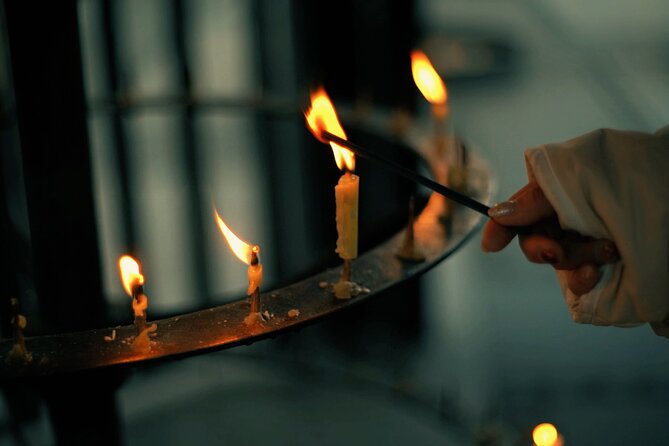
Next up is Isshinji Temple, noted for its Buddha statues made from the ashes of deceased worshippers. That’s one of the reasons this session feels more meaningful than a standard “take photos here” stop.
From a filming point of view, it also offers something different: not just big architecture, but a distinctive cultural detail that can add emotional weight to your finished photos and video. If you want your content to feel like you actually learned something while you traveled, this is the kind of place that can add depth without needing extra explanation.
What you’ll get: time to capture the spiritual and historical character of the temple, plus visuals that can’t be faked with generic city backdrops.
Possible drawback to consider: this part of the experience may feel more reflective than playful. If your main goal is a loud street look only, you might wonder why temples are included. The upside is that you end with more contrast—and contrast is what makes cinematic work interesting.
Shinsekai and Nipponbashi at 6:00: neon night scenes that feel like Osaka
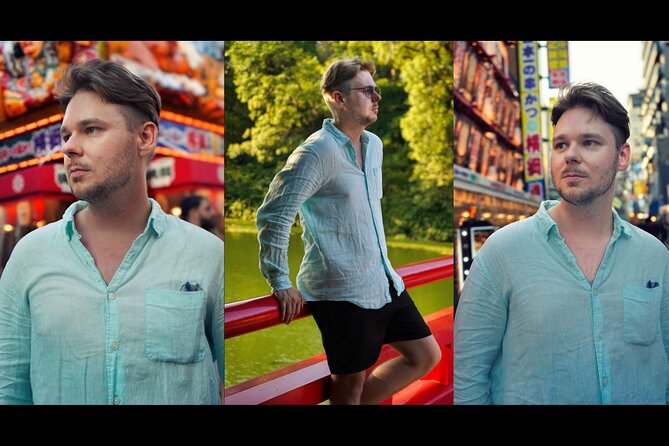
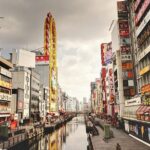
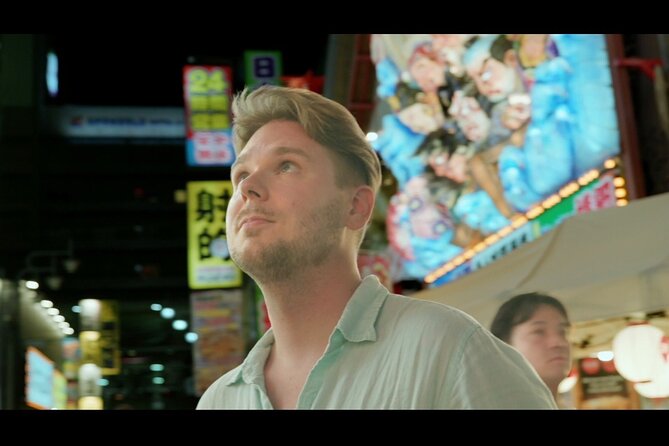
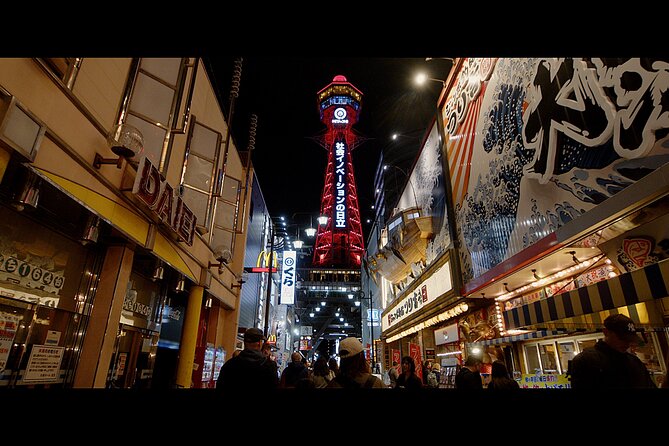
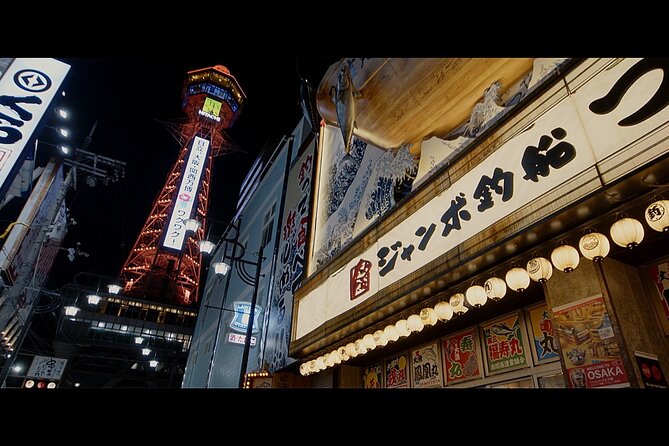
The session includes a cinematic night option around 6:00 in Shinsekai and Nipponbashi. These neighborhoods are known for their neon lights, lively streets, and late-day energy. It’s the portion that tends to look best in motion, because night creates visual drama: light streaks, signage glow, and strong contrasts.
This is also where your video gets its “Osaka signature.” Daytime footage can be beautiful, but night footage is often what makes people stop scrolling and pay attention.
How the shoot likely plays out: you’ll carry the earlier calm temple mood into the night streets, then shift gears so your final timeline feels like a real evening in Osaka—not a random grab bag of photos.
One consideration: night shooting usually means you’ll want to stay flexible and follow the photographer’s timing as crowds pass. It’s still private, but public streets move fast. If you’re hoping for zero waiting and a perfectly choreographed timeline, reality will be more fluid than that.

What you actually receive: cinematic editing, color grading, and clear audio
The experience is positioned as high-quality video & photo. The description also specifically calls out professional editing and color grading for cinematic travel videos. If your dream is a final clip that looks like it belongs on a travel channel (or at least doesn’t look like it was filmed on a phone in Auto mode), this is designed for that.
Audio is another key point. The offer mentions crystal-clear audio, which matters more than many people expect. A beautiful shot with poor sound can make a video feel amateur. Clear audio helps your final product feel real and usable, whether it’s for personal memories or content you plan to post.
Also, the shoot is described as custom. That means the filmmaking approach can adapt to what you want to create:
- personal documentation
- travel/lifestyle storytelling
- social content for YouTube or Instagram-style posting
- a surprise proposal concept
You’re not limited to one style. You’re paying for someone who can shape the session around your intent.
Price and value: is $150 per person worth it?
$150 per person for a private photo + cinematic video session is not cheap, but it can be good value if you treat it like a production—not a quick photo stop.
Here’s the value math that matters:
- You’re getting both video and photography, not one or the other.
- You’re also getting production work: professional editing and color grading are explicitly part of the offering.
- Equipment is included, which saves you the hassle of figuring out gear or hiring separate services.
- It’s private, so you’re not fighting for angles behind tour groups.
Where you might feel the price is less worth it is if you only want a few basic photos and you don’t care about the final cinematic output. In that case, a standard photographer package might fit better. But if you want a final deliverable that looks like it has thought behind it, this kind of session is usually money well spent.
Who this Osaka cinematic session is best for
This experience fits best if you fall into one of these groups:
- Couples who want a real cinematic storyline, not just landmark posing. The day-to-night contrast is especially good for “we were there” memories.
- Families who want photos that look like a professional production but still feel relaxed. Private time can make it easier to keep kids moving at an okay pace.
- Content creators who want higher-end visuals and audio for social or YouTube-style posts, including travel/lifestyle storytelling.
- Proposal planners who want the emotional moment supported by a cinematic setting and professional capture. (The offer explicitly mentions surprise marriage proposals.)
It’s also a solid option if you’re short on time. About 3 hours is enough to get real variety in Osaka without spending your entire day on logistics.
Practical tips for making the most of your 3-hour shoot
Because the session is private and includes filming through multiple locations, your success depends on how smoothly you collaborate with the filmmaker.
Bring:
- Comfortable shoes. You’re moving between temple areas and night streets, and the experience asks for moderate physical fitness.
- A clear idea of what you want the finished product to feel like: documentary-style, travel cinematic, or proposal-focused.
Be ready to:
- Follow direction. Even friendly photo sessions work better when you let the photographer guide timing and angles.
- Embrace contrast. If you commit to the temple-to-neon structure, the final result will feel more like a story and less like separate pictures.
And keep expectations realistic:
- A 3-hour private session is focused by design. If you want dozens of locations, long stops, and multiple outfit changes, you may feel time pressure.
Quick decision: should you book this Osaka Cinematic Film experience?
Book it if you want a private photo + cinematic video package, with editing, color grading, and clear audio as part of the deal—and you like the idea of Osaka by day at Shitennoji and by night around Shinsekai and Nipponbashi.
Consider skipping or adjusting your expectations if your main priority is simple, low-effort sightseeing photos with no interest in the final cinematic output. This is made for people who care how the finished video and photos look and sound.
If you do book, you’re likely to enjoy the process because the shoot style is described as professional, punctual, and easy to work with. That’s the kind of combination that turns a “we booked a tour” day into a smooth production day.
FAQ
What is included in the Osaka Cinematic Film experience?
Videography and photography equipment are included. The session is focused on delivering high-quality video and photos as part of the experience.
Is this a private tour?
Yes. It’s a private tour/activity, so only your group participates.
How long is the experience?
The duration is approximately 3 hours.
Where do we meet and where does it end?
You meet at Shitennoji Ishinotorii (stone torii gate). The activity ends back at the meeting point.
Which locations are part of the experience?
The experience includes Shitennoji Temple and Isshinji Temple, plus a cinematic night shooting around Shinsekai and Nipponbashi.
When is the cinematic night shooting available?
Cinematic night shooting is available at 6:00, focusing on Shinsekai and Nipponbashi.
How much does it cost?
The price is $150.00 per person.
Do I need to print a ticket?
No. It uses a mobile ticket.
What physical level is required?
A moderate physical fitness level is recommended.
What happens if I need to cancel?
You can cancel for a full refund up to 24 hours in advance of the experience’s start time. If you cancel less than 24 hours before, the amount paid is not refunded.