REVIEW · OSAKA
Osaka Cooking Class and Sake Tasting with Local Supermarket Visit
Book on Viator →Operated by MagicalTrip Inc. · Bookable on Viator
Sake and street food lessons in one afternoon. This small-group experience pairs a market ingredient hunt with cooking at a studio, then finishes with tasting local sake or beer. You’ll learn iconic Osaka favorites like okonomiyaki, gyoza, and niku-sui with step-by-step guidance from instructors such as Yuka.
I like that it feels practical from start to finish: you pick real ingredients at a nearby supermarket, then you cook with live feedback instead of following a script. A possible drawback: you’re spending a full half day (about 4 hours), so it’s best if you can plan around the morning start time and stay through the tasting.
In This Review
- Key points at a glance
- A 10:00 AM start with a supermarket mission in Osaka
- Shopping with Mari and Yuka: learning what to buy and how much
- The cooking studio lesson: gyoza, okonomiyaki, and niku-sui skills
- Why hands-on feedback beats a recipe-only class
- Sake tasting as the payoff: what you’ll enjoy at the end
- Timing and group size: how to plan your day around 4 hours
- Price and value: is $92.50 worth it?
- Who this Osaka cooking class suits best (and who might skip)
- Should you book this Osaka cooking class with sake tasting?
- FAQ
- What time does the cooking class start?
- How long is the tour?
- Where do I meet the group?
- How many people are in the group?
- Do I need cooking experience?
- What dishes will I cook?
- Is sake tasting included?
- Is there a supermarket visit?
- Can I cancel for free?
Key points at a glance
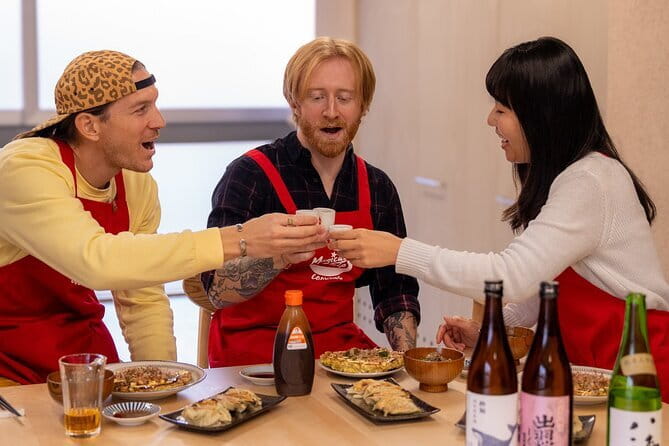
- Small group size (max 7) keeps the class interactive and hands-on.
- Supermarket stop first so you understand what to buy and why.
- Multiple Osaka dishes in one session: okonomiyaki, gyoza, and niku-sui.
- Folding and pan skills get covered with straightforward technique practice.
- Sake tasting included alongside your finished dishes, with options like beer or soft drinks.
A 10:00 AM start with a supermarket mission in Osaka
If you’ve ever wondered why some Japanese dishes taste so balanced, start by watching how locals shop. This tour kicks off at 10:00 am at a clearly defined meeting spot near FamilyMart (Minamimorimachi station, south side). From there, you head out with your instructor to a local supermarket where the focus is not just on ingredients, but on everyday shopping logic.
That first stop matters more than people expect. When you learn what to look for in a Japanese grocery setting, you avoid the common problem back home: making a dish with the right idea but the wrong pantry basics. You’ll get hands-on help on what to buy for each recipe, which is exactly the kind of guidance Mari was praised for.
Also, because the group is capped at 7 travelers, you’re not squeezed into the back of a line trying to see over shoulders. You can ask questions while you’re actually holding items in your hands.
You can also read our reviews of more food & drink experiences in Osaka

Shopping with Mari and Yuka: learning what to buy and how much
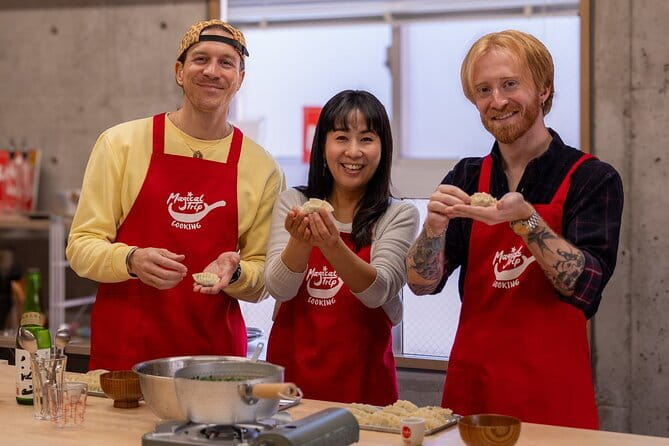
The supermarket portion is where the class earns its value. You’re not just walking around for a quick photo moment. You’re learning what makes the recipes work: ingredient choices, how certain items are used, and what to prioritize when you’re building a dish.
In reviews, Yuka and Mari were singled out for showing and explaining what to shop for while you follow each recipe. That kind of support is huge for beginners. If you’ve never cooked Japanese food before, it’s easy to get overwhelmed by names, cuts, and packaged products. Here, you get direction in the moment, so shopping turns into a mini lesson you can actually reuse.
A practical point: try to arrive on time and bring your best walking shoes. You’ll move between sections and make decisions as you go. The tour is short enough that you don’t want to waste time hunting down items later.
The cooking studio lesson: gyoza, okonomiyaki, and niku-sui skills
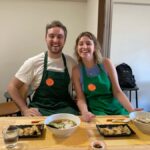
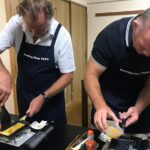
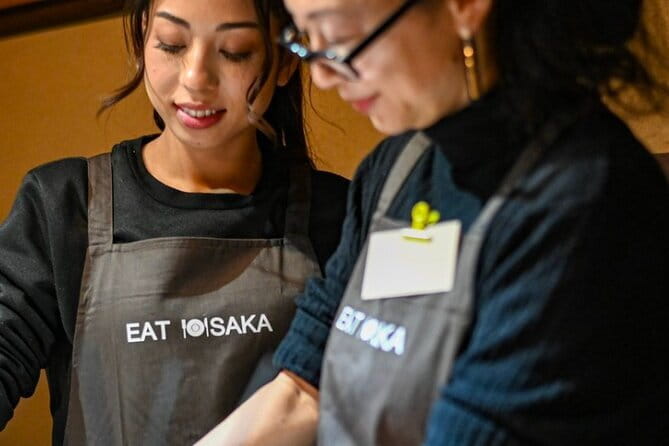
Back at the studio, the cooking part stays friendly and structured. The class uses an approach that works whether you’re brand new or you’ve cooked before. The key is that it’s guided with step-by-step instructions and live feedback while you cook, so you’re not left to guess if something looks right.
You’ll make three Osaka staples:
Gyoza (dumplings)
You’ll practice folding and shaping. This matters because the look isn’t just for aesthetics. How you seal the dumplings affects how they cook. Once you’ve done it a few times with coaching, you’ll understand the technique enough to repeat it later without needing a translator.
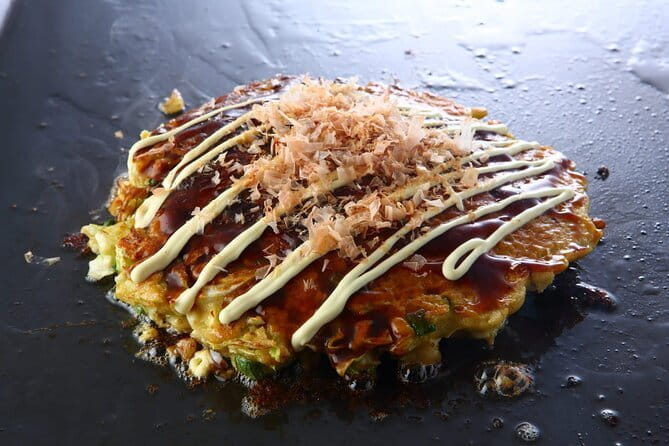
Okonomiyaki (savory pancake)
You’ll learn how to build it in a way that keeps the textures right. This is one of those dishes that looks simple, but small technique differences change the final outcome. Cooking it here helps you learn the rhythm of mixing and cooking without guessing.
Niku-sui (beef soup)
Niku-sui is lighter than many comfort soups, and it’s a good way to balance out the heavier feel of gyoza and okonomiyaki. In a class like this, it also helps you understand how Osaka-style flavors come together in everyday cooking, not just street-style grilling and frying.
What I appreciate is that you’re not only watching someone else cook. You do the work. Folding, building, and cooking gives you muscle memory, and that’s what lets you recreate these flavors at home.
Why hands-on feedback beats a recipe-only class
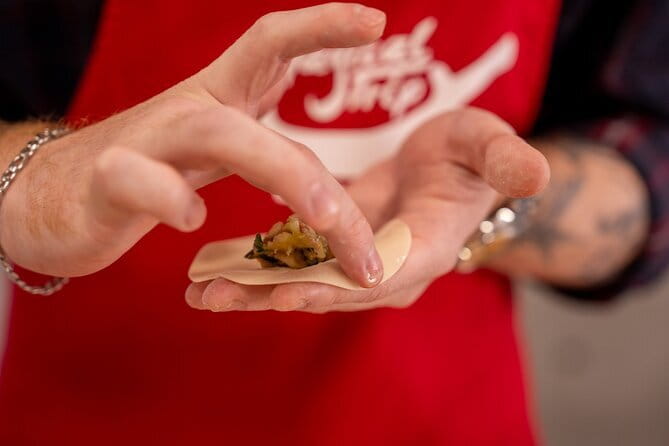
A recipe-only class can teach you what to do. This one helps you learn how to do it. That difference is the whole point for value.
Here’s what hands-on feedback tends to fix fast:
- When to adjust the mix or consistency while you’re cooking
- How to handle timing when the pan heat is doing the heavy lifting
- What the dish should look and feel like during key steps (so you don’t rely on guesswork)
The reviews also hint at why people rate it so highly. Guides like Yuka and Mari aren’t just instructors in name; they’re actively guiding ingredient decisions and cooking technique so you finish with food you actually want to eat.
If you’re traveling solo, this format is also a win. You can focus on doing your tasks without feeling like you’re dragging a conversation out of the group.
Sake tasting as the payoff: what you’ll enjoy at the end
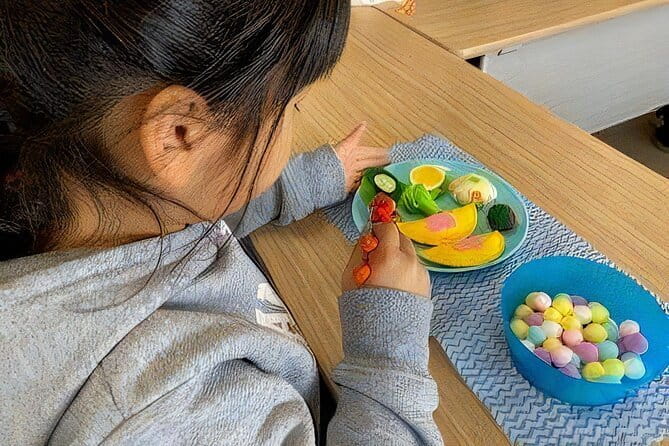
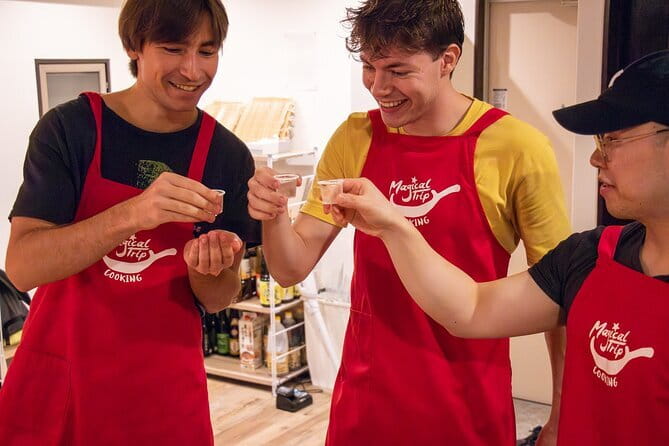
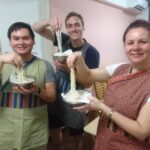
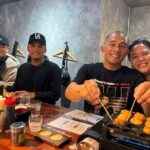
After you cook, you eat. And you don’t just get water and a polite thank-you. The tour includes tasting your dishes with local sake, plus options like beer or soft drinks.
That final tasting is more useful than it sounds because it closes the loop. During cooking, you’ll notice flavors, textures, and smells while you work. At the table, you’re able to connect that experience to what the dish is supposed to deliver. It turns the class from a fun activity into real food knowledge you can carry forward.
A quick note: the tour lists sake and other drink options, but it doesn’t spell out tasting order or alcohol levels. So if you’re sensitive to alcohol, choose the soft drink option and enjoy the food learning the same way.
You can also read our reviews of more cooking classes in Osaka

Timing and group size: how to plan your day around 4 hours
This is a 4-hour experience, starting at 10:00 am and ending back at the meeting point. That matters because it’s not a long excursion that eats your whole day. It’s the kind of half-day class that fits well if you have afternoon plans for Osaka.
Because the group size stays small (maximum 7), the schedule is usually tight. You’ll want to show up ready: hungry, with any questions prepared, and with comfortable clothing for kitchen work. You’ll be moving through both shopping and cooking, so a light layer can help if the air conditioning or kitchen heat changes.
Also, the meeting spot is near public transportation, which is good news if you’re building the rest of your Osaka day using trains and short walks.
Price and value: is $92.50 worth it?
At $92.50 per person, you’re paying for more than a meal. You’re paying for three things that often cost separate money when you travel:
- A guided supermarket visit where you learn what to buy and what matters
- A hands-on cooking class with step-by-step support and live feedback
- A tasting payoff that includes local sake or other drink options
In other words, you’re not just buying a plate. You’re buying skills plus the ingredients foundation that makes those skills usable later.
Value also improves because the dishes are real Osaka favorites, not just generic Japanese cooking. Okonomiyaki, gyoza, and niku-sui are approachable in a home kitchen, but they still require technique. This tour gives you both: technique practice and a local-ingredient shopping baseline.
If you like food classes, this is the kind of price that tends to feel fair, especially with the small group size.
Who this Osaka cooking class suits best (and who might skip)
This tour is a great match if you want:
- A beginner-friendly way to learn Japanese cooking techniques
- Real supermarket context, not just a cooking station
- Multiple dishes in one session, so you leave with a stronger home-cooking game plan
- A social but not chaotic group setup (max 7)
It may be less ideal if you want a very relaxed, slow-paced stroll with lots of free time for sightseeing. This is structured. You’re shopping, cooking, and eating within a 4-hour window.
You’ll also get more out of it if you can stay engaged through the whole process, including the tasting at the end. That’s when the lesson clicks.
Should you book this Osaka cooking class with sake tasting?
I’d book it if you’re the type of traveler who wants to take home practical food skills, not just photos. The blend of a supermarket stop, hands-on cooking, and a sake tasting payoff makes it feel like you’re learning how Osaka cooks, not just copying a one-time recipe.
The standout reason to choose it is the support. In reviews, instructors like Yuka and Mari are praised for guiding both what to shop for and how to cook. Add the small group size and the included tasting, and you get a class that’s likely to leave you confident enough to cook these dishes again.
If you’re visiting Osaka and you want an experience that’s genuinely useful after the trip, this one is a strong pick.
FAQ
What time does the cooking class start?
The experience starts at 10:00 am.
How long is the tour?
It runs for about 4 hours.
Where do I meet the group?
You meet at FamilyMart Minamimorimachi station South side, Japan, 530-0041 Osaka, Kita Ward, Tenjinbashi, 2-chōme310 1F.
How many people are in the group?
The class has a maximum of 7 travelers.
Do I need cooking experience?
No cooking experience is required. It’s designed for all skill levels.
What dishes will I cook?
You’ll cook niku-sui (beef soup), okonomiyaki (savory pancake), and gyoza (dumplings).
Is sake tasting included?
Yes. At the end, you’ll enjoy your dishes with local sake, and there are also options like beer or soft drinks.
Is there a supermarket visit?
Yes. The experience includes a visit to a local supermarket to select ingredients.
Can I cancel for free?
Yes. You can cancel for a full refund if you cancel at least 24 hours before the experience’s start time.