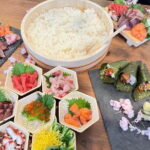
REVIEW · OSAKA
Osaka: Sushi Class in Dotonbori
Book on GetYourGuide →Operated by Cooking Sun · Bookable on GetYourGuide
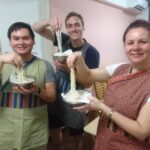
Your first sushi lesson starts in Osaka, not Tokyo. This Dotonbori-area class has you making three styles at a real working kitchen—hands-on, step-by-step, with English instruction and a small group. I love how personal the coaching feels, since the class caps at 8 participants.
What really seals it for me is the payoff: you’re not just watching, you’re building sushi you can actually eat right after. The final plates tend to be generous, and the fish, nori, and rice ingredients are handled fresh rather than prepped weeks ago.
One thing to consider: fish prep details are kept simple for beginners, so you may not get the same hands-on moments you’d see in a high-end class focused on cutting fish. Also, the meeting spot is specific (room 202), so plan a little extra time to find Cooking Sun Osaka.
In This Review
- Key things you’ll notice right away
- First Steps in Dotonbori: Why This Class Feels Local
- Getting to Cooking Sun Osaka (Room 202) Without Stress
- The 3-Hour Flow: Three Sushi Types, One Clear Skill Path
- Salad Roll: The Crunchy Nori Roll With a Tamagoyaki Core
- Nigiri: Vinegared Rice + Topping Placement You Can Recreate
- Oshizushi: Osaka’s Pressed Box Sushi You Cut at the Last Moment
- What You Actually Eat (and Why the Portion Feels Worth It)
- Price and Value: Is $67 for 3 Hours a Good Deal?
- Who This Osaka Sushi Class Is For (and Who Might Skip It)
- Vegetarian and Gluten-Free Options: How to Plan Ahead
- Instructor Energy: What Reviews Suggest About the Teaching Style
- Should You Book the Osaka Sushi Class in Dotonbori?
- FAQ
- How long is the Osaka sushi class?
- What sushi types will I make?
- Is the class taught in English?
- What is included in the price?
- Can I request vegetarian or gluten-free options?
- How big is the group?
Key things you’ll notice right away
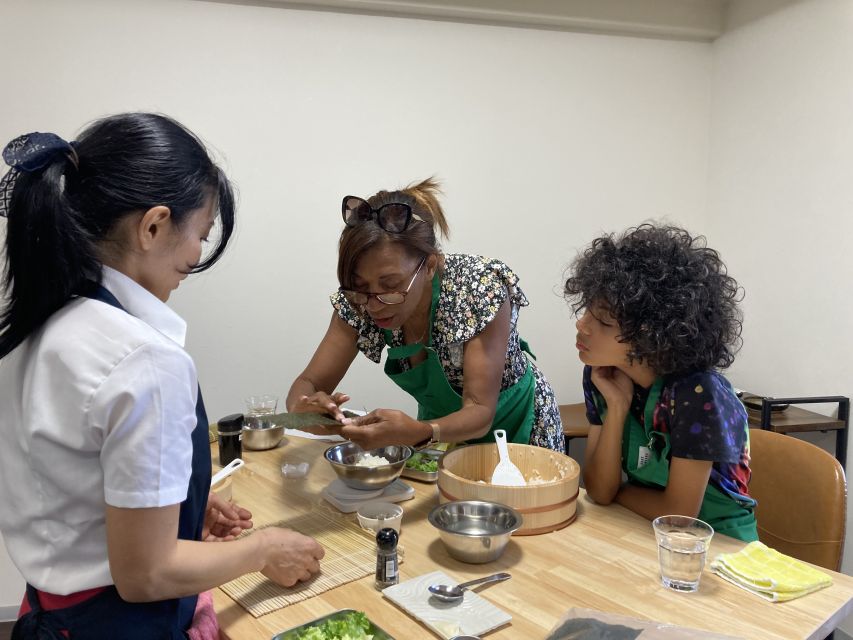
- Small-group teaching (up to 8) means you can ask questions and get corrections while you work.
- Three Osaka-relevant techniques: salad roll, nigiri, and oshizushi (pressed box sushi).
- Oshizushi is cut right before eating, which helps keep the texture from turning mushy.
- English instruction with active back-and-forth guidance during the class.
- Good value food math: 3 hours of instruction plus a full plate of what you make.
First Steps in Dotonbori: Why This Class Feels Local
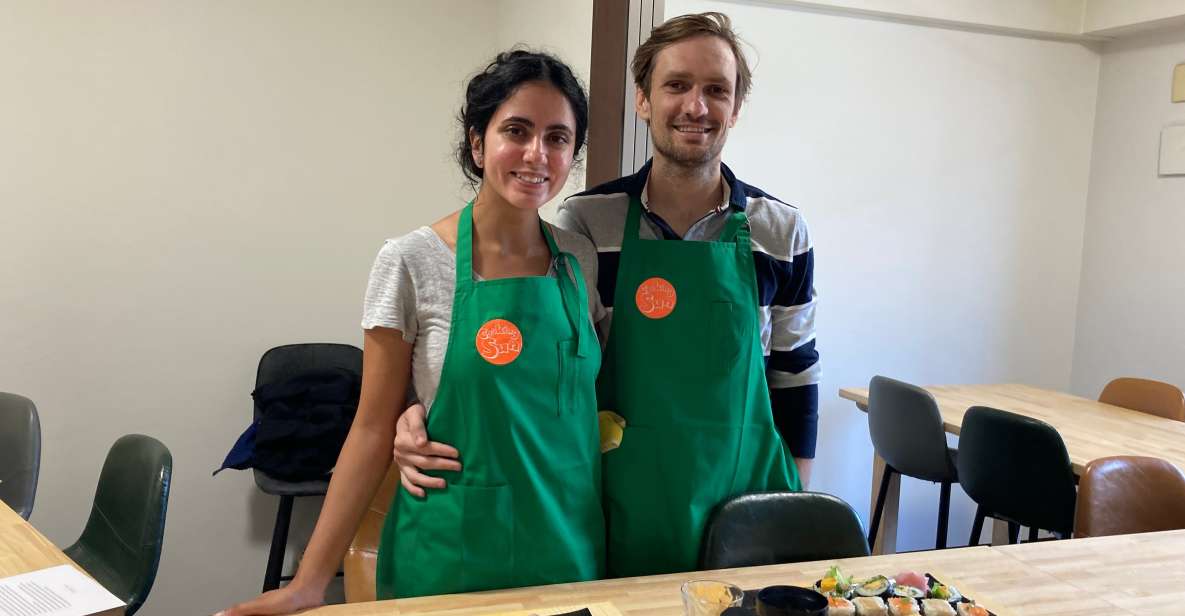
Osaka is famous for eating, and sushi classes in the city can sometimes feel like a generic tourist stop. This one doesn’t. You’re learning three sushi styles that connect directly to what people actually eat and talk about—especially the Kansai-style oshizushi, which is still a popular tradition in Osaka.
You’ll also feel the “local kitchen” vibe. The space is described as a modern, clean setup, with the tools you need laid out so you can focus on technique, not logistics. And because it’s in the Dotonbori orbit, it fits naturally into an eating-heavy day: you get a skill, then you can go chase the real-world flavors afterward.
Finally, there’s a human side. Multiple participants mention instructors like Yoshi and Yoko teaching with patience and warmth, and helpers like Ami, Eriko, and Naomi supporting during the process. That matters because sushi is equal parts technique and timing.
You can also read our reviews of more tours and experiences in Osaka


Getting to Cooking Sun Osaka (Room 202) Without Stress
The meeting point is Cooking Sun Osaka, room 202. When you arrive, press 202 and the entrance call button marked 呼出.
Here’s the practical part: this location isn’t a big street landmark, so it can take a minute on first pass. One participant noted a tree out front as a useful visual cue. I’d treat this as your “arrive early” activity, especially if you’re coming from the Dotonbori side by foot or taxi.
Also, if you’re sensitive to classroom noise, bring the mindset that you’re stepping into a working kitchen. The class is hands-on, so you’ll be close to your station, your instructor, and your other classmates.
The 3-Hour Flow: Three Sushi Types, One Clear Skill Path
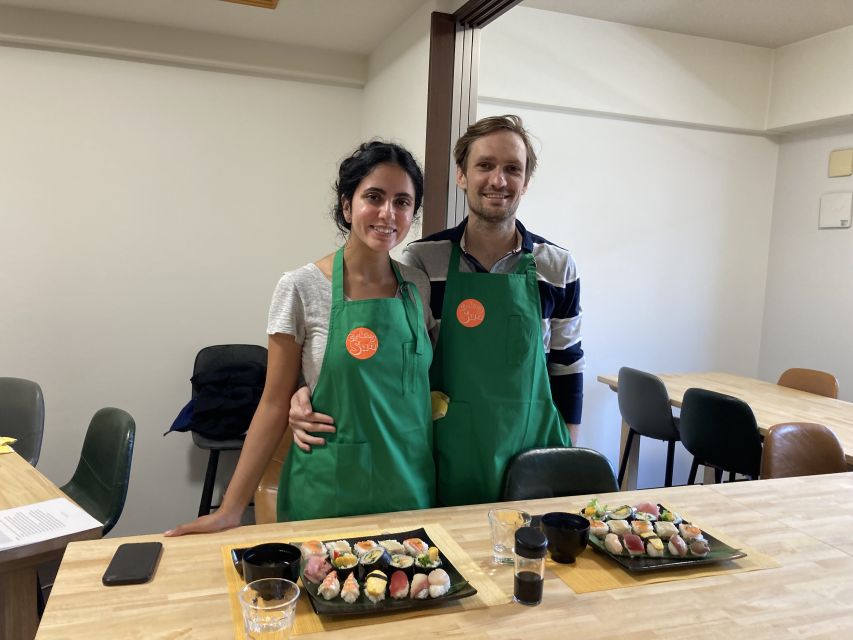
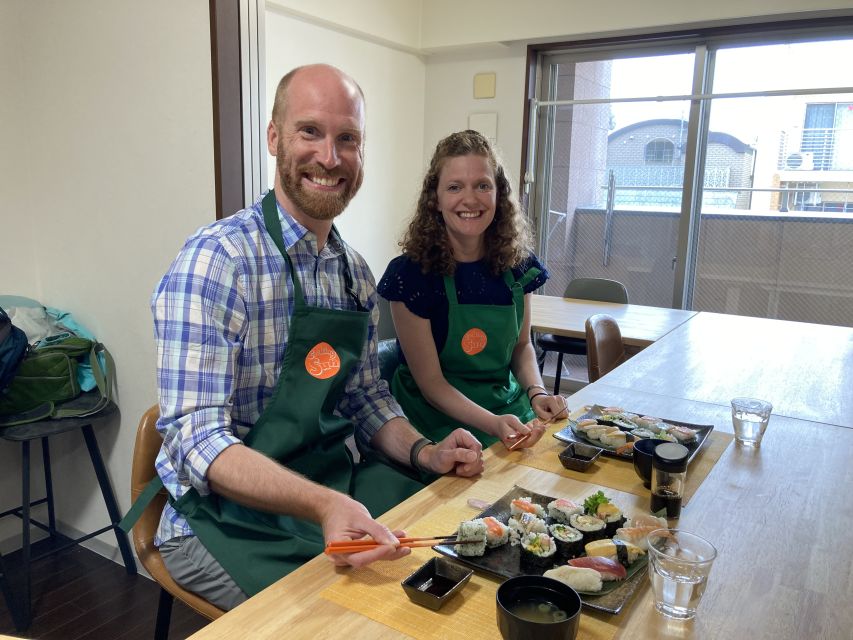
This is a 3-hour lesson with a straightforward structure: make three types of sushi, then eat what you create. The big advantage here is pacing. Sushi can be fussy—rice temperature, nori tightness, topping placement—and beginners do best when the instructor slows down and repeats key points.
In practice, you’ll go through:
- Salad roll building (nori + crunchy fillings + tamagoyaki core)
- Nigiri shaping (vinegared rice topped with ingredients)
- Oshizushi pressing (square box sushi cut right before eating)
You’ll also get ingredient guidance and cleanup handled so you’re not stuck multitasking. In reviews, people liked that instructors were thorough with instructions and made time for questions.
If you have allergies or diet needs, you can leave a note when booking for vegetarian or gluten-free options. That’s a big deal with sushi, where tiny ingredient choices can matter.
Salad Roll: The Crunchy Nori Roll With a Tamagoyaki Core
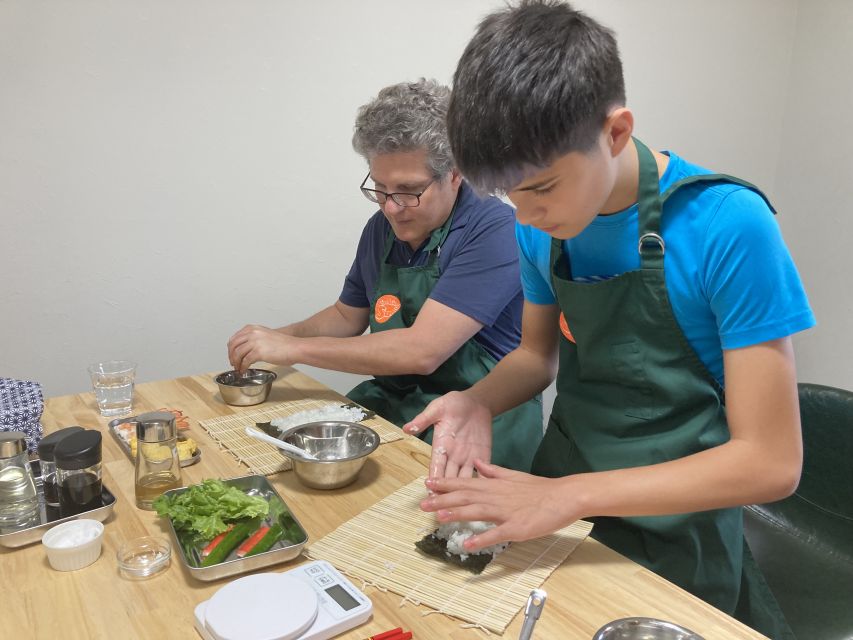
The class starts you off with a salad roll that isn’t just a compromise version of sushi. It’s built to show technique and balance—wrap structure, filling layering, and the way nori holds everything together.
You’ll learn to assemble a roll with:
- crab-flavored kamaboko
- lettuce and cucumber
- tuna mixed with mayonnaise
- nori wrapping
- a core of tamagoyaki (egg roll)
What this teaches you, beyond how to roll, is how sushi can be both fresh and satisfying. The salad roll filling mix gives you a contrast of textures: creamy tuna mayo, crisp vegetables, and that sweet-leaning egg core. If your sushi tastes usually stay only on the nigiri side, this is a helpful bridge into more roll-focused flavors.
Practical tip for you: when you’re building the filling, aim for even distribution. If one side is heavy, you’ll get uneven pressure and the roll may not sit cleanly when you cut.
Nigiri: Vinegared Rice + Topping Placement You Can Recreate
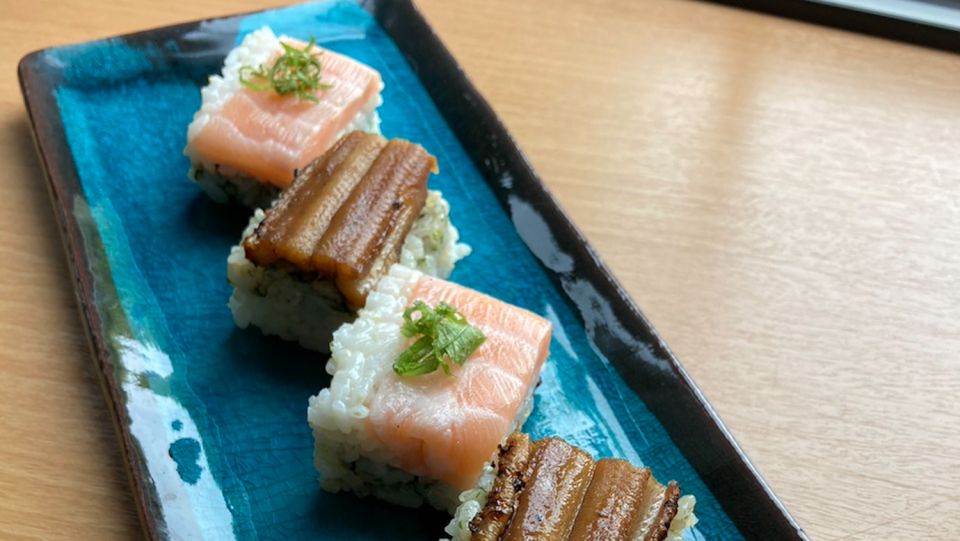
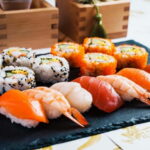
Next comes nigiri-zushi, one of Japan’s best-known sushi styles. In the class format, nigiri is taught as the idea of vinegared rice shaped into a bite-sized base, with topping laid on top.
You’ll make the classic concept you’ll see everywhere:
- bite-sized vinegared rice
- toppings like fish and seafood, plus egg, depending on what your instructor has set for the class
Nigiri is where many beginners get stuck. Rice texture and hand pressure make a difference. A good instruction moment here is the repetition: learning how firm to shape without squashing the rice or losing that light, clean structure.
Why this section is valuable: it gives you a “template” sushi skill. Even if you never replicate the exact same fish at home, you can still practice the rice and topping placement approach.
And yes, there’s often cultural context mixed into this part. Several reviews mention instructors explaining meanings behind food preparation and how ingredients are purchased locally. If you like understanding why techniques exist, this is one of the best parts of the session.




Oshizushi: Osaka’s Pressed Box Sushi You Cut at the Last Moment
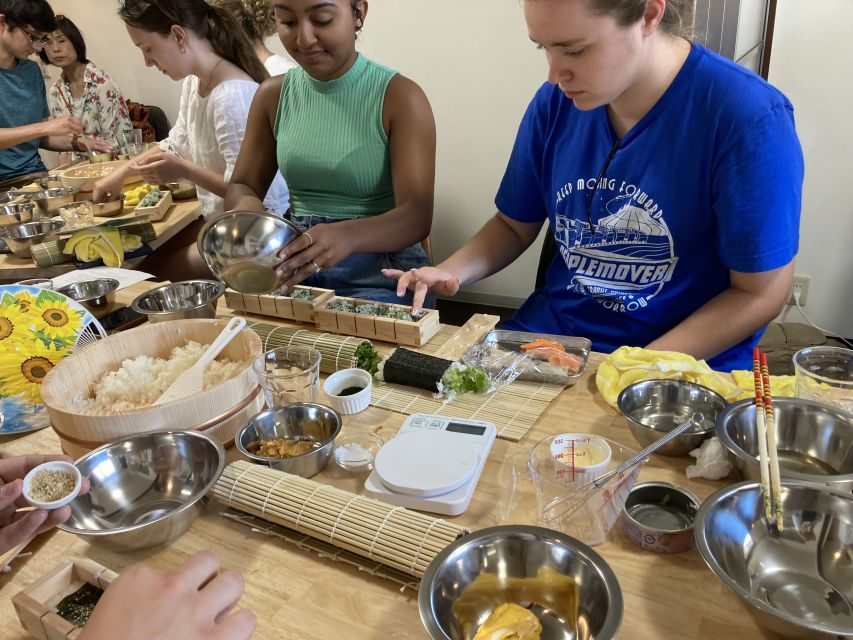
Then you get to oshizushi, the Osaka/Kansai specialty often called box sushi. This is the most distinctive technique in the class, and it’s also the one that feels most “Osaka” once you do it.
Oshizushi is made by:
- filling a square wooden frame with sushi rice
- adding toppings on top
- pressing the rice so it sticks to the toppings
- removing the pressed block
- cutting into pieces just before eating
That last step matters. Pressed sushi can hold together well, but cutting earlier can change the texture. So having you cut right before you eat is smart teaching—and it helps the food stay at its best.
What you’ll practice here is structure. Unlike rolls, where you worry about wrapping and sealing, oshizushi emphasizes alignment and pressure. You’ll see why people historically loved it as an organized, packable way to serve sushi.
If you’re the kind of traveler who wants a souvenir that isn’t just a postcard, oshizushi is a great pick. It’s a technique you can talk about at dinner for the rest of the trip.
What You Actually Eat (and Why the Portion Feels Worth It)
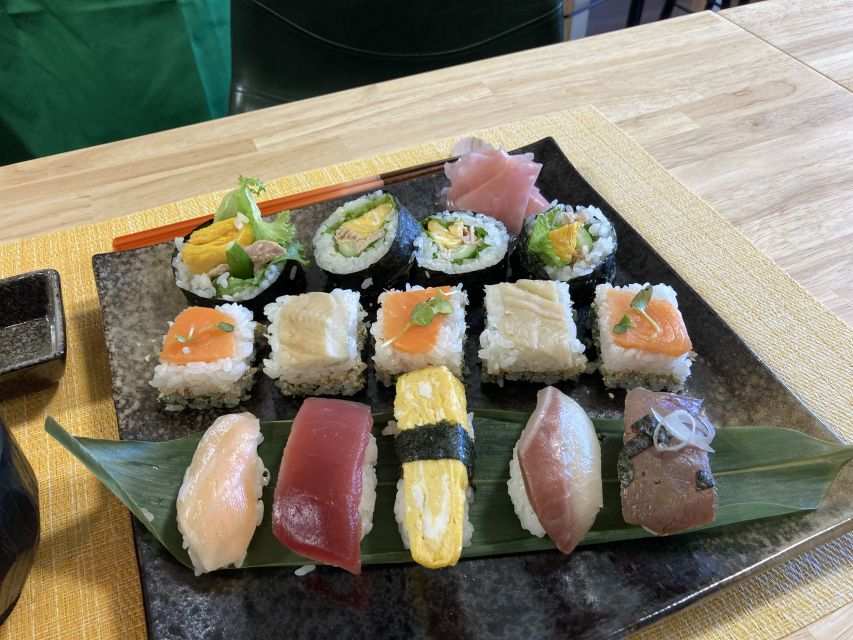
The class isn’t a tiny tasting. You’re making the sushi you’ll eat at the end, and the food quantity is repeatedly described as substantial enough to satisfy hungry appetites. That means the class functions like an activity plus a meal, not an expensive nibble.
People consistently note that the sushi they ate was fresh and delicious. Ingredients are included, so you’re not expected to bring anything or supplement your class with a separate meal right away.
Also, one review mentions additional items like dashi and miso soup along with the sushi. The provided class summary specifically calls out three sushi types, so don’t count on extras. But if your class includes them, it’s a nice bonus because it rounds out the flavors beyond fish-and-rice.
Price and Value: Is $67 for 3 Hours a Good Deal?
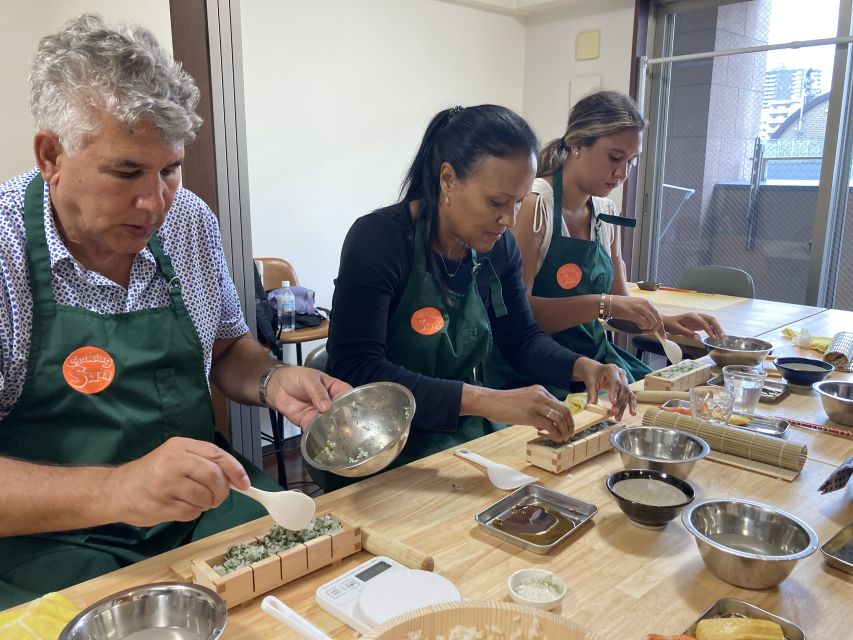
At $67 per person for 3 hours, the value comes from three things working together:
First, you’re paying for instruction, not just ingredients. Small group size (up to 8) and English guidance reduce the “trial-and-error” stress. That coaching time is expensive in most cooking classes.
Second, you get a meaningful output: three types of sushi you can eat. If the class were only a sample, the price would feel steep. Here, it’s more like a guided workshop meal.
Third, you’re learning technique you can reuse. Nigiri shaping and oshizushi pressing are both teachable skills, not just one-off presentation tricks. That’s why reviews call out instruction quality and the fun of actually making sushi yourself.
My practical take: if you’re staying in Osaka for a few days and you like food activities that produce something you can eat immediately, this sits in the “yes, worth it” category. If you only want sushi tasting and don’t care about technique, you might prefer a dedicated food tour instead.
Who This Osaka Sushi Class Is For (and Who Might Skip It)
This is a great match if:
- you’re a sushi lover who wants to understand what you’re eating
- you’re comfortable in a hands-on setting and want clear steps
- you want a short activity that fits into a food-focused Osaka day
- you travel with a friend and want something social but still guided
It may be less ideal if:
- you strongly prefer culinary experiences centered on slicing fish yourself
- you dislike ingredient prep stations and prefer restaurant-only experiences
- you’re hoping for a deep, long history lecture with no cooking time (this is primarily technique-focused)
If you’re traveling with kids, this can work well for families who enjoy structured cooking. The class is taught in English and is designed for beginners, based on how people describe the clarity of instruction.
Vegetarian and Gluten-Free Options: How to Plan Ahead
The key line to remember: you can leave a note upon booking for vegetarian or gluten-free options. That’s the right move if you have dietary constraints.
Because sushi ingredients can include hidden sources of gluten (like soy sauce) or animal-based components, don’t wait until you arrive. Send the note early so the kitchen can adjust ingredients properly.
If you’re just curious and want to try something different, you’ll still do great. The salad roll and nigiri concepts are easy to adapt taste-wise once you know the base technique.
Instructor Energy: What Reviews Suggest About the Teaching Style
Even without knowing the exact instructor pairing for your day, the pattern in feedback is consistent: instructors are patient, interactive, and clear. People highlight that instructors ask questions, guide step-by-step, and offer recommendations after class.
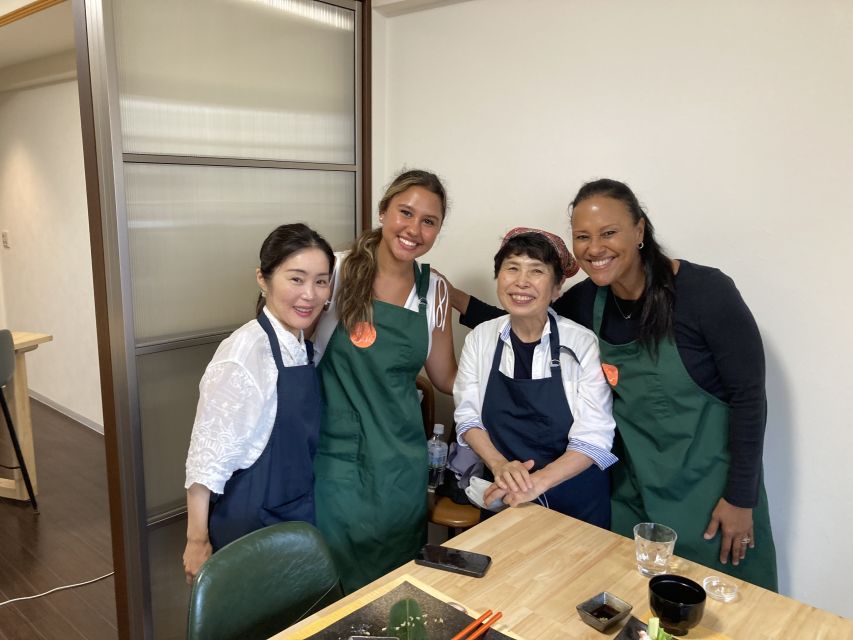
Names that come up in reviews include Yoshi, Yoko, Ami, Eriko, and Naomi. You might have one lead instructor with another assisting, but the vibe is hands-on and responsive rather than lecture-heavy.
That matters because sushi is timing-sensitive. Rice texture, nori handling, and topping placement all benefit from real-time correction. This class seems built for that.
Should You Book the Osaka Sushi Class in Dotonbori?
Book it if you want a practical sushi experience that ends in a plate of what you made. This is one of those “learn a real technique, then eat the proof” activities. The small group, English instruction, and focus on nigiri + oshizushi make it feel more than a tourist workshop.
Skip it (or consider something else) if your main goal is a tasting-only experience or you specifically want heavy fish-cutting skills led by an expert. From the class style described here, the emphasis is on beginner-friendly building and shaping.
If you do book, arrive a little early, press room 202 at Cooking Sun Osaka using the 呼出 call button, and give yourself a few minutes to find the spot. Then go in hungry. You’re going to want room for the sushi you create.
FAQ
How long is the Osaka sushi class?
The class runs for 3 hours.
What sushi types will I make?
You’ll make three types: salad roll, nigiri, and oshizushi (pressed box sushi).
Is the class taught in English?
Yes, the instructor teaches in English.
What is included in the price?
The price includes all the ingredients for making the sushi.
Can I request vegetarian or gluten-free options?
Yes. You can leave a note upon booking for a vegetarian option or a gluten-free option.
How big is the group?
The class is a small group limited to 8 participants.