REVIEW · OSAKA
Cooking Ramen&Gyoza/KatsuCurry/Bento/Okonomiyaki+Store Tour@Osaka
Book on Viator →Operated by Osaka Cooking Base · Bookable on Viator
Food class around Tenmangu never feels like a tourist trap. This Osaka Cooking Base experience mixes a short local shop walk with a hands-on cooking lesson where you pick what you’ll make.
What I like most is the focus on real technique, taught in a way you can actually repeat later. The instructor I kept hearing good things about—Rie—helps you nail the steps, and the class runs in English so nothing important gets lost.
One possible drawback: the shop part is more about seeing how locals buy and think about ingredients than a full, step-by-step shopping spree for every item you’ll use. If you’re expecting to personally purchase all ingredients along the way, set expectations.
In This Review
- Key things to know before you go
- Tenmangu-area shop walk: seeing the food culture up close
- Picking one Osaka classic: katsu curry, bento, okonomiyaki, or ramen & gyoza
- Okonomiyaki
- Bento
- Katsu curry
- Ramen & gyoza
- Rie’s English instruction: learn the technique, not just the steps
- What you actually eat: the meal payoff feels real
- The shop walk vs. ingredient shopping: a subtle expectation check
- Timing and logistics: about 3 hours and easy to find
- Price and value: what $85.89 buys you in Osaka
- Who this tour suits best (and how to get the most out of it)
- Should you book Osaka Cooking Base?
- FAQ
- What dishes can I cook on this Osaka Cooking Base experience?
- How long does the experience take?
- Where do we meet, and do we return there?
- Is the class taught in English?
- Is this a private tour?
- Do I need good weather?
- What about dietary restrictions or allergies?
- How does cancellation work?
Key things to know before you go
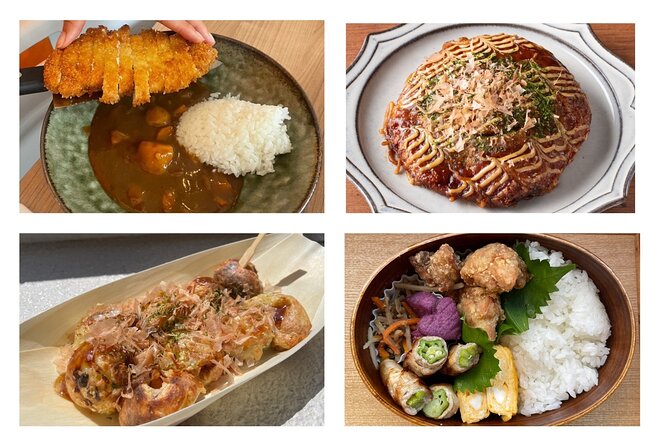
- Choose your dish: katsu curry, bento, okonomiyaki, or ramen & gyoza
- Start at Tenmangu-area shops for a quick but meaningful local-food orientation
- Small-group feel with time for questions and technique feedback
- English instruction designed to help you cook confidently at home
- Warm, social setting where locals and visitors mix over food
- Private booking for your group while still keeping the experience lively
Tenmangu-area shop walk: seeing the food culture up close
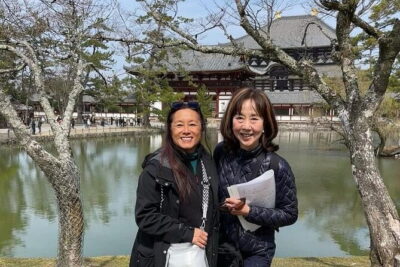
The experience begins with a guided walk through smaller, traditional shops near Osaka Tenmangu Shrine. This part matters more than it sounds. Osaka is a food city, but most visitors only see restaurants and menus. Here, you get a look at the other side: where ingredients come from and how locals think about seasonal choices.
You’ll meet friendly shop owners and get time to ask questions. Even if you don’t speak Japanese (the class is taught in English), you’ll still get plenty of context. People running these shops deal with the daily rhythms of cooking, so questions like what’s in season or why one ingredient is chosen over another usually land well.
This walk also gives you a mental map of the area. By the time you reach the kitchen, you understand what you’re about to cook, not just the recipe. That helps with details later—textures, seasoning timing, and even why certain sauces and toppings show up in specific dishes.
Practical tip: wear shoes you’re happy to walk in. The shop streets are part of the “local” feel, so plan for a bit of strolling before the cooking starts.
You can also read our reviews of more shopping tours in Osaka

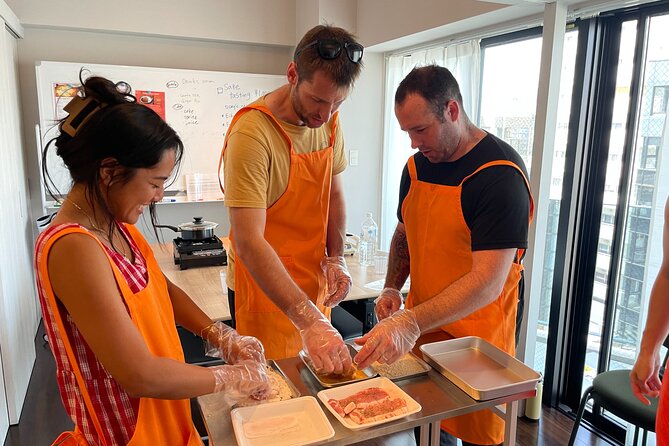
Picking one Osaka classic: katsu curry, bento, okonomiyaki, or ramen & gyoza
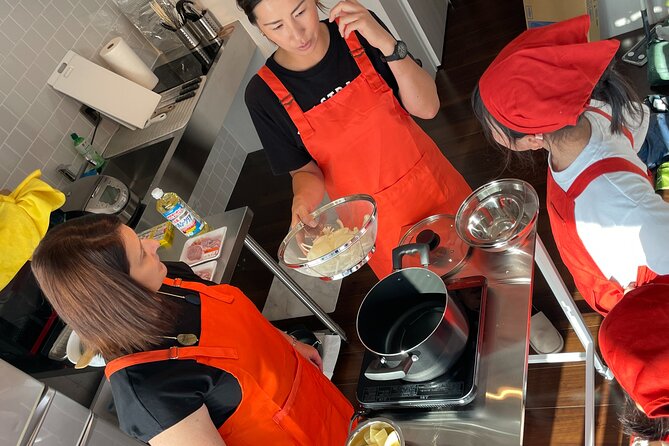
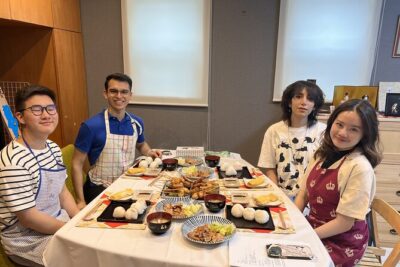
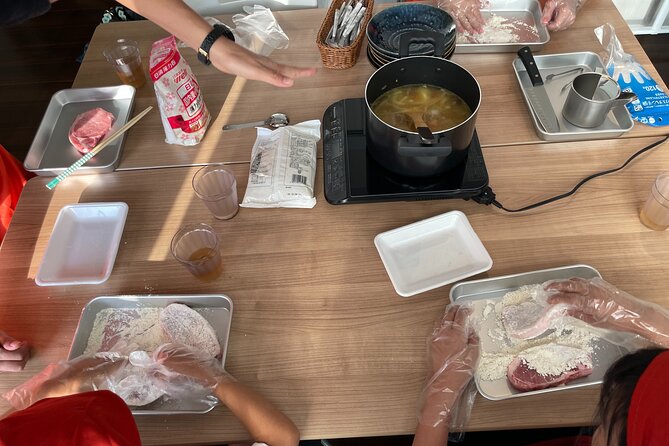
After the shop walk, you move into the cooking session. This is where you get to steer the experience. Instead of a one-size-fits-all menu, you choose what dish you want to cook from four options:
- Okonomiyaki
- Bento
- Katsu curry
- Ramen & gyoza
That choice is a big value point. Osaka has plenty of famous street foods, but it’s easy to leave a trip feeling like you only sampled. Cooking one dish gives you a deeper, repeatable skill. And because the lesson is designed to be beginner-friendly, you’re not signing up for a culinary exam.
Here’s how each option changes the vibe:
Okonomiyaki
Okonomiyaki is a hands-on, timing-heavy dish—mixing, cooking, and building the right texture. It’s also the kind of meal where you learn what “right” looks like in real life, not just in a photo.
Bento
Bento tends to teach you organization: how to portion, assemble, and think about balance. Even if your Japanese practice is basic, the “build” mindset is easy to understand and fun to apply at home.
Katsu curry
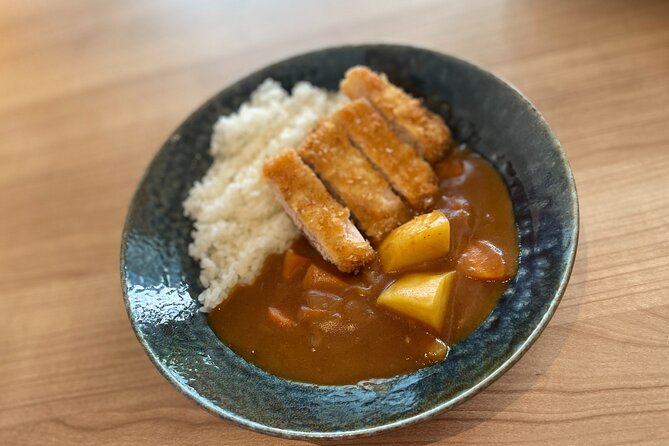
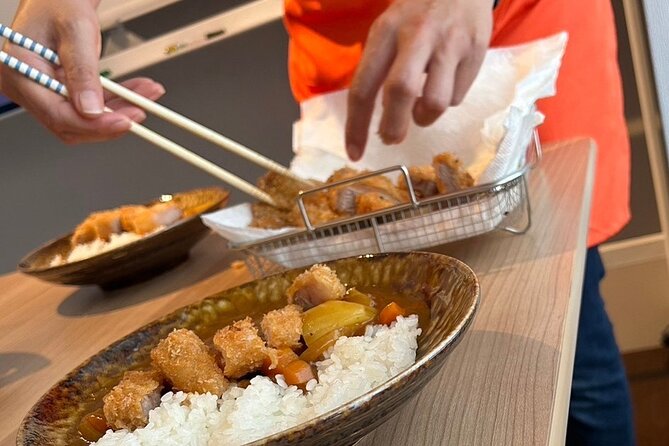
Katsu curry is comfort food with structure. You’ll learn how to treat the cutlet and how to handle the curry so it coats properly. This is also a popular choice for families because the process is clear and satisfying.
You can also read our reviews of more cooking classes in Osaka

Ramen & gyoza
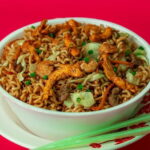
This option turns the class into a full meal experience. You’ll be working on two components—so you get more than one technique category in one session. It’s great if you want maximum “I can do this later” momentum.
Small-group advantage: the format supports more interaction and feedback from the instructor, which is key when you’re learning how to control heat, doneness, and seasoning.
Rie’s English instruction: learn the technique, not just the steps
The cooking lesson is taught in English, and the recipes are aimed at beginners. That doesn’t mean it’s dumbed down. It means the important parts—timing, texture cues, and common mistakes—are explained clearly.
In the class, you’ll get personalization. That’s the difference between watching someone cook and learning to cook yourself. One standout detail from the experience format is the way instructors give feedback as you go. When you can adjust immediately, you avoid the classic problem of finishing a dish that’s almost right—but not quite.
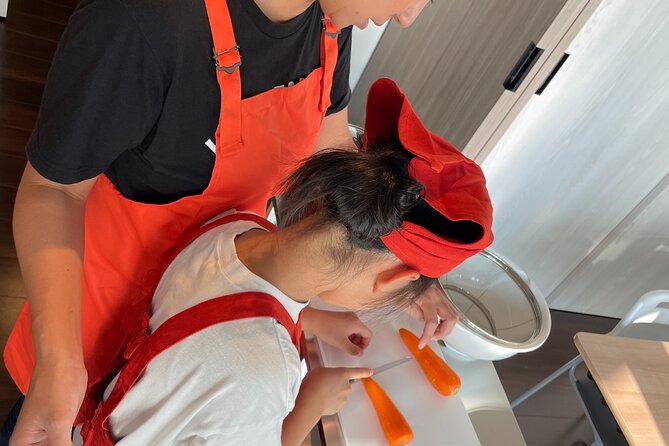
If you’re traveling with kids or teens, this teaching style tends to work well. The learning is practical and the results are immediate. You’re not just making food; you’re building confidence step by step.
What you’ll want to do: listen closely during the early stages, especially when the instructor talks about heat control and consistency. Those are usually the points that separate tasty from great.
What you actually eat: the meal payoff feels real
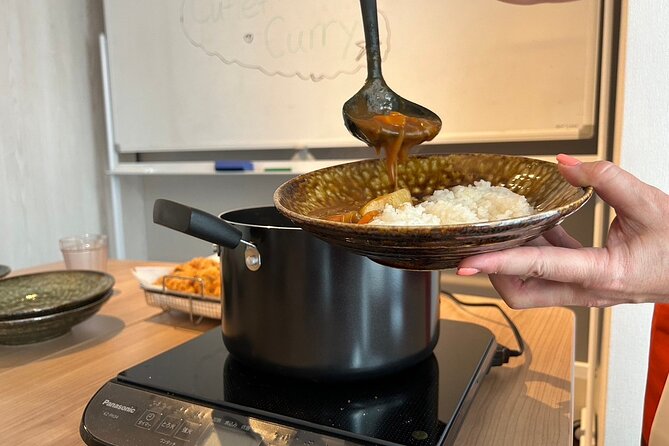
This tour isn’t just about cooking. It ends with you eating what you make. That turns the class into a full value package: learn, cook, and sit down to enjoy your own output.
The dishes are filling and designed to satisfy. Even people who come just to try a famous Osaka flavor often leave feeling like they did more than “check a box.”
One reason it works well is that the class is small enough to keep things moving. You get enough time to participate, but the schedule stays tight. That means the food shows up with energy, not with the tired, end-of-day feeling that sometimes happens in longer classes.
Also, because the recipes are meant to be recreated at home, you’ll likely find yourself thinking about the dish later—not just remembering it vaguely. That’s one of the best souvenirs you can bring back.
The shop walk vs. ingredient shopping: a subtle expectation check
I want to call out a nuance that could matter depending on what you want from the morning/afternoon.
The walk near Tenmangu Shrine is described as an introduction to local shopping and cooking culture. You’ll meet shop owners, learn about seasonal ingredients, and get glimpses into daily habits. It’s also a chance to taste and ask questions.
But this is not presented as a full ingredient-purchase tour where you do all your shopping for every recipe item yourself. So if your goal is to buy every single ingredient in-person to replicate the exact setup at home, you might be slightly disappointed.
That said, the cultural value is still there. You’re learning how locals approach food: what matters, what changes with the season, and what ingredients are worth focusing on.
How to handle it: if you want to shop after the class, ask your instructor what items are easiest to source back home and which ones are worth hunting for. The “why” behind ingredients is often more useful than carrying a bag of the exact same brands.
Timing and logistics: about 3 hours and easy to find
Plan for around 3 hours total. The experience includes the guided walk plus the cooking lesson, which typically runs about 2.5–3 hours for the cooking segment.
The meeting point is:
1-chōme-17-10 Tenjinbashi, Kita Ward, Osaka, 530-0041, Japan
It ends back at the same meeting point.
You’ll get a mobile ticket, and the tour is near public transportation. Confirmation happens at booking, and it’s designed so you can arrive without a complicated scavenger hunt.
This is also set up as a private tour/activity—meaning only your group participates. That can be a real comfort if you prefer a calmer experience than a big, mixed crowd.
Price and value: what $85.89 buys you in Osaka
At $85.89 per person, you’re paying for more than the meal. You’re paying for three things that are hard to recreate on your own:
- A guided introduction to local shops and seasonal ingredient thinking
- A hands-on cooking lesson in English with feedback
- The dish itself, plus the skill to repeat it at home
Cooking classes vary a lot in what they include. In this format, you’re not just watching someone else work—you’re doing the cooking. And because you can choose among katsu curry, bento, okonomiyaki, or ramen & gyoza, you can pick the dish that matches your Osaka plan (street food craving vs. a comfort-food classic vs. a full dinner build).
If you like learning a technique you can use long after the trip, this tends to feel fair. If you only want a quick taste and aren’t interested in cooking, you might find you could get a similar flavor experience at a restaurant for less. But if cooking is the point, the price lines up with the time, instruction, and meal payoff.
Who this tour suits best (and how to get the most out of it)
This experience is a strong fit if you want:
- A practical way to bring Osaka home with you
- A beginner-friendly class where you’re not afraid to try
- A family-friendly activity that keeps teens and kids engaged
- A combination of local-food culture + real cooking skills
It’s also a great match if you like food learning that feels human—shop owners, everyday routines, and a kitchen where people talk through what they’re doing.
Before you book, do this:
- If you have allergies or dietary restrictions, consult in advance.
- Choose the dish that you’ll genuinely cook again later. The best option is the one you’re already craving.
Should you book Osaka Cooking Base?
If you’re the kind of traveler who likes more than eating—someone who wants to understand why dishes work—you should book this. The shop walk gives you a local baseline, and the cooking class turns that into a skill you can recreate.
I’d think twice only if you want a full ingredient-buying expedition, or if you’re strictly looking for a quick restaurant-style snack. For everyone else, this is a smart way to spend a few hours in Osaka: hands-on, guided, and tied directly to dishes people actually eat.
FAQ
What dishes can I cook on this Osaka Cooking Base experience?
You can choose one of four dishes: okonomiyaki, bento, katsu curry, or ramen & gyoza.
How long does the experience take?
The total experience time is about 3 hours, with the cooking class portion listed as around 2.5–3 hours.
Where do we meet, and do we return there?
You start at 1-chōme-17-10 Tenjinbashi, Kita Ward, Osaka, 530-0041, Japan, and the activity ends back at the meeting point.
Is the class taught in English?
Yes. The cooking class is taught in English.
Is this a private tour?
This is a private tour/activity. Only your group will participate.
Do I need good weather?
Yes. The experience requires good weather. If it’s canceled due to poor weather, you’ll be offered a different date or a full refund.
What about dietary restrictions or allergies?
If you have food allergies or dietary restrictions, you should consult with the provider in advance.
How does cancellation work?
Free cancellation is available up to 24 hours in advance for a full refund. Changes within 24 hours of the start time aren’t accepted, and cancellation less than 24 hours before the experience start won’t be refunded.