REVIEW · OSAKA
Osaka Home Feast Cooking and Sake Experience
Book on Viator →Operated by MagicalTrip Inc. · Bookable on Viator
That first grocery walk sets the tone. You start in Osaka with an English-speaking local, then move from a Japanese supermarket straight into a hands-on cooking studio for an izakaya-style feast paired with sake.
I especially love two parts: the supermarket ingredient hunt where you help pick Osaka-style takoyaki fillings, and the way guides like Chie (and Nina in one experience) share context and answer questions as you cook. One thing to consider is that this is an active, 3-hour class, so you’ll want to show up ready to chop, mix, and cook rather than just watch.
In This Review
- Quick take: what makes this Osaka home feast special
- A 4:30 pm start that makes dinner planning feel easy
- FamilyMart meeting point and why the small group (7 max) matters
- The supermarket run: how an Osaka grocery visit becomes part of the lesson
- The cooking studio setup: aprons, teamwork, and a pace that stays fun
- Early bites you’ll taste while you work (and why that matters)
- Making crispy takoyaki the Osaka way
- Chicken with green onion, mayo, and ponzu: the home izakaya plate
- Sake pairing and the taku-nomi home-drinking vibe
- Eating your work: building an izakaya meal, not just finishing a class
- The downloadable recipe pack: turning an evening out into home cooking
- Price and value: is $91.04 a good deal here?
- Who should book the Osaka Home Feast cooking and sake experience?
- Should you book this Osaka Home Feast experience?
- FAQ
- FAQ
- How long is the Osaka Home Feast cooking and sake experience?
- Where do I meet for the experience?
- What time does the tour start?
- Is the guide English-speaking?
- What do we do during the tour?
- What dishes are included?
- Is sake included?
- How many people are in the group?
- Do I get recipes to take home?
- What is the cancellation policy?
Quick take: what makes this Osaka home feast special
- Grocery run first: you shop for real ingredients in a local supermarket before you cook
- Small group feel: capped at 7 travelers, so it stays friendly and practical
- Takoyaki focus: you make crispy Osaka-style takoyaki from the ingredients you picked
- Izakaya menu pacing: early bites like cabbage and wasabi tuna salad, then the hot mains
- Sake pairing included: you sip handpicked sake while you eat what you cooked
- Recipe pack after: you get downloadable recipes to recreate the meal at home
A 4:30 pm start that makes dinner planning feel easy
This is built for the pre-dinner window. You start at 4:30 pm, which is perfect if you’ve been wandering Osaka all day and want a built-in plan for your evening meal. The timing also keeps the experience from dragging: in about 3 hours, you’re shopping, cooking, eating, and leaving with recipes.
If you like travel days that feel structured but not rigid, this hits the sweet spot. You won’t be waiting around for ages in a classroom. You’ll be up and moving because the class is designed around cooking steps and tastings.
You can also read our reviews of more food & drink experiences in Osaka


FamilyMart meeting point and why the small group (7 max) matters
You meet at FamilyMart Minamimorimachi station South side, 530-0041 Osaka, Kita Ward, Tenjinbashi 2-chōme 310 1F. The tour ends back at the meeting point, so you’re not stuck navigating your way out alone.
The group limit is a big deal: up to 7 travelers means you’re more likely to get real guidance, quick feedback, and time to ask questions. One review notes a solo booking, and it stayed fun rather than awkward. Another experience praises how welcoming the guide was from start to finish. That matches the vibe you’re going for: a relaxed cooking evening that still feels coached.
The supermarket run: how an Osaka grocery visit becomes part of the lesson
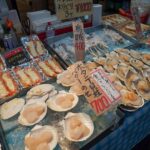
The evening starts like a real home cook’s plan. You stroll to a nearby Japanese supermarket with your English-speaking guide. Then you do something that most cooking classes skip: you actually look at ingredients first, and you make choices.
Here’s what you can expect to work on:
- Brainstorming takoyaki fillings: you’ll think through options in true Osaka style
- Reading labels and spotting unfamiliar items: your guide helps you figure out what you’re buying and why
- Buying ingredients at local pace: you’ll experience how shopping works here, including the typical way people handle their own bags and purchases
One of the best review takeaways is that this part doesn’t feel like filler. It’s described as a nice way to see Japan up close, especially because the shopping process itself felt different from what people know back home. You’re not just collecting items for a recipe—you’re learning what the local version looks like, from produce to condiments to the staples that make the food taste right.
My practical advice: come with questions. Even basic ones like what a sauce does, or what makes takoyaki “Osaka style,” will turn into useful answers once you’re standing in front of the actual ingredients.
The cooking studio setup: aprons, teamwork, and a pace that stays fun
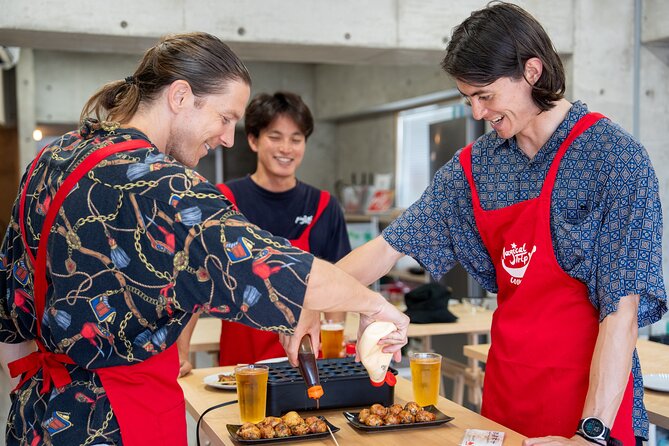
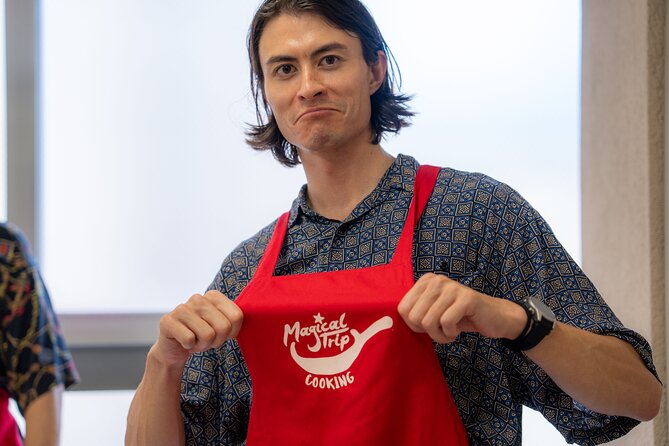
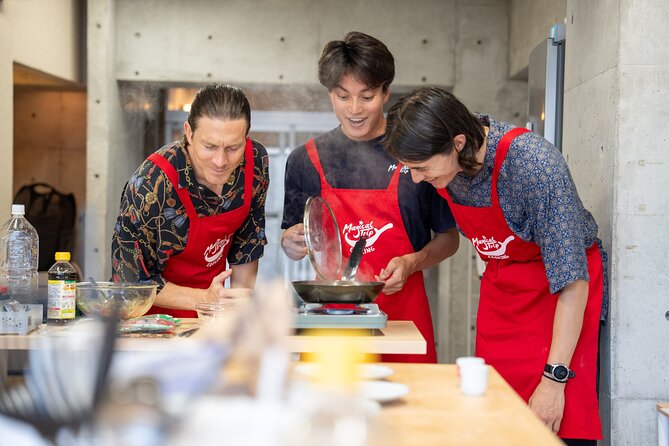
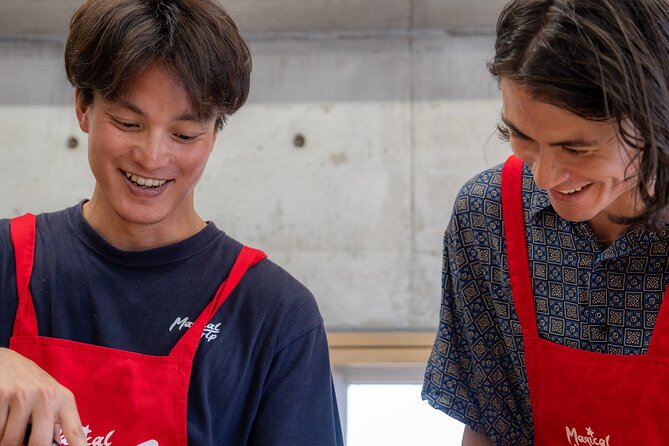
After the grocery run, you head to a cozy cooking studio and put on your MagicalTrip apron. This is where the experience shifts from browsing to doing: mixing, cooking, and learning by repetition.
This part is worth paying attention to because it affects your enjoyment. A good class teaches you just enough technique to feel confident, without turning it into a test. From the descriptions and the feedback on how welcoming and not typical the class felt, the studio time seems designed for comfort. You’re cooking in an izakaya rhythm—small plates, tastings while you work, and then the main wave of the meal.
Also, your group size helps again here. With fewer people, you’re less likely to get stuck waiting while someone else finishes chopping or cooking.
Early bites you’ll taste while you work (and why that matters)
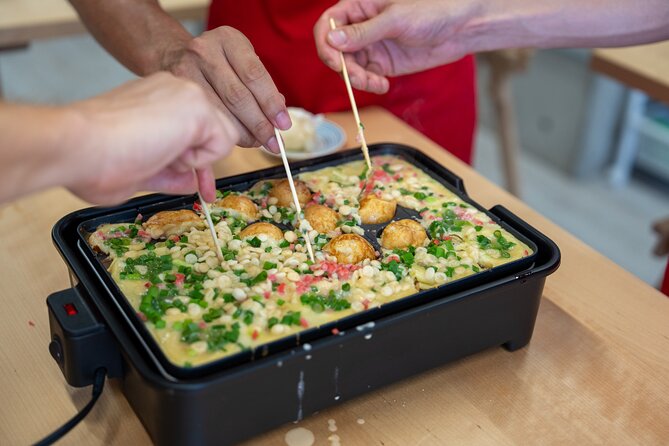
Before the hot action ramps up, you’ll start with lighter tastings. The menu includes items like Mugen Cabbage and Wasabi Tuna Salad as you cook.
Why I like this structure: it keeps your brain engaged. You’re not only thinking about later dinner—you’re sampling and learning flavor balance during the process. Wasabi tuna also makes a strong point about Japanese home cooking: you don’t need a huge complicated dish to make something feel special. It’s often about the right seasoning and a clean balance of heat, salt, and freshness.
This early-bite phase also gives you a chance to adjust. If you realize you like more wasabi, you’ll carry that instinct into later steps when you’re handling sauces and toppings.
You can also read our reviews of more drinking tours in Osaka




Making crispy takoyaki the Osaka way
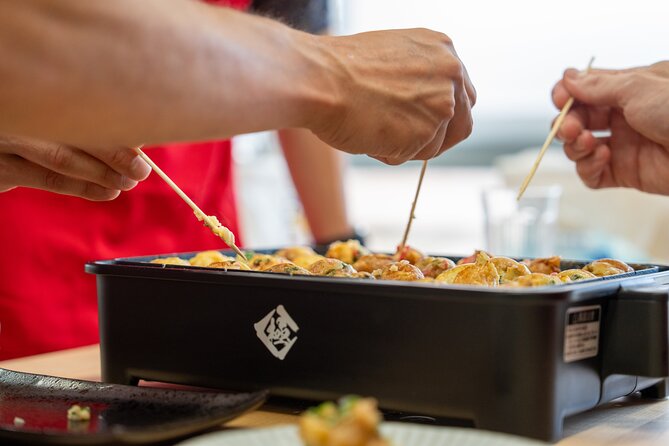
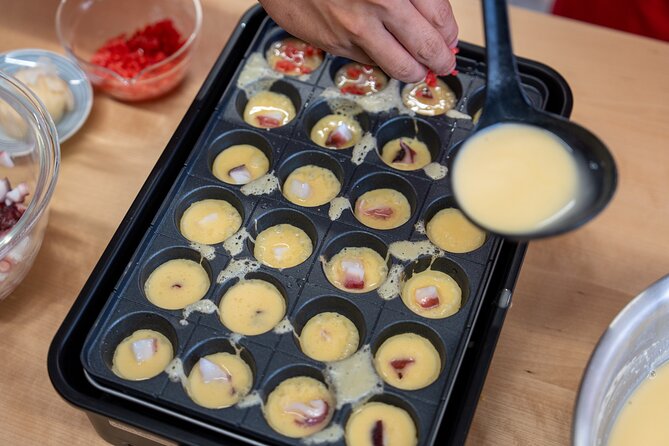
The star of the meal is crispy takoyaki. And the key detail here is that you’re not just following a worksheet. You’ve already brainstormed fillings during the supermarket stop, so when you start cooking, you’re building your own version of the dish.
Takoyaki is all about texture:
- the batter and cooking time determine crispness
- the filling choices change the aroma and bite
- toppings add the final layer, and that’s where the flavor comes together
In class, you learn the workflow of turning raw ingredients into those round, crisp bites. You also get the satisfying part: tasting what you make while it’s still fresh from the pan. If you like hands-on food moments, this is where the experience delivers.
Tip for your photos: focus on the moment the takoyaki comes out and you add toppings. That’s the transformation you’ll want to capture.
Chicken with green onion, mayo, and ponzu: the home izakaya plate
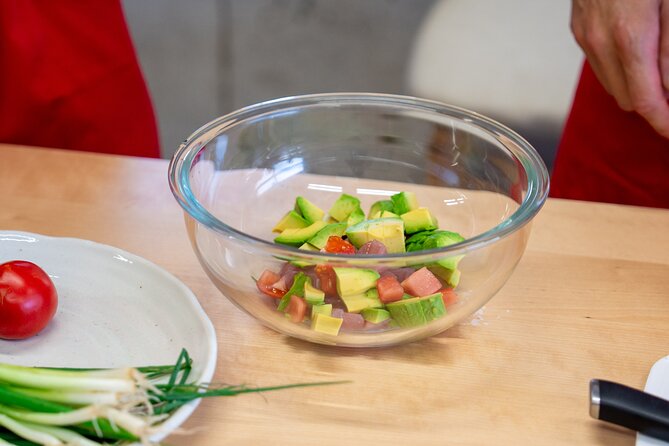
After takoyaki, you’ll move into another main you can actually picture eating at a neighborhood izakaya. You’ll cook chicken with green onion, mayo, and ponzu.
This dish is a smart pairing to learn because it’s a real-world flavor combo. Mayo adds body and a gentle creaminess. Ponzu brings brightness and tang, which keeps it from feeling heavy. Green onion adds a fresh bite that makes the whole plate feel lighter than the name suggests.
Even if you’re not a chicken person, this is the kind of dish that translates well to home cooking. You can adjust portion sizes, swap similar cuts, and still keep the same flavor logic. It’s not just about learning one recipe; it’s about learning how Japanese seasoning behaves in real kitchens.
Sake pairing and the taku-nomi home-drinking vibe
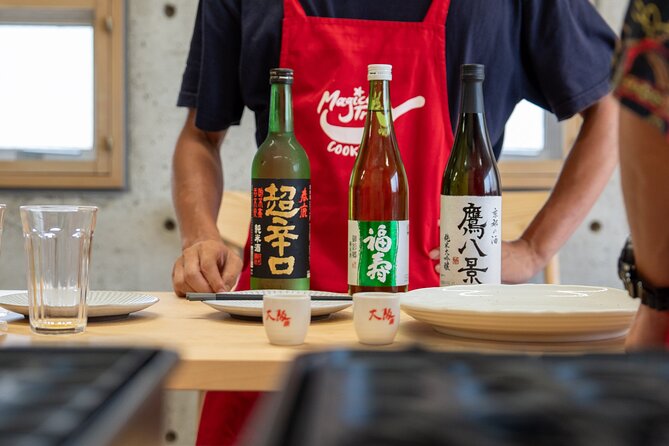
You’ll be sipping drinks while you cook and eat. The experience includes handpicked sake pairings, and it also mentions beer or soft drinks if you prefer not to do sake for the whole experience.
This matters because sake pairing isn’t just a label on a bottle. The point is to taste alongside the food so you can notice what changes. You’ll likely find the cleaner, lighter notes of sake work well with savory, saucy dishes like takoyaki and with the sharper edge of ponzu.
The class is described as having a relaxed taku-nomi vibe—home drinking with friends energy rather than formal tasting. That style is usually easier to enjoy if you’re new to sake. You don’t need a deep background. You just need curiosity and a willingness to compare bites with sips.
Eating your work: building an izakaya meal, not just finishing a class
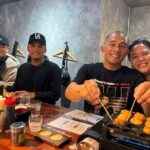
Once everything’s cooked, you enjoy the full spread in a relaxed atmosphere. This is one of the reasons the experience seems popular: it’s not about rushing through a demonstration and leaving. You sit down, taste your own food, and take the evening seriously as a meal.
Based on the feedback, the guides don’t only teach cooking. They also talk about Japan and answer questions about the country. One review highlights history lessons alongside cooking, which turns your meal into something more meaningful than dinner alone.
Practical expectation: you’ll want to pace yourself. If you drink sake while cooking, take small sips and keep returning to the food. That’s the best way to notice pairing rather than just tasting everything at once.
The downloadable recipe pack: turning an evening out into home cooking
Before you go, you get a downloadable recipe pack. For me, this is where the value really sticks. A lot of cooking classes are fun in the moment, then fade when you get home. A recipe pack helps you recreate the meal and keeps you from forgetting the ingredient logic.
Even better: you’re not just collecting names of dishes. You learn the process behind key steps—especially takoyaki and the chicken with mayo and ponzu—so the recipes feel doable, not mysterious.
If you’re the kind of person who likes hosting, this is the easiest way to bring Osaka flavors to your own table. You’ll have an organized set of recipes to share with friends, plus the memory of how the food tasted when it was freshly cooked.
Price and value: is $91.04 a good deal here?
At $91.04 per person for about 3 hours, this isn’t a cheap snack. But it’s not overpriced in the way “tourist cooking class” options sometimes are either.
Here’s where the price earns its keep:
- you get guided shopping in a Japanese supermarket, not just cooking at a studio
- you cook a full set of izakaya dishes, including takoyaki and a ponzu-based chicken plate
- sake pairing (plus beer/soft drinks) is built in, which adds real cost and enjoyment
- the class is small, capped at 7, which usually means better attention
- you receive a recipe pack to reuse later
If you enjoy hands-on cooking, eating what you make is the point—not just watching. For that style of traveler, this feels like a solid value.
Who should book the Osaka Home Feast cooking and sake experience?
This is a great fit if:
- you want an Osaka food experience that’s more than eating—you want to cook
- you’re curious about Japanese home cooking flavors like ponzu, mayo, and wasabi
- you like sake pairing but don’t want a stiff, formal tasting setup
- you want a smaller group evening with an English-speaking guide who will answer questions
It may be less ideal if:
- you hate active tasks like chopping and cooking
- you want a purely educational tour with no hands-on prep
- you prefer a longer food crawl over a focused cooking session
Should you book this Osaka Home Feast experience?
I’d book it if you want a practical, delicious way to understand Osaka food culture. The supermarket-to-studio structure makes it feel grounded in real daily life, and the menu hits classic home-izakaya favorites like takoyaki and ponzu chicken. The pairing with sake in a casual taku-nomi style is a bonus, not a barrier.
I’d skip it if you’re only chasing sightseeing and you don’t want to cook at all. Also, if you’re very picky about drinking, remember sake is part of the experience, though beer and soft drinks are mentioned as options.
FAQ
FAQ
How long is the Osaka Home Feast cooking and sake experience?
It lasts about 3 hours.
Where do I meet for the experience?
You meet at FamilyMart Minamimorimachi station South side, Osaka (530-0041), Kita Ward, Tenjinbashi 2-chōme 310 1F.
What time does the tour start?
The start time is 4:30 pm.
Is the guide English-speaking?
Yes. The experience is described as being guided by an English-speaking local.
What do we do during the tour?
You meet the guide, go to a nearby Japanese supermarket, then head to a cooking studio to prepare izakaya-style dishes and eat what you made.
What dishes are included?
The described menu includes Mugen Cabbage, Wasabi Tuna Salad, crispy takoyaki, and chicken with green onion, mayo, and ponzu.
Is sake included?
Yes. You’ll have sake pairings, and the experience also mentions beer or soft drinks as options.
How many people are in the group?
The tour has a maximum of 7 travelers.
Do I get recipes to take home?
Yes. You get a downloadable recipe pack.
What is the cancellation policy?
You can cancel for free up to 24 hours in advance for a full refund. Cancellation changes made less than 24 hours before the start time are not refunded.