REVIEW · OSAKA
Osaka Sushi Cooking Class “Learn here and make it at home”
Book on Viator →Operated by WashokuYanen · Bookable on Viator
Rice, seaweed, and real skills in 3 hours.
This class is interesting because you learn both maki sushi and temari sushi step by step, then eat what you make, instead of just watching. I also really like that the instruction comes with flexible language support from fluent English/Japanese/Spanish instructors, so you can follow even if your Japanese is rusty. One consideration: sake and beer are only for ages 20 and up, so younger travelers will stick to soft drinks.
You’ll spend most of the time cooking (about 1.5 hours of hands-on work) in a kitchen that’s calm even though it’s very central. The group is capped at 8 people, and the location is an easy 5-minute walk from both Shinsaibashi and Honmachi stations—perfect if you’re already doing Osaka shopping and food stops. Expect a small-group feel with a relaxed tasting hour afterward, including sake, beer, and pop.
In This Review
- Key Things I’d Put on Your Radar
- What You’re Actually Paying For at This Osaka Sushi Class
- Finding the Kitchen: A Quick Walk From Shinsaibashi and Honmachi
- The 30-Minute Orientation: Why the Start Matters
- Cooking Time (About 1.5 Hours): Making Maki Sushi the Practical Way
- Temari Sushi Workshop: Bite-Sized, Cute, and Surprisingly Learnable
- Tasting With Drinks: The Part That Makes It Feel Like a Meal
- Instructor Support: English, Spanish, and Japanese When You Need It
- Where This Class Fits in Your Osaka Itinerary
- Value Check: Why $70 Makes Sense Here
- Who Should Book This (and Who Might Skip It)
- Tips for Getting the Best Results at Home
- Should You Book This Osaka Sushi Cooking Class?
- FAQ
- What sushi dishes will I learn to make?
- How long is the cooking class?
- Is alcohol included?
- What languages do the instructors speak?
- Do I need to bring ingredients or cooking tools?
- How big is the group?
Key Things I’d Put on Your Radar
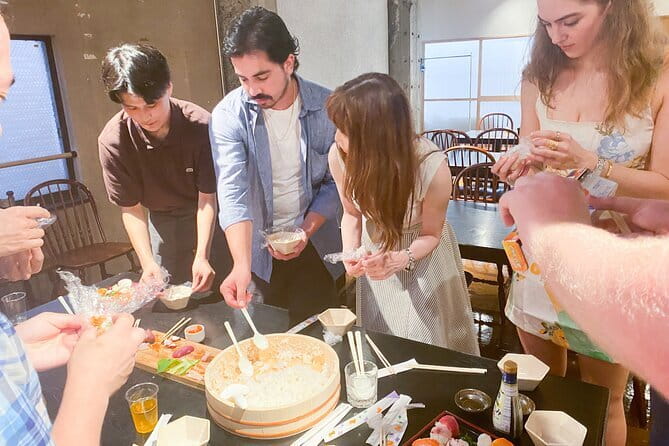
- Two sushi styles, not one: you’ll make maki rolls and temari sushi (bite-sized rice balls).
- Real instructor help: you get English speaking guidance, with Spanish and Japanese support available on request.
- Everything supplied: tools, ingredients, aprons, and disposable gloves are included, so you show up ready to cook.
- Taste + drinks at the end: you’ll sit and eat your results, with sake, beer, and soft drinks.
- Central but quiet: it’s near Shinsaibashi and Honmachi, yet the neighborhood is described as peaceful.
- Manageable group size: a maximum of 8 travelers makes it less rushed and easier to ask questions.
What You’re Actually Paying For at This Osaka Sushi Class
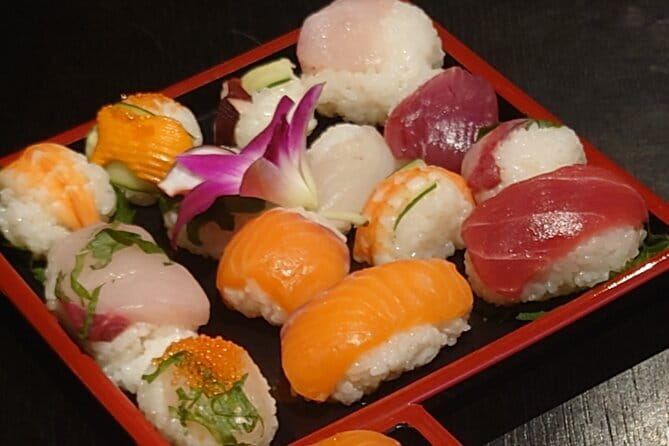
At $70 per person for about 3 hours, you’re not just buying a recipe card. You’re paying for guided technique, a kitchen setup, and all the ingredients and tools that can be surprisingly hard to source on your own.
That matters in sushi class land. Rolling sushi well is part timing, part feel, and part knowing how to handle rice. In this format, you practice under instruction, then you eat right away. Even if you love Japanese food already, learning the mechanics is the real value.
There’s also a built-in reward: the tasting hour comes with drinks, including sake and beer (with an age rule), plus soda/pop. So you’re getting a full experience, not only a cooking lesson.
You can also read our reviews of more cooking classes in Osaka

Finding the Kitchen: A Quick Walk From Shinsaibashi and Honmachi
The meeting point is in Minami-Senba (south Osaka), and the kitchen is described as just about a 5-minute walk from both Shinsaibashi and Honmachi stations on the Osaka Metro. That’s a practical sweet spot: you can roll in before dinner plans, then still have energy for a night out.
The area is said to be centrally located but quiet and peaceful, which I appreciate. Sushi classes do better when you can focus, not when you’re fighting crowds on top of cooking rice. If you’re pairing this with other activities, think “easy transit, low stress.”
The tour uses a mobile ticket, which is handy when you’re hopping around Osaka and don’t want extra paperwork.
The 30-Minute Orientation: Why the Start Matters
The class begins with about 30 minutes of orientation and preparation. This is where you get the rules of the game: what you’ll make, how the workflow will run, and what each ingredient role is.
That early structure is useful because sushi can feel intimidating at first. Rice temperature, how you spread ingredients, and how you keep things from getting sticky are all things you’ll learn before your hands get busy.
Also, orientation is when you learn how your instructors will guide you. With instructors fluent in English, Japanese, and Spanish (Spanish and Japanese upon request), it’s easier to ask quick questions if something feels off.
Cooking Time (About 1.5 Hours): Making Maki Sushi the Practical Way
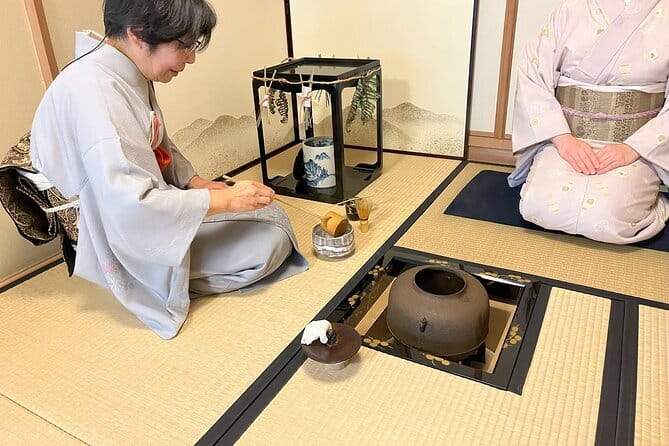
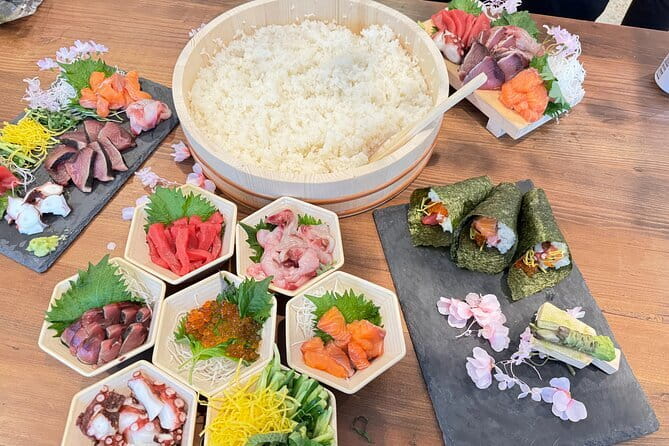
You’ll spend roughly 1 hour 30 minutes hands-on, with maki sushi as one of the core projects. Maki is the classic sushi roll: rice plus fish and vegetables, wrapped inside seaweed.
The advantage of learning maki in a class like this is that you get direct correction in real time. Rolling pressure, alignment, and even how you slice later can make the difference between a roll that looks tidy and one that unravels.
If you’ve ever tried making sushi at home, you know the sticky rice problem. One review highlights that the temari shaping is straightforward with simple tools like plastic wrap, and that kind of practical setup usually extends to how your workstation is arranged. Translation: the process is designed to keep you moving without turning your kitchen into a rice disaster.
I’d expect you’ll come away with the one or two habits that make home attempts easier. Not a vague idea of sushi—real technique you can repeat.
Temari Sushi Workshop: Bite-Sized, Cute, and Surprisingly Learnable
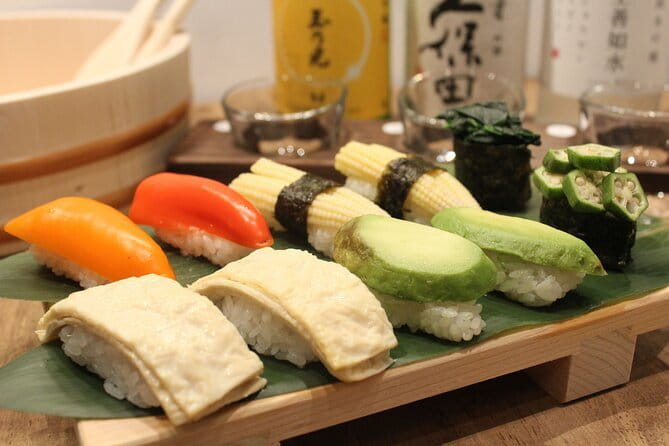
Your second dish is temari sushi—small, ball-shaped sushi topped with fish or vegetables. Temari looks adorable, but the reason it works as a class project is that it’s tactile and forgiving.
A few key things make temari a great “learn this for real” dish:
- You’re building with your hands, so you get immediate feedback.
- The shape is clear, so it’s easier to notice what needs adjusting.
- It’s bite-sized, which helps you focus on consistency rather than perfect presentation.
One family-friendly highlight from a review: kids enjoyed making temari and got a little souvenir vibe from what they created. That’s a big deal if you’re traveling with a group and want everyone to feel like they contributed something tangible.
You should also be prepared for a fun, slightly messy cooking feel. It’s not “sit still and watch.” It’s roll, shape, top, and refine—while the instructor team keeps you on track.
You can also read our reviews of more tours and experiences in Osaka

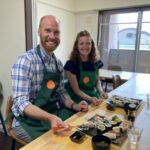

Tasting With Drinks: The Part That Makes It Feel Like a Meal
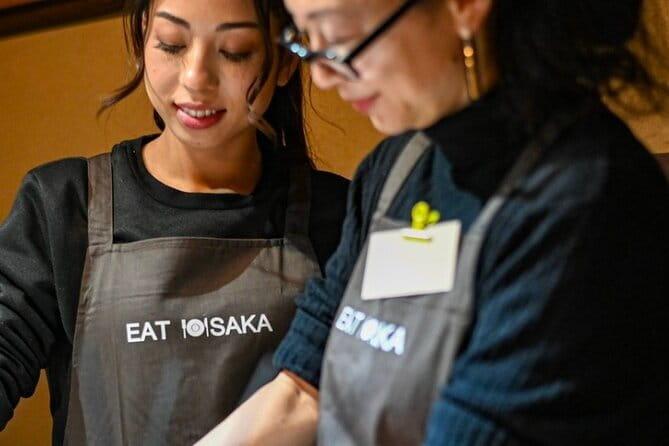
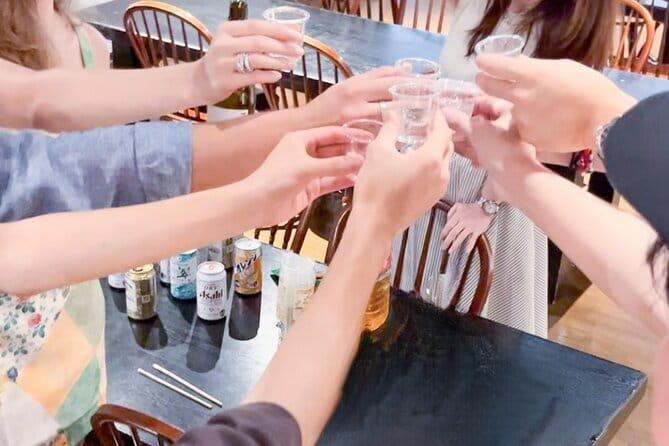
After cooking, you get a tasting period of about 1 hour, including drinks. The drinks listed include Japanese sake, beer, and soft drinks.
Two practical notes here:
- If you’re under 20, you’ll still get non-alcoholic drinks. The class specifically notes the age rule for alcohol.
- Eating what you made right away helps you connect technique to taste. You’ll notice what you nailed and what you’d tweak next time.
This is also when the class format becomes more relaxed. You’re no longer forming rice or adjusting seaweed. You get to sit, talk with your group, and enjoy your work like it’s dinner—not homework.
Instructor Support: English, Spanish, and Japanese When You Need It
This class leans on friendly, guided coaching. Instructors are fluent in English, Japanese, and Spanish, with Spanish and Japanese speaking instructors available upon request.
For me, that language flexibility is a quality-of-life upgrade. Sushi has plenty of small “do this, not that” steps, and you don’t want to guess. Even if you’re comfortable with food travel, it’s reassuring to know you can ask for clarification without feeling awkward.
Also, with a maximum group size of 8, you’re less likely to get lost in the background. In a larger class, you sometimes end up learning by waiting. Here, the setup is designed to keep you in the loop.
Where This Class Fits in Your Osaka Itinerary
Because it’s near major areas like Shinsaibashi, you can treat this as a mid-day or early evening anchor. Think: shop in the afternoon, class in the early part of dinner window, then continue exploring afterward with full stomach energy.
It’s especially good if you want an experience that’s interactive and practical. Osaka has plenty of food to eat, but not all of it turns into a new skill you can repeat later. This one does.
If you’re trying to build an Osaka trip around food culture, pairing the class with visits to local markets or casual izakaya-style meals can work well. You’ll leave with a home-cooking skill, and you’ll return to restaurants with sharper instincts for rice, fillings, and balance.
Value Check: Why $70 Makes Sense Here
Let’s be honest: $70 can feel like a lot for a cooking class—until you list what you’re actually receiving.
You get:
- All ingredients and kitchen tools
- Aprons and disposable gloves
- Instructor guidance (English speaking, plus Spanish and Japanese by request)
- A structured lesson lasting about 3 hours
- Drinks during the tasting hour, including sake and beer for eligible ages
- A small group size that supports hands-on teaching
When a class includes both instruction and the full setup, you save time and money you’d otherwise spend figuring out where to buy sushi rice, nori, fillings, and proper tools. You also avoid the frustration cost of trying once and failing.
So the money isn’t only for the “food.” It’s for coaching plus the kitchen environment that makes sushi skills stick.
Who Should Book This (and Who Might Skip It)
This is a great fit if:
- You want to bring home a real cooking skill, not just souvenirs.
- You like hands-on activities and don’t mind a little kitchen chaos.
- You’re traveling with friends or family and want an experience where everyone can participate.
- You want instruction with language support beyond basic English.
You might consider skipping if:
- You want a big sightseeing tour with lots of walking and landmark stops. This is a kitchen experience, not an Osaka highlights drive.
- You’re only interested in eating sushi and don’t care about technique. You’ll probably do just fine sampling rolls at restaurants and call it a day.
Tips for Getting the Best Results at Home
You’ll learn technique here, but you’ll get even more from a simple mindset shift.
Plan to practice once soon after you return. The rice handling and rolling habits you build in class fade fast if you wait weeks. Also, keep a note of what felt easiest. Many people struggle with one part: spreading rice, lining fillings, or tightening the roll. The class format helps you identify which one is your personal sticking point.
If you have dietary restrictions, the information says vegetarian or food allergy options require contacting the provider after booking. So don’t rely on assumption—message them and get confirmation.
Should You Book This Osaka Sushi Cooking Class?
If you want a fun, structured way to learn sushi that you can repeat at home, I think this class is an easy yes. You get hands-on time, an instructor team that can handle more than one language, and a tasting hour where your effort becomes dinner.
The main caution is the alcohol policy for travelers under 20, but that’s also clearly managed with soft drinks. If you’re comfortable making sushi with guidance and you like the idea of eating what you build, this is the kind of Osaka experience that pays you back after the trip.
FAQ
What sushi dishes will I learn to make?
You’ll learn to make two dishes: MAKI Sushi (sushi rolls) and TEMARI Sushi (bite-sized rice balls).
How long is the cooking class?
The class is approximately 3 hours, including about 30 minutes of orientation, 1.5 hours of hands-on cooking, and about 1 hour of tasting with drinks.
Is alcohol included?
Yes, sake and beer are included, along with soft drinks. Alcoholic drinks are only served to travelers 20 years old and above.
What languages do the instructors speak?
The class includes an English speaking instructor. Spanish speaking instruction is available upon request, and a Japanese speaking instructor is also available upon request.
Do I need to bring ingredients or cooking tools?
No. All ingredients and kitchen tools are provided, along with aprons and disposable plastic gloves. You just need to come ready to cook.
How big is the group?
The class has a maximum of 8 travelers.