REVIEW · OSAKA
Osaka Winery Tour with Wine Tasting & Vineyard Walk
Book on GetYourGuide →Operated by Goen Japan · Bookable on GetYourGuide
Japan and wine? It actually works.
This 2-hour Osaka-area tour takes you to Katashimo Winery, founded in 1914 and described as the oldest winery in western Japan, then pairs it with an easy town walk that moves beyond the usual crowds. I love the mix of wine education and culture you can see on the street—starting at the winery bar, then heading into a 100-year-old aging cellar that’s treated as a cultural heritage site. I also like how the tasting stays focused: you sample three local wines (plus small bites), including bottles noted as G20-selected, without turning it into a long, confusing “wine buffet.” One consideration: at just two hours, it’s not the choice for you if you want a long, slow vineyard day with lots of extra pours.
The walking portion is short but thoughtful. You get Edo-period wooden buildings, a 1,000-year-old camphor tree, and even a shrine stop, so you leave with more than just a few flavors in your notebook. English and Japanese live guiding means you can follow the stories and ask questions without guessing. If you’re not into wine culture at all, this can feel like the wrong balance. But if you like learning while you wander, it’s a very practical way to add something different to your Osaka stay.
In This Review
- Key things to know before you go
- Why Katashimo Winery feels different than most Osaka day trips
- Meeting up in front of Katashimo: the pace, the goal, and the tradeoff
- The historic cellar visit: what to pay attention to
- Edo-period streets and the 1,000-year camphor tree walk
- Three wine tastings, including G20-selected bottles: how to taste smarter
- Small bites with wine: why the food pairing actually helps
- Price and value: is $83 worth it?
- Who should book this tour (and who should skip it)
- Should you book the Osaka Winery Tour with Wine Tasting and Vineyard Walk?
- FAQ
- How long is the tour?
- How many wines will I taste?
- Are food and wine pairings included?
- What’s included with the tour besides tasting?
- Where do I meet the guide?
- Can I cancel for a refund?
Key things to know before you go
- Japan’s oldest western winery (Katashimo, 1914): a real reason to care about the place, not just a cute photo stop.
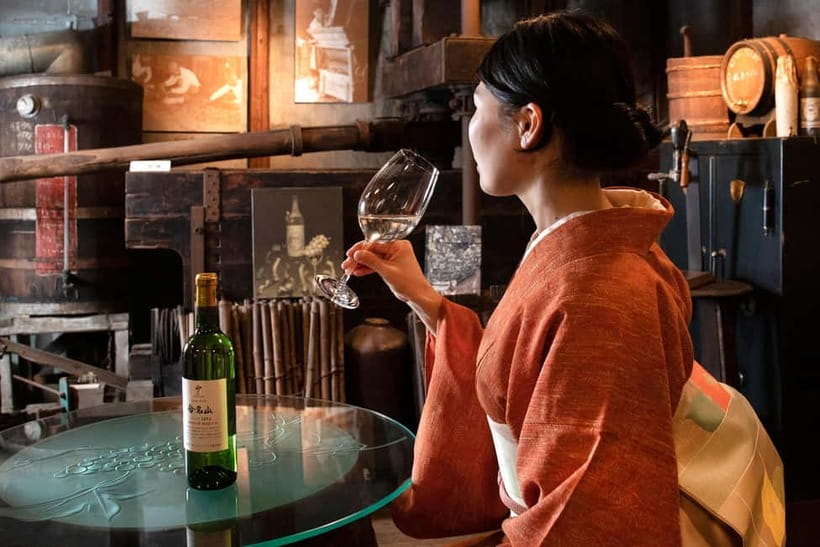
- A 100-year-old aging cellar: you taste after seeing how wine storage works over decades.
- Edo-period streets plus a 1,000-year camphor tree: history you can walk through in one compact loop.
- Three wines with small bites: enough variety to compare styles, without going overboard.
- G20-selected wines: part of the tasting theme, so you’ll hear why certain bottles earned attention.
- English or Japanese live guide: you can ask questions and get straight answers, not just captions.
Why Katashimo Winery feels different than most Osaka day trips
Osaka is famous for neon and food lines, but this tour gives you a quieter story that still makes sense in Japan. Katashimo Winery is set up for visitors, yet it doesn’t feel like a theme park. The “why” starts with the basics: it’s Japan’s oldest winery in western Japan, founded in 1914. That matters because the tour doesn’t just hand you a glass—it shows you what time does to wine.
You’ll also like the geography of it. It’s a short ride from Osaka city (about 40 minutes by train), which means you can fit it into a normal day without sacrificing your entire afternoon. In other words, you can do Dotonbori later if you want. This isn’t an either/or situation.
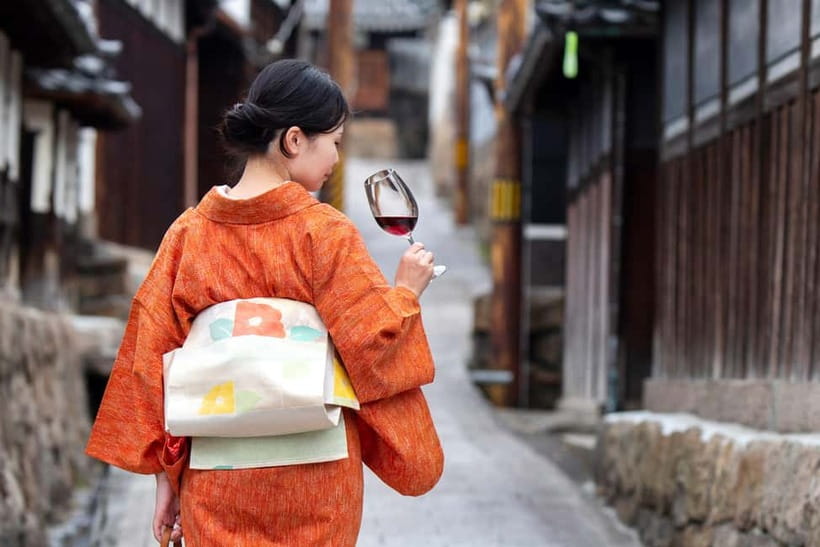
One more thing: the tour pairs wine culture with everyday town life—old wood buildings, a very old camphor tree, and shrine scenery. That combo tends to land better than wine-only tastings, because you’re never stuck in a room wondering why the place exists.
You can also read our reviews of more walking tours in Osaka


Meeting up in front of Katashimo: the pace, the goal, and the tradeoff
The tour meets at the Katashimo Winery area, right in front of the shop, so it’s easy to find and you’re not hunting for a complicated rendezvous point. From there, the experience is built around a clear rhythm: tasting and then walking, or walking and then tasting depending on how the guide structures the flow.
With a 2-hour duration, the pace is efficient. You’ll spend about an hour at the start with wine food and tasting, then another hour with the guided tour portion. This means you get enough time to learn the basics of Japanese boutique winemaking and winery heritage, but you don’t linger for long shopping breaks.
That’s the tradeoff. If you want the kind of day where you take your time, browse, and do extra tastings on your own, this tour won’t replace that. But if you want a high-value introduction that fits into a sightseeing schedule, it’s exactly the right length.
The historic cellar visit: what to pay attention to
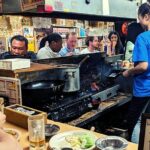
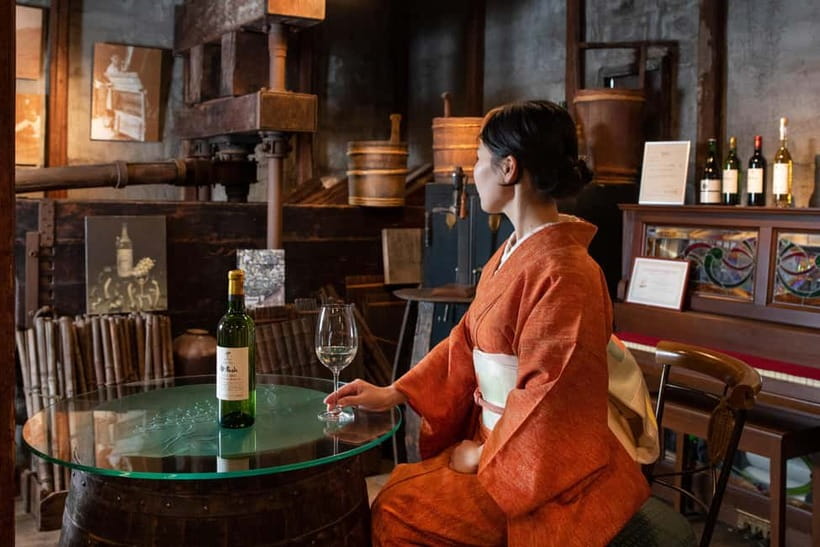
This tour begins in a tasting-and-introduction mode. You start at the winery bar, then move on to a 100-year-old aging cellar. The cellar is treated as a cultural heritage site, which changes how you should look at it: you’re not just “touring a basement.” You’re seeing storage built for patience.
Here’s what I’d focus on while you’re there:
- Listen for how the guide connects the cellar to flavor and aging. Even if you don’t get technical, you’ll start making mental links.
- Notice the idea of continuity—this winery has been operating since the early 1900s, and the cellar turns that history into something physical.
- Ask questions if anything feels unclear. The guide’s job is to connect wine terms to real experiences, not just recite facts.
You’ll get a clearer sense of why Japanese winemaking can feel different from what you expect. And once you’ve seen the aging side, the tasting later makes more sense. You’re tasting the result of the cellar story, not tasting first and learning later.
Edo-period streets and the 1,000-year camphor tree walk
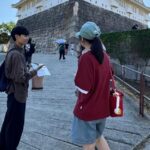
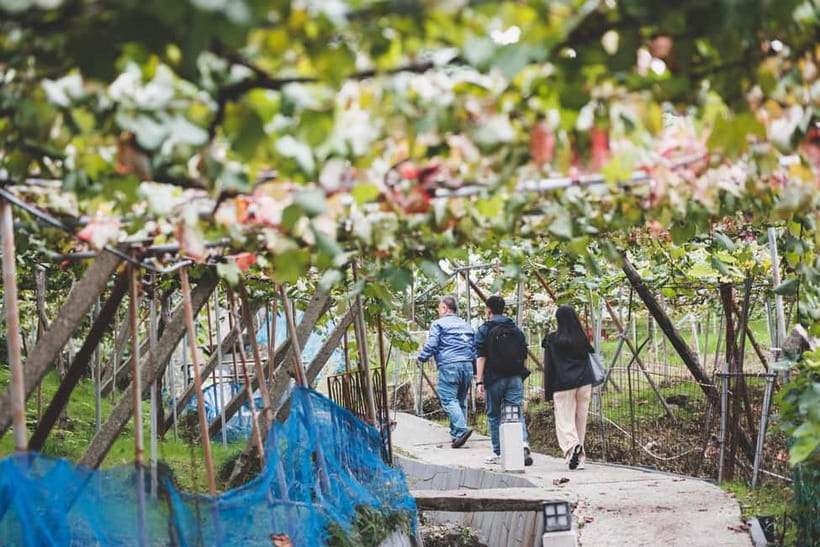
After the winery portion, the experience shifts to walking through an older Osaka-style world. You’ll visit Edo-period wooden buildings, which is one of those simple phrases that actually matters when you see it. The town feel changes—materials, street scale, and the way buildings sit beside each other all create a different pace.
The tour also includes time with a 1,000-year-old camphor tree. That kind of landmark is worth slowing down for, because it’s a reminder that “history” here isn’t museum glass. It’s part of the street plan.
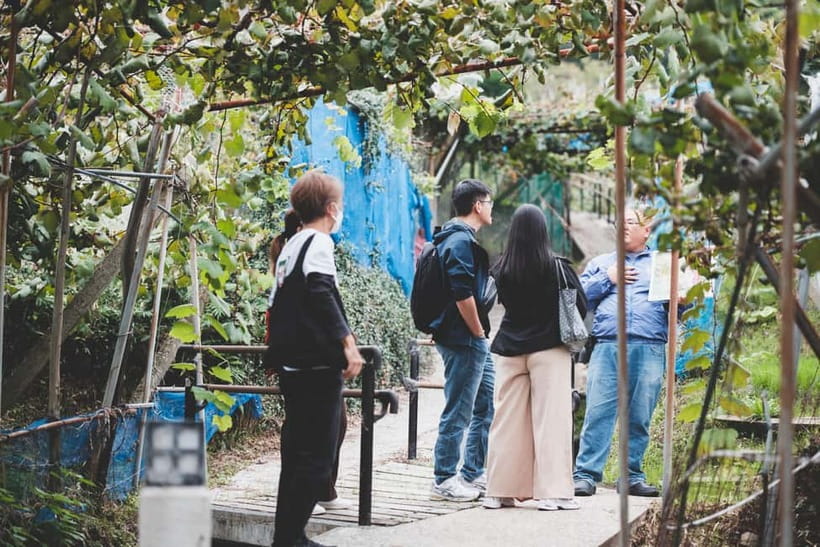
During the guided walk, you may also see a shrine stop. One of the standout things from the experience is how the guide ties local history to what you’re seeing, so the shrine and street details feel connected instead of random.
Practical note: this is a short walk, but wear comfortable shoes. Old wooden streets can be uneven, and you’ll enjoy it more if you’re not thinking about foot pain halfway through the story.
Three wine tastings, including G20-selected bottles: how to taste smarter
The core payoff is the wine tasting. You’ll sample three different kinds of Japanese wine, along with small bites made to go with what you’re drinking. The tasting is designed to teach you enough to tell wines apart without requiring you to be a sommelier.
One highlight is that the tasting includes wines noted as G20 Summit-selected bottles. That doesn’t automatically mean the wine is better than everything else; it means it earned attention and credibility. The guide’s explanation helps you understand why those choices matter in a broader cultural and export conversation.
When you’re tasting, I recommend doing this quick mental workflow:
- Pick one wine to compare for acidity and freshness.
- Pick another to focus on aroma (even if you only notice fruit or floral notes).
- Treat the third as your “surprise” wine—something you might not expect from how it looks in the glass.
Because you taste only three, you’ll remember them. That’s not a minor point. Many tastings dump too much on you, and you end up drinking without learning. This one is focused enough that you can walk away with a clear idea of what you liked and why.
You’ll also hear cultural context about Japanese boutique winemaking. Even if you’ve had Japanese wines before, this helps you understand what makes the local approach feel distinct.
You can also read our reviews of more food & drink experiences in Osaka



Small bites with wine: why the food pairing actually helps
This tour includes small bites with wine, not a separate dinner stop. That matters because snack-and-sip pairings teach you how flavor changes with food. If you’ve ever tried wine on an empty stomach and wondered why it tastes different later, you’ll get the point quickly.
The snacks function like a mini tasting tool:
- They soften harsh edges and make aromas easier to pick up.
- They help you notice balance: whether a wine stays pleasant after a salty bite.
- They keep you comfortable through the full 2 hours, especially since you’ll move from indoor tasting to outdoor walking.
You don’t need to hunt for food afterward right away if you time it well. It’s enough to keep the experience enjoyable and not just “glass-and-go.”
Price and value: is $83 worth it?
At $83 per person for 2 hours, you’re paying for a tight package: guided storytelling, wine tasting of three wines, small bites, and wine museum tickets—not just a plain “come in and drink” experience.
Here’s how I judge the value:
- If you only want wine, you could find cheaper tastings. But you’d likely lose the structured guide plus the cultural walk.
- If you only want sightseeing, Osaka has plenty of free options. But you’d miss the winery cellar visit and tasting education.
- This sits in the middle: you get a guide-led plan that turns the area into an easy half-day activity.
The museum ticket inclusion also helps. It’s not listed as a “watch a quick video” add-on; it’s a ticket component tied to the overall winery visit. For your time and money, that adds up.
Bottom line: $83 is fair if you want both wine context and historical street walking without spending hours figuring out logistics on your own.
Who should book this tour (and who should skip it)
This is a good match if you:
- Want a short, guided experience away from Osaka’s main nightlife areas.
- Like learning how local production works, not just drinking to drink.
- Enjoy walking through older neighborhoods with story-based guiding.
- Are curious about Japanese boutique winemaking and how it’s presented to the world.
You might skip it if:
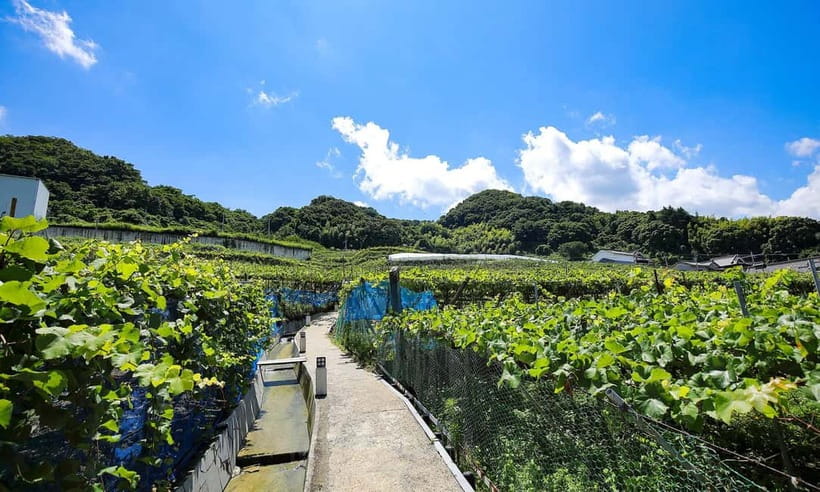
- You’re only chasing “big wow” vineyard views and long outdoor winery grounds.
- You want lots of tastings beyond the included three.
- You prefer unstructured time to wander alone for hours.
It’s also a solid solo activity because the guide handles the flow. You can ask questions, taste at your pace, and still feel like you did something meaningful in a short window.
Should you book the Osaka Winery Tour with Wine Tasting and Vineyard Walk?
I’d book it if you want a smart, compact day plan that combines wine culture with walking history, all within two hours. The biggest reasons: the historic cellar experience, the three focused tastings (including the G20-selected theme), and the guided walk through Edo-period details and a 1,000-year-old camphor tree.
If you’re the type who likes to understand what you’re drinking and then connect it to place, this will feel worth the money. If your idea of a winery day is lots of extra pours and lounging for hours, look for something longer.
FAQ
How long is the tour?
The tour lasts 2 hours.
How many wines will I taste?
You’ll taste 3 different kinds of Japanese wine.
Are food and wine pairings included?
Yes. You get small bites with the wine.
What’s included with the tour besides tasting?
It includes a professional guide and wine museum tickets.
Where do I meet the guide?
Meet at the front of Katashimo Winery (カタシモワイナリー 直売所).
Can I cancel for a refund?
Yes. You can cancel up to 24 hours in advance for a full refund.