REVIEW · OSAKA
Matcha Making Class in Osaka with Authentic Japanese Sweets Set
Book on Viator →Operated by Sushi Making Tokyo Cooking Class in Japan · Bookable on Viator
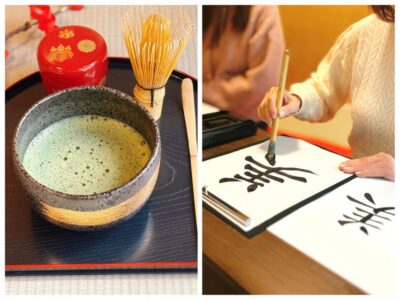
Matcha gets real when you whisk it yourself. This Osaka class is a calm, hands-on way to learn how to make traditional matcha with an English-speaking guide, then enjoy it with Japanese sweets. I especially liked the step-by-step coaching and the small-group feel that makes questions easy. One thing to plan for: finding the exact meeting spot in Higashishinsaibashi can take a bit longer than you expect, so give yourself extra buffer time.
In about one hour, you’ll learn the process, pick up practical tips you can actually use at home, and leave with a memory made for photos. Classes run in the morning and afternoon, so it’s easy to plug into your day even if your Osaka schedule is packed.
In This Review
- Key Highlights You’ll Care About
- Why Osaka Is a Smart Place for Matcha
- Inside the 1-Hour Matcha Making Flow
- The Hosts: Why the Teaching Style Feels Easy
- Matcha + Japanese Sweets: A Pairing You Can Taste
- Location in Higashishinsaibashi: Quick Tips to Avoid Friction
- Group Size: Why Max 6 Travelers Changes the Class
- Price and Value: Is $21.89 a Good Deal?
- Who This Class Fits Best (And Who Might Skip It)
- Practical Tips Before You Go
- Should You Book This Matcha Making Class in Osaka?
- FAQ
- Where is the meeting point for the matcha class?
- How long does the experience take?
- What’s the group size?
- Is there an English-speaking instructor?
- Are Japanese sweets included with the matcha?
- Do I need prior matcha experience?
- Do they pick you up from your hotel?
- Are there morning and afternoon classes?
- Is there free cancellation?
Key Highlights You’ll Care About
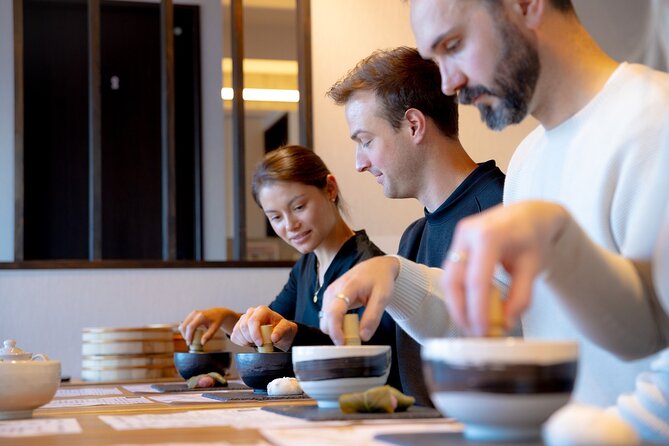
- Small group size (max 6) keeps the class personal and interactive
- English-speaking hosts guide you through each step and correct mistakes
- Beginner-friendly matcha basics help you get it right at home
- Japanese sweets are included and designed to complement the matcha
- Morning and afternoon options let you choose the timing that fits your trip
- Tools and ingredients are ready for you so you can focus on learning
Why Osaka Is a Smart Place for Matcha
Osaka is famous for food culture, and this class fits right into that mindset. You’re not just tasting matcha in a shop and moving on. You’re learning a technique that turns a powder into a drink you can control, from texture to taste.
I like that the experience is built around a gentle pace. You get history and context too, but it never feels like school. Instead, it turns into a small ritual you can copy later, which is the real win when you’re traveling.
Also, you’re in the Chuo Ward area near public transit, which matters in Osaka. When an activity ends back at the meeting point, you can plan meals and sightseeing without complicated detours.
You can also read our reviews of more tours and experiences in Osaka
Inside the 1-Hour Matcha Making Flow
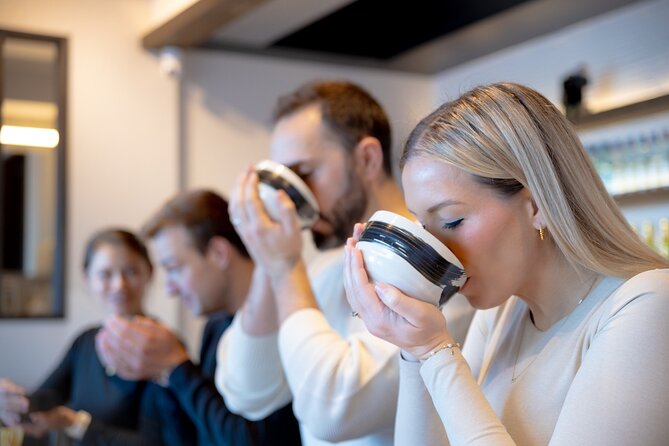
The class is short enough to feel doable, even on a busy day. It runs about 1 hour (approx.), and it ends where it starts, so you can keep your schedule tight.
Here’s what the experience focuses on once you’re seated:
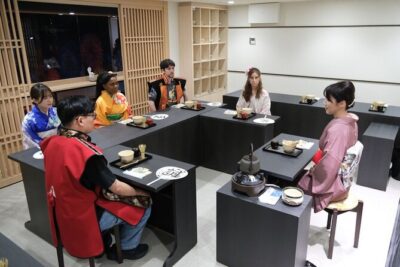
You’ll start with an explanation of matcha—what makes it different from other green teas and why the making process matters. Multiple instructors use visuals and even quick quiz-style moments to help you remember key points. If you enjoy learning by doing, this format works well because the teaching and the practice happen close together.
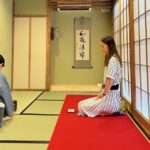
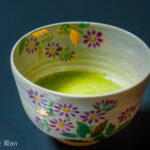
Then comes the hands-on part: you’ll prepare matcha step by step with guidance from your host. The instructor is there to spot common mistakes and help you fix them in real time. This is where the class becomes practical for your future kitchen. Even if you’ve tried matcha before, you often learn what you were missing when you make it yourself.
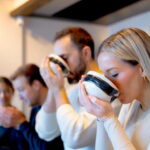
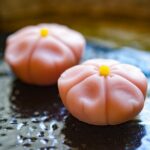
Finally, you get your tea break with Japanese sweets included. This is more than a snack. It’s part of how Japanese sweets are often served alongside tea: you taste how sweetness and texture change what you notice in the matcha.
You’ll also have time for photos, which sounds minor until you realize you’re capturing a moment that feels more like a mini tea ritual than a standard activity stop.
The Hosts: Why the Teaching Style Feels Easy
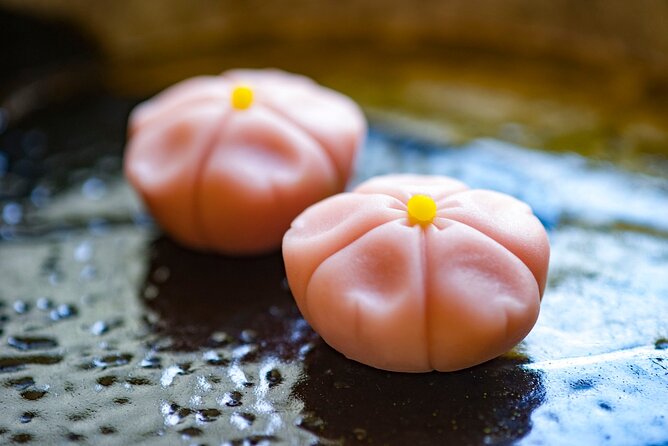
One reason this experience earns top marks is the human side of it. The hosts are friendly and English-speaking, and they keep the class moving at a pace that works for beginners.
Instructors you might meet include Momo, Matty, Fuko, and Yui. The names matter because they hint at the staffing style: consistent instruction, not a one-person show. You’re not stuck trying to decode what’s happening. You’re learning, asking, and correcting while the process is still fresh.
A couple of teaching details show up again and again in the way the class is described. First, they use visuals instead of long explanations. Second, the little quiz moments turn the lesson into something you can remember, not something you forget after the class ends. That matters because matcha technique is about small steps, and your memory helps you repeat it later.
Matcha + Japanese Sweets: A Pairing You Can Taste
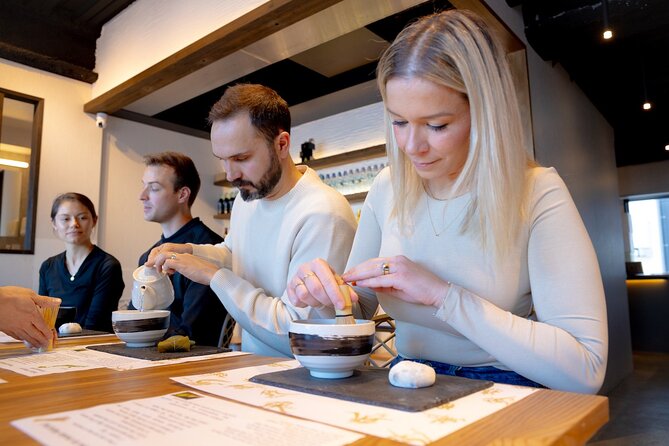
The class includes matcha with Japanese sweets, and that’s not filler. Matcha has a distinct character—earthy, slightly bitter, and sometimes intense—so pairing it with a sweet is a smart way to balance the cup.
I like that the sweets are treated as part of the experience, not an afterthought. You’re meant to drink matcha at your preferred time, then enjoy the sweets alongside it. That makes the break feel intentional, like you’re practicing a traditional pause.
Because the tasting happens right after you learn the process, you also get feedback in a natural way. You can ask yourself: does your matcha taste sharper or smoother than you expected? Then you compare that experience to what you notice with the sweets. You’ll leave with a more complete sense of what you’re aiming for.
Location in Higashishinsaibashi: Quick Tips to Avoid Friction
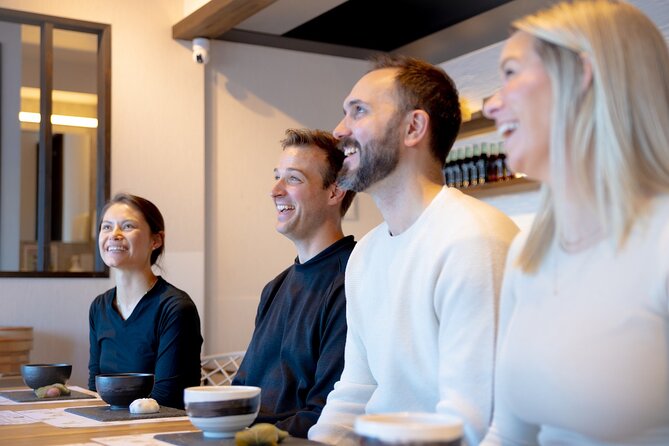
The meeting point is Matcha Making Osaka | Cooking Class in Japan, 1-chōme-16-20 Higashishinsaibashi, Chuo Ward, Osaka, 542-0083. The activity ends back at the same spot.
This matters because you’re navigating Osaka streets on foot. The class is near public transportation, which is a big plus. Still, one recurring practical note from people who attend is that finding the exact location can take longer than expected. So I’d treat this like an appointment: arrive early, and don’t plan a tight connection right afterward.
You don’t need to wait for a hotel pickup, either. There’s no hotel pickup and drop-off, so you’ll get there under your own navigation skills. If you’re staying near major transit lines in Osaka, you’ll likely find it easy. If not, give yourself the extra time to get oriented.
Bring your mobile ticket. It’s a small thing, but it speeds up check-in so you can start learning right away.
You can also read our reviews of more tours and experiences in Osaka


Group Size: Why Max 6 Travelers Changes the Class
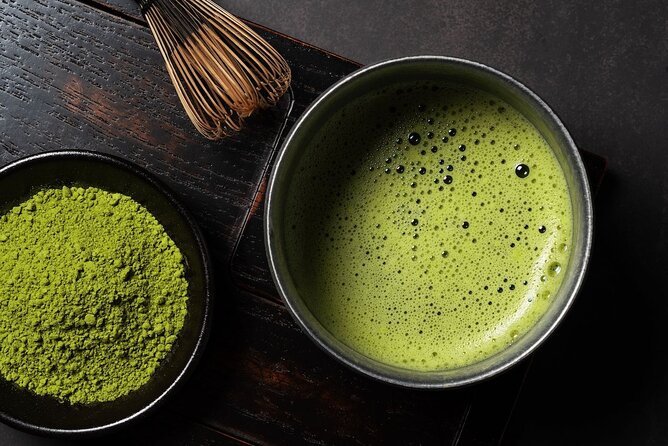
With a maximum of 6 travelers, this isn’t the kind of class where you sit quietly and watch. You’re more likely to have a chance to participate and ask questions.
That intimate size also helps the instructor manage technique. Matcha making isn’t only about recipe. It’s about method: how you handle the powder, how you whisk, and how you adjust once you see what you’ve made. When the group is small, the instructor can correct details instead of giving generic advice.
This is a big part of why the overall experience feels peaceful. You get a calm, hands-on cultural moment in the middle of a city that moves fast.
Price and Value: Is $21.89 a Good Deal?
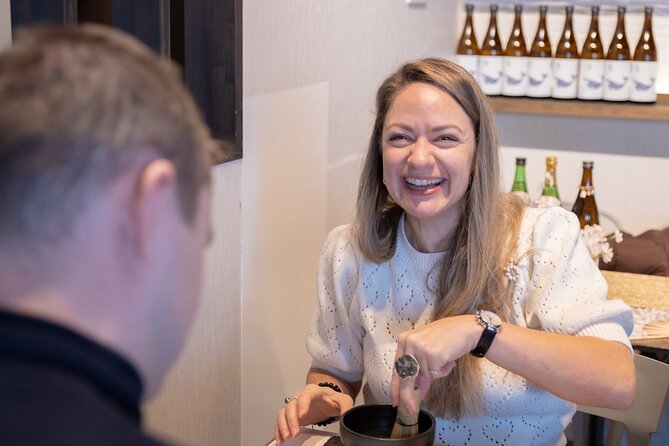
At $21.89 per person, this is priced like a true experience class, not a pricey premium activity. The math gets even better when you look at what’s included.
You’re paying for:
- an English-speaking instructor
- hands-on guidance during the matcha-making process
- matcha with Japanese sweets
- tools and ingredients prepared for you (so you’re not buying supplies first)
If you’ve ever tried to recreate matcha at home and ended up with something flat, too bitter, or just not the texture you wanted, you already know why a short class can be worth the cost. A one-hour session that teaches you the correct process is cheaper than buying equipment, experimenting repeatedly, and still not understanding what went wrong.
So yes, it’s good value—especially if you want more than tasting. If you only want a quick drink, you can find matcha everywhere. But if you want the technique, this price is easy to justify.
Who This Class Fits Best (And Who Might Skip It)
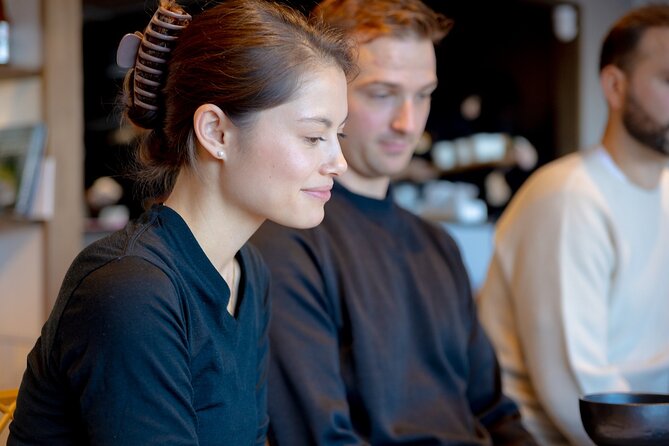
This is a great fit if:
- you’re a beginner who wants clear guidance
- you like hands-on activities more than passive tours
- you want a calming cultural break that still feels meaningful
- you want something compact for a busy Osaka itinerary
It also works if you already like matcha. Even matcha fans often realize they’ve been making it in a way that doesn’t match the traditional process. The coaching helps you tighten up your results at home.
You might consider skipping if you’re looking for a long, multi-stop food tour experience or if you want lots of downtime to wander on your own. This is an organized class with a focused learning agenda, not a free-form neighborhood exploration.
That said, even if you’re not a matcha person yet, the experience can still be enjoyable because the sweets help you appreciate what you’re tasting, and the learning style stays relaxed.
Practical Tips Before You Go
To make the day smoother, I’d plan around these details:
- Time it for either a morning or afternoon slot depending on your energy level.
- Arrive early to find the meeting point without stress.
- Go with an open mind. You don’t need matcha experience, and the hosts are set up to guide you from start to finish.
- Bring curiosity for the cultural context. The class includes background and history, and it’s delivered in a way that’s easy to follow.
Also, because it ends back where you start, you can pair it with nearby Osaka plans without worrying about getting dropped off somewhere else.
Should You Book This Matcha Making Class in Osaka?
If you want an activity you’ll actually use again at home, I’d book it. The combination of hands-on teaching, English-speaking guidance, and matcha with Japanese sweets makes it feel like a complete mini ritual rather than a quick tasting.
The class is also a good choice when you want something calm and culturally grounded without committing an entire afternoon. With max 6 travelers and a one-hour length, it fits cleanly into real trip schedules.
The only reason to hesitate is the location timing. If you hate the idea of navigating on foot right before a scheduled start, plan extra time for arrival.
If that sounds manageable, this is exactly the kind of small, practical Osaka experience I love: simple, authentic, and surprisingly satisfying.
FAQ
Where is the meeting point for the matcha class?
The class meets at Matcha Making Osaka | Cooking Class in Japan, 1-chōme-16-20 Higashishinsaibashi, Chuo Ward, Osaka, 542-0083, Japan.
How long does the experience take?
The class runs for about 1 hour (approx.).
What’s the group size?
The experience has a maximum of 6 travelers.
Is there an English-speaking instructor?
Yes. An English-speaking instructor is included.
Are Japanese sweets included with the matcha?
Yes. Your matcha is served with Japanese sweets.
Do I need prior matcha experience?
No prior experience is required.
Do they pick you up from your hotel?
No. Hotel pickup and drop-off are not included.
Are there morning and afternoon classes?
Yes. You can choose morning or afternoon class times.
Is there free cancellation?
Yes. You can cancel for a full refund up to 24 hours in advance of the experience start time.