REVIEW · OSAKA
Sushi Making Osaka Roll and Authentic Japanese Sushi Class
Book on Viator →Operated by Sushi Making Tokyo Cooking Class in Japan · Bookable on Viator
Sushi, but hands-on in Osaka. This Osaka sushi making class turns a meal into a skill you can take home, with English-speaking instructors guiding you through nigiri and roll-making near Dotonbori and Shinsaibashi.
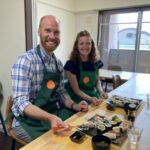
I love that the ingredients are prepped and ready, so you spend your time learning technique instead of hunting for supplies or doing heavy prep. I also like that you don’t just watch, you make nigiri and maki step by step, and instructors like Reika (and others) are described as friendly, patient, and full of sushi history and practical tips.
One thing to consider: the session timing can feel tight if you’re hoping for extra photo or eating time. A few people noted they wanted more relaxed pacing, so if you’re very photo-first, plan to arrive early and keep expectations realistic.
In This Review
- Key takeaways before you go
- Where this Osaka sushi class fits on your food plan
- Finding the meeting point by Dotonbori (and not panicking)
- What you’ll make: nigiri + maki rolls in a beginner-friendly class
- How ingredients prep changes the whole experience
- The instructor dynamic: English explanations and lots of questions
- Timing and pace: enough to learn, but not an all-day photo shoot
- What you eat: a meal built from your own work
- Vegetarian and fish choices, plus one food-safety note to consider
- Price: $31.01 and what makes it feel fair
- Small group size and why it helps
- Where to go next: pairing this with Dotonbori and Shinsaibashi
- Who this Osaka sushi class is best for
- Should you book this Osaka sushi making experience?
- FAQ
- Where is the meeting point for the sushi class in Osaka?
- How long does the sushi making class last?
- How much does the Osaka sushi making class cost?
- What is included in the price?
- Is hotel pickup and drop-off included?
- Do I need cooking experience to join?
- Is the instruction available in English?
- How big is the group?
- Are dietary options like vegetarian available?
- Is there a free cancellation option?
Key takeaways before you go
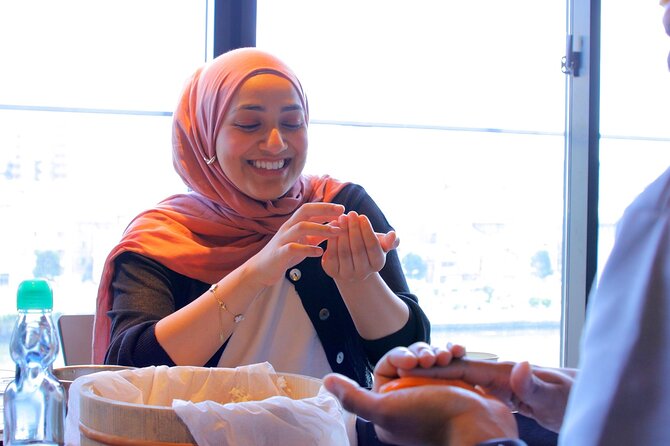
- Hands-on nigiri and maki: you learn both roll-making and nigiri, not just one style
- Prepped ingredients: you start cooking quickly, with less waiting and more practice
- English support: the class is designed to work smoothly for international visitors
- Near Dotonbori and Shinsaibashi: easy to pair with Osaka street-food wandering
- Small group size: up to 20 people, which helps instruction feel more personal
- You eat what you make: the class ends with a meal you helped create
Where this Osaka sushi class fits on your food plan
Osaka is built for food people. Between Dotonbori neon and the shopping lanes around Shinsaibashi, it’s easy to think the only way to “do Osaka right” is to eat your way through every alley.
This class gives you a different kind of Osaka souvenir: a new skill and the memory of making sushi with your own hands. Instead of spending your afternoon only browsing menus, you’re practicing techniques, learning what matters in sushi (rice, shape, and handling), and asking questions while you cook.
The format is also flexible. You can choose a morning, afternoon, or evening session, so you can match it to your energy level and the rest of your day.
You can also read our reviews of more tours and experiences in Osaka


Finding the meeting point by Dotonbori (and not panicking)
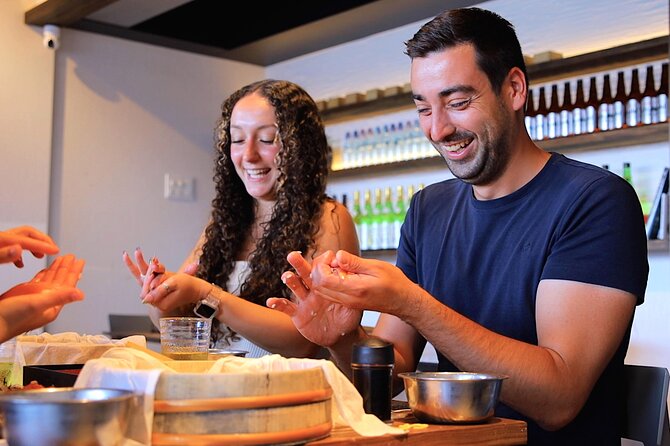
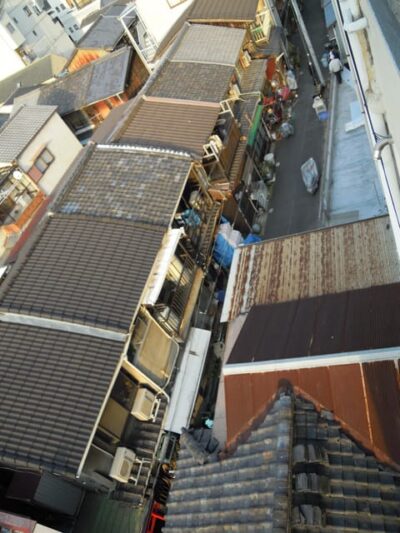
The class meets at Sushi Making Osaka, at 1-chōme-16-20 Higashishinsaibashi, Chuo Ward, Osaka. It’s set up so you can reach it without a complex plan, and the location is described as very close to Dotonbori.
One practical tip from people who found it easily: it can be easier if you give yourself extra time to locate the building and the floor level. A participant described a setup like a small room on the upper floors (they mentioned floor 3), so look for the correct entrance and level rather than rushing in from street level.
If you’re arriving from Shinsaibashi shopping, you’re basically using Osaka’s best kind of navigation: follow the crowd to Dotonbori, then walk the short final stretch with your map open.
What you’ll make: nigiri + maki rolls in a beginner-friendly class
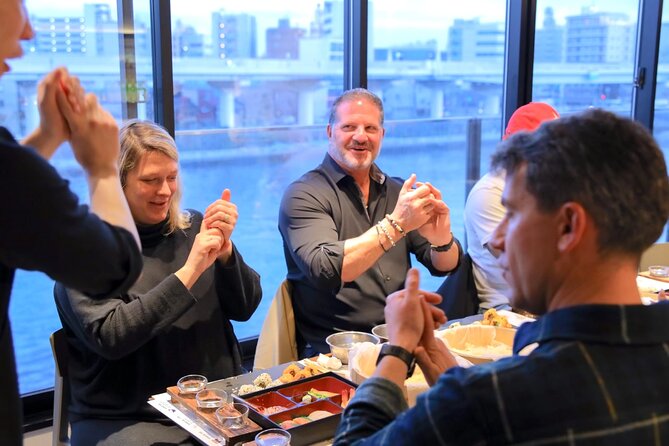
This is a sushi-making workshop built for people with no prior cooking experience. That matters, because sushi has a reputation for being “too hard” or “too precise.” Here, the promise is that you’ll make sushi step by step, with guidance that helps you get the basics right without stress.
You’ll work on two main styles:
- Maki rolls: shaping and rolling, then cutting or presenting the finished roll
- Nigiri: handling components so the final shape looks like sushi, not just a pile of ingredients
The class also includes cultural insights and some sushi history. That’s not just trivia. It helps you understand why certain steps matter—like why rice texture and how you handle items changes the final feel of the bite.
A recurring theme in the feedback is that the instructors keep things practical. Even when they cover history, they still connect it back to technique, so you leave knowing what to do next time you try at home.
How ingredients prep changes the whole experience
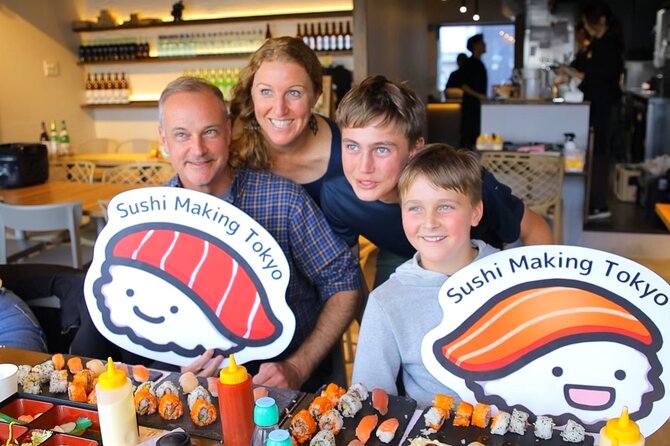
One of the biggest “value” factors here is that your ingredients will be prepped and ready. That doesn’t just save time. It changes what you learn.
If a class makes you do all the prep first, you often end up tired before you ever master the core movements. With prepped ingredients, you can focus on:
- your hand motions and timing
- how sushi pieces should look when you finish
- learning what to correct when something doesn’t hold together
For sushi novices, that’s huge. One of the best parts of this class is that it stays hands-on instead of turning into a cooking lecture. You practice, you adjust, and then you eat what you made.
The instructor dynamic: English explanations and lots of questions
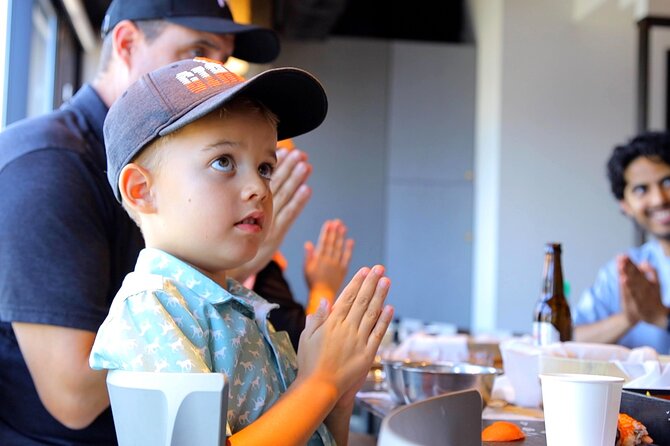
This class is led by friendly, English-speaking instructors. The vibe is consistently described as fun, interactive, and supportive—especially for beginners and families with kids.
Several instructor names show up in the feedback, including Reika, Fuko, and Aina (along with others). The common thread is that they’re willing to explain, repeat, and walk around to help at the table level. That matters because sushi isn’t one-size-fits-all: your speed, grip, and comfort level differ from the person next to you.
Also pay attention to the Q&A element. The class is set up so you can ask sushi-related questions, which makes it more than a “do this, then that” workshop. If you’ve ever wondered why nigiri is shaped the way it is, or what makes a good roll hold together, this is the time to ask.



Timing and pace: enough to learn, but not an all-day photo shoot

The class runs about 1 hour 40 minutes. That’s a sweet spot for most schedules. Long enough to learn both roll and nigiri, short enough that you don’t lose your whole evening to a kitchen.
That said, a few people felt there was a rushed stretch—especially around the time to take photos or settle into eating. If you’re the kind of traveler who documents every step, you’ll want to:
- show up early
- keep your phone ready during the moments you can capture
- plan to eat promptly after your sushi is finished
In other words, treat it like a cooking class first, then a photo moment second. The food is part of the point, and the best experience comes when you actually pause to taste.
What you eat: a meal built from your own work
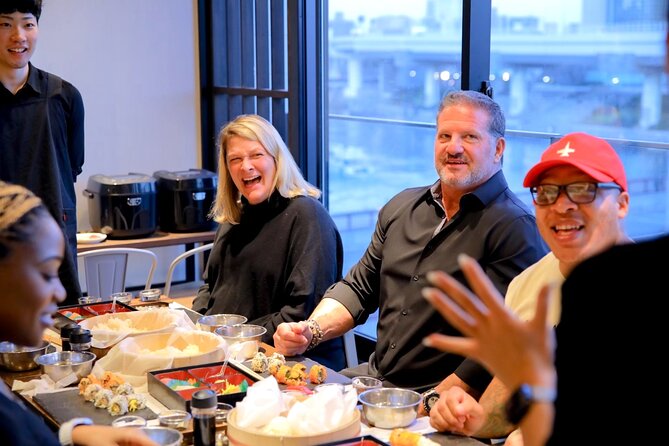
The biggest motivation is simple: you eat the sushi you make. You’re not leaving with a tiny sample and heading out hungry.
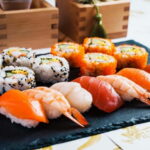
Based on participant notes, you’ll make a solid amount of sushi during the session. Some people mention outcomes like one maki roll and several nigiri pieces (the exact number can depend on pace). The practical takeaway is that this feels like lunch or dinner, not a snack.
Also, eating your own work changes how you taste it. You notice texture differences, you remember the technique that created a good bite, and you’re more likely to think, I can do this again.
Vegetarian and fish choices, plus one food-safety note to consider
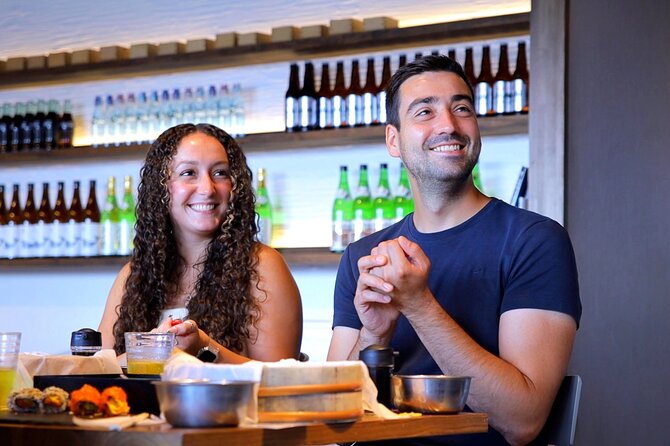
Dietary options show up in the feedback. People mention vegetarian and fish options, and the class is described as workable for different preferences.
Still, don’t assume every ingredient can be swapped on demand. One review shared that a dietary preference (like avoiding shrimp) wasn’t able to be switched for a different fish when requested. That suggests you should set expectations early:
- note dietary needs during booking
- ask what substitutions are possible before you arrive
There’s another food-handling detail to keep in mind. One participant criticized that fish sat out at room temperature for about 1.5 hours, rather than being kept over ice. That’s not something you can verify in advance from the info here, but if food safety is a major concern for you, it’s smart to ask the team about how ingredients are stored during the session.
Price: $31.01 and what makes it feel fair
At $31.01 per person, this isn’t the cheapest activity in Osaka. But it doesn’t pretend to be a “copy-paste” experience either.
Here’s why it often feels like good value:
- You get instruction in English and hands-on guidance
- Ingredients and meal are included, so you’re paying for a full class package, not just labor
- You practice skills you can use again, which costs money if you pay for private training later
One person felt the price was a little high for the experience and pacing. That opinion usually tracks with timing expectations and the amount of time spent actively cooking versus learning history or waiting for the next step.
So the value question comes down to you. If you want a fun, structured, beginner-friendly way to learn sushi while you’re already in Osaka food mode, this price can make sense.
If you expect a slow, photo-perfect cooking day with lots of extras, then you may feel the squeeze.
Small group size and why it helps
This activity has a maximum of 20 travelers. In a hands-on class, that number matters.
A smaller group makes it easier for instructors to:
- circulate and correct technique
- answer questions quickly
- manage the flow so everyone gets enough hands-on time
Even if you’re traveling alone, that group size keeps the class lively without turning it into a crowded factory line.
Where to go next: pairing this with Dotonbori and Shinsaibashi
This is one of those tours that naturally blends with Osaka’s food and shopping rhythm.
After class, you’re already in the Dotonbori–Shinsaibashi orbit, so you can pivot into:
- casual street snacks
- dessert stops
- shopping breaks while your stomach is finally happy
And since you’ve just learned the “why” behind sushi basics, it’s easier to order sushi later with more confidence. You’ll notice details like rice texture and how nigiri is handled, instead of treating it like a mysterious black box.
Who this Osaka sushi class is best for
This works for more people than you might think.
It’s especially strong for:
- First-time sushi lovers who want to understand what makes sushi work
- Families and multi-generational groups, since instruction is described as patient and engaging for kids and teens
- Beginners who want structure, not a stressful cooking trial
- Travelers who want a real activity memory, not just photos of what they ate
If you’re an advanced home cook looking for restaurant-level knife tricks and ultra-technical rice science, this may feel more basic than you want. But for most travelers, the payoff is learning enough to try again at home with better results.
Should you book this Osaka sushi making experience?
Book it if you want a hands-on, beginner-friendly Osaka activity that includes instruction in English, prepped ingredients, and a meal you eat right after making it. The proximity to Dotonbori and Shinsaibashi is a bonus because it slots neatly into a food-focused day.
Skip it or choose a different option if your top priority is slow pacing, extra time for photos and lingering over your finished sushi, or if you have very specific dietary needs and haven’t confirmed substitutions are possible.
If you’re flexible on timing and excited to learn nigiri and maki, this is exactly the kind of class that turns an ordinary travel day into a skill you can carry home.
FAQ
Where is the meeting point for the sushi class in Osaka?
The class meets at Sushi Making Osaka, 1-chōme-16-20 Higashishinsaibashi, Chuo Ward, Osaka, 542-0083, Japan.
How long does the sushi making class last?
It runs about 1 hour 40 minutes (approx.).
How much does the Osaka sushi making class cost?
The price is $31.01 per person.
What is included in the price?
You get an English speaking instructor and the ingredients of the cooking class and meal.
Is hotel pickup and drop-off included?
No. Hotel pickup and drop-off are not included, and the activity ends back at the meeting point.
Do I need cooking experience to join?
No. No cooking experience is required.
Is the instruction available in English?
Yes. The class includes an English speaking instructor.
How big is the group?
The maximum group size is 20 travelers.
Are dietary options like vegetarian available?
Vegetarian and fish options are mentioned in the class feedback. If you have a dietary preference, you should note it before the activity.
Is there a free cancellation option?
Yes. You can cancel up to 24 hours in advance for a full refund.