REVIEW · OSAKA
Osaka: Tea Ceremony Experience
Book on GetYourGuide →Operated by The Osaka&Tokyo · Bookable on GetYourGuide
Tea ceremony in Osaka is simple, quiet, and oddly powerful. You sit on tatami, watch the ritual start to finish, then make your own matcha with authentic tea tools, all explained in clear English by Japanese instructors.
What I like most: the hands-on matcha moment is real (not just watching), and the seasonal sweets are chosen to pair well with the bitterness of matcha. A potential drawback is the setting rules: you’ll be asked not to be loud, and the session happens on the floor, so plan accordingly if you’re sensitive to sitting.
One more thing to keep in mind: this can be slightly tricky to locate because it’s on the second floor, and you’ll want to arrive with a little breathing room. Also, there are age limits (no participation for children under 5), so it’s not a flexible stop for every family.
In This Review
- Key Highlights You’ll Actually Feel
- Why an Osaka Tea Ceremony Is the Best Kind of Break
- Welcome and Manners: What the Instructor Sets Up First
- The Live Demo: Where You Learn to Watch Properly
- Make Your Own Matcha: The Hands-On Part That Changes Everything
- Seasonal Sweets: The Pairing That Makes Matcha Feel Less Sharp
- The Value Question: Is $25 Worth It for 45 Minutes?
- Finding the Meeting Point on Dotonbori’s Second Floor
- Who Should Book This Tea Ceremony in Osaka?
- Quick “Should I Book?” Decision
- FAQ
- How long is the Osaka tea ceremony experience?
- How much does it cost per person?
- What language is the tea ceremony taught in?
- What do I do during the ceremony?
- What is included in the price?
- Where do I meet for the tour?
- Are there age restrictions?
- Is food allowed during the ceremony?
- Are strollers or baby carriages allowed?
- Is there free cancellation?
Key Highlights You’ll Actually Feel
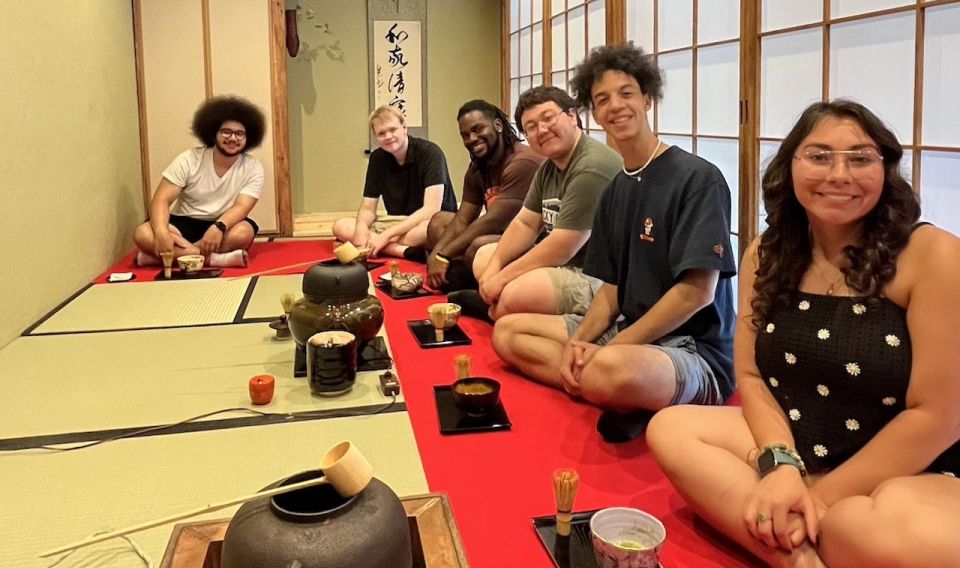
- Japanese instructors in kimono with English instruction, so you’re not stuck guessing what’s happening.
- 10+ years of tea experience guiding the pace and manners of the ceremony.
- Hands-on matcha making using traditional tools, not just a demo.
- Seasonal Japanese sweets served with the matcha, chosen to match the flavor profile.
- A peaceful tatami room that keeps the whole experience calm and focused.
Why an Osaka Tea Ceremony Is the Best Kind of Break
Osaka is loud, fast, and bright in the usual way—so a tea ceremony works like a palate cleanser for your brain. This is a short, 45-minute cultural stop that slows you down on purpose. You’re not there to rush through photos. You’re there to learn a ritual where small movements matter.
You’ll start in a traditional room setting, then move through the main flow: welcome, explanation, a live demonstration, and then your turn. What makes this format especially good for visitors is the pace. You get context, you see the steps, and you practice them—without spending half a day on the activity.
You can also read our reviews of more tours and experiences in Osaka.



Welcome and Manners: What the Instructor Sets Up First
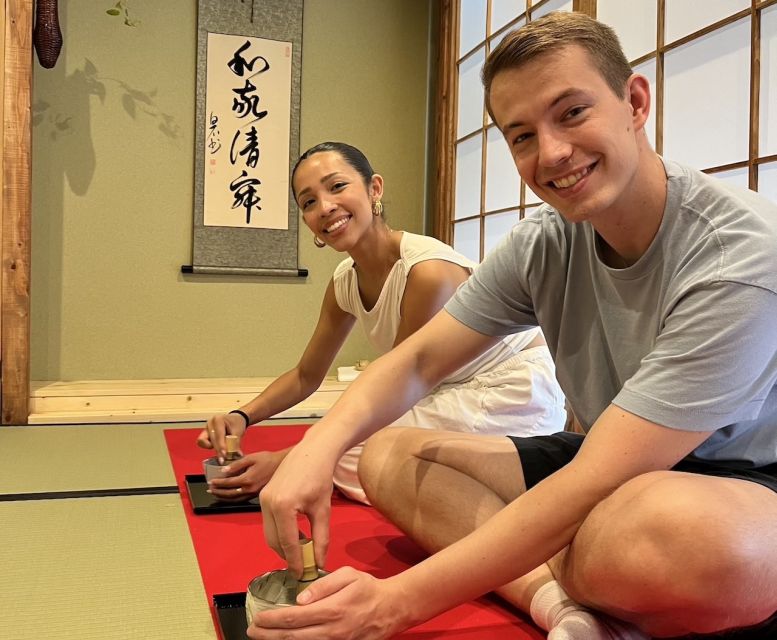
Before any matcha is whisked, you’re welcomed and brought into the meaning of the ceremony. The instructor explains the history and why people treat tea making as more than a drink. It’s not abstract either. You’re given a sense of the purpose behind the motions.
Then you’ll watch a demonstration that includes basic manners for how tea is served. Think: where your attention goes, how you handle the tools, and how the host’s movements create that quiet atmosphere. In real terms, this helps you avoid doing anything awkward. Most visitors don’t mind manners. They just want to know the rules ahead of time.
There are also clear “keep it calm” expectations during the session. No jumping and no making noise. Food is not allowed. Strollers aren’t allowed either, and baby carriages are also off the table. If you come in treating it like a casual performance, you’ll feel the room correct you fast. If you come in ready to be quiet and respectful, it feels smooth.
The Live Demo: Where You Learn to Watch Properly
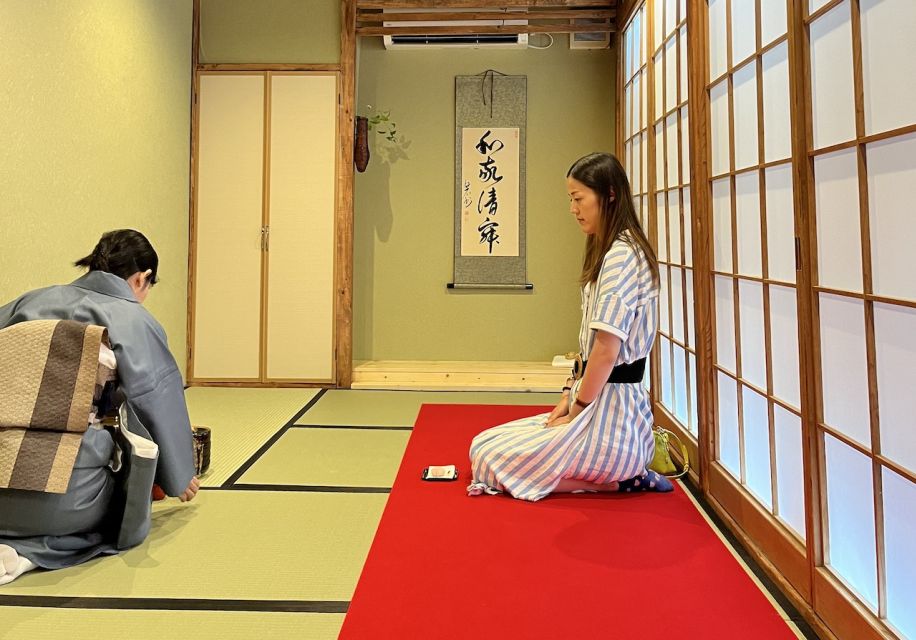
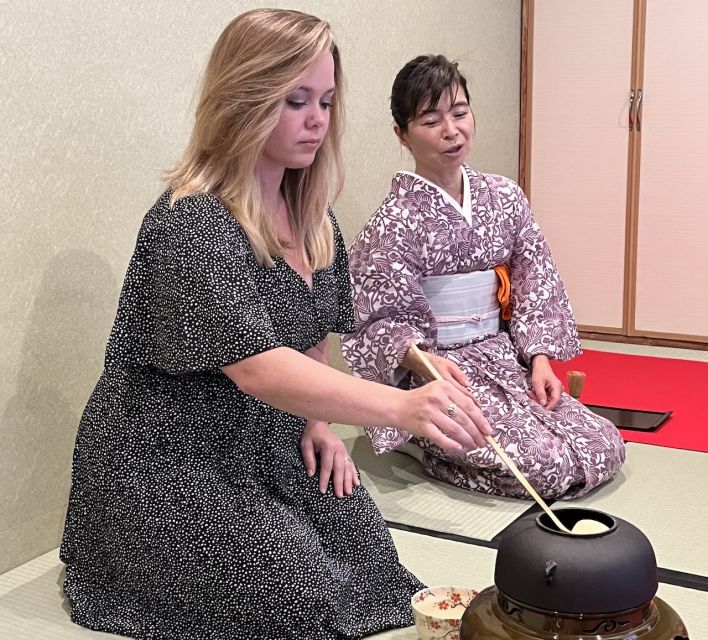
The demonstration is the bridge between culture and technique. The instructor shows you how the ritual is performed, and you’re guided through tool use while getting explanations in English.
This part matters more than it sounds. Watching a tea ceremony is different from watching a cooking show. You’re trying to see timing, sequence, and how each step fits the next. The goal isn’t to copy the host perfectly. The goal is to understand what the ritual is doing emotionally and practically—attention, restraint, and care.
A detail I appreciate here: the instructors wear traditional kimono, which makes the experience feel grounded in the setting rather than staged like a generic tourist attraction. Hosts can be named in different sessions—people have mentioned instructors such as Yuki, Akiko, Kazu, Ayaka, Mayumi, and Kana leading the ceremony in English.
Make Your Own Matcha: The Hands-On Part That Changes Everything
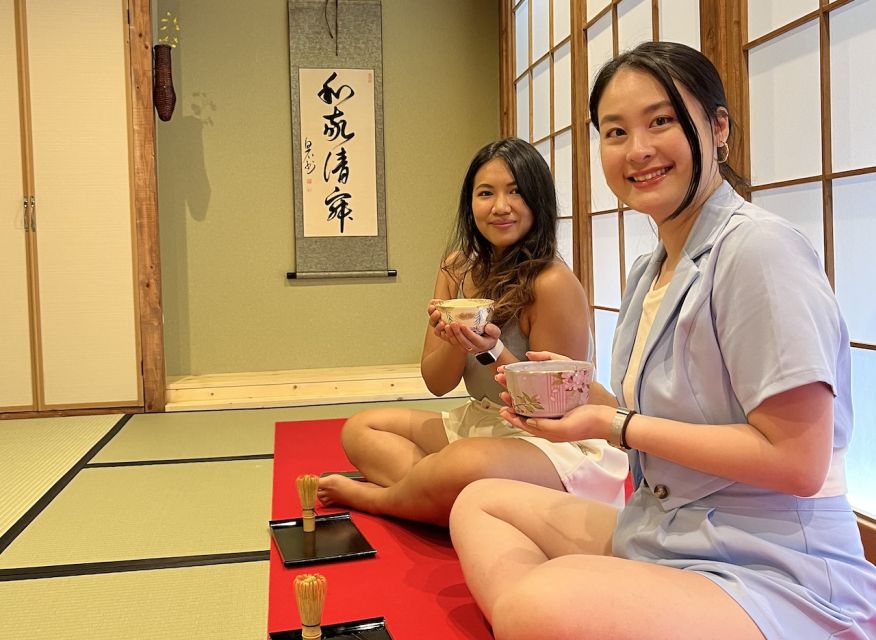
Then comes the main event: hands-on matcha making. You’ll get to prepare your own bowl of matcha using traditional tea tools, guided by the instructor in clear English. This is the piece that turns tea ceremony from an interesting story into something you can remember with your own hands.
Here’s what you should expect during your try:
- You’ll be taught how to use the tea tools step by step.
- You’ll make a bowl of matcha yourself rather than only tasting what someone else makes.
- After you prepare it, you’ll drink it and connect the taste to what you just did.
That last point is key. Matcha can taste different depending on how it’s mixed and prepared. Doing it yourself helps you understand why the ritual cares about technique. Even if your bowl isn’t identical to the host’s, the experience still lands because you’ll taste the result and learn from it.
Seasonal Sweets: The Pairing That Makes Matcha Feel Less Sharp
Matcha has a distinct flavor—earthy, grassy, and often a little bitter. That’s why sweets matter. You’ll taste seasonal Japanese confections that go well with matcha, and they’re served as part of the session.
This pairing is one of the most “Osaka in a smart way” parts of the activity. Instead of treating matcha as a solo drink, you’re learning how Japanese tea culture often balances bitterness with something gentle and seasonal. It’s also a nice way to make the ceremony feel complete. You’re not just sipping. You’re having a small tasting moment designed for the matcha you made.
People have described the sweets as delicious and perfectly matched to the matcha experience, and the session often gives you time to enjoy them calmly in the tatami room.


The Value Question: Is $25 Worth It for 45 Minutes?
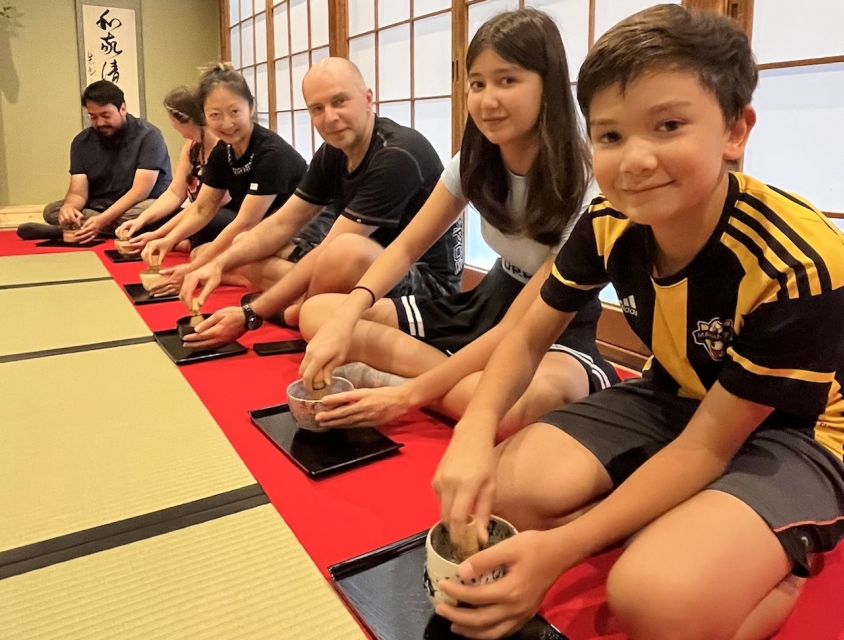
At $25 per person for a 45-minute experience, the biggest value clue is what you actually get included. Your entrance is included, plus matcha and confections. You’re also getting guided instruction in English and access to the traditional tools and setting.
So where does the money go? Not just into the drink. It’s into the teaching, the demonstration, and the fact that you get to make your own matcha. For many visitors, that hands-on step is the difference between paying for a show and paying for a skill you walk away with.
If you’re already juggling a packed sightseeing schedule in Osaka, this is also a smart length. It’s long enough to feel like a true cultural encounter and short enough to fit between bigger plans without wrecking your afternoon.
Finding the Meeting Point on Dotonbori’s Second Floor
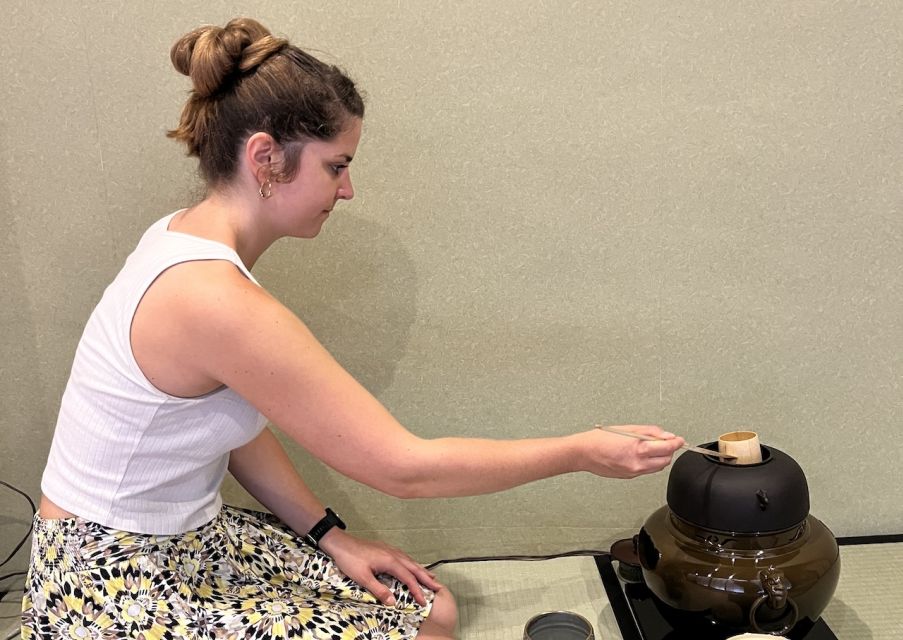
Location is the one practical headache to plan for. The meeting point is listed at:
大阪市中央区道頓堀1丁目東5-26
It’s on the second floor.
It’s in the Dotonbori area, which is exactly the kind of place where you can lose time if you assume you’ll find it instantly. Use Google Maps and search for tea ceremony osaka the osaka, then confirm you’re heading to the correct floor before you settle your expectations.
One more tip: arrive with some spare time. The experience says it’s very occasionally possible that some people can’t come, so building in a little buffer is the easiest way to avoid stress. Also, there’s limited comfort while waiting—so don’t show up an hour early unless you know you can stand around nearby.
Who Should Book This Tea Ceremony in Osaka?
This experience is a strong fit if you:
- Want a calm cultural activity in the middle of Osaka sightseeing
- Enjoy hands-on learning more than watching
- Like Japanese sweets and want to understand how they pair with matcha
- Prefer instruction in English from Japanese hosts
It may not fit if you:
- Need a stroller-friendly activity (strollers and baby carriages aren’t allowed)
- Are bringing children under the age rules (details below)
- Want a loud, energetic tour—this one is built for quiet manners
The age policy is clear: over-5-years-old children cannot participate. That means children under 5 are not allowed, and if a child is 5 or older they need their own ticket; otherwise, entry may be refused. If you’re traveling with kids, double-check ages before you book.
Quick “Should I Book?” Decision
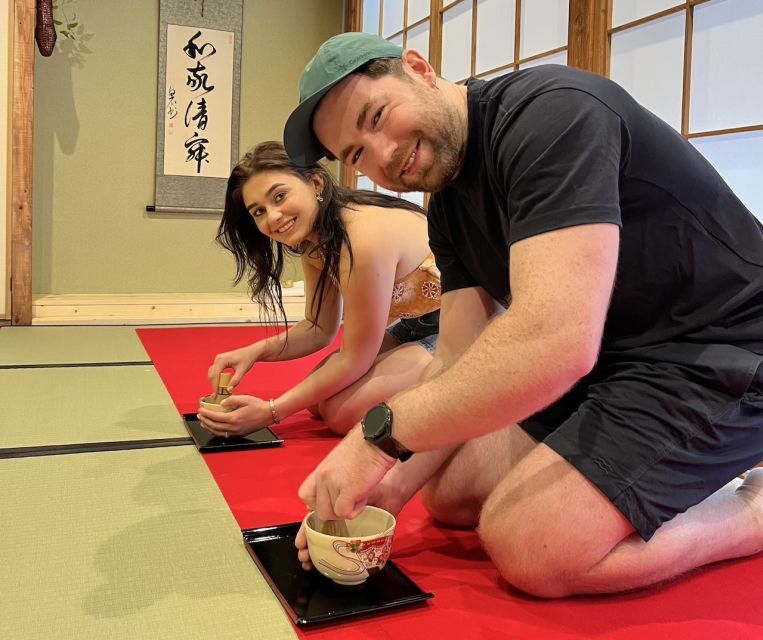
I’d book this Osaka tea ceremony if you want one of those rare activities where the whole point is learning something small and real—how to make matcha, what the ritual values, and how sweets are chosen to work with the drink. The hands-on matcha and the English guidance are the main reasons it feels worth the money.
Skip it if you’re looking for a long, sightseeing-heavy outing or if your group can’t follow quiet-room rules. Also, if your mobility is sensitive, plan mentally for sitting on the floor during the ceremony.
FAQ
How long is the Osaka tea ceremony experience?
The duration is 45 minutes.
How much does it cost per person?
The price is $25 per person.
What language is the tea ceremony taught in?
The host or greeter provides English, and the audio guide is also in English.
What do I do during the ceremony?
You receive a welcome and introduction, watch a live demonstration, then make your own matcha using traditional tea tools. You also taste the matcha and enjoy seasonal sweets.
What is included in the price?
Entrance fee, matcha (powdered green tea), and confections are included.
Where do I meet for the tour?
Meet at 大阪市中央区道頓堀1丁目東5-26 on the second floor. The instructions also suggest using Google Maps to search for tea ceremony osaka the osaka.
Are there age restrictions?
Yes. Over 5-years old children cannot participate. If you are accompanied by a child under the age of 5, you may be refused entry. If a child is under 4, contact the provider in advance.
Is food allowed during the ceremony?
Food is not allowed.
Are strollers or baby carriages allowed?
No. Baby strollers and baby carriages are not allowed.
Is there free cancellation?
Yes. You can cancel up to 24 hours in advance for a full refund.