REVIEW · OSAKA
Eat Like a Japanese with a Local Guide
Book on Viator →Operated by Foodprint Tours · Bookable on Viator
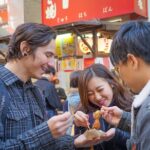
Neon lights and street food in one night. This Dotonbori food walk pairs a local guide with classic Osaka bites, from hot takoyaki to custardy purin. You’ll also hit the Glico Running Man sign area for that instantly-Osaka photo moment.
I love the variety packed into 2 hours 30 minutes, so you’re not stuck eating just one type of snack. I also like the small-group feel (max 10), which makes it easier to follow the plan without getting separated in the crowd.
One consideration: this is not a strict vegetarian-friendly tour, and Dotonbori can get line-heavy at the most popular counters, so patience helps.
In This Review
- Key Things to Know Before You Go
- How This Osaka Food Walk Works (Meeting Point, Pace, and What’s Included)
- Price and Value Check: Why $89.47 Can Make Sense
- Takohachi Dotonbori Main Store: Takoyaki With the Crispy-Gooey Sweet Spot
- Mattari-Purin Dotombori: Caramel Custard That Resets Your Sweet Tooth
- 551 Horai Ebisubashi Honten: Nikuman for Warm, Savory Comfort
- Honke Ootako Dotonbori Honten: Okonomiyaki Cooked for Your Eyes
- DEARBROS.ディアブロ道頓堀千日前店: Karaage With Lemon and Crunch
- Lord Stow’s Bakery: A Matcha Tart That Doesn’t Taste Like Basic
- Takoyaki Dotonbori Kukuru Dotonbori Minami: Yakisoba With That Umami Sauce
- Rikuro’s Namba Main Branch: Japanese Cotton Cheesecake
- Glico Running Man Sign: The Photo Stop That Explains Osaka’s Brand Power
- Pacing and Lines: The Real-Life Part of Street Food Tours
- Who Should Book This Osaka Food Tour (And Who Might Skip It)
- Should You Book Eat Like a Japanese With a Local Guide?
- FAQ
- How long is the Osaka food tour?
- Where does the tour start and end?
- What’s included in the price?
- What food stops are part of the tour?
- Do you get a vegetarian or vegan option?
- How big is the group?
- Can I cancel and get a full refund?
Key Things to Know Before You Go
- 2.5-hour, max-10 group format: manageable walking, easier pacing than big group tours
- Nine stops built around Osaka’s street-food lineup: savory, sweet, and a couple of “watch this cook” moments
- Guide language: English or Spanish to help you understand what you’re eating and how it’s made
- Toppings and sauces matter here: bonito flakes, mayonnaise, and specific sauces are part of the experience
- Expect some lines in Dotonbori: you’re eating where locals queue
How This Osaka Food Walk Works (Meeting Point, Pace, and What’s Included)

This tour is set up as a focused evening crawl through Dotonbori, starting at the Kani Doraku Dotonbori Main Branch area. The activity ends back at the same meeting point, so you don’t have to worry about navigating your way out when you’re full.
Time-wise, you’re looking at about 2 hours 30 minutes total, with short meal stops plus walking between them. Each tasting is designed to be just enough to keep the lineup moving, but you’ll still come away with that satisfied full feeling. A practical perk: the tour includes lunch, snacks, the guide, and gratuities, so you’re not doing mental math mid-tour about what’s covered.
Plan for the fact that you’re in a dense entertainment + food zone. The walk is short enough to keep energy up, but busy enough that you’ll occasionally stand while something sells out or gets ordered. If you hate waiting with your group, this is the part to mentally prepare for.
You can also read our reviews of more tours and experiences in Osaka
Price and Value Check: Why $89.47 Can Make Sense
At $89.47 per person, this is not a “grab a snack and wander” deal. The value is in three places that actually affect your experience:
- Multiple dedicated tastings across different specialties (not just one or two items repeated)
- A guide who helps you pick the right items and understand what you’re eating while you’re standing there
- Small-group structure (max 10), which can reduce the chaos factor in a neon district
Also, admissions are listed as free for the tasting stops on the day plan, which generally means you’re paying for the guided experience and the food set rather than separate entry fees. If you’re someone who likes to eat a variety of dishes without guessing how to order, this format can be a good shortcut.
Two small cautions on value:
1) Extra orders aren’t included, so if you get tempted by a second round, you’ll pay for it.
2) If your goal is a slow, sit-down meal with no crowding, street-food style tours can feel more “stop-and-go” than you expect.
Takohachi Dotonbori Main Store: Takoyaki With the Crispy-Gooey Sweet Spot
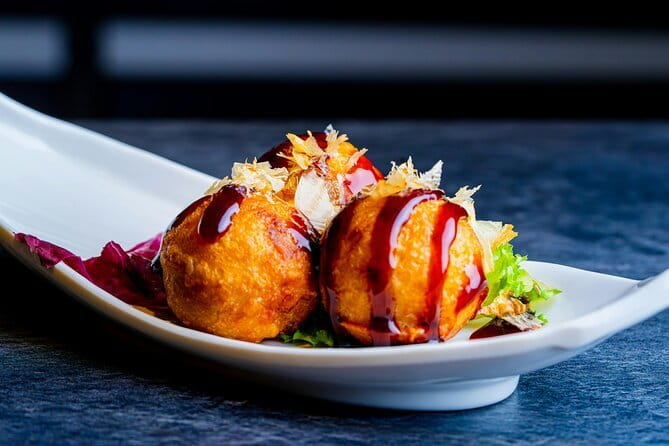
Your first stop is Takohachi Dotonbori Main Store, where you get Osaka’s signature street snack: takoyaki. These are small round balls of batter filled with diced octopus, plus extras like tempura scraps, pickled ginger, and green onion.
What makes takoyaki worth a guide at this stage is the texture. The ideal bite is crispy outside, soft and gooey inside. You’ll typically see takoyaki finished with takoyaki sauce (a sweet-tangy style similar to Worcestershire), Japanese mayonnaise, bonito flakes, and dried seaweed. Those toppings aren’t just garnish. They’re flavor design: sweet sauce + creamy mayo + salty umami + that slightly smoky bonito hit.
Practical tip: eat while hot. Takoyaki loses the contrast fast once it cools down, and part of the fun is the contrast between crust and center.
Mattari-Purin Dotombori: Caramel Custard That Resets Your Sweet Tooth
Next up is Mattari-Purin Dotombori for purin, Japan’s take on caramel flan-like custard. Purin is made from eggs, milk, sugar, and vanilla, cooked gently in a water bath so the texture stays smooth and tender.
The top layer is amber caramel syrup—sweet, with a slight bitterness that keeps it from tasting like dessert overload. For me, this kind of stop is smart because it changes the flavor rhythm. After savory bites, purin feels light, creamy, and easy to handle even when you’re already full.
If you’re the type who usually skips dessert because you’re too stuffed, this is a good one to try. It’s dessert, but it still feels like a snack between heavier dishes.
551 Horai Ebisubashi Honten: Nikuman for Warm, Savory Comfort
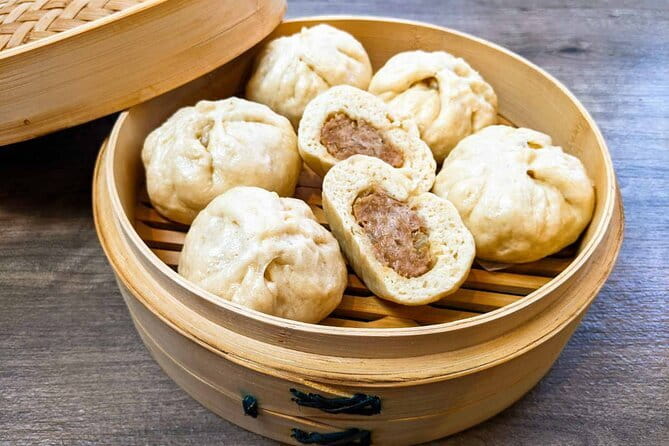
At 551 Horai Ebisubashi honten, you’ll try nikuman, a steamed bun with a savory filling (often ground pork, onions, ginger/garlic, and soy-based seasoning). The dough is soft and slightly sweet, which is a great match for the richer, juicy pork filling.
This stop is useful in the tour flow because steamed food can feel like a reset. It’s warm, it’s comforting, and it bridges savory street snacks without being as oily as some deep-fried options later.
Practical note: nikuman is best eaten while it’s still steamy-hot. The filling has the most flavor when it’s at temperature.
You can also read our reviews of more guided tours in Osaka



Honke Ootako Dotonbori Honten: Okonomiyaki Cooked for Your Eyes

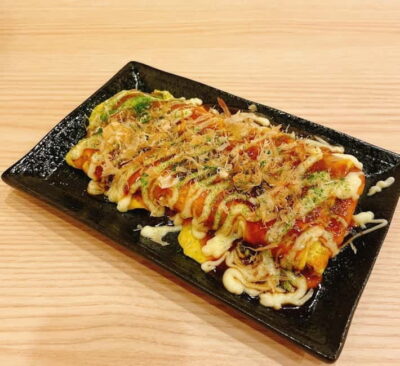
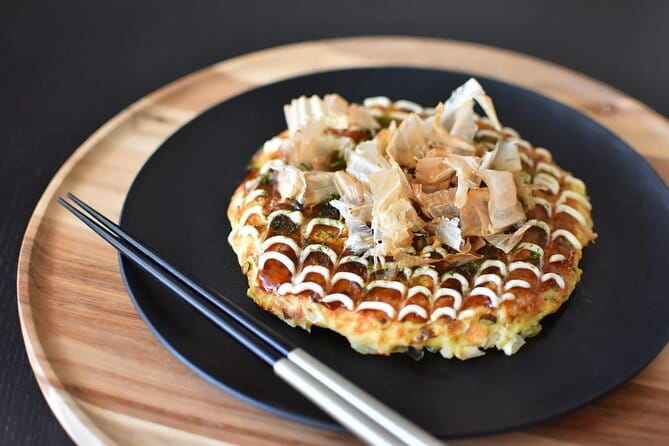
Then comes Honke Ootako Dotonbori Honten for okonomiyaki, Osaka-style savory pancakes. Okonomiyaki starts with a base of flour and eggs plus shredded cabbage, and you’ll often see add-ins such as pork, shrimp, or squid depending on what you order.
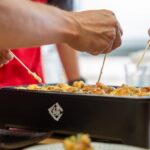
The key is the griddle transformation: cooked until golden and crisp on the outside, but tender inside. Then it gets finished with okonomiyaki sauce, Japanese mayonnaise, dried bonito flakes, and seaweed flakes.
The bonito flakes flutter as heat hits them, which is exactly why this dish feels like a “watch and eat” stop. You’re not just tasting—you’re seeing the heat and timing that make it work.
If you’re trying to choose what to order back at your hotel later, pay attention here. The balance of cabbage, batter, and toppings is what makes okonomiyaki addictive.
DEARBROS.ディアブロ道頓堀千日前店: Karaage With Lemon and Crunch
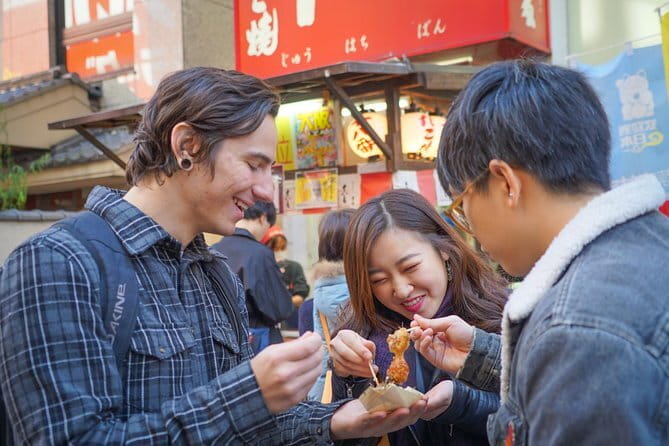
At DEARBROS.ディアブロ道頓堀千日前店, you’ll find karaage, Japan’s crowd-pleaser fried chicken. Karaage typically uses bite-sized meat marinated in a soy/garlic/ginger style mix, then coated in batter and deep-fried until golden.
The texture contrast is the whole point: juicy and tender inside, crunchy and crisp on the outside. It’s often served with lemon wedges, which is smart because lemon cuts through the richness and keeps you from feeling weighed down.
If you get to this stop and you’re already full, pace yourself. Karaage is delicious, but it’s also one of the most intense savory bites on the route.
Lord Stow’s Bakery: A Matcha Tart That Doesn’t Taste Like Basic

Next is Lord Stow’s Bakery (Ken’s Papa Marron) for a matcha tart. This is matcha in dessert form: earthy, slightly bitter matcha paired with creamy filling (often described as matcha with elements like white chocolate or cream cheese) tucked into a buttery, crisp tart shell.
What you should expect is a dessert that tastes more “tea-forward” than “sugar-forward.” The powdered matcha dusting (and sometimes decorative touches) makes it feel like a treat, not a vending-machine snack.
This is a good checkpoint because it’s sweet, but the matcha bitterness keeps it balanced. It also pairs well with the next stage—more noodles and then a final dessert.
Takoyaki Dotonbori Kukuru Dotonbori Minami: Yakisoba With That Umami Sauce
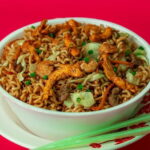
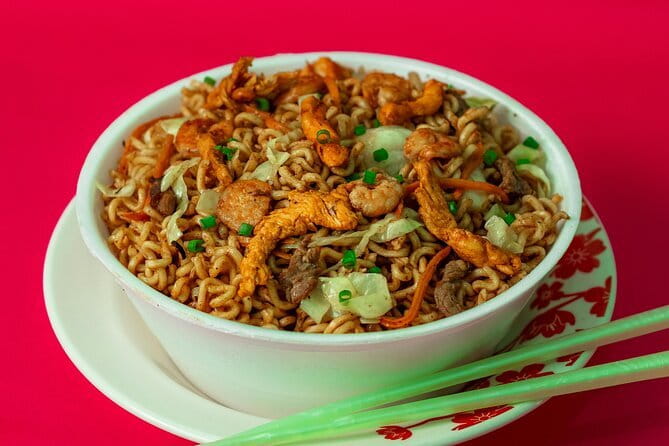
You’ll continue to Takoyaki Dotonbori Kukuru Dotonbori Minami for yaki soba—stir-fried noodles with cabbage and other veggies, usually with pork or a similar savory protein. The sauce mix is what gives it the signature taste: a blend that’s slightly sweet and deeply umami (often including Worcestershire-like notes).
Toppings commonly include pickled ginger, sesame seeds, and sometimes bonito flakes. This matters because ginger adds brightness and crunch. Without it, yakisoba can feel too one-note once you’ve had multiple savory stops.
If you’re the kind of eater who likes texture, this is one to savor between bites, not just chase like a quick snack.
Rikuro’s Namba Main Branch: Japanese Cotton Cheesecake
Then it’s Rikuro’s Namba Main Branch for Japanese cheesecake—often called cotton cheesecake because the texture is airy and spongy. It’s not the dense, slice-and-sink style many people expect from Western cheesecake.
Japanese cheesecake uses cream cheese, eggs, sugar, and some flour for a softer bake, creating a tender cloud-like inside and a golden top. It’s typically less sweet than many caramel desserts, which makes it a smart final stop after savory food.
Practical tip: since this tour is heavy on savory earlier, take one slow bite and decide if you want the rest now or later. It’s easy to overdo on the final dessert.
Glico Running Man Sign: The Photo Stop That Explains Osaka’s Brand Power
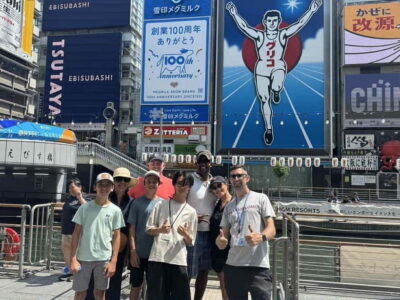
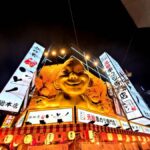
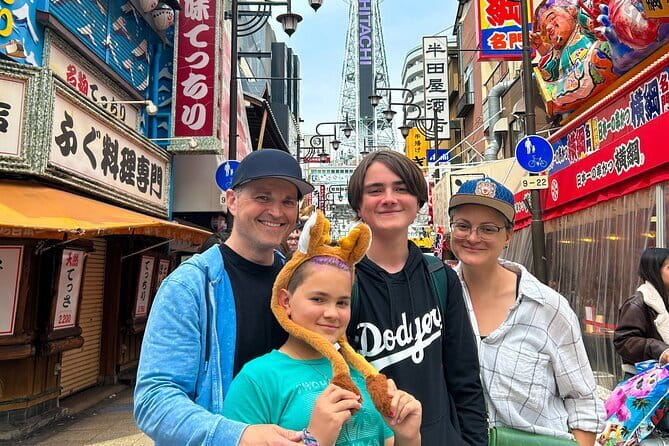
Near Ebisubashi Bridge, you’ll stop at the Glico Running Man sign in the Dotonbori area. This neon billboard is Osaka’s classic symbol of nighttime energy, with the running man crossing a finish line.
It’s been around since 1935, and it still works because it’s simple, bold, and instantly readable from far away. After a tour full of smells and flavors, this stop gives you a visual reset—and a nice way to anchor the night in one iconic frame.
Pacing and Lines: The Real-Life Part of Street Food Tours
Dotonbori is famous for a reason, which also means it can be famous for lines. You might spend more time waiting at popular counters depending on the day and the timing of your group.
The best version of this tour feels efficient: your guide keeps things moving, you’re not stuck staring at the menu for too long, and you can taste while food is fresh. When it works well, the walking segments don’t feel like filler—they feel like transitions that help your appetite catch up.
If crowds are your nightmare, do yourself a favor: come ready to stand, eat, and move. Street food is fast by design, and delays usually come from how busy the places are—not from the food itself.
Who Should Book This Osaka Food Tour (And Who Might Skip It)
This tour is a strong match if you want:
- A guided way to taste Osaka’s key street foods in one evening
- A manageable group size so you don’t get lost in the crowd
- An evening plan that includes both savory and sweet stops
It’s less ideal if:
- You need vegetarian or vegan options (there are none listed)
- You dislike food tours that involve standing in busy areas
- You only want one type of dish and would rather choose your own restaurant
Also, if you’re traveling with limited time in Osaka and want a concentrated taste, this is the kind of route that gives you a lot of reference points for what you should order later on your own.
Should You Book Eat Like a Japanese With a Local Guide?
I’d book it if your goal is to eat your way through Osaka’s street-food classics with a guide doing the decision-making for you. The lineup hits takoyaki, purin, nikuman, okonomiyaki, karaage, matcha tart, yakisoba, and Japanese cheesecake, then adds a quick landmark stop. That’s a lot of variety for one night, and the price feels more reasonable when you remember that lunch/snacks and gratuities are included.
I’d think twice if you’re vegetarian/vegan, or if waiting in lines will ruin your mood. In Dotonbori, crowd energy is part of the deal, and the tour design expects you to handle it.
If you go in with patience and appetite, this tour can be a fun, highly specific Osaka snapshot: neon, street smells, and a steady string of dishes you’ll actually remember.
FAQ
How long is the Osaka food tour?
It runs for about 2 hours 30 minutes.
Where does the tour start and end?
It starts at Kani Doraku Dotonbori Main Branch and ends back at the same meeting point.
What’s included in the price?
The price includes lunch, snacks, an English or Spanish guide, and gratuities. Extra orders are not included.
What food stops are part of the tour?
The tasting stops include takoyaki, purin, nikuman, okonomiyaki, karaage, a matcha tart, yakisoba, Japanese cheesecake, plus a photo stop at the Glico Running Man sign area.
Do you get a vegetarian or vegan option?
No vegetarian/vegan options are listed.
How big is the group?
The tour has a maximum of 10 travelers.
Can I cancel and get a full refund?
Yes. Free cancellation is available up to 24 hours in advance for a full refund.