Osaka can feel like a blur. This tour turns it into a guided stroll with real stories and street-level stops, from Hozenji Yokocho to Dotonbori. I like the mix of big-name highlights and smaller, offbeat lanes you’d miss on your own, plus the humor and personal history the guide brings to each place. I also like the comfort level of a walking pace that fits first-time visitors. One consideration: it’s still a walking tour, so plan comfy shoes and expect some time on your feet (especially if you choose the longer option).
This is a private tour for your group (or a group version if you pick it), and you can shape the day with a flexible 3, 4, 5, or 7-hour duration. Guides in the program have included names like Rahat, Knox, Meryem, Mari, Brian, Louis, Stephanie, Harry, Paul, and Rutti, and the common thread is that they tailor the route and share practical, place-specific advice on where to eat and how to move through town.
You’ll start near Namba and end back at the same meeting point, so you’re not stuck with a complicated end-of-day transit puzzle. The price is low for what you get—especially once you factor in the guide time plus the included drink and small snack.
In This Review
- Key reasons this Osaka route works
- Namba start: Hozenji Yokocho and the alleyway intro
- Dotonbori and the river-side essentials
- Shinsaibashi-suji and New Ebisu Bridge: shopping plus meeting points
- America Mura: Japan’s playful version of America
- Kuromon Market: fish heaven and a smart route through it
- The cosplay and gaming lanes: the “look left” part
- Optional add-on zones: Shinsekai on 4, 5, or 7-hour private tours
- Tower Knives Osaka lesson: on 4 or 5-hour private tours
- Abeno Harukas (300m) and Shitennoji for the longer private days
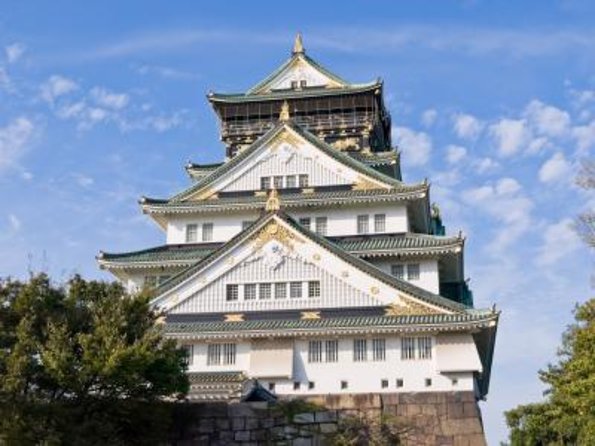
- Osaka Castle: unification-era context on 5 or 7-hour tours
- Ukiyo-e and an Osaka town reconstruction on the 7-hour private tour
- How the included snack and drink fit into the day
- Price and value: what $31.84 gets you
- Who should book this Osaka Kickstart tour
- Should you book it? My practical take
- FAQ
- How long is the Osaka Kickstart tour?
- Do I get a private tour or will I be with strangers?
- What’s included in the price?
- Are pickup and transport options available?
- What stops are on the main walking route?
- Which extra sights require choosing longer private tour durations?
- Are attraction entry fees included?
- What if the weather is bad?
Key reasons this Osaka route works
- Street-level Osaka, not just photo stops: alleyways, bridges, and back lanes that feel like everyday life
- A real guide with personality: the experience leans funny and personal, not stiff and scripted
- Food and shopping in the same flow: you’ll get street food plus time to browse major districts
- Flexible length, flexible sights: add Osaka Castle, Shinsekai, Abeno Harukas, and temple stops on longer private tours
- Optional transit help: you can request train or taxi use to keep the walking fair
- Guided first-day confidence: you leave with a mental map and restaurant ideas
Namba start: Hozenji Yokocho and the alleyway intro
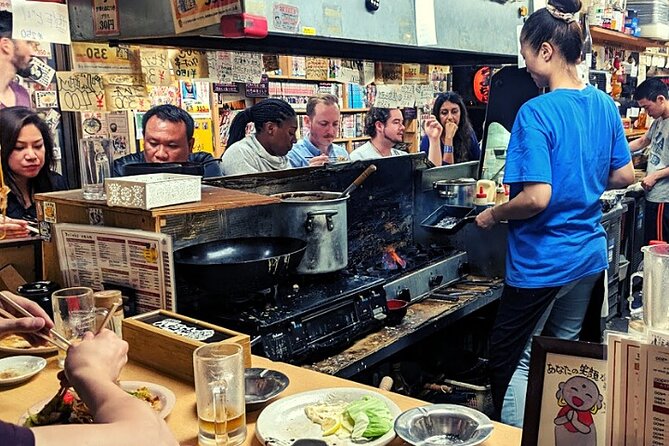
You begin in the Namba area and start moving fast into the Osaka vibe: lanes, little storefronts, and that “why is this street so interesting” feeling. The first stop is Hozenji Yokocho, a tight maze of cobblestone alleys where old Osaka character still shows. It’s the kind of place that looks like a time capsule until you realize you’re also seeing the present—small shops, street energy, and local habits in plain view.
A practical plus: this sort of start helps you loosen up right away. Instead of beginning with a big monument, you begin with small spaces where your guide can explain what you’re looking at. You’ll also notice walls with Osaka-themed history painted onto them, so it’s not just aesthetic. It gives you context you can carry into later neighborhoods.
If you’re sensitive to uneven ground, note that cobblestones and tight lanes can be a bit much. Bring shoes with grip, and don’t count on crowds moving quickly.
You can also read our reviews of more tours and experiences in Osaka.

Dotonbori and the river-side essentials
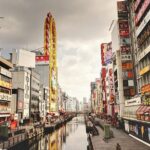
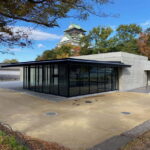
From Hozenji Yokocho, the route shifts toward the river world. Dotonbori is the must-see Osaka name, and the stop here focuses on the river area around Tsuribori—scenic, loud, and full of things to look at. This is the part of the trip where Osaka’s identity gets obvious: neon, entertainment signage, and the feeling that the city is always doing something.
The guide time matters here. Without it, Dotonbori can be overwhelming—too many storefronts, too much sensory noise, not enough sense of what’s worth your time. With a guide, you can spend your attention on the right side streets, and then circle back to the main sights with better instincts for what you actually want.
You’ll have time to browse along Shinsaibashi-suji soon after, so think of Dotonbori as your “orientation” moment: you see the big picture, then you learn how the neighborhoods connect.
Shinsaibashi-suji and New Ebisu Bridge: shopping plus meeting points
Next up is Shinsaibashi-suji, a lively shopping street where you can bounce between mainstream stores and the more quirky side of Japanese fashion and gadgets. It’s a good stretch for grabbing gifts, trying on ideas, or just watching what’s popular right now.
Then you move to New New Ebisubashi, a bridge area at the heart of the city. This one comes with history you can actually feel: the earlier bridge was made of wood in the 1600s, and centuries later the present version is made of iron. Locals treat it as a meeting spot, which is why it feels like a social hub rather than just a landmark.
For me, the value of these stops is simple: they give you a sense of daily Osaka movement. You’re learning how people actually use these spaces, not just ticking off a famous view.
America Mura: Japan’s playful version of America
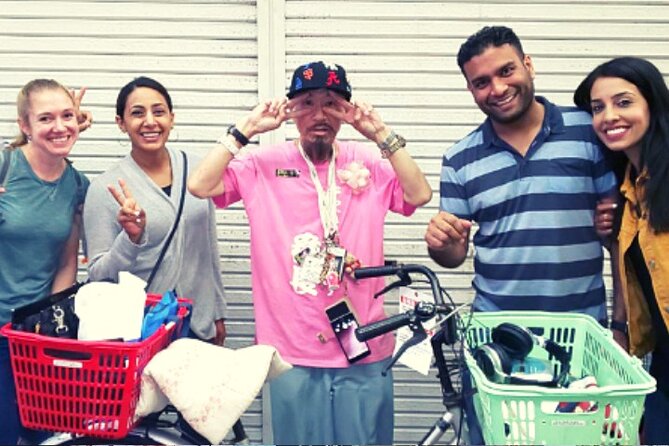
America Mura (American Village) is short on time and strong on tone. This area is Osaka’s funhouse mirror of America—street style, pop culture references, and the kind of visual jokes that make you laugh before you even read the signs.
The standout detail here is that it even has a Statue of Liberty figure on top of a building. It sounds silly, and it is, but that’s the point. It’s a reminder that Osaka is creative and self-aware. Your guide will help you read the area beyond the costumes.
If you love street fashion or pop-culture detours, this stop is a good payoff. If you prefer quiet, museum-only days, you may want to keep your browsing quick and save your energy for later neighborhoods.
Kuromon Market: fish heaven and a smart route through it
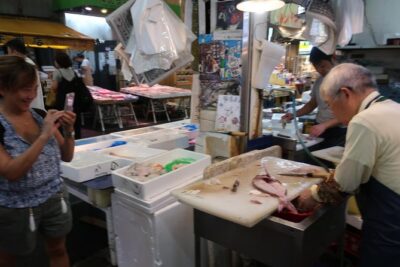
Then comes Kuromon Market, usually timed so you get the experience without feeling like you’re sprinting. This is one of the best places in Osaka to learn how street markets work. From the outside, many shops look plain, but step inside and it turns into seafood heaven.
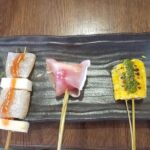
Even if you’re not making a big seafood purchase, this stop teaches you a lot: what looks fresh, how vendors display items, and how markets sell with energy. It also pairs well with the included small snack and drink, because you’re tasting Osaka while you’re visually learning Osaka.
The practical note: markets can be crowded and noisy. Wear layers you can manage, and keep your phone ready for quick photos of displays you might want to remember later.
The cosplay and gaming lanes: the “look left” part
Right near Kuromon, the tour includes time for tucked-away quirky stores—focused on the gaming and cosplay side of Osaka. This is the moment where the guide’s value is most obvious. These lanes can be tricky to navigate on your own, because the best stuff is usually behind unassuming doors.
If you’re into retro games, character culture, or just the general thrill of browsing niche shops, this section is fun and surprisingly satisfying. It’s also a nice reset from the heavier seafood focus.
Optional add-on zones: Shinsekai on 4, 5, or 7-hour private tours
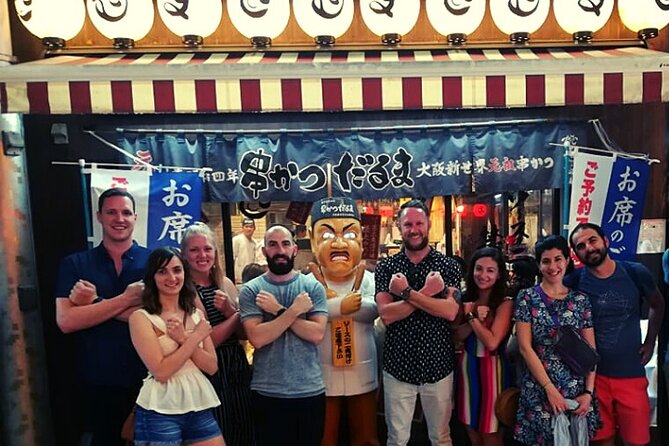
If you choose the longer private options, you can add Shinsekai, a retro neighborhood with a completely different mood. This area is known for quirky fishing restaurants, vintage game arcades, board game shops, and old vinyl stores. It feels like Osaka stepped sideways into another decade.
The guide’s job here is to keep it from becoming just a photo walk. With a local, you get pointers on what to check, what to skip, and how to spot the places that actually fit your interests. Shinsekai is also a good contrast to the glitz of Dotonbori, so your day feels varied instead of repetitive.
One consideration: it’s more about atmosphere and browsing than about one single “must-see” monument. If you want dramatic set pieces only, you might not care as much.
Tower Knives Osaka lesson: on 4 or 5-hour private tours
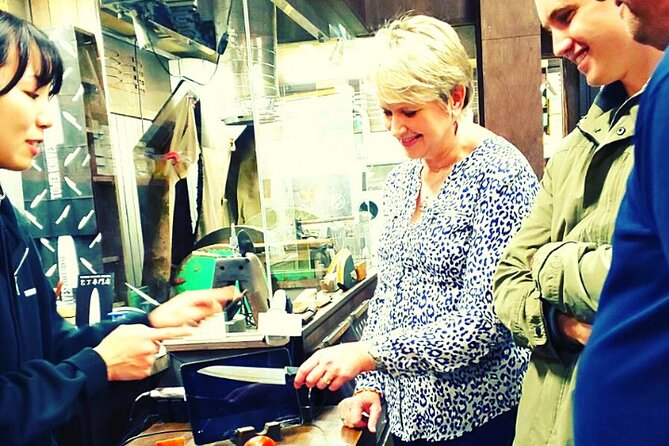
On 4-hour and 5-hour private tours, the itinerary can include Tower Knives Osaka with a knife lesson. You learn the process of how a knife is made, including details about crafting at the rear of the building, and then you get to try cutting as part of the experience.
This is a smart add-on because it adds a hands-on cultural skill to a day that’s mostly street-level. It’s also the kind of stop that can keep teenagers and adults engaged when the rest of the day includes shopping streets and markets.
If you’re short on interest in crafts or kitchen tools, you could treat this as optional and focus on the rest of the route. But if you like practical lessons, it’s a strong choice.
Abeno Harukas (300m) and Shitennoji for the longer private days
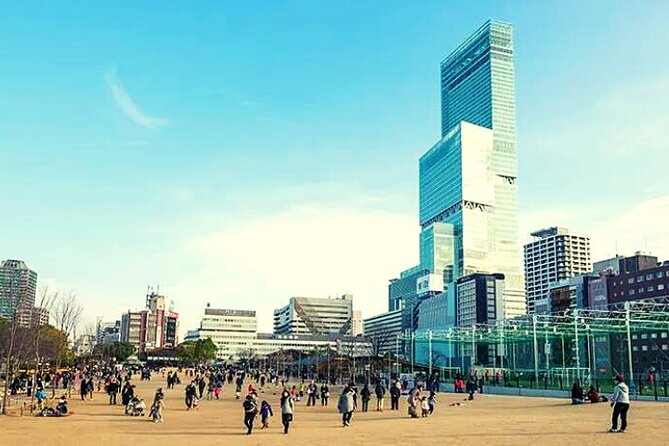
For 5-hour and 7-hour private tours, you may stop at Abeno Harukas. It’s described as Japan’s tallest building at about 300 meters. This is Osaka with scale—clean, modern, and impressive in a way that your earlier alley stops never were.
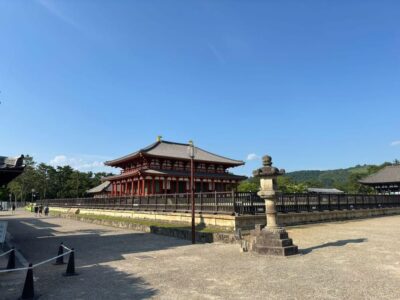
On 5- and 7-hour tours, you may also add Shitennoji, the first Buddhist and oldest officially administered temple in Japan. This isn’t presented as a “be impressed” exercise. The tone here is spiritual and quiet, even if you’re not religious, because that’s what old temples do: they change your pace without asking permission.
The main practical thing: temple stops often require some time for walking and observation, and the entry fee is not included. If you’re watching costs, plan for that.
Osaka Castle: unification-era context on 5 or 7-hour tours
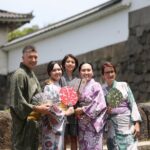
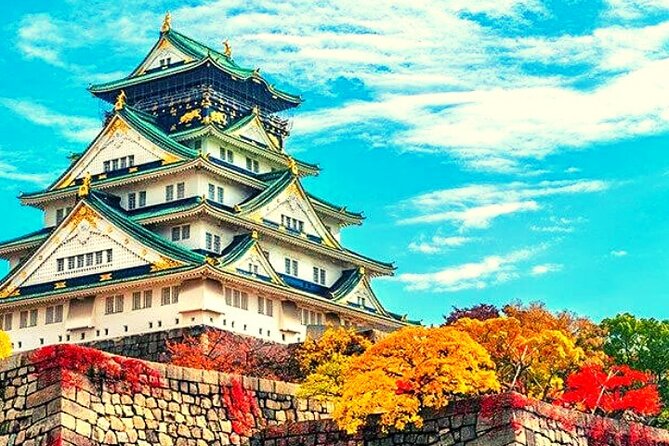
For 5- and 7-hour private tours, Osaka Castle becomes part of the day. The tour frames it around Osaka’s role in Japan’s unification years ago, which is exactly how to make a castle visit more than a photo background.
You’ll also get time to stroll the surrounding park, so the stop has a breathing-room feel. The castle experience can be more enjoyable when you understand why it mattered, not just when it was built.
As with the temple, entry fees are not included. Also, this is a popular site, so keep your schedule flexible and don’t expect total privacy around the main sights.
Ukiyo-e and an Osaka town reconstruction on the 7-hour private tour
On the full 7-hour private option, two museum-style add-ons can appear.
First is the Osaka Ukiyoe Museum, focused on ukiyo-e. It’s described as small but welcoming, with a mix of Edo period originals and newer works. For art-lovers, it’s the kind of stop that feels focused rather than overwhelming.
Second is the Osaka Museum of Housing and Living, which includes a reconstruction of an ancient Osaka town with houses, stores, and homes of the past. It’s not a heavy museum day in the way big institutions can be. It’s presented as a different kind of experience because you’re walking through a sense of daily life rather than reading about it only.
If you usually skip museums, you might still enjoy the reconstruction angle. It connects history to street patterns you saw earlier in the tour.
How the included snack and drink fit into the day
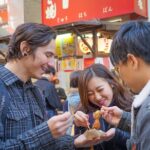
The tour includes one drink and one small side dish, usually a takoyaki ball, as well as optional train or taxi use if you request it. That matters more than it sounds.
First, you get a taste without needing to plan a sit-down meal. Second, it prevents the day from becoming only walking and browsing; you have a built-in moment to slow down. Third, taxis or train help (when requested) can keep a longer tour from turning into a “just get through it” slog.
If you want to eat later at a place the guide recommends, this included moment gives you enough energy to still enjoy the evening.
Price and value: what $31.84 gets you
At $31.84 per person, you’re paying for time with a guide plus a route that groups Osaka’s major identity districts into a single outing. The value is strongest if it’s your first visit or if you want to reduce decision fatigue.
Here’s why the price works: you’re not just buying access to a street. You’re buying interpretation—what to notice, where crowds tend to slow you down, and how neighborhoods link together. In reviews, guides like Rahat and Knox get praised for turning “sightseeing” into actual city understanding, and that’s where the money tends to show up.
The only real value risk is if you’re a self-guided power walker who already knows exactly where to go and what you want to eat. In that case, you might feel you’re paying for structure you’d build yourself.
Who should book this Osaka Kickstart tour
I’d book it if any of these fit you:
- You’re doing Osaka as a first-time visit and want a map in your head fast
- You like history, but you also want the story told through streets, not textbooks
- You want shopping, markets, and street food in one day
- You’re traveling with kids and want a guide to keep the pace fun and explain things in a way that sticks (guides like Mari and Brian were specifically praised for family-friendly energy)
- You enjoy pop-culture stops like cosplay and gaming lanes
I’d think twice if you hate walking, you want only one or two big-ticket monuments, or you’d rather plan meals with zero help.
Should you book it? My practical take
Yes—book it, especially for your first day in Osaka. The route gives you both the obvious icons and the smaller lanes that make Osaka feel personal. Guides such as Rahat, Knox, Louis, Stephanie, Harry, and Rutti show up in feedback as the kind of people who help you get oriented and then go one step further with humor and specific tips.
Pick the tour length based on your pace and your interests. If you want a fast intro, a 3-hour option can be a strong start. If you want more contrast and extra sights, go longer—Shinsekai, the castle context, and the longer private add-ons can turn a simple walking day into a fuller Osaka story.
FAQ
How long is the Osaka Kickstart tour?
It runs for about 3 to 7 hours, depending on the option you choose.
Do I get a private tour or will I be with strangers?
It’s listed as a private tour/activity, meaning only your group participates. A group tour option also exists based on the tour selection.
What’s included in the price?
You get a walking tour, a drink and a small side dish (usually 1 takoyaki ball), plus flexible tour duration (3, 4, 5, or 7 hours). Entry fees and most food are not included.
Are pickup and transport options available?
Pickup is offered. Also, you can request optional train or taxi use as part of the walking tour plan.
What stops are on the main walking route?
The core route includes Hozenji Yokocho, Dotonbori (river area), Shinsaibashi-suji, New New Ebisubashi, America Mura, Kuromon Market, and time for tucked-away gaming and cosplay stores.
Which extra sights require choosing longer private tour durations?
Shinsekai is available on 4, 5, or 7-hour private tours. Osaka Castle, Abeno Harukas, and Shitennoji appear on 5 or 7-hour private tours, and Osaka Ukiyoe Museum plus the Osaka Museum of Housing and Living are on the 7-hour private tour option. Tower Knives Osaka is on 4 or 5-hour private tours.
Are attraction entry fees included?
Entry fees are not included for attractions, except Tower Knives Osaka and Osaka Ukiyoe Museum, which are listed as included. Shitennoji and Osaka Castle entry are listed as not included.
What if the weather is bad?
This experience requires good weather. If it’s canceled due to poor weather, you’ll be offered a different date or a full refund.