REVIEW · OSAKA
Three Types of Ramen Cooking Class in Osaka
Book on Viator →Operated by Sakura Cook · Bookable on Viator
Three bowls, one lesson. This Osaka ramen class lets you make handmade noodles from scratch and turn them into salt, soy sauce, and miso ramen in one smooth, hands-on session.
I love the small-group feel (limited to eight), because it keeps the pace friendly and the instruction clear. I also love the value: you get the full meal—ramen you make plus dessert and green tea—along with ingredients, tools, and a printed recipe to take home. One consideration: it’s a 2.5-hour cooking sprint, and you’ll end up eating three different bowls, so go in ready for a big meal.
In This Review
- Key things to know before you book
- Why this Osaka ramen class feels different than a demo
- Price and what you actually get for $79.28
- Getting to the class: Banix 北堀江 meeting point basics
- The 2.5-hour flow: from apron to three ramen bowls
- 1) Apron up and start with handmade noodles
- 2) Build toppings for all three ramen types
- 3) Cook the soup bases and finish ramen assemblies
- 4) Dinner moment: itadakimasu and three bowls
- Who’s teaching and how the class feels in practice
- English support
- Vegetarian options
- What you can actually take home (and use later)
- Who this ramen workshop is best for
- Logistics you should plan for
- Group size and attention
- Mobile ticket
- Meal timing
- Should you book this Osaka ramen cooking class?
Key things to know before you book
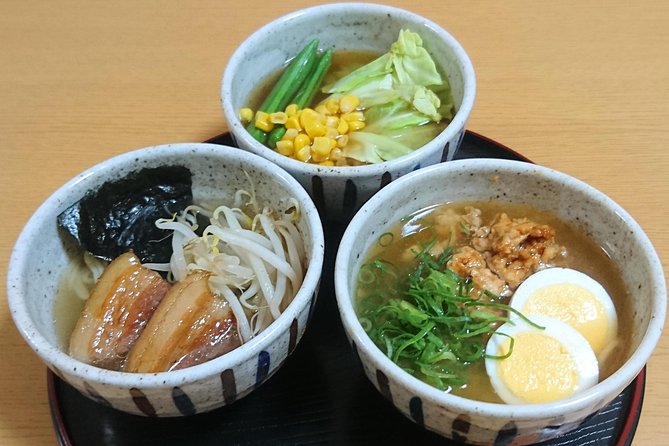
- Noodles from scratch: you make the dough first, not just assemble toppings.
- Three ramen styles, one class: salt, soy sauce, and miso, with different toppings and soup bases.
- Small group for real attention: limited to eight people, with a max of 12 travelers overall.
- Full food payoff: ramen meal plus dessert, green tea, and seasonal fruit.
- Take-home help: a printed recipe so you can actually repeat it at home.
- Taught with practical steps: multiple guests mention clear directions and easy-to-follow guidance (even for first-timers).
Why this Osaka ramen class feels different than a demo
In Osaka, you can eat amazing ramen any night. This class is for the nights when you want to learn how it’s built—from noodle dough to broth, toppings, and the final bowl.
What makes it genuinely satisfying is the mix of skills. You’re not just cutting vegetables and calling it a day. You learn how ramen starts with the noodles, then you move into three different flavor directions: salt, soy sauce, and miso.
And because it’s small, you’re less likely to feel stuck watching from the side. You get hands-on time, and the energy stays relaxed—even when you’re trying something new.
You can also read our reviews of more cooking classes in Osaka

Price and what you actually get for $79.28
For $79.28 per person, you’re paying for a full cooking experience that includes far more than tasting. You’re getting:
- Ingredients for lunch/dinner
- Kitchen utensils and equipment
- A printed recipe to take home
- Seasonal fruits
- The meal itself: your three ramen bowls plus dessert and green tea
That’s the key value point. Many food tours give you bites and a story. Here, you do the work and you eat the results. The class also includes a quantity detail worth noting: the total amount of noodles is 100g, split across the three ramen styles.
If you like ramen but also like cooking, this price is easier to justify than a simple dinner. You leave with both full bellies and a repeatable method.
Getting to the class: Banix 北堀江 meeting point basics
The class starts at Banix北堀江Japan, in Nishi Ward, Kitahorie. It’s listed as:
Banix北堀江Japan, 550-0014 Osaka, Nishi Ward, Kitahorie, 3-chōme62 システマギャラリー
The activity ends back at the meeting point, so you don’t have to plan a second trip after you’re finished eating.
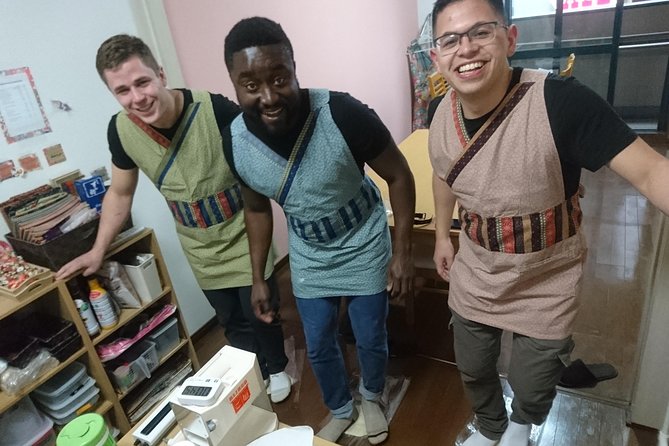
A practical tip: since this is a hands-on session, wear something you don’t mind getting a little flour or sauce on. You do get aprons at the start, but cooking can still be messy in real life.
The 2.5-hour flow: from apron to three ramen bowls
The schedule runs about 2 hours 30 minutes. While the exact minute-by-minute order can vary a bit, you can count on the same core rhythm: noodle making first, then building three ramen variations, then eating what you made.
1) Apron up and start with handmade noodles
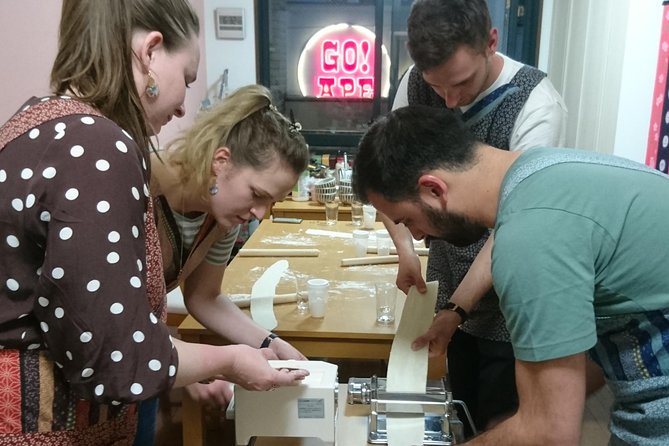
At the beginning, you put on an apron, and the class starts with making noodles by hand. This matters because ramen fans know the noodles are not a background detail. They’re the whole structure.
You’ll be working with fresh dough and learning the basic handling needed to form noodles. Many guests highlight that the process feels doable, even if you’ve never made ramen noodles before.
You can also read our reviews of more tours and experiences in Osaka




2) Build toppings for all three ramen types
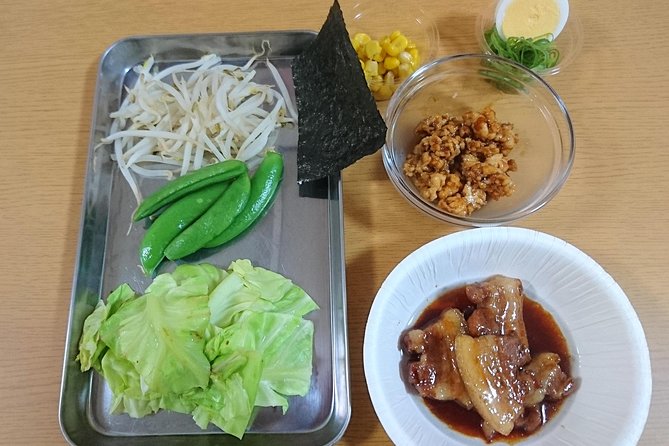
You’ll learn how to create three different flavor profiles by pairing each broth with specific toppings. The class focuses on both the soup style and the ingredients that make it taste like that style.
Here’s what you’re making:
- Salt Ramen
- Juicy sweet pork
- Bean sprouts
- Seaweed
- Soy sauce Ramen
- Steamed cabbage
- Green vegetables
- Sweet corn
- Miso Ramen
- Spicy chicken
- Boiled eggs
- Green onion
This is one of the best parts for beginners: instead of teaching 20 toppings, the class gives you three focused combinations that show how ramen changes with seasoning and ingredients.
3) Cook the soup bases and finish ramen assemblies
After the noodles and toppings steps, you move into cooking the ramen bowls. You’ll learn how the soup base changes for each style and how everything comes together in the bowl.
You’re also taught in a way that keeps you from feeling lost. Several guests mention that instructions are clear and that the class is well organized, with an emphasis on step-by-step guidance.
4) Dinner moment: itadakimasu and three bowls
When the bowls are ready, you eat them at the end. The class includes a neat cultural touch: you place the dishes with chopsticks and say Itadakimasu before eating.
Your meal includes dessert and green tea after the ramen, plus seasonal fruits as part of the included offerings.
A real-world tip from guest feedback: there may be chili oil at the end, and it can be potent. If you’re chili-leaning, go lightly first—you can always add more.
Who’s teaching and how the class feels in practice
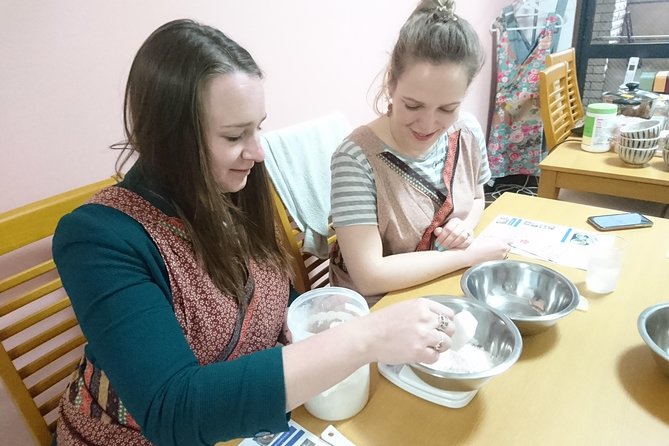
The experience is run by Sakura Cook. In the class vibe, the instruction style seems to be a big deal: guests repeatedly mention friendly, helpful hosts and detailed directions.
Some names that show up in guest comments include Fumi and Tomiko-san, and other hosts are referenced as Keiyo/Keigo. You can’t count on a specific person being your instructor, but the theme is consistent: patient teaching with hands-on correction.
English support
Several guests say the instructors speak good English. If you’re traveling from abroad and worry about language barriers, this is one of the reasons this class works well for first-timers.
Vegetarian options
One important detail: you can request a vegetarian-friendly version. A guest specifically described a vegetarian diet being handled thoughtfully, including ensuring the broth had no animal products. If that matters to you, message in advance so the kitchen can prepare correctly.
What you can actually take home (and use later)
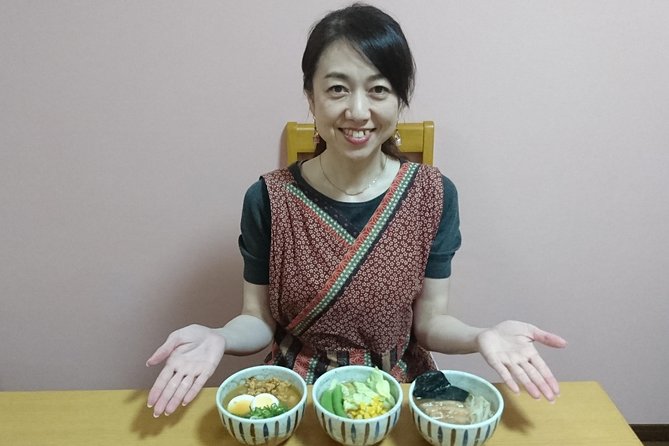
This isn’t just about eating ramen today. You leave with a printed recipe, which is a practical gift. It’s the difference between loving a meal and being able to recreate it.
Guests also mention feeling confident enough to try again at home, especially because the class includes noodle making rather than only soup assembly. If you’ve got a kitchen and want something that feels very Japan-but-doable, this is one of those lessons.
If you cook regularly, you’ll also pick up small technique tips along the way. Even if the exact results vary when you’re recreating at home, you’ll know what the steps are supposed to do: shape noodles well, build the right toppings, and balance the soup base for the style.
Who this ramen workshop is best for
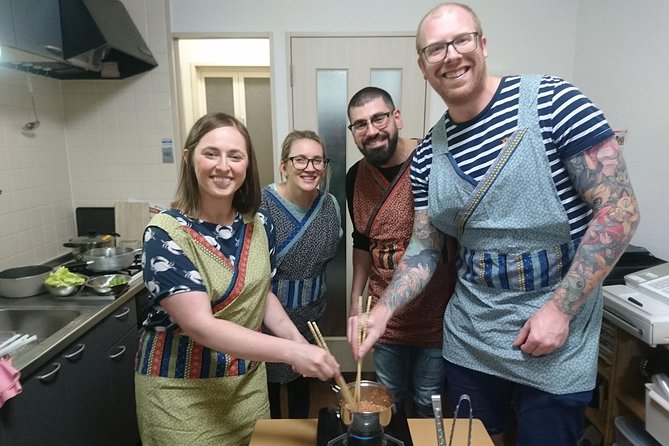
This class works especially well if you:
- Love ramen and want to understand what changes between salt, soy sauce, and miso
- Have never made noodles before but want a beginner-friendly setup
- Want a small-group experience where you’re not waiting in line for your turn
- Are traveling as a couple or family and want a hands-on activity
It’s also been described as suitable for kids, including a child around age 10 who followed directions well. If your child can handle basic cooking tasks (and you’re comfortable supervising), it can be a fun family memory.
Logistics you should plan for
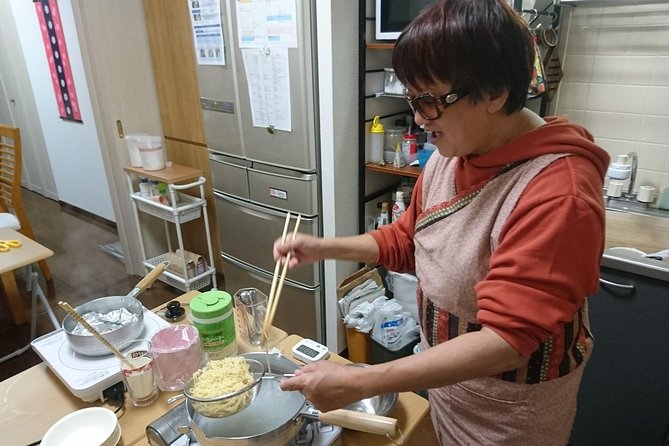
Group size and attention
The tour is limited to eight people, which usually means you get more direct help. Even though the overall maximum is 12 travelers, the small-group design is the big promise.
Mobile ticket
You’ll receive a mobile ticket. Bring your phone and plan to check in as instructed.
Meal timing
This is lunch/dinner format, and you end with three bowls plus dessert, green tea, and fruit. That means you should avoid heavy meals right before. Think of it as your main meal for the day.
Should you book this Osaka ramen cooking class?
Book it if you want ramen knowledge you can use, not just a nice meal. The strongest reasons are the same ones that keep showing up in guest feedback: you make noodles from scratch, you learn three distinct ramen styles in one class, and you leave with the recipe plus a full meal payoff.
Skip it if you’re short on time or you really just want to eat and wander. For a “one dinner and done” trip, there are cheaper ways to try Osaka ramen.
For most visitors, though, this hits a sweet spot: hands-on cooking, small-group instruction, and a result you can taste immediately—three times.