REVIEW · OSAKA
Deep Backstreet Osaka Tours (Option to add Dinner)
Book on Viator →Operated by Osaka Food Tours · Bookable on Viator
Osaka at night can feel like a different city. This walking tour takes you into Osaka’s lesser-seen backstreets for street-food tastings and stories about class, religion, and the city’s darker corners. I especially like the small group size (max 15) and the way the night mixes food with real local context; our guide Rudy and Alex style of storytelling is a good example. One consideration: you’ll cover about 3 hours of walking, and there can be a couple short standing moments.
You start at FamilyMart near Daikokucho (5:30pm), then move through narrow alleyways, retro shop zones, and hard-to-reach history sites you won’t find on a checklist. Guides like Mari and Knox bring humor and focus, so even heavy topics stay understandable. The tour ends back at the meeting point, and you can add dinner at an izakaya if you want a full “Osaka night” finish.
In This Review
- Key things that make this Osaka backstreet tour worth your time
- Backstreets First: What the Night Experience Is Really Like
- Price and Value: Getting More Than Snacks for $53
- Meeting Point at Daikokucho: Timing, Group Size, and Pacing
- Street-Food Stops: Two Family Stalls and the Osaka Flavors You’ll Use Later
- Retro Zones, Quirky Shops, and Narrow Alleys That Change Your Perspective
- A Place of Worship and the Stories Behind It
- Red-Light District History and Links to Yakuza
- Former Ghetto Areas, Abandoned Homes, and Social Class Pressure
- Adding Dinner at an Izakaya: Tonpeiyaki, Karaage, Nikudofu, Yakitori
- After the Tour: Getting Into the Right Osaka Mood
- Should You Book This Osaka Backstreet Food Tour?
- FAQ
- Where does the tour start and when does it begin?
- How long is the walking tour?
- How many people are in the group?
- What food is included, and is dinner available?
- Are alcoholic drinks included?
- What if the weather is bad or I need to cancel?
Key things that make this Osaka backstreet tour worth your time
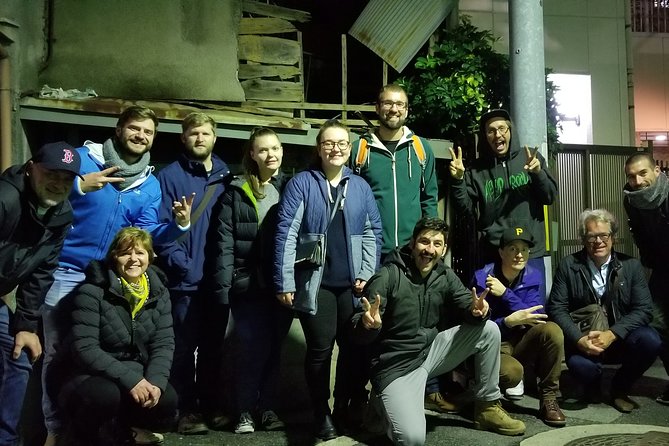
- Street food tastings at two family stalls, plus an optional izakaya dinner upgrade
- Old Osaka alleyways and retro shop areas with quirky sights most routes skip
- Sites tied to religion and the city’s complicated social history, explained clearly by a guide
- A structured look at the red-light district and its links to yakuza history
- A former ghetto area and abandoned-house zone, handled with context rather than shock value
- Optional dinner is vegetarian friendly, with dishes like tonpeiyaki, karaage, nikudofu, and yakitori
Backstreets First: What the Night Experience Is Really Like
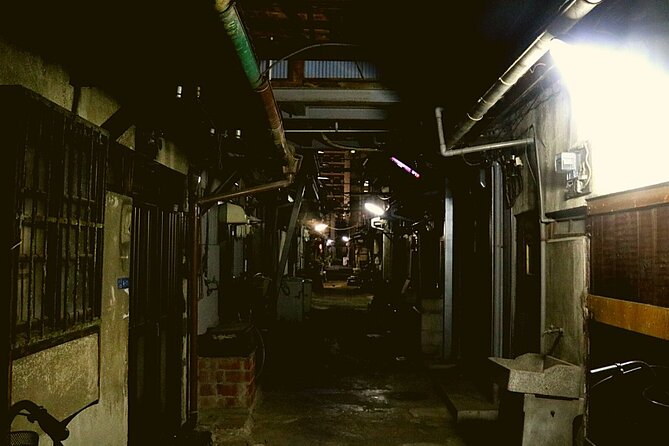
This tour is built for people who want Osaka with the lights turned down. Instead of only big-name sights, you’re led into tighter, older-feeling neighborhoods where the city looks lived-in—and where history shows up in unexpected places.
The core of the experience is the combo: food + walking + local explanation. That matters because street food alone can feel random. Here, the tastings connect to what the guide is talking about: how neighborhoods formed, what certain areas meant, and why some parts of Osaka stay controversial or misunderstood.
Also, the tone tends to be grounded. Guides such as Mari, Mark, and Knox show up in the storytelling, and you can feel the focus on why these topics exist today—sex work, gangs, homelessness, abandoned homes, mental health—without turning it into a scary show.
A practical note: the tour is still an evening stroll. Bring comfortable shoes and expect a few stops where you stand for explanations and regrouping.
You can also read our reviews of more tours and experiences in Osaka
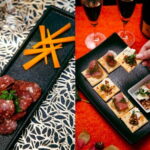

Price and Value: Getting More Than Snacks for $53
At $53.06 per person, this isn’t a cheap bite-and-bye tour. But you are paying for more than the food: you’re paying for a guided route through hard-to-find areas, plus multiple tastings and the context that helps you “read” what you’re seeing.
Here’s why the value can work well:
- You get street tastings at food stalls during the walk, not just one random stop.
- The itinerary is built around history and neighborhood storytelling, which can easily cost you more time (and money) if you try to DIY.
- There’s an optional dinner upgrade, which is where many people feel the money really clicks.
If you add dinner, the tour becomes close to a full evening plan: a paced 3-hour walk with food tastings, then a sit-down izakaya meal. And the dinner option is vegetarian friendly, which is rare enough that it’s worth planning around.
Meeting Point at Daikokucho: Timing, Group Size, and Pacing
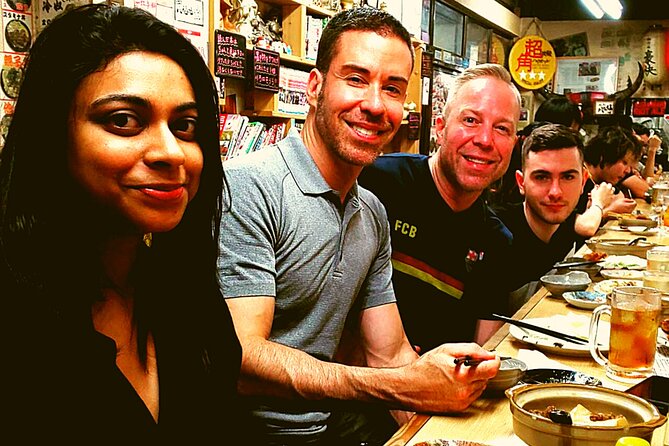
You’ll meet near FamilyMart MYS Daikokucho Station at 2-chōme-5-16 Shikitsuhigashi, Naniwa Ward, Osaka. Start time is 5:30pm, and the tour ends back at the same meeting point.
The group size is capped at 15 people max, which changes the feel. You’re not lost in a crowd. You get time to ask questions, and the guide can adjust the pace.
The walking time is listed as about 3 hours, and many people mention it feels manageable because there are breaks. That matters for an evening tour, especially if you’re doing multiple things in Osaka that day and your legs are already awake.
One small heads-up from past experiences: there can be short standing pauses near parks or open areas. That’s a good moment to wear or bring insect repellent, since standing still for a bit can mean mosquitoes.
Street-Food Stops: Two Family Stalls and the Osaka Flavors You’ll Use Later
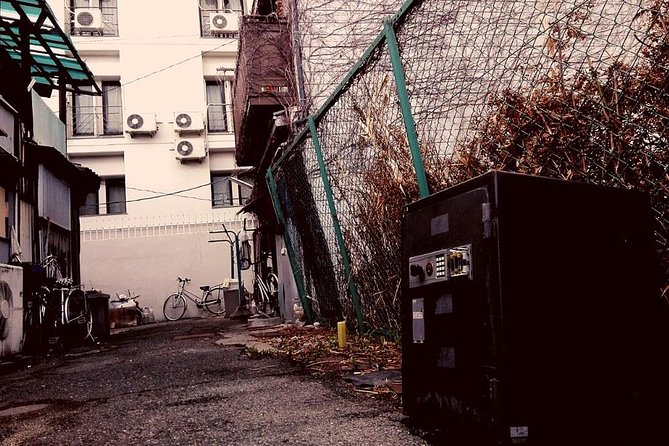
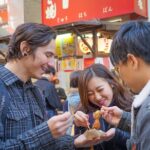
Food is the heart of this tour, and it’s not just one “taste” photo spot. During the walk, you’ll have tastings at two street-run, family-style stalls. The goal is simple: you get to sample a range of local flavors without needing to decode menus or hunt down where locals line up.
What I like about this setup is that Osaka street food can be a rabbit hole. A guided tasting gives you context fast:
- what the dish is
- how it’s commonly eaten
- and what it connects to in local food culture
Even if you’re a light eater, these are typically easier portions than a full meal. And since dinner is optional, the tastings help you avoid the common problem of either overeating too early or arriving at dinner too full to enjoy it.
If you’ve ever worried that “food tours” can just be a long snack parade, this one is structured. You’re walking through neighborhoods and learning why certain foods fit those areas.
Retro Zones, Quirky Shops, and Narrow Alleys That Change Your Perspective
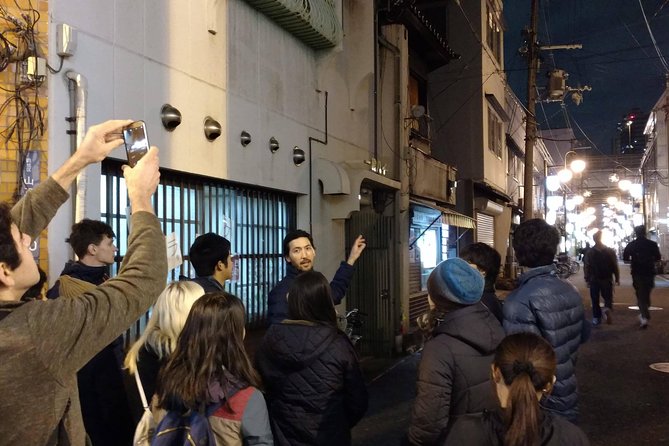
A major part of the route focuses on the old streets. You’ll move through a network of narrow, twisting alleys—the kind of lanes where Osaka feels less like a postcard and more like a working neighborhood.
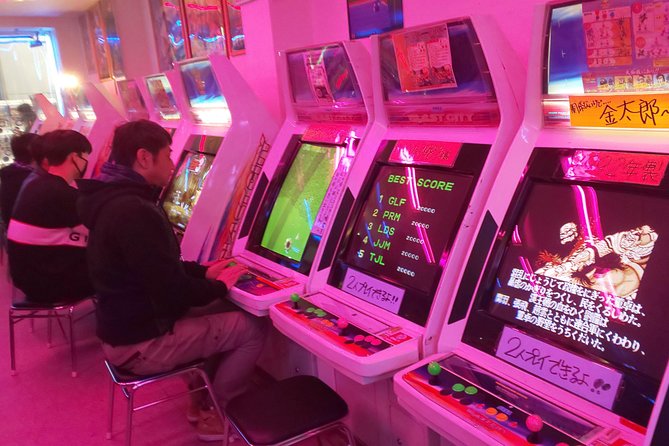
You’ll also hit an Osaka retro zone with bizarre, outlandish shops. This is where the city’s personality shows up: the storefronts aren’t trying to be polished for tourists. They’re built for regular local foot traffic.
These alley segments matter because they teach you something you can’t learn from a single landmark. The shape of the streets helps explain:
- why certain districts developed the way they did
- why some buildings get abandoned
- and why specific neighborhoods stayed “important” to certain groups
And yes, you’ll be out after dark, which adds contrast. Old alleys look different at night than in daylight, and the guide’s stories give you a reason to slow down instead of just rushing to the next photo.
You can also read our reviews of more tours and experiences in Osaka

A Place of Worship and the Stories Behind It
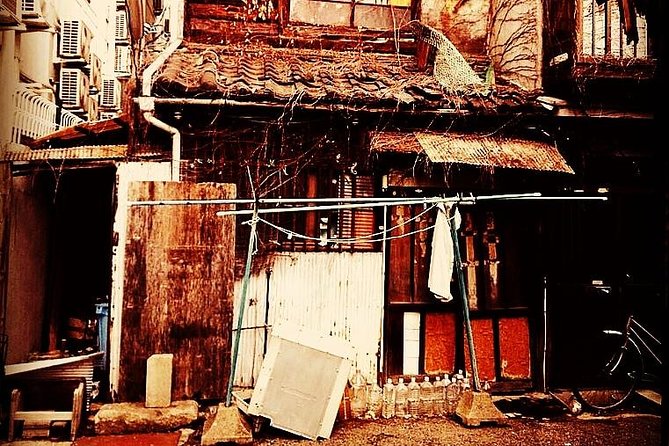
One stop is described as one of Osaka’s most important, but unknown, places of worship. That phrasing is doing work: it signals you’re not just collecting shrines for the bucket list. You’re learning how religion fits into everyday life in Osaka—and how people interpret it through the lens of local history.
You’ll also hear about topics tied to how society works: religion, class pressures, and the way reputation and identity can affect lives over generations. Some guides even connect the dots between culture and why certain properties end up abandoned.
This section is a good reminder that Osaka’s “darker” areas aren’t only about crime or scandal. They’re also about ordinary human systems—belief, family ties, and social expectations—that create real outcomes.
If you prefer your history light and simple, you’ll still leave with clarity here. The best guides keep it understandable, even when the content is heavy.
Red-Light District History and Links to Yakuza
One of the headline themes is a historical red-light district, with links to yakuza history. The guide frames it as part of Osaka’s social structure, not just as shock content.
This matters because a red-light district is often misunderstood from a distance. With a guide, you can start to see the “why”:
- how the district functioned historically
- how it intersected with organized crime
- and how those patterns left long-term marks on neighborhoods
You also get a stronger sense of how Japan handles taboo topics. That includes discussing sex work and how society treated—or ignored—people connected to it.
From an enjoyment standpoint, this section works when the guide keeps you moving and gives you clear context. People who enjoyed the tour often mention humor mixed with serious information, and that blend is what keeps the night from feeling grim.
Former Ghetto Areas, Abandoned Homes, and Social Class Pressure
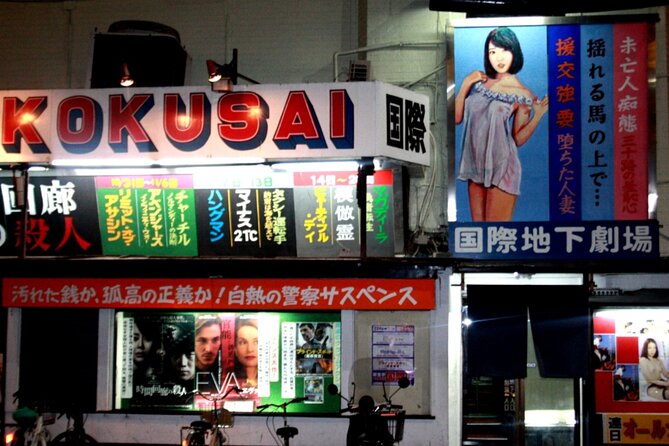
The route includes a ghetto area with a controversial past, plus an abandoned houses zone. These are the stops that set this tour apart from standard Osaka night walks.
You’re not only seeing empty or decaying buildings. You’re learning the social reasons behind abandonment—things like how family name and class can affect whether someone can keep or maintain property across generations.
It’s also where the tour can feel emotionally heavy. Past guides like Josh and others have been praised for explaining how class systems and social rules can shape mental health and daily life. That kind of context helps you avoid a tourist-only view of decay.
My advice: if you’re sensitive to heavy topics, plan your energy accordingly. Eat something light before you start, keep hydration in mind, and treat the walking time as part of processing what you’re learning—not just “sightseeing.”
Adding Dinner at an Izakaya: Tonpeiyaki, Karaage, Nikudofu, Yakitori
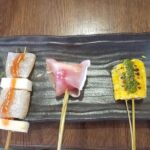
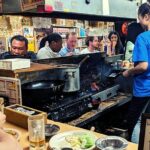
Want a complete night? Add the dinner option. This upgrade takes you to an izakaya and focuses on Osaka “soul food” you’re unlikely to find as an organized set on other tours.
What’s included is listed clearly:
- Tonpeiyaki
- Karaage
- Nikudofu
- Yakitori
- desserts
And it’s vegetarian friendly. That’s huge for planning. If you’ve traveled with someone who hates the idea of being “stuck with plain sides,” this is one of the better dinner upgrades for Osaka-focused eating.
Also, alcoholic drinks are not included with dinner. You can still order, but you’ll pay for beverages directly (the listing says prices are reasonable). That lets you control your budget and avoid the common surprise of an alcohol-heavy meal price.
One nice practical thing: you’ll already be hungry by dinner time. The street tastings plus walking set you up to enjoy the izakaya meal instead of picking at it.
After the Tour: Getting Into the Right Osaka Mood
The tour includes after-tour assistance if you want to go to a bar, shopping, or entertainment area. That helps if you don’t want to guess where to head next after you finish your walk.
It also keeps the night flowing. You’re not left standing around wondering if you should go back to your hotel yet or chase another neighborhood.
If you plan to bar-hop, tell your guide your vibe (quiet drink vs. louder street energy) and you’ll get a more useful suggestion than random trial-and-error.
Should You Book This Osaka Backstreet Food Tour?
Book it if you want Osaka with context. This is a smart fit if you like:
- street food tastings with guidance
- walking routes that include non-mainstream neighborhoods
- learning how social history, class, and taboo topics connect to real places
Don’t book it if you want a gentle, only-photo-friendly night. The tour covers controversial areas and abandoned homes, and you should be ready to listen. Also, wear good shoes and expect a steady pace for around 3 hours.
One last tip: if you’re choosing between the base tour and the dinner option, think about what you need most—food structure or a full night plan. If you’d rather let the night carry you, the dinner add-on is usually the easiest way to turn this into a complete Osaka experience.
FAQ
Where does the tour start and when does it begin?
It starts at FamilyMart MYS Daikokucho Station (2-chōme-5-16 Shikitsuhigashi, Naniwa Ward, Osaka) and begins at 5:30pm. The tour ends back at the meeting point.
How long is the walking tour?
The duration is about 3 hours.
How many people are in the group?
The tour is capped at a maximum of 15 people.
What food is included, and is dinner available?
You’ll do food stall tastings during the tour. There’s also an optional dinner at an izakaya, with dishes including tonpeiyaki, karaage, nikudofu, yakitori, and desserts. The dinner option is listed as vegetarian friendly.
Are alcoholic drinks included?
No. Alcoholic beverages are not included, but drinks are available at the restaurant at reasonable prices.
What if the weather is bad or I need to cancel?
The experience is weather-dependent. If it’s canceled due to poor weather, you’ll be offered a different date or a full refund. Free cancellation is available up to 24 hours in advance for a full refund.