REVIEW · OSAKA
Private Japanese Cooking Class in Osaka with Culinary Expert Yoko
Book on Viator →Operated by Traveling Spoon · Bookable on Viator
Cooking in Yoko’s home feels like a friendly invite. You’ll get a hands-on Japanese cooking lesson near Osaka Castle, with a culinary institute-trained cook guiding you through classic techniques and key ingredients like seaweed and dried fish. I love the practical, step-by-step teaching and the chance to taste sake and eat what you make. The main catch to consider is that the exact menu can change by season, so you might not get every dish you’re hoping for.
In This Review
- Shoes-Off Osaka, Personal Pace, Real Culture
- What You’re Really Buying: Skills, Not Just Dinner
- Key Things to Know Before You Go
- Cooking From Scratch in Yoko’s Osaka Apartment
- Why the private home format matters
- Finding Your Way: Minami-Morimachi Station and a Quick Start
- Shoes-Off Osaka: Slippers, Apartment Life, and Warm Welcome
- Ingredient Lessons: Seaweed, Dried Fish, and the Pantry Logic
- The 1.5-Hour Hands-On Cooking Sprint (Plus Demo Time)
- Ask questions like a local student
- What You’ll Make: Five Specialties and a Meal That Feels Like Dinner
- A helpful way to think about it
- Sake Tasting and Finishing With Green Tea Ice Cream
- Price and Value: Is $182 Worth It?
- Who This Class Suits Best (and Who Might Skip It)
- Small Details That Make It Feel Thoughtful
- Should You Book This Osaka Cooking Class With Yoko?
- FAQ
- How long is the Japanese cooking class?
- Where do I meet Yoko?
- Is this experience private?
- What’s included in the class?
- Do I need hotel pickup?
- How many dishes will I cook?
- Is the menu the same every time?
- Can I request a vegetarian or vegan option?
- Are there any dietary requirements I should share?
- Is free cancellation available?
Shoes-Off Osaka, Personal Pace, Real Culture
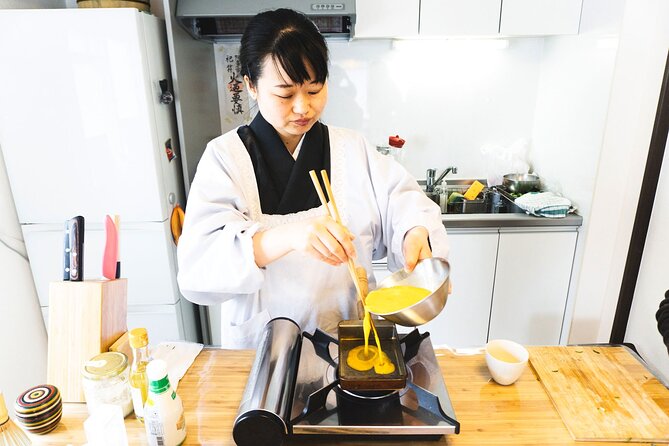
This isn’t a big commercial kitchen show. It’s a simple, clean apartment setup where Yoko walks you through how Japanese home cooking actually works—tools, timing, textures, and why certain ingredients matter. You’ll also get that “oh, this is how locals live” feeling fast: slippers on, shoes off, and a quick neighborhood tour before the aprons go on.
What You’re Really Buying: Skills, Not Just Dinner
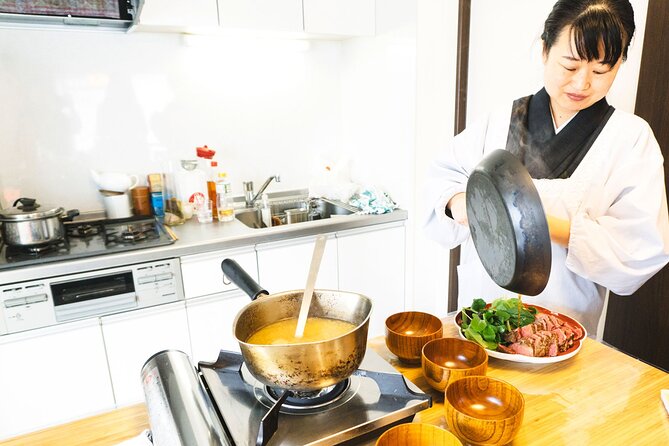
At $182 per person for about 3 hours, you’re paying for privacy, a home setting, and real instruction you can use later. If you like learning by doing—cutting, cooking, tasting—this class is easy to justify.
You can also read our reviews of more private tours in Osaka



Key Things to Know Before You Go
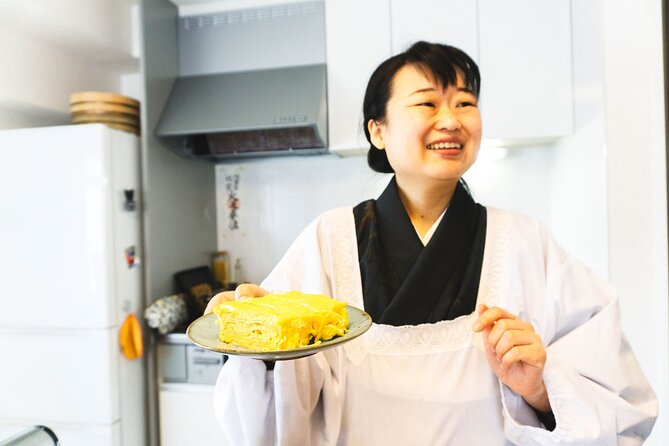
- Private home setting with Yoko: you’re in her space, so the pace stays personal.
- Five specialties, with three dishes cooked from scratch in the main hands-on stretch.
- Ingredient lesson built into the cooking: you’ll work with seaweed and dried fish, not just eat them.
- Sake tasting plus a shared meal: you’re tasting as you learn, then eating together.
- Seasonal menu changes: the core techniques stay, but the exact dishes may shift.
Cooking From Scratch in Yoko’s Osaka Apartment
Osaka is famous for food, but this experience zooms in on the quieter side of the story: Japanese home cooking. The heart of the class is Yoko’s kitchen rhythm—clear prep, quick live demos, then your turn with cutting and cooking. It’s not “watch and hope.” You’ll be active.
The best part is how much of Japanese cooking is about method. You’re not just learning recipes; you’re learning why a dish tastes the way it does. That’s why ingredients like seaweed and dried fish get explained early. These aren’t side notes. They’re flavor engines in Japanese kitchens.
Another big win: you’re not rushing through multiple stations. This is a single home setup with a calm flow. Even with the structured cooking time, it still feels relaxed—like dinner planning with a very capable friend.
Why the private home format matters
In a restaurant class, you might see tools and techniques. In a home class, you see what people actually do day to day—how ingredients are handled, how surfaces are managed, and how the cooking stays practical. You’ll also notice how Yoko teaches: she gives you the “what to watch for” so you can adjust on the fly.
If you’re the type who wants to recreate dishes later, this format usually sticks better in your head.
Finding Your Way: Minami-Morimachi Station and a Quick Start
The meeting point is Minami-Morimachi Station (Minamimorimachi, Kita Ward). You meet Yoko there, then you head out together. You’re not juggling multiple pickup stops or waiting for a big van. It’s straightforward.
This matters because home cooking needs time. The class runs about 3 hours, and the schedule depends on getting from point A to point B without stress. Arrive a little early so you can get settled and start the neighborhood walk calmly.
You also get a sense of Osaka beyond the usual tourist route. Yoko takes you through her area first, which helps you feel less like a visitor and more like you belong in the scene.
You can also read our reviews of more cooking classes in Osaka



Shoes-Off Osaka: Slippers, Apartment Life, and Warm Welcome
The first culture moment hits right when you enter. Yoko has slippers ready, and you remove your footwear before going further. That little ritual isn’t just tradition—it’s part of the comfort and cleanliness of Japanese home life. It also instantly changes your mindset: you’re not standing in a public space. You’re inside someone’s daily world.
Yoko’s apartment is described as simple and clean, and the location is near a major tourist sight—Osaka Castle—so you get an interesting contrast. You’re close to the crowds, but the class itself stays quiet and local.
And yes, you’ll likely feel the difference in teaching style too. When someone’s inviting you into their home, they tend to slow down and explain. That’s exactly what happens here: Yoko introduces Japanese cooking techniques, then connects them directly to the five dishes you’ll be working with.
Ingredient Lessons: Seaweed, Dried Fish, and the Pantry Logic
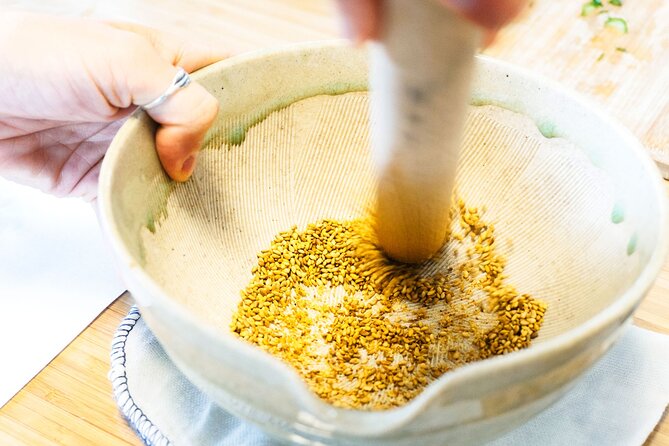
One of the smartest parts of this class is how early you learn what key ingredients do. Before you cook, Yoko shows and explains items like seaweed and dried fish. Even if you’ve eaten Japanese food before, it can be hard to understand why these ingredients are so central.
Here’s what to listen for: Japanese flavor often comes from layers—umami bases, balancing notes, and quick cooking that preserves texture. Seaweed and dried fish often act like flavor foundations, so understanding them helps everything you make taste more coherent.
This is also where the class can pay off at home. When you cook later, you’ll know what role each ingredient plays. That makes it easier to substitute when your local store doesn’t carry the exact Japanese product.
If you like adapting recipes rather than copying blindly, this teaching approach is a big deal.
The 1.5-Hour Hands-On Cooking Sprint (Plus Demo Time)
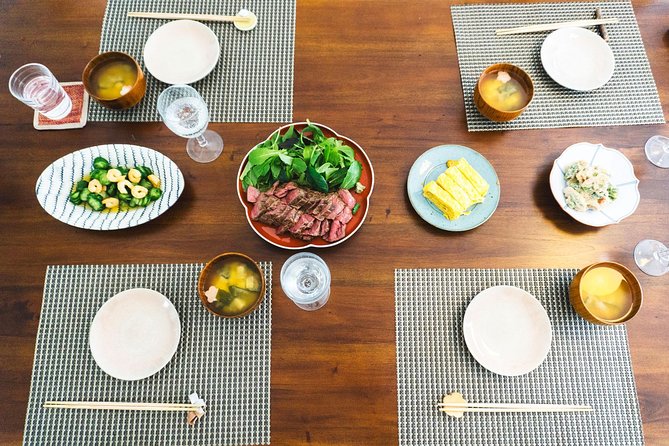
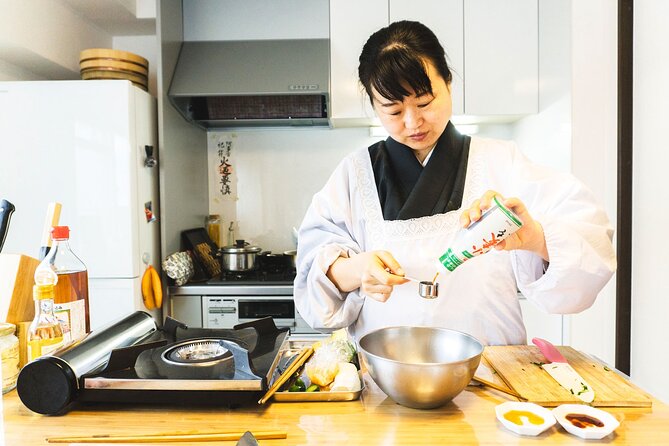
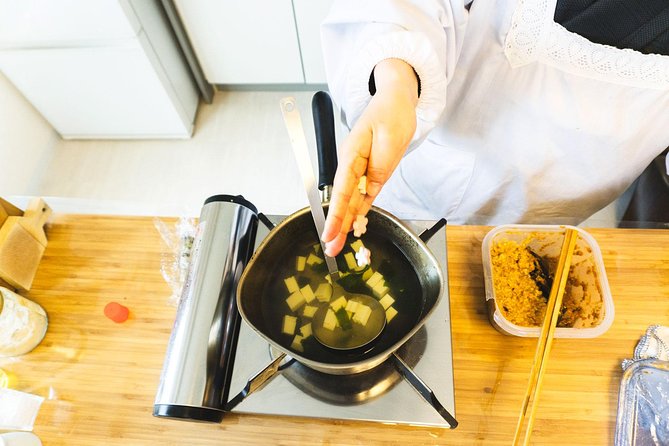
The class blends live demonstrations with actual hands-on cooking. Yoko preps some items ahead of time, then you step in for cutting and cooking. In the main cooking window, you’ll cook three dishes from scratch.
Think of it like this:
- You get a demo so you understand the “shape” of the dish.
- Then you do the parts that matter most—cutting, mixing, timing, heat control.
- Yoko explains as you go so you don’t feel lost when something changes (like ingredient texture or sauce thickness).
This matters because Japanese cooking can be precise without being complicated. It’s not about fancy tricks. It’s about cues: how things look, smell, and feel. A hands-on class is the best way to learn those cues quickly.
Ask questions like a local student
Feel free to ask about cooking styles, technique choices, and how you’d recreate the dishes with what you can find at home. One of the best outcomes of this experience is leaving with “secret” tips and practical adjustments you can actually use.
What You’ll Make: Five Specialties and a Meal That Feels Like Dinner
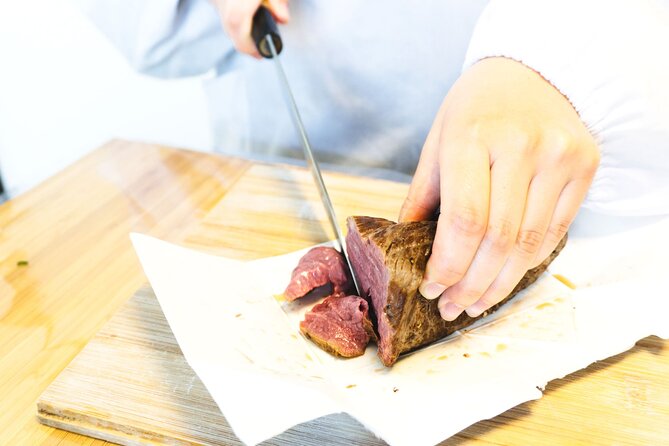
The experience centers on five different Japanese specialties, and the menu may vary depending on the season. That’s important. If you only book expecting a specific list of dishes, you might be disappointed when the season shifts.
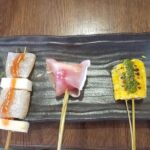
What you might see in the final meal includes sushi, pancake, or Japanese fried chicken. Even if those exact items don’t land on your day, the key takeaway stays consistent: you’re learning a range of classic styles.
A helpful way to think about it
Instead of hunting for one perfect dish, look at this as a menu of techniques. Sushi-style elements teach you about rice and handling. Pancake-style elements can teach batter balance and pan timing. Fried chicken-style elements teach coating and crispness. Then you connect those techniques to the ingredients you learned earlier.
That’s why you’ll likely enjoy the meal more than you expect. It’s not just eating. You’re eating with context.
Sake Tasting and Finishing With Green Tea Ice Cream
This class includes sake tasting, which is a fun way to round out the meal. It’s part of the overall culture experience, not an afterthought. You’ll taste alongside your cooking so you can think about pairing and flavor balance as you eat.
Then comes dessert: green tea ice cream. It’s a clean, familiar finish that fits the meal’s flavors. Japanese-style finishing desserts often feel lighter and less sugary, and this one tends to land that way.
The overall structure—learn, cook, taste, eat—keeps the evening moving. You’re never waiting around without purpose.
Price and Value: Is $182 Worth It?
Let’s talk money plainly. At $182 per person for about 3 hours, you’re paying for:
- A private, personalized experience in a local home
- A culinary institute-trained chef/culinary expert (Yoko)
- Hands-on cooking time plus demos
- Sake tasting and the home-cooked meal
- Ingredient instruction and cultural context
Is it cheaper than eating out in Osaka? Usually, yes—dinner for two can be far less. But you’re not just buying food. You’re buying instruction you can repeat later.
If your goal is to leave with real cooking confidence, then this is strong value. You’re effectively paying for a guided skills session plus dinner, in a way that feels genuinely local rather than staged.
Also, booking tends to happen earlier rather than later (it’s typically reserved well in advance). If you know your dates, lock it in sooner to avoid schedule pressure.
Who This Class Suits Best (and Who Might Skip It)
This experience is perfect if you:
- Want hands-on instruction, not just watching
- Enjoy Japanese food enough to care about technique and ingredients
- Like private, low-stress settings where you can ask questions
- Want a cultural exchange that feels real, not scripted
You might consider a different option if:
- You’re extremely picky about specific dishes and can’t handle seasonal changes
- You prefer large group cooking classes with a more public, upbeat vibe
- You don’t like being in a home setting where you’ll remove shoes and follow indoor etiquette
One nice note: vegetarian and vegan options are available, but you need to request them when booking. So if your diet has restrictions, plan early and be clear.
Small Details That Make It Feel Thoughtful
A few things add up to a better experience:
- Slippers and shoes-off entry make it feel truly inside the home.
- The pace stays personal because it’s private—your group only.
- The class teaches more than one dish, but the hands-on part still feels manageable.
- Yoko’s teaching style is described as thorough and generous, and you’re encouraged to ask questions.
Also, it’s not positioned like a commercial “school.” It’s a visit into a local home to meet an expert cook and share Japanese culture through food. That matters if you’re tired of experiences that feel like performance.
Should You Book This Osaka Cooking Class With Yoko?
If you want an Osaka experience that’s practical, intimate, and tied to skills you’ll use later, I’d book it. It’s one of those rare meals where you leave thinking, I can actually make this at home—and understand why it tastes right.
Book it especially if you:
- Love Japanese flavors and want the ingredient logic (seaweed, dried fish, technique)
- Want private teaching, not a crowded demo
- Prefer learning by doing, with tasting and a real sit-down meal
Just go in with the right expectations: the menu can vary, and you’re entering a home. If that fits your travel style, you’ll come away with both better food memories and better cooking habits.
FAQ
How long is the Japanese cooking class?
It runs for about 3 hours.
Where do I meet Yoko?
You meet at Minami-Morimachi Station (2 Chome-1 Minamimorimachi, Kita Ward, Osaka).
Is this experience private?
Yes. It’s private, and only your group participates.
What’s included in the class?
You get a private home cooking class with Yoko, a home-cooked Japanese meal, sake tasting, and pick up from Minami-Morimachi station.
Do I need hotel pickup?
No. Hotel pickup and drop-off are not included.
How many dishes will I cook?
You’ll prepare five different specialties overall, and during the cooking portion you’ll cook 3 dishes from scratch.
Is the menu the same every time?
No. The menu may vary depending on the season.
Can I request a vegetarian or vegan option?
Yes. Vegetarian and vegan options are available if you advise at the time of booking.
Are there any dietary requirements I should share?
Yes. You should advise any dietary requirements in the Special Requirements box at the time of booking.
Is free cancellation available?
Yes, you can cancel for a full refund up to 24 hours before the experience starts.