REVIEW · OSAKA
Osaka Sake Tasting & Takoyaki Cooking Experience
Book on Viator →Operated by MOMO to SAKE · Bookable on Viator
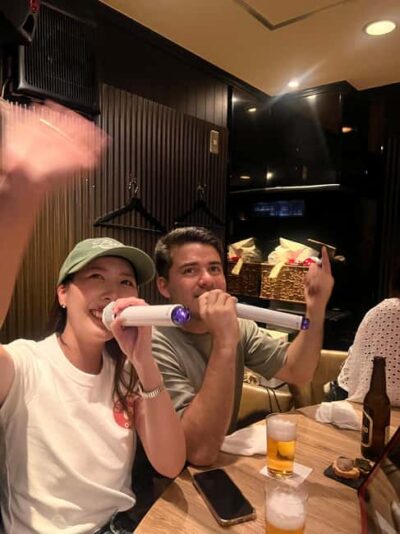
Sake and takoyaki together is a rare two-for-one. I like the small group size (max 6), which makes the tasting and cooking feel personal. I also like that the session is led by Momoko, a certified sake sommelier who teaches you how to choose sake with confidence. One consideration: it’s a hands-on, drink-and-cook format, so plan to be fully present for about two hours and not squeezed between appointments.
You’ll pair an easy sake primer (history, culture, and the making process) with a real Osaka street-food project: grilled octopus balls, takoyaki. The class runs in an intimate kitchen setup near Higashishinsaibashi, and it works well whether you start in the afternoon or later in the evening. The best part is that you cook, eat what you make, and then enjoy sake together.
Come hungry. The experience is built so you’ll eat after you cook, not just snack around the edges. Also, there’s no hotel pickup, so you’ll want to reach the meeting point by public transit.
In This Review
- Key things I’d circle on your Osaka plan
- Where you’ll meet in Osaka (and why it’s a smart location)
- The two-hour flow: how the night (or afternoon) moves
- Sake tasting with Momoko: what you’re actually learning
- Takoyaki DIY in a small kitchen: batter, cooking, and the flip
- The secret recipe plus wagyu and cheese: why the food feels special
- How afternoon vs evening options change your Osaka plan
- Price and value: does $72.67 make sense here?
- Who this experience fits best (and who might want something else)
- Should you book this Osaka sake and takoyaki class?
- FAQ
- How long is the Osaka sake and takoyaki experience?
- What’s included in the class?
- Do I need to bring transportation or is pickup included?
- How many people are in the group?
- Are there afternoon and evening options?
- Where do I meet for the activity?
- Is the ticket mobile?
- What is the cancellation policy?
- Are service animals allowed?
Key things I’d circle on your Osaka plan
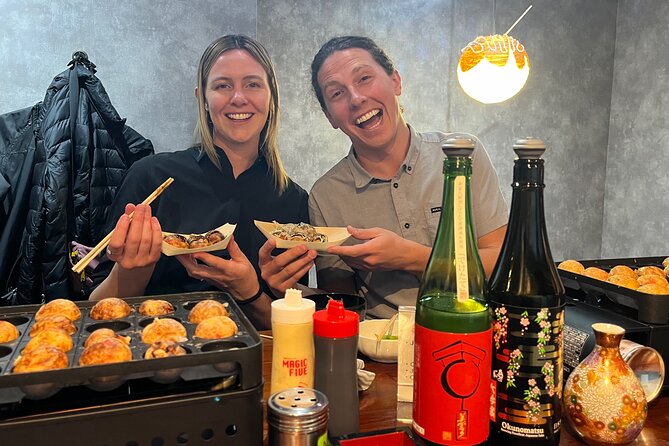
- Sake 101 from Momoko (certified sake sommelier): learn the basics and how to pick drinks at restaurants
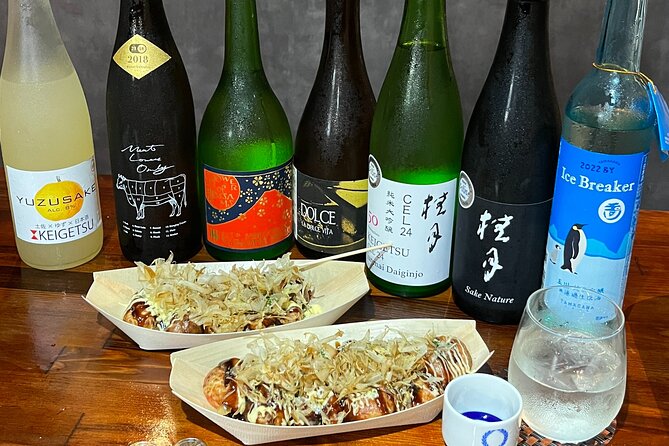
- A menu with 10+ sake options: legal adults choose from a range of Japanese sake
- Takoyaki DIY with a secret recipe: you’ll make grilled octopus balls and taste what you produce
- Special add-ins like wagyu and cheese: savory upgrades beyond the usual street-stall version
- Small kitchen + max 6 people: easier questions, slower pacing, more hands-on time
- Afternoon or evening options: flexible timing without losing the full experience
Where you’ll meet in Osaka (and why it’s a smart location)
You’ll start at MOMO to SAKE ~Osaka Saka Tasting with Takoyaki DIY~ Japan, in Chuo Ward. The exact meeting point is listed as: 1-chōme 6-22 吉春会館 2F, Higashishinsaibashi area (542-0083).
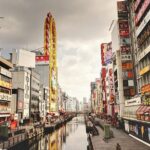
This matters because Higashishinsaibashi puts you in the Osaka groove—close enough to major sights that you can roll right into the day’s food and walking afterward, but not so far out that you waste time commuting. Since the class is near public transportation and there’s no hotel pickup, it’s best when you’re already planning to spend time in central Osaka.
You can also read our reviews of more food & drink experiences in Osaka
The two-hour flow: how the night (or afternoon) moves
Think of it as two connected lessons: first sake, then takoyaki, and finally a shared meal with the drinks.
1) You begin with the sake tasting component. Momoko guides you through the basics: what sake is, how it’s made, and how different styles fit Japanese dining culture.
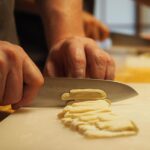
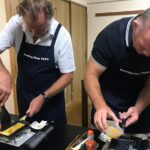
2) Then you move into cooking. You’ll follow instructions step-by-step to make takoyaki batter and cook the balls.
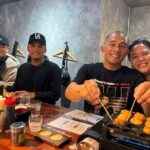
3) You eat your fresh takoyaki as part of the experience, with sake served after cooking so the flavors land while everything is warm.
Two hours sounds short, but that’s the point. You get real, hands-on output rather than a long sit-down talk that eats up your evening.
Sake tasting with Momoko: what you’re actually learning
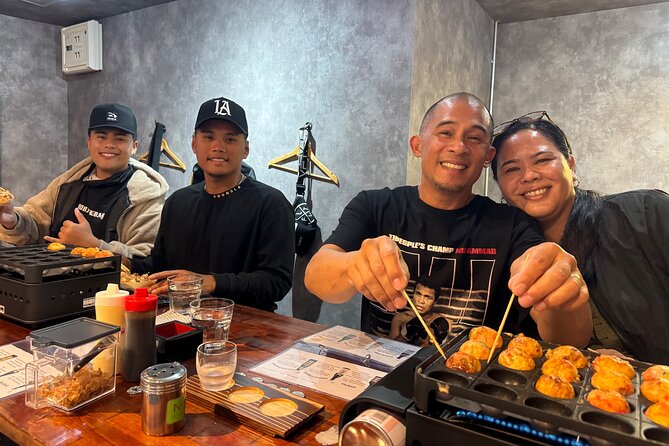
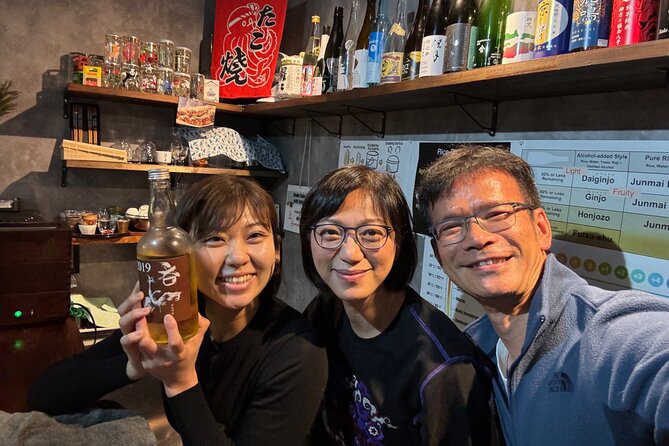
The standout strength here is that the tasting isn’t only for sipping. Momoko uses the session to teach you how to understand sake so you can order it later without guessing.
You’ll cover:
- A primer on sake history and culture
- The making process (so the bottle labels and terms start to make sense)
- Practical tips on how to choose sake at restaurants
- A chance to pick your favorite from a seasonal lineup selected by the sake expert
You also get to try multiple sakes. The included alcohol list says there are 10+ varieties of Japanese sake available to choose (for legal adults only). In practice, you’ll likely taste several during the time window, because the session balances tasting with cooking and eating.
Here’s why this is valuable: Osaka has plenty of izakaya and sushi spots where sake menus can feel intimidating. This class gives you a simple language system—how to think about types and how to read labels well enough to make a decision at the bar.
Takoyaki DIY in a small kitchen: batter, cooking, and the flip
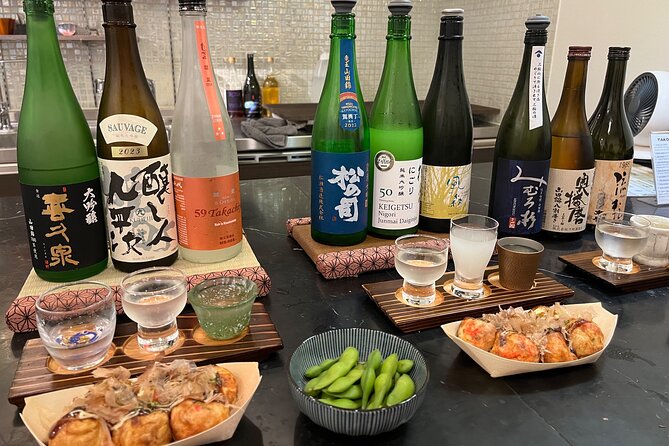
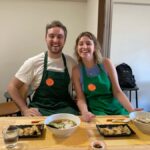
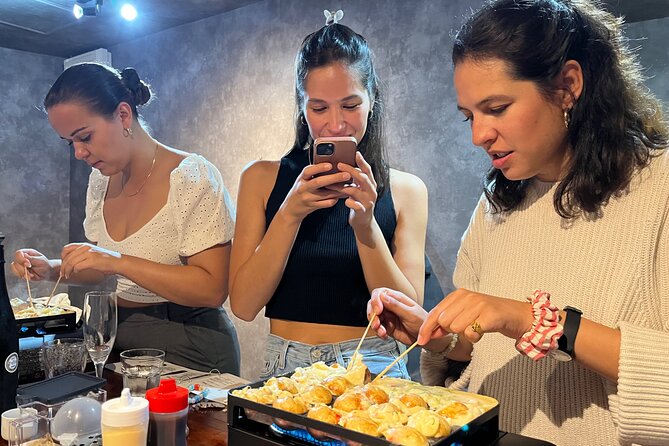
Takoyaki is Osaka street food for a reason: it’s fun to cook, quick to eat, and it hits that perfect balance of crispy outside and tender inside. In this class, you’ll learn the hands-on method for grilled octopus balls, not just watch someone else do it.
What you’ll do:
- Prepare takoyaki with the tools and ingredients provided
- Use Momoko’s guidance and a secret-recipe approach
- Cook the balls in the takoyaki style (the key skill is timing and getting the shape right)
- Add toppings and finish the plate you’ll eat
You’ll also be using special ingredients. The class description calls out additional ingredients like wagyu and cheese, which is a big deal. It’s not just octopus balls in the generic sense—you’re making a more upgraded version than the basic stall formula.
One practical note: takoyaki cooking can be tricky at first, especially the first few flips. The format is built for learning by doing. In a group of up to 6, you can ask quick questions and adjust without feeling rushed.
The secret recipe plus wagyu and cheese: why the food feels special
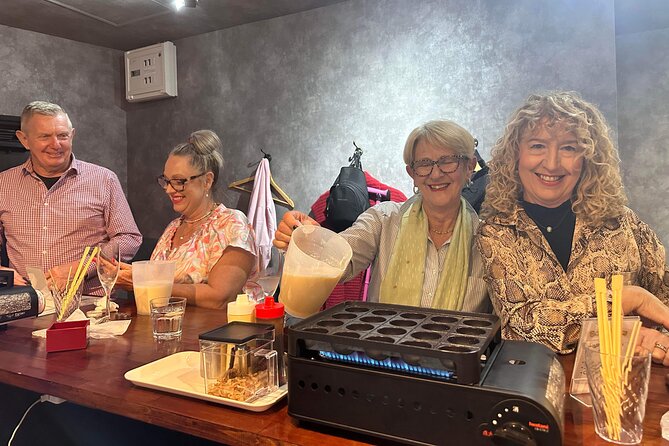
Osaka takoyaki outside is great. But what makes this class memorable is the combination of:
- a local-style method taught by Momoko
- a secret recipe approach
- richer ingredient options like wagyu and cheese
Those additions change the experience. Wagyu brings extra depth and fat for a savory, satisfying bite. Cheese adds a creamy pull that makes each ball feel more like a comfort-food hybrid than just a street snack. When you’re cooking in a class setting, those upgrades also help you taste the difference between what’s “good street food” and what’s “I get why locals love this.”
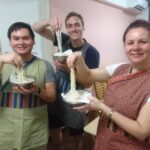
Also, the class is structured so you’ll be eating what you cook. That sounds obvious, but it’s important: you don’t get stuck in a pattern where you make food mainly as a demo and then watch someone else plate the real meal.
You can also read our reviews of more cooking classes in Osaka


How afternoon vs evening options change your Osaka plan
You can choose between an afternoon and an evening class. That flexibility matters in Osaka because timing affects what you can do afterward.
- Afternoon works well if you want an early anchor activity, then spend later hours walking and eating nearby.
- Evening works if you want a planned dinner-feeling moment. You’ll cook, eat, and then have the sake tasting tied directly to your meal.
Because there’s no hotel pickup and the meeting point is in central Osaka, I recommend choosing the time when you’ll naturally be in the Higashishinsaibashi/Dotonbori area already. That keeps the rest of your day smooth instead of turning this into a logistics puzzle.
Price and value: does $72.67 make sense here?
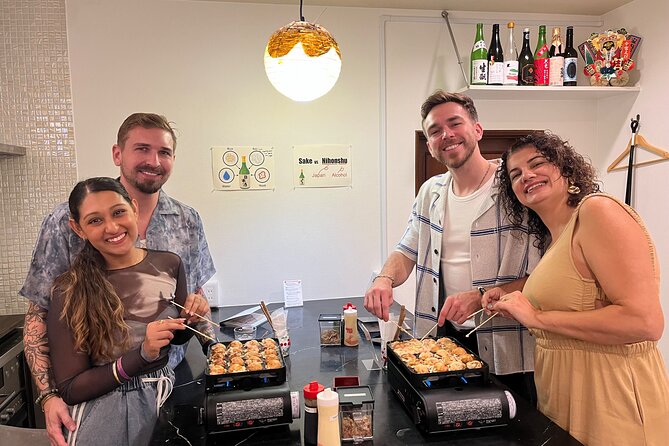
At $72.67 per person, you’re paying for more than a snack. You’re paying for three things that usually cost extra when purchased separately in Japan:
- Multiple sake tastings (10+ varieties available to choose, for legal adults)
- A full hands-on cooking session with tools and ingredients
- A meal built around what you cook, eaten while sake is part of the flow
The small group size also boosts value. You’re not just buying access to a kitchen. You’re buying instruction, explanation, and personal guidance while you cook.
So where do you get the best value? If you want:
- sake confidence (not just tasting, but learning how to order)
- a real cooking moment (batter to plate)
- a structured way to eat Osaka street food properly
If you only want a quick takoyaki bite or you don’t drink sake at all, the cost can feel higher than you expect—because the class is explicitly built around the tasting plus the cooking.
Who this experience fits best (and who might want something else)
This is a great fit if you’re:
- a foodie who likes hands-on food instead of passive tours
- curious about sake but don’t want a lecture with zero payoff
- traveling as a couple, solo, or small group that enjoys conversation
- interested in learning how to choose sake later in sushi restaurants or izakaya
It may be less ideal if:
- you want a quiet cultural walk with minimal cooking activity
- you’re avoiding alcohol completely (the sake is a core part of the class, though you can still participate without being an alcoholic drinker only if the operator allows it—this isn’t spelled out in the provided info)
Should you book this Osaka sake and takoyaki class?
If you want one of the most efficient ways to get authentic Osaka energy—food you cook yourself, plus sake education you can use later—this is an easy yes.
Book it if:
- you like interactive classes
- you want help turning sake labels and types into something you can actually order
- you’ll be near Higashishinsaibashi anyway and can reach the meeting point by transit
Hold off if:
- you only want a short food stop and don’t care about sake
- you’re not interested in cooking or eating immediately after cooking
Otherwise, you’re basically buying a friendly, small-kitchen Osaka night: sake guidance from Momoko and a plate of takoyaki that you made with upgraded ingredients like wagyu and cheese.
FAQ
How long is the Osaka sake and takoyaki experience?
It lasts about 2 hours.
What’s included in the class?
You’ll get alcoholic beverages (10+ varieties of Japanese sake to choose from, for legal adults only) and the ingredients and tools to make takoyaki.
Do I need to bring transportation or is pickup included?
Hotel pickup and drop-off are not included. The meeting point is near public transportation.
How many people are in the group?
The experience has a maximum of 6 travelers.
Are there afternoon and evening options?
Yes, there are both afternoon and evening class options for flexibility.
Where do I meet for the activity?
MOMO to SAKE ~Osaka Saka Tasting with Takoyaki DIY~ Japan, 1-chōme622 吉春会館 2F, Chuo Ward, Higashishinsaibashi, Osaka (542-0083).
Is the ticket mobile?
Yes, it uses a mobile ticket.
What is the cancellation policy?
Free cancellation is available up to 24 hours before the experience starts. If you cancel less than 24 hours before the start time, the amount paid is not refunded.
Are service animals allowed?
Yes, service animals are allowed.