REVIEW · OSAKA
Osaka: Japanese Cooking Class with Matcha Experience
Book on GetYourGuide →Operated by Wa Cafe Kitajima Cooking&Matcha Experience in Osaka · Bookable on GetYourGuide
Matcha tastes better when you make it. This Osaka cooking class pairs chef-led Japanese home cooking with a hands-on matcha making experience, in a small group where you actually do the work and learn the basics as you go.
The one real drawback to note: it’s not suitable for wheelchair users and it’s also not set up for people with food allergies.
In This Review
- Key Takeaways Before You Go
- Osaka Japanese Cooking Class With Matcha: Why This One Works
- Picking Your Dish: Home-Cooked, Okonomiyaki, or Bento
- Home-cooked dishes
- Okonomiyaki
- Bento
- Inside the Class: What the 2 Hours Feel Like
- Step one: get oriented and choose your dish
- Step two: cook with a chef, together
- Step three: Osaka mom support if you’re new to cooking
- Step four: the matcha making experience
- Step five: finish with questions and takeaways
- Matcha 101 in a Real Kitchen Setting
- Location That Fits Into Osaka Sightseeing
- Price and Value: What $64 Includes and Why That Matters
- Who This Osaka Class Is Best For
- Should You Book This Osaka Cooking Class With Matcha?
- FAQ
- What dishes can I choose from?
- How long is the cooking class?
- Is the matcha included?
- Where is the meeting point located?
- Is it available in English?
- How big is the group?
- Is transportation included in the price?
- Is it suitable for wheelchair users?
- Is it suitable for people with food allergies?
Key Takeaways Before You Go
- You pick your dish: home-cooked options, okonomiyaki, or bento, so the class fits your taste and comfort level.
- Small group, up to 10 means you get real attention instead of feeling like you’re in a factory line.
- English and Japanese support helps you follow along even if your Japanese is still getting started.
- Matcha is part of the deal, not a side demo, so you leave with a technique you can repeat at home.
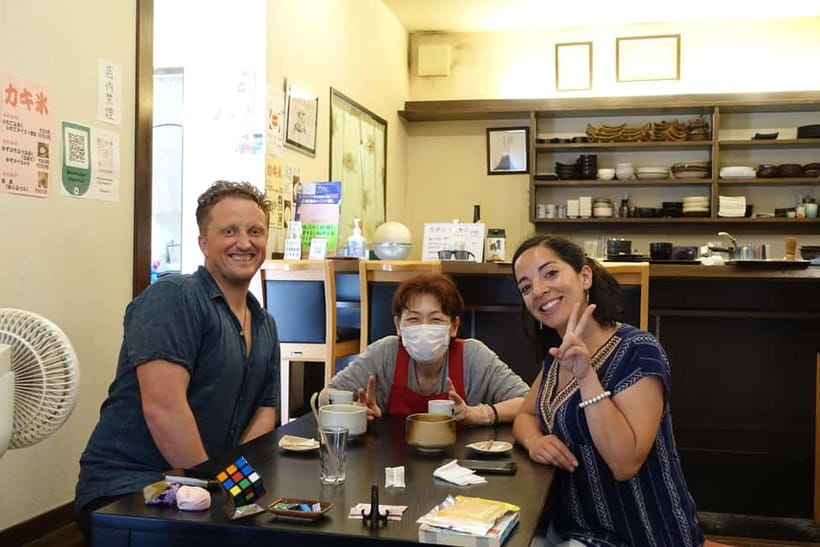
- Support from an Osaka mom is built in if you’re not confident in the kitchen.
Osaka Japanese Cooking Class With Matcha: Why This One Works
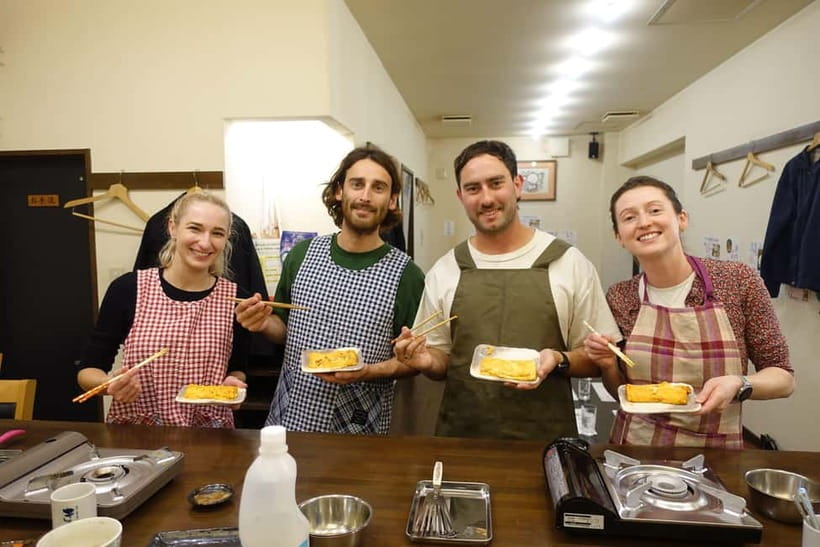
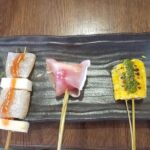
If you’ve ever sat through a cooking show where you watch everything and do nothing, this will feel different fast. You’re in a hands-on Osaka cooking class with a local chef, and the goal is simple: learn how common Japanese dishes are made, then make matcha as part of the same session.
Two things I’d put at the top of the value pile. First, you choose from multiple dish styles, including classic Osaka comfort food like okonomiyaki or a practical bento approach. Second, the matcha experience is included, so you’re not leaving with only a recipe card. You get the feel of the process.
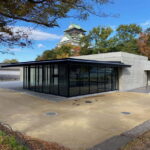
One more practical win: it’s easy to fit into an Osaka day. The meeting area is about a 7-minute walk from Morinomiya Station, and it’s also reachable from major sightseeing hubs like Shinsaibashi and Namba. You won’t need to rebuild your whole itinerary around one distant neighborhood.
You can also read our reviews of more cooking classes in Osaka

Picking Your Dish: Home-Cooked, Okonomiyaki, or Bento
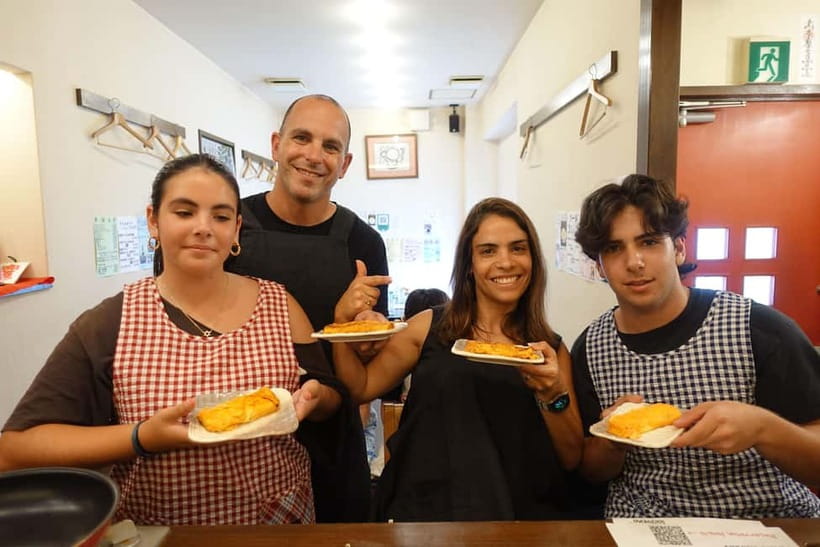
The class centers on one key choice: select one dish from three options. That single decision changes the whole vibe.
Home-cooked dishes
If you want something that feels like what people actually eat at home in Japan, this option is the most straightforward. You’ll get a “learn the method” style of cooking rather than focusing on one iconic street-food trick.
Why I like this for your trip: it gives you techniques you can use again. Even if you don’t make the exact same dish later, you’ll understand the pattern behind Japanese home cooking.
Okonomiyaki
Okonomiyaki is an Osaka classic, and picking it here gives you a local flavor lesson inside a kitchen setting, not just outside on the street. You’ll be cooking with the ingredients and steps that make it a real regional favorite.
Why it’s a strong choice: it’s social and visual. Cooking together also makes it easier to keep kids and non-cooks engaged.
Bento
Bento is practical and teaches structure: how different components work together as a neat meal. It’s a great option if you like the idea of leaving with a plan you can copy at home.
A consideration: bento-focused classes can be a bit more “assemble and organize” than freestyle cooking. If you want pure technique, home-cooked dishes or okonomiyaki might feel more hands-on.
You can also read our reviews of more tours and experiences in Osaka


Inside the Class: What the 2 Hours Feel Like
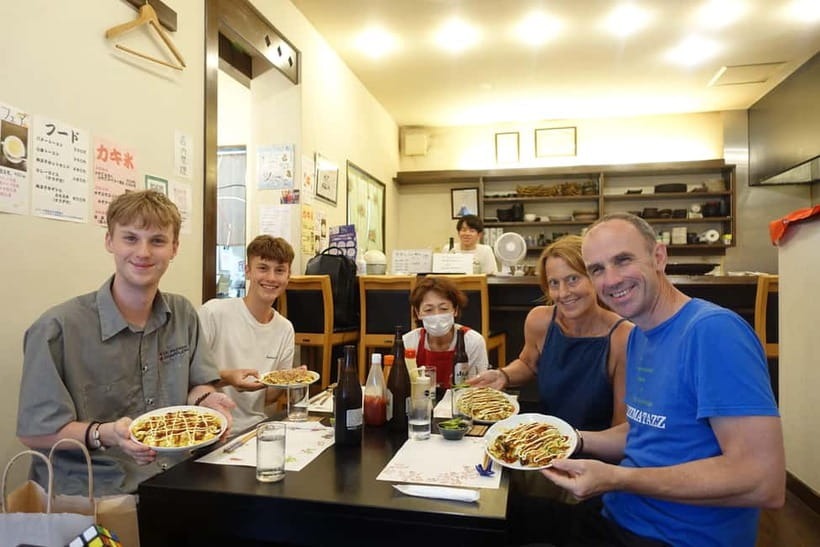
This experience runs for about 2 hours, and it’s designed as a smooth, teacher-led workshop. You start at the meeting point, look for the sign, and get sorted with the group. From there, the class flows through the core parts you came for: cook, learn, then make matcha.
There isn’t much time to waste, so expect active participation. This is not the slow, lecture-heavy kind of class where you stand around taking notes.
Step one: get oriented and choose your dish
Once you’re in the kitchen setup, you’ll decide what you’re making from the listed options. That’s the moment you can steer the experience to your comfort level.
If you’re traveling with friends or family, this choice also prevents the common problem where everyone wants something different. Everyone cooks the same dish type within the class setup, so you stay together.
Step two: cook with a chef, together
You cook directly with the local chef. The class is built around traditional Japanese dishes, specifically ones commonly enjoyed in Japan and Osaka.
This matters more than it sounds. A lot of “cooking experiences” in tourist settings turn into generic Western-style cooking lessons with a Japanese theme. Here, the emphasis is on dishes you can recognize and recreate in a realistic way.
Also included: all ingredients for your selected dish. That’s a quiet value boost. You’re paying for a complete activity, not paying for an ingredient shopping errand.
Step three: Osaka mom support if you’re new to cooking
If you’re nervous about cooking, the experience has a built-in safety net: support from an Osaka mom if you’re unfamiliar with cooking. That’s a huge deal for first-timers, especially if you’ve never chopped, mixed, or timed ingredients properly.
In past classes, the teacher energy has been a major reason people loved it. One instructor named Ikuko came across as especially warm and enthusiastic, with techniques explained clearly. The teaching style matters because it turns potential frustration into doable steps.
Step four: the matcha making experience
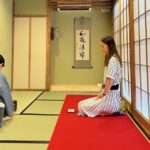
After or alongside your dish work, you’ll take part in matcha making. Since matcha is included, you’ll go beyond just tasting it. You’ll practice the process as part of the class.
What you should look for: how the matcha is handled, what texture and consistency you’re aiming for, and the little habits that make a big difference. Even without a long lecture, technique shows up fast once you’re doing it.
Step five: finish with questions and takeaways
With a small group limited to 10 participants, it’s easier to ask simple questions while you cook rather than waiting at the end. This is how you leave feeling like you understand what you did, not just that it turned out edible.
Matcha 101 in a Real Kitchen Setting
Matcha can sound mysterious until you’re actually mixing it. That’s what makes this part valuable.
You’ll get a guided matcha making experience included in the price, and the class format supports learning without pressure. If you don’t drink matcha often, don’t worry. The point is to learn what makes it work and how to prepare it in a way you can repeat later.
One practical idea for you: treat matcha like a skill, not a souvenir. When you get the method right, you’ll keep using it at home, and it stops being a one-time memory.
Location That Fits Into Osaka Sightseeing
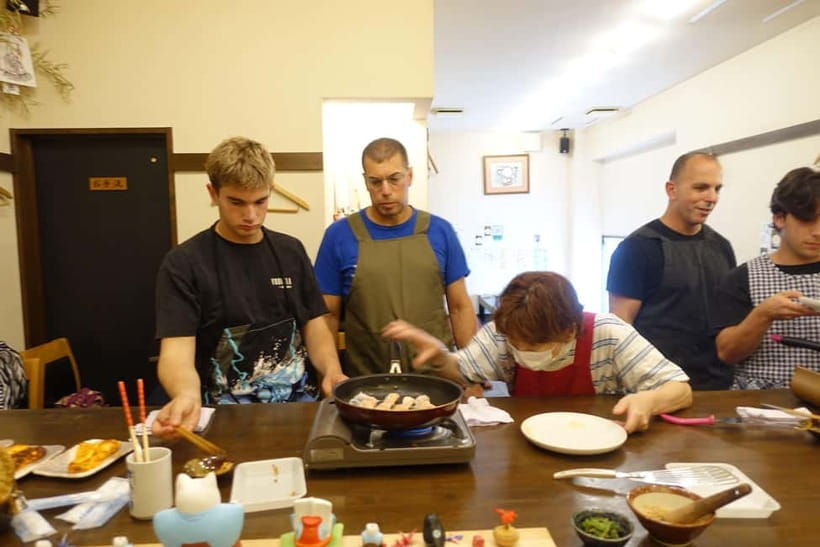
This class is easy to plug into a day because it’s in a convenient spot. It’s about a 7-minute walk from Morinomiya Station. It’s also very accessible from Shinsaibashi and Namba, which are two of the easiest areas to base yourself when you’re sightseeing.
If you’re bouncing around Osaka’s big landmarks, it helps that the location is one station from Osaka Castle Station by JR. That’s useful when you want to do castle area time, then hop to a neighborhood activity without a long transit scramble.
What’s not included is transportation to and from the activity. Still, since the meeting point is walkable from a train station, it’s usually simple to handle on your own.
Price and Value: What $64 Includes and Why That Matters
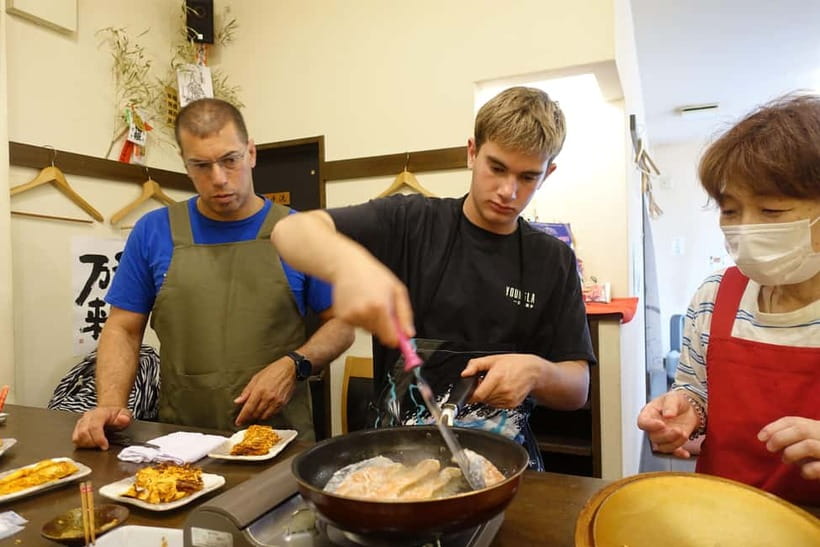
At $64 per person for about 2 hours, this sits in the category of paid activities that actually make sense for food lovers. Here’s why: your class includes cooking instruction, all ingredients for your chosen dish, and the matcha making experience.
So you’re paying for:
- chef-guided cooking instruction
- ingredients handled for you
- matcha experience as part of the same session
- a small group size, capped at 10 participants
What you’ll add on yourself:
- transport to and from the meeting point
- personal expenses (snacks, drinks outside what’s part of the class)
For families and friends, this becomes even better value because the experience is shared. Everyone participates, and that makes it easier to justify spending compared with doing a solo activity.
Who This Osaka Class Is Best For
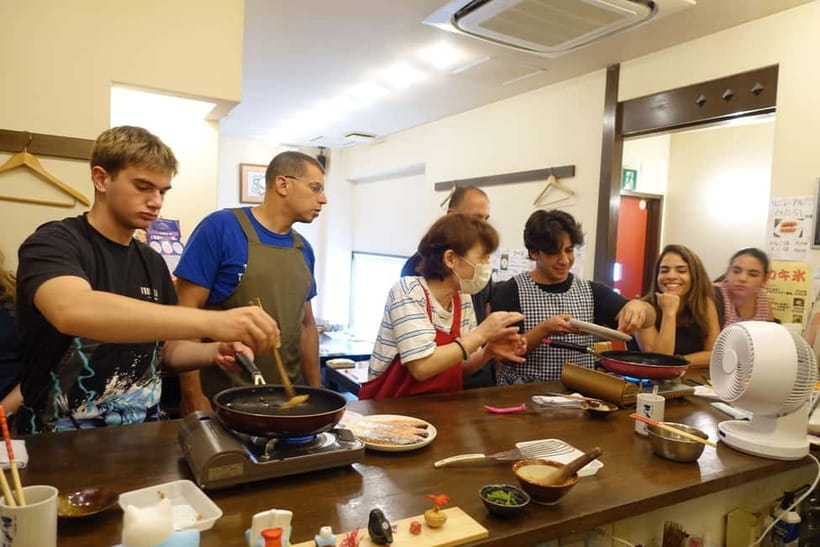
This is a great fit if you want hands-on Japanese food learning without needing to be an experienced cook.
You’ll likely enjoy it most if:
- you want a practical skill you can redo later at home
- you like Osaka flavors and want okonomiyaki as an option
- you’re traveling with kids or mixed experience levels, because the teaching style is built to help people keep up
- you prefer small-group instruction instead of a large crowd atmosphere
It’s not a fit if:
- you use a wheelchair (not suitable)
- you have food allergies (not suitable)
If you have dietary needs but they aren’t allergies, the guidance says to inform the team of any food allergies or dietary restrictions in advance. Don’t assume every restriction can be accommodated—send the details early and get a clear answer.
Should You Book This Osaka Cooking Class With Matcha?
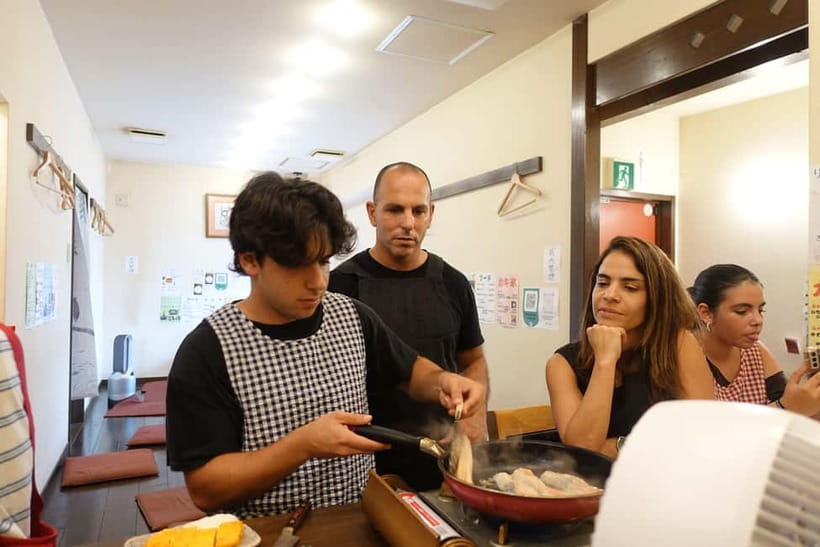
I’d book it if you want a true food-focused experience in Osaka that teaches techniques, not just facts. The dish choice (home-cooked options, okonomiyaki, or bento) gives you control, and the matcha making experience adds a second skill before you even leave the building.
Skip it if safety or accessibility is a concern for your group, especially if wheelchair access or food allergies are part of your needs. Also skip it if you’re mainly looking for a guided walking tour or lots of sightseeing stops, because this is centered on cooking in one place.
If you’re traveling smart—wanting something memorable that’s still practical—this class is the kind of activity that earns its place on your Osaka schedule.
FAQ
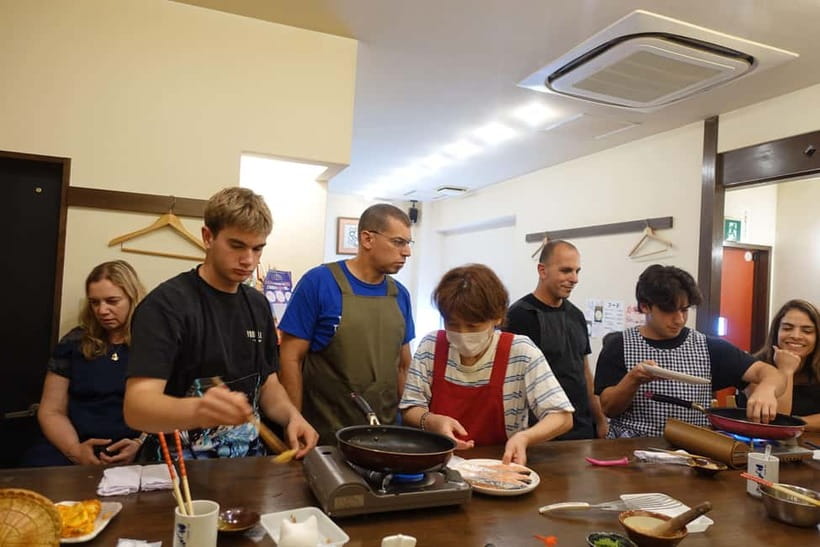
What dishes can I choose from?
You can choose one dish option from home-cooked dishes, okonomiyaki, or bento.
How long is the cooking class?
The class lasts about 2 hours.
Is the matcha included?
Yes. The experience includes a matcha making experience.
Where is the meeting point located?
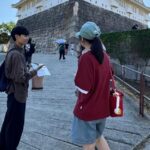
You’ll meet at the activity location marked by a sign. The area is about a 7-minute walk from Morinomiya Station.
Is it available in English?
Yes. The host or greeter supports English and Japanese.
How big is the group?
The class is a small group with a maximum of 10 participants.
Is transportation included in the price?
No. Transportation to and from the activity location is not included.
Is it suitable for wheelchair users?
No. This experience is not suitable for wheelchair users.
Is it suitable for people with food allergies?
No. The activity is not suitable for people with food allergies. You should also inform the team in advance about any food allergies or dietary restrictions.