REVIEW · OSAKA
Learning Shodo with a kimono and Trying Samurai Calligraphy
Book on GetYourGuide →Operated by 株式会社武士の誉れ · Bookable on GetYourGuide
A kimono plus calligraphy feels like stepping into a different Japan. This experience pairs Japanese handwriting (shodo) with a mini production moment: you’ll learn strokes, write your name in kanji, then create one big final character with an oversized brush.
I especially like that you get a personalized result: a calligraphy master writes your foreign name using kanji you choose, and you finish with a piece you can take home. I also love the family-friendly angle, since you can share it with your child and still get real, learnable technique instead of just posing. One consideration: the venue setup is practical, not fancy, and it can feel a bit exposed (including the sound level outside), so it’s best to come for the art, not the setting.
In This Review
- Key highlights worth aiming for
- First things first: what this experience actually is in Osaka
- Getting into the kimono rhythm: prep, tools, and mindset
- What to expect from the shodo lesson (step by step)
- Your final draft and what you take home
- Samurai calligraphy: one character, oversized brush, big meaning
- The oversized brush experience (this is the fun part)
- Photo shoot: kimono moment plus artwork
- The value question: is $42 worth it?
- Logistics that matter (so your day doesn’t get weird)
- Who this suits best
- About costumes and extras: what’s included, what costs extra
- What you can trust from the instruction
- Final verdict: should you book Samurai Honor shodo and samurai calligraphy?
- FAQ
- How long is the experience?
- What is included in the price?
- What do I need to bring?
- Can I request an interpreter in a language other than English?
- Is this okay for children?
- Where do I meet the instructor?
- What are the optional extras?
Key highlights worth aiming for
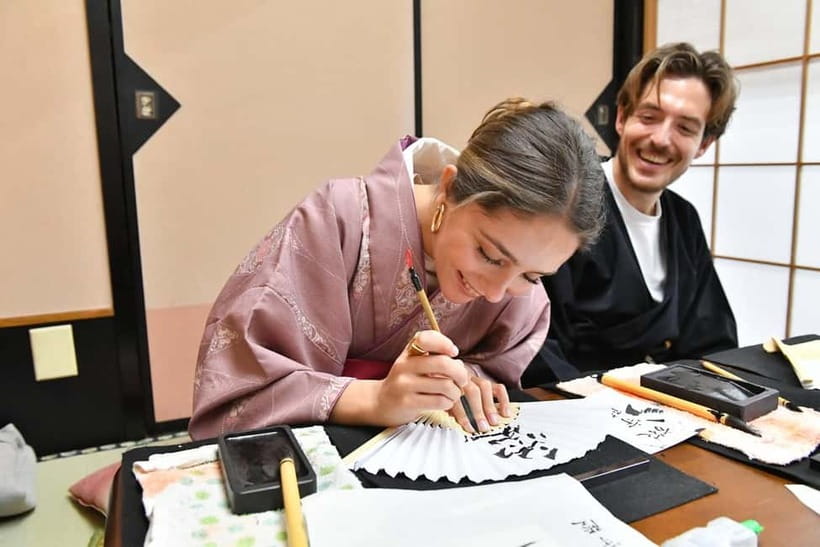
- Your name in kanji: you select characters, then the master writes your foreign name so you connect the strokes to your identity.
- You learn the basics first: brush grip, tool use, stroke order, and technique get explained before the final draft.
- A real samurai-style moment: you then try a single-character “last character” theme with an oversized brush.
- Blank space matters: you’re taught the idea of margin beauty, so your work looks balanced even when it’s simple.
- Photos are part of the experience: you’ll be photographed in kimono or samurai style, with digital data sent to you.
- A take-home bag gift: the teacher writes a kanji character onto your bag, and it’s not something you can buy elsewhere.
First things first: what this experience actually is in Osaka
This is a 1-hour booking on the calendar, but the activity plan describes two parts: 60 minutes of shodo and a 30-minute samurai calligraphy segment. Because those two numbers don’t perfectly match the “duration 1 hour” label, I’d treat this as a “check your exact start time” situation and confirm the schedule when you reserve.
You’ll be in Honshu, Japan, at Samurai Honor (Bushi no Homare), located at Excellence Takayama 1F in Joto-ku, Osaka (check Google Maps, since Apple Maps is noted as incorrect). The meeting point is a wooden sign that reads Honor of the Samurai, with pamphlets in front of the shop and kimonos/hakama hanging out to dry.
The core idea is not “tourist calligraphy.” It’s structured practice, with a master showing you how to move the brush, then guided prompts so your final character has meaning. If you like activities where you make something tangible, this fits well.
You can also read our reviews of more tours and experiences in Osaka.



Getting into the kimono rhythm: prep, tools, and mindset
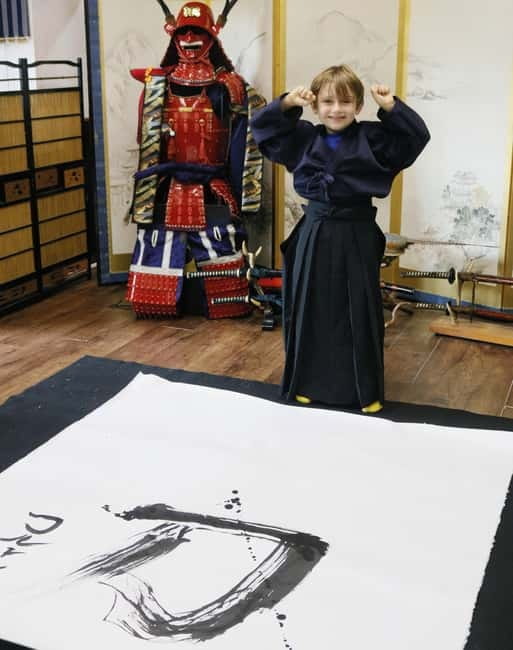
You’ll arrive early: plan to get there 30 minutes before your reserved time so you can change and get instructions. You only need to bring a t-shirt; the costumes and the calligraphy setup are handled for you.
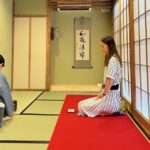
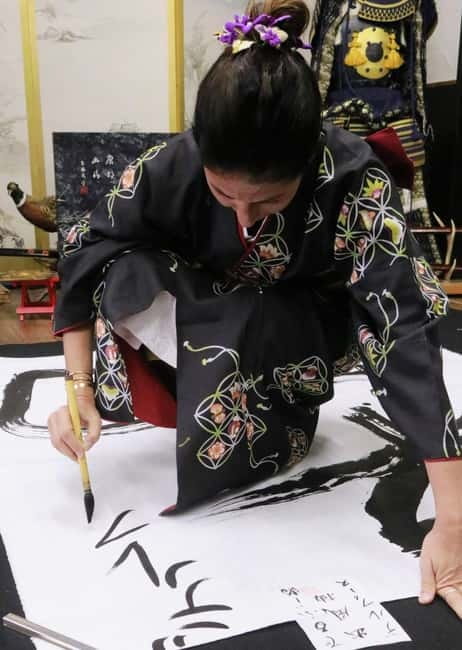
Before anyone tells you to write a single stroke, you’ll switch into traditional Japanese clothing. That part matters more than it sounds. When you’re in kimono or a samurai outfit, your body naturally slows down and you pay attention to posture and movement, which is exactly what brushwork demands.
Then comes the tools and mindset portion. You’ll learn how to hold the brush and how to use the implements correctly. This is also when the instructor’s approach shows: the lesson isn’t just “watch and copy,” it’s “understand what the brush is doing,” so your strokes look intentional instead of accidental.
What to expect from the shodo lesson (step by step)
The shodo portion is where you build the skills that make the final work look clean. The flow goes like this:
- Warm-up technique: brush movement and the basic method behind strokes
- Stroke order practice: you practice the sequence of the strokes for your chosen kanji
- Master demonstration: a calligraphy master writes using the correct stroke order while you follow what to watch for
The “aha” moment is the surprise part. After you’ve selected kanji characters for your name earlier, the teacher writes your foreign name in those kanji. It’s more personal than a generic example, and you also learn the meaning tied to the chosen characters, so your work has a narrative, not just a shape.
Your final draft and what you take home
After practice and technique, you create a final draft. You can keep it as a memento or souvenir, and there’s an optional kakejiku (hanging scroll) choice mentioned as an add-on. The important practical point: you’ll end up leaving with physical paper work you can take back to your room, not a short-lived experience that disappears after photos.
Samurai calligraphy: one character, oversized brush, big meaning
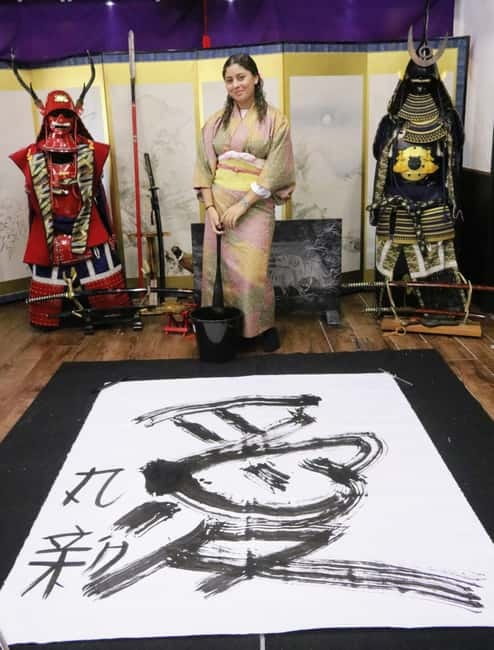
The second half shifts from “learning strokes” into “making a statement.” You’ll try samurai calligraphy for about 30 minutes, guided by a theme and a specific style of execution.
The prompt is reflective: you think about your life so far, imagine the story of who you are and what feelings you’d like to leave behind, and decide on the character composition for that final character. Even if you don’t speak Japanese, the instructor’s structure helps you translate emotion into form.
Then the “blank spaces” teaching comes in. You’ll hear about Japanese beauty in the margins: the idea that space around the ink is part of the design. This is useful for you, because it stops the pressure to fill the page. Sometimes the best-looking strokes are the ones that breathe.

The oversized brush experience (this is the fun part)
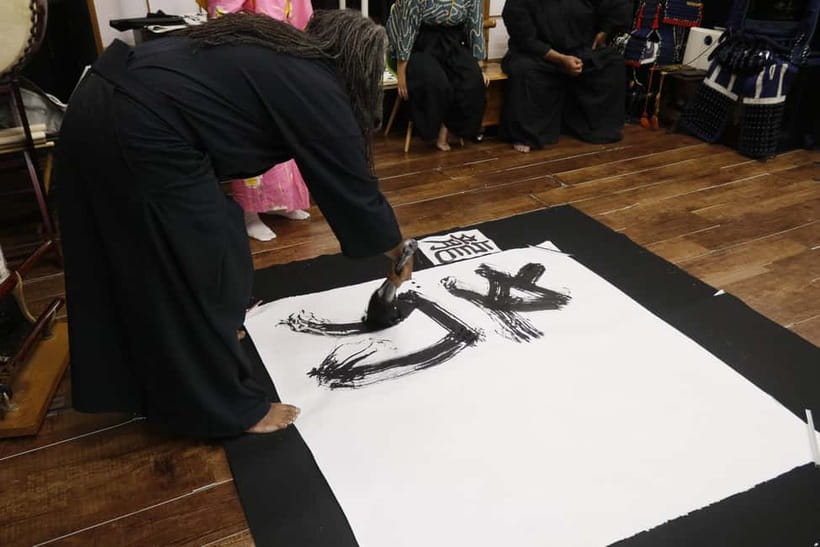
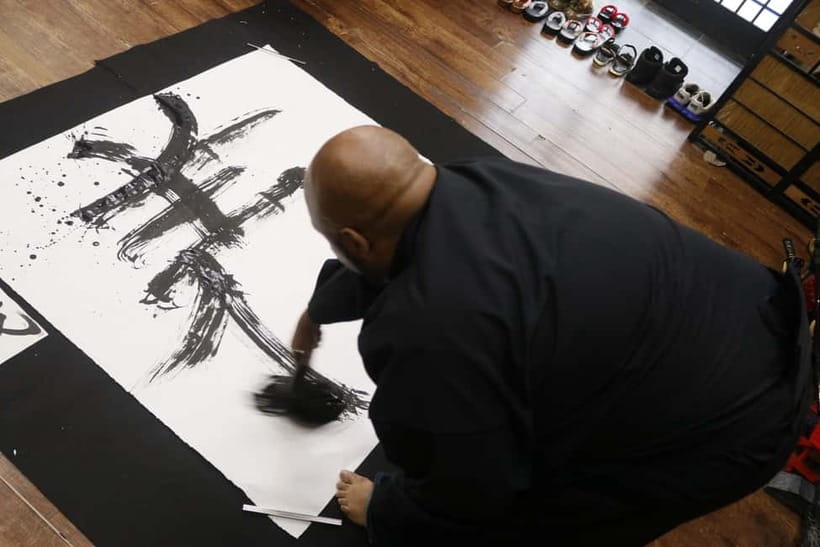
Here’s where the lesson becomes unforgettable. The artist uses an oversized brush—described as more than five times larger than usual—on a 150cm x 150cm sheet. The movement becomes full-body, so you’re not just drawing with your hand. You’re learning to control force, direction, and timing while staying balanced.
After the brushwork, the piece is tied together with identity. The artist signs the work, clearly indicating who wrote the “last character” and identifying the owner. It gives the whole session a ritual feel, without needing you to be an expert.
Photo shoot: kimono moment plus artwork
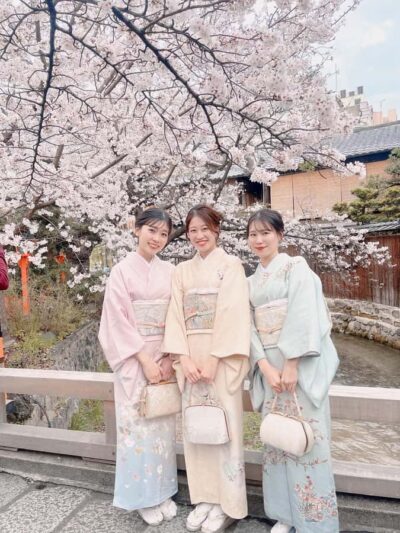
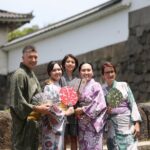
Once the character is underway, you’ll get a photo session. You’ll be photographed dressed either as a Yamato Nadeshiko (a traditional ideal of feminine grace) or as a brave samurai. Digital photos are sent by email to a designated address, so you’re not standing around while someone fiddles with settings all afternoon.
The value question: is $42 worth it?
For $42 per person, you’re paying for three things at once: instruction, costumes, and a take-home outcome. Many “cultural costume + photo” options stop at the snapshot. Here, you also practice real brush technique and get a structured lesson that results in paper you can keep.
You’re also not doing this solo. The group is small, up to 10 participants, which makes it easier to get corrected while you practice. Add in that tips and taxes are included, plus the photography data delivery, and the price starts to make more sense as an all-in cultural workshop rather than a quick activity.
If you’re budgeting in Osaka, it’s also the kind of experience you can justify even on a busy day: you’re not spending half your trip transferring around town, you’re spending your time on a single craft with clear milestones.
Logistics that matter (so your day doesn’t get weird)
This is a short, concentrated class, so small mistakes can feel big. Here are the things I’d watch:
- Arrive 30 minutes early for changing and instructions. That extra time is part of the experience flow.
- Bring a t-shirt. It’s your simplest layer for changing.
- Plan your expectations on the venue. The workshop space is functional. One person noted rattling trains and a less-than-glam location outside. That doesn’t change the lesson, but it does change the mood, so go in expecting hands-on practice rather than a postcard backdrop.
- Language support depends on availability. English is the default. Other languages (Italian, Spanish, French, Chinese, Thai, Indonesian) can be requested, but staff limitations may affect whether they can accommodate it. If you need a specific language, ask before booking.
Also, there are clear “no” rules: no pets, no baby strollers, no baby carriages, and no alcohol or drugs. Nudity isn’t allowed. And age limits apply: it’s not suitable for children under 5 and not for people over 95, with other notes for babies and altitude sickness.
Who this suits best

This is one of those activities that works across ages, as long as your group fits the minimum age guidance. In practice, the best fit is:
- Families who want a child-friendly craft with real instruction
- First-timers who don’t know stroke order but want a guided path to results
- People who like meaningful art more than just watching performers
If you’re traveling with kids, pay attention to the “small group” and the lesson structure. It’s set up for participants to actually do the strokes, and that’s where kids feel proud instead of bored.
About costumes and extras: what’s included, what costs extra
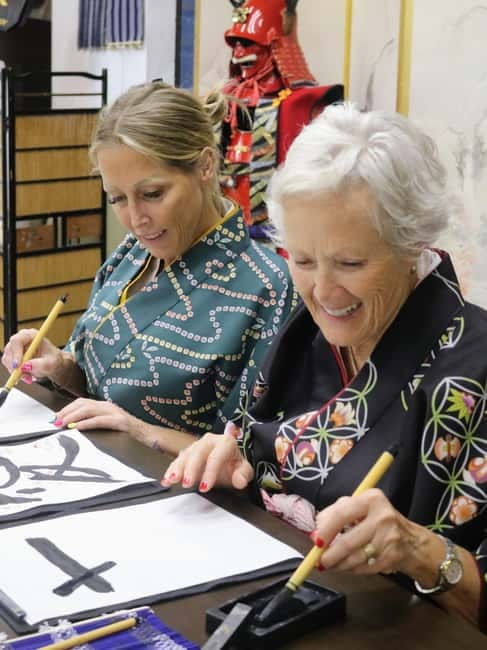
You’ll get kimono and samurai costumes as part of the experience. There are also add-ons and optional items referenced in the details:
- Japanese-style hairset + hairpin is optional and paid
- Calligraphy on kakejiku (hanging scroll) is optional and paid
- There’s also mention of an optional Wasou bijin package that includes items depending on selection
One practical note: if you want the full look without last-minute decisions, consider whether you want the paid hair styling. The baseline costume experience is included, but the extra polish costs.
What you can trust from the instruction
The most consistently praised part of this experience is the teaching style. People highlight that the instructor was lovely, helpful, and knowledgeable, and that they took time with questions. For families, there’s also praise for patience with children, which matters a lot in a brush-and-paper activity where speed doesn’t equal quality.
The mixed feedback isn’t about the teaching. The negative comments are mostly about the venue feel and logistics around location and service. That’s a reminder to plan your arrival with a little buffer and treat the space as “workshop first, aesthetic second.”
Final verdict: should you book Samurai Honor shodo and samurai calligraphy?
I’d recommend booking if you want a hands-on cultural activity in Osaka where you leave with something real: your own calligraphy, a photo set, and a teacher-written souvenir bag. It’s also a strong pick for families because it’s structured for participants, not just spectators.
I’d think twice if you’re extremely sensitive to noise or you want a scenic setting. The lesson matters more than the room, and one person specifically flagged trains and the outside area. If that would stress you out, choose a time when you can focus on the craft.
If you book, do two things that pay off fast: arrive early to settle in properly, and don’t rush your strokes. Calligraphy looks simple until you try controlling a brush. Give it attention for 60 minutes, and you’ll get a result you can actually be proud of.
FAQ
How long is the experience?
The booking is listed as 1 hour, but the program description breaks it into 60 minutes for learning shodo plus about 30 minutes for samurai calligraphy. Confirm the exact schedule when you reserve.
What is included in the price?
You get kimono and samurai costumes, a certified professional instructor, interpreter support (English by default), taxes and tips, and photography with digital data sent to your email. You also take home your calligraphy work in the included bag.
What do I need to bring?
Bring a t-shirt. Everything else for changing and writing is provided.
Can I request an interpreter in a language other than English?
Yes, other languages can be requested (Italian, Spanish, French, Chinese, Thai, Indonesian), but availability depends on limited staff, so it’s best to ask before booking.
Is this okay for children?
It’s not suitable for children under 5. One of the strengths of the experience is that it’s set up so kids can participate along with adults.
Where do I meet the instructor?
Meet at the Samurai Honor site using the landmark of a wooden sign that reads Honor of the Samurai. The address note says to rely on Google Maps since Apple Maps is incorrect.
What are the optional extras?
Optional paid add-ons include calligraphy on kakejiku (hanging scroll) and a Japanese-style hairset + hairpin. Which items are included can vary with selected packages.