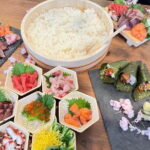
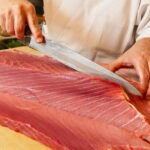
Osaka tastes different when a chef picks the stops. This small-group 13-tasting Osaka food tour is all about hands-on local flavor, with a former chef guide who explains what you’re eating and why. I like the tiny group size (up to 6) because you get real conversation, and I also love the range of places—from a tachinomiya standing bar to grilled yakitori to an izakaya in a 105-year-old house. The one thing to consider: you’re often eating in standing-room or floor-seating spots, so knees and back can feel it.
You’ll also get a drink focus that goes beyond beer-and-bowls. The tour includes Japanese drink tastings tied to sake, shochu, umeshu, and chu-hi (and soft drinks for those who can’t drink alcohol), plus plenty of chances to ask your chef guide for more where-to-go food picks in Osaka. In recent Keigoh-led experiences, the guide also handles ordering for you and can adjust what you eat based on your tastes.
In This Review
- Key Things That Make Escape Dotonbori Worth Your Evening
- Why This Osaka Food Tour Works: Up to 6, Chef-Picked, Local-Only
- Stop 1: TachiNomi Meganedo and the Osaka Standing-Bar Start
- Stop 2: Karahori Shopping Street Yakitori and Late-Night Grill Flavor
- Stop 3: Karahori-Momodani Park’s 105-Year-Old Komin-ka Izakaya
- Stop 4: Uemachi Hidden Bar and the Quiet, Low-Light Finish
- Drinks in Plain Language: Sake, Shochu, Umeshu, and Chu-hi
- Price and Value: What $151.54 Really Buys in Osaka
- Who Should Book This Chef-Led Osaka Night
- Practical Tips That Will Make Your Evening Smoother
- Should You Book Escape Dotonbori?
- FAQ
- How long is Escape Dotonbori?
- How many people are in the group?
- How many dishes do I get to try?
- Where does the tour start and end?
- What time does the tour begin?
- Are drinks included, and what types are available?
- Is there a mobile ticket?
- What should I do if I have food allergies or dietary restrictions?
- Is smoking allowed at the venues?
- Do I need cash for anything extra?
- Does weather affect the tour?
Key Things That Make Escape Dotonbori Worth Your Evening
- Small group size (up to 6) keeps the pacing relaxed and the food stories personal
- 13 Japanese tapas in omakase-style portions gives big variety without huge meals
- Former chef guide storytelling turns each stop into technique + culture, not just a menu rundown
- Four very different venues in one night helps you understand Osaka’s drinking-and-dining rhythm
- Some drinks are pay-on-site at later stops, so plan for extra cash and slower sips
Why This Osaka Food Tour Works: Up to 6, Chef-Picked, Local-Only
This is the kind of Osaka night that makes sense for your schedule and your hunger. It runs about 3 hours 30 minutes, starting at 5:30 pm, and it loops back to the meeting point after your final stop. The route is designed for a small group, so you’re not getting shoved through crowded tourist areas and pushed along by a loud timeline.
What I like most is that the guide is a former chef, and that shows in the way the evening is structured. Each stop is chosen for the food and the atmosphere, and you’re not left guessing what to order. In the Keigoh-led tours, that ordering help matters: you’re guided to the right items and can request adjustments as needed.
The trade-off is simple: this is an evening built around real local venues, not padded comfort. Some places use floor seating and some keep the vibe casual and close-quarters, including standing-bar style.
You can also read our reviews of more tours and experiences in Osaka.

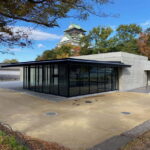
Stop 1: TachiNomi Meganedo and the Osaka Standing-Bar Start
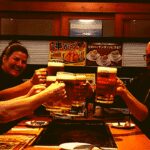
You begin at TachiNomi Meganedo at 6-chōme-2-24 Tanimachi, Chuo Ward, a tachinomiya, which is Osaka’s standing bar style. The start time is early enough for you to settle in, but late enough that the neighborhood energy is already warming up. You’ve got about 50 minutes here, and the focus is on getting your taste buds rolling fast.
At this first venue, you’ll enjoy 5 small dishes plus 1 drink. The structure matters: the food is portioned so you can sample without being stuffed before the next stop. The standing-bar format also gives you a quick lesson in how locals socialize around food—talking while you eat, keeping things light, and letting the night flow.
A small practical point: standing-room setups can be tiring if you’re not used to it. If you know you’ll struggle with standing for long stretches, pace yourself and take a short breather between bites.
Stop 2: Karahori Shopping Street Yakitori and Late-Night Grill Flavor
Next you head toward Karahori Shopping Street for yakitori at a restaurant that’s open late. This stop leans hard into grilled chicken flavor—freshness and careful grilling are the point here. You’re there for about 50 minutes, with 5 food items and 1 drink included.
Yakitori is more than chicken on a stick in Osaka. Your chef guide helps you connect the dots between technique and taste—how different cuts and grilling styles change the bite. This is where the chef guidance really pays off, because you can appreciate what you’re tasting instead of just chasing whatever looks good on a menu.
The atmosphere is also part of the deal. The tour info notes a drinking-game style moment with two participants during the stop, which can be a fun way to break the ice in a small group. If that sounds like too much, it’s still a straightforward food-and-drink stop—you just don’t have to turn it into your whole personality.
Stop 3: Karahori-Momodani Park’s 105-Year-Old Komin-ka Izakaya
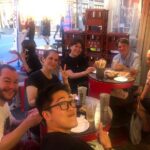
At Karahori-Momodani Park, you shift into a 105-year-old house, a komin-ka izakaya. The setting is a big part of the experience here: old wooden spaces, cozy lighting, and the feeling of eating somewhere locals have kept returning to for years. The vibe is slower and more intimate than the standing-bar start.
You’ll have about 1 hour at this stop with 3 included food items. Drinks are different at this point: you’ll choose and pay for your drinks on-site rather than having everything bundled. That’s common in Japan, and it can actually be nice because you can match your drink to what you’re eating rather than sticking to a preset order.
Important comfort note: this is floor seating in an old Japanese house, and the tour info flags that it may not work well for people with knee or back problems. If that’s you, it’s worth planning for breaks, choosing where you sit carefully, and bringing your most flexible evening stance.
Also keep in mind the tour notes that some local venues on the route may allow indoor smoking. If smoke bothers you, you’ll want to use the breaks between dishes wisely.
Stop 4: Uemachi Hidden Bar and the Quiet, Low-Light Finish
Your final stop is in Uemachi, at a quiet, cozy bar with a strong focus on interior design and low lighting. The tone here feels calmer than the first two stops, which helps your night end without turning into a food sprint.
The time is about 50 minutes. Drinks at this venue are pay-on-site, so you’ll want to be ready to continue the drink theme at your own pace. This is where cash becomes useful. The tour recommends carrying around 5,000 JPY for extra drinks or personal snacks.
This is also a good stop to slow down and ask questions. With a small group and a chef guide who knows the local scene, you can ask what to do next in Osaka—what neighborhoods are worth your time, what kinds of foods to look for, and what to skip.
Drinks in Plain Language: Sake, Shochu, Umeshu, and Chu-hi
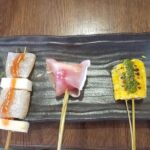
A big part of why this tour feels more complete than a basic food crawl is the drink education. The experience includes Japanese drink options like sake, shochu, and umeshu, plus chu-hi or soft drinks depending on what you prefer. The tour info also makes clear that the legal drinking age in Japan is 20, and minors under 20 are served non-alcoholic drinks.
What you should do with this: don’t treat the drinks as a checklist. Ask your chef guide how the drink changes alongside the dishes. Even if you already like sake or have tried shochu before, you’ll get a clearer sense of how each one fits the food style at each stop.
One more detail that matters for planning: the materials say 2 drinks throughout the experience, while the included section lists 4 drinks included. That mismatch is small but real—so when you book, it’s smart to confirm exactly how many drinks are included for your departure and what’s pay-on-site.
Price and Value: What $151.54 Really Buys in Osaka
At $151.54 per person, this isn’t the cheapest way to eat in Osaka. But it can be good value if you care about three things: variety, guidance, and access.
First, you’re getting 13 Japanese tapas across multiple venues, in an omakase-style flow where the chef guide selects what you’ll eat. Second, you’re not paying extra for a private guide type of experience—this is a small group capped at 6, and you still get that chef-led ordering and storytelling. Third, the tour includes tickets for the venues and includes at least some drink tasting as part of the package.
Where the price may not feel as “all-in” is drinks and extras later in the night. The itinerary notes that at least some stops have pay-for-your-own-drinks. So if you’re the type who plans to order beyond the included drinks, set aside spending money and bring that recommended cash.
To me, the value comes from avoiding the two biggest hassles of doing this on your own: not knowing where locals actually go, and spending your time guessing what to order instead of eating.
Who Should Book This Chef-Led Osaka Night
This tour fits best if you want a local Osaka food scene experience without turning your evening into a route-planning project. I’d especially recommend it if you like:
- trying several small dishes instead of one big meal
- talking with a chef guide and asking questions
- eating in different formats, from standing bars to izakaya in older houses
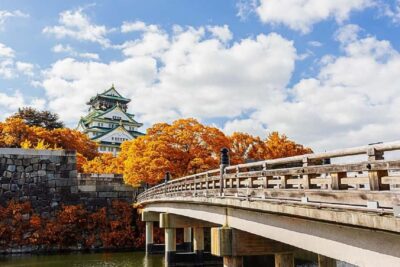
It also makes sense for people who want a quieter side of Osaka away from the obvious tourist churn. In recent experiences, the route has been described as being near Osaka Castle, with older streets and a more laid-back feel, which is a great match for someone who wants atmosphere, not crowds.
The main caution is comfort and your tolerance for local seating and smoking. If you need comfortable chairs all night, this may not be your easiest fit because some stops involve floor seating and tight spaces.
Practical Tips That Will Make Your Evening Smoother
Before you go, use these real-world helpers.
- If you have food allergies or dietary restrictions, tell your host when booking. The tour info is clear that the guide needs that up front.
- Bring about 5,000 JPY cash for extra drinks and snacks, especially because later stops include pay-on-site drinks.
- Expect some venues to allow indoor smoking. If that’s a dealbreaker, plan to step out briefly when you need air.
- Take the floor seating warning seriously. If knee or back issues are on your mind, pace your evening and don’t force long stretches in one position.
Finally, this experience requires good weather. If it’s canceled due to poor weather, you should expect an alternate date or a refund option.
Should You Book Escape Dotonbori?
If you want a high-value Osaka food evening with a former chef guide, a cap of up to 6 people, and real local venues like a tachinomiya and a 105-year-old izakaya, this is an easy yes. The format is especially attractive for first-timers who want variety plus direction, and for repeat visitors who are tired of eating at places that feel designed for guidebooks.
I’d skip it or at least think twice if you need mostly seated, cushy comfort. Between standing-style setups and floor seating in an older house, this tour assumes you can handle a more traditional dining layout. If that’s manageable, the rest of the night tends to click fast—short stops, frequent tastings, and a guide who can steer you toward the best bites.
If you book, do one smart thing: confirm how many drinks are included for your specific date, then go in with a cash plan for the pay-on-site drinks.
FAQ
How long is Escape Dotonbori?
The tour lasts about 3 hours 30 minutes.
How many people are in the group?
The group size is capped at a maximum of 6 travelers.
How many dishes do I get to try?
You’ll try 13 Japanese tapas during the experience.
Where does the tour start and end?
It starts at TachiNomi Meganedo in Tanimachi, Chuo Ward, Osaka, and it ends back at the meeting point.
What time does the tour begin?
The start time listed is 5:30 pm.
Are drinks included, and what types are available?
Alcoholic beverages included can include sake, shochu, umeshu, chu-hi, or soft drinks. Some stops also involve pay-on-site drinks.
Is there a mobile ticket?
Yes, the tour uses a mobile ticket.
What should I do if I have food allergies or dietary restrictions?
Let your host know when booking so the guide can account for it.
Is smoking allowed at the venues?
Some local venues on the tour may allow indoor smoking.
Do I need cash for anything extra?
The tour recommends carrying around 5,000 JPY for additional drinks or personal snacks.
Does weather affect the tour?
Yes. The experience requires good weather, and if it’s canceled due to poor weather you’ll be offered a different date or a refund.