REVIEW · OSAKA
Osaka: Japan’s Oldest Temple & Bone Buddha Walking Tour
Book on GetYourGuide →Operated by DeepExperience, Inc. · Bookable on GetYourGuide
Buddhism began in Osaka long ago.
This 2-hour walking tour takes you into Shitennoji Temple and Isshinji Temple, where early Japanese faith meets a very personal, urban tradition. You’ll learn how temple design, guardian deities, and garden symbolism shaped religious life in the city.
What I like most is how the guide translates ideas you might not know into something you can actually picture. I also love the contrast: Shitennoji’s early Buddhist layout and Pure Land Garden symbolism on one side, then Isshinji’s modern main gate and the Bone Buddhas on the other.
One consideration: the tour is tight and focused. You’re paying for guided temple access and interpretation, but food and drinks aren’t included, and the itinerary assumes you’ll handle getting to the meeting point on your own.
In This Review
- Key things I’d pin to the top
- Shitennoji Temple: starting at the stone torii gate
- Inside Shitennoji: Four Heavenly Kings and the symmetry lesson
- The Pure Land Garden: the setting sun as religious symbolism
- Isshinji Temple’s modern gate: tradition meets current design
- Bone Buddhas (Kotsubotoke): cremated ashes turned into devotion
- How the two temples tell one Osaka story
- Price and time: is $65 per person worth it?
- Practical tips before you go
- Who this tour suits best
- Should you book this Osaka temple walking tour?
- FAQ
- How long is the Osaka Old Temple & Bone Buddha walking tour?
- What temples do you visit?
- What is included in the ticket price?
- Where do I meet the guide?
- Is transportation included to and from the meeting point?
- Do I need to speak Japanese?
- Is there a private group option?
- Are food and drinks included?
Key things I’d pin to the top
- Shitennoji: Japan’s oldest officially established Buddhist temple, founded in 593
- Pure Land Garden: Western Paradise ideas tied to the setting sun and rebirth in Amida’s realm
- Shitennoji’s layout: the meaning of its symmetrical central precinct design
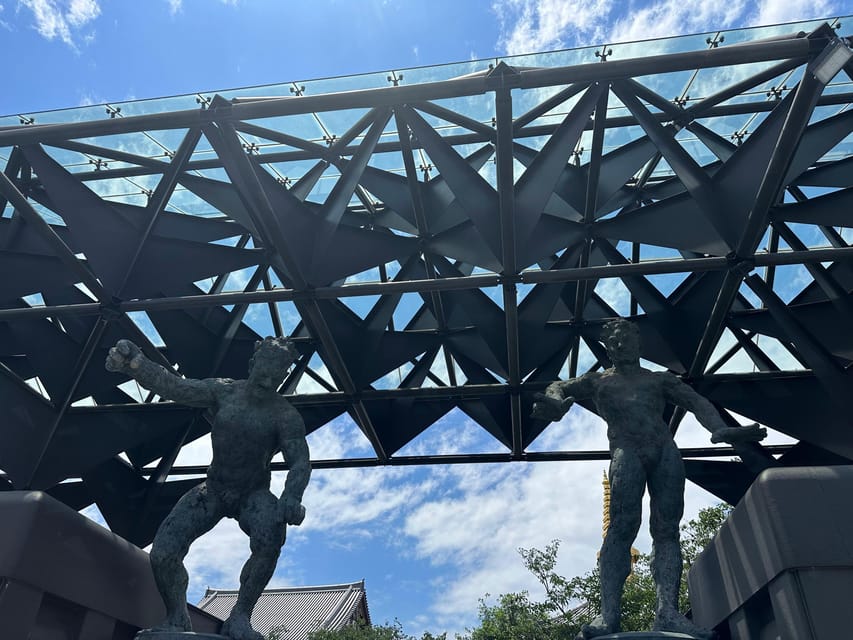
- Isshinji’s modern main gate: designed by the current head priest, with nearly 900 years of history behind it
- Bone Buddhas (Kotsubotoke): statues made from cremated ashes of more than two million ancestors
Shitennoji Temple: starting at the stone torii gate
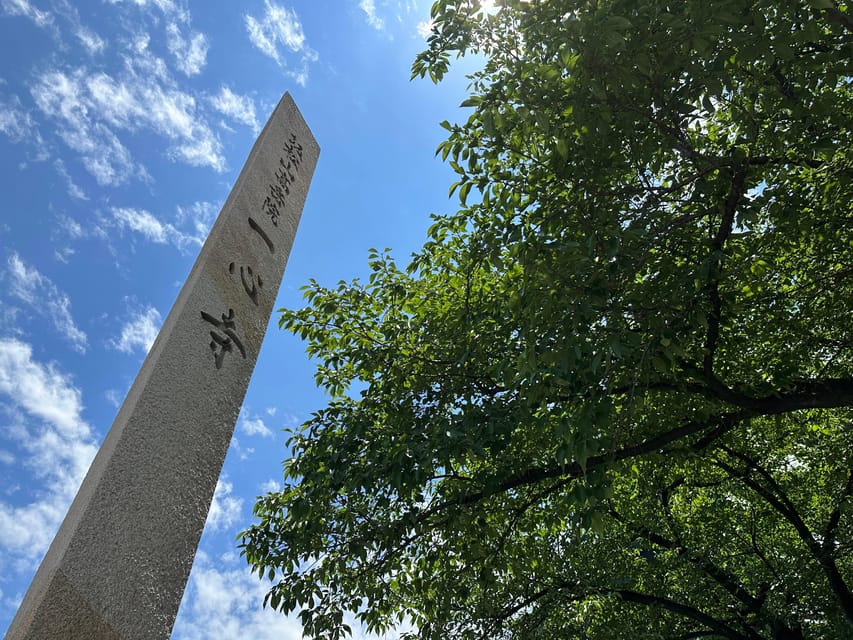
You meet your guide in front of the stone torii gate (Ishidori) at Shitennoji Temple. It’s a short walk from Shitennoji-mae Yuhigaoka Station, which helps if you’re already in the area or doing an easy connection day.
This start matters because it sets the tone fast. Instead of jumping straight to big buildings, you begin at a recognizable threshold. In practice, it also makes it easy to spot your guide, who holds a sign with your name.
From there, you’re guided into one of Osaka’s most important religious sites: Shitennoji. The key detail here is that it’s described as Japan’s oldest officially established Buddhist temple, founded in 593 by Prince Shotoku. That gives your walk a built-in storyline, not just a list of sights.
If you like travel that explains the why, this stop is built for you. You’re not only seeing sacred spaces. You’re learning how Buddhism became integrated into society early on.
You can also read our reviews of more walking tours in Osaka


Inside Shitennoji: Four Heavenly Kings and the symmetry lesson
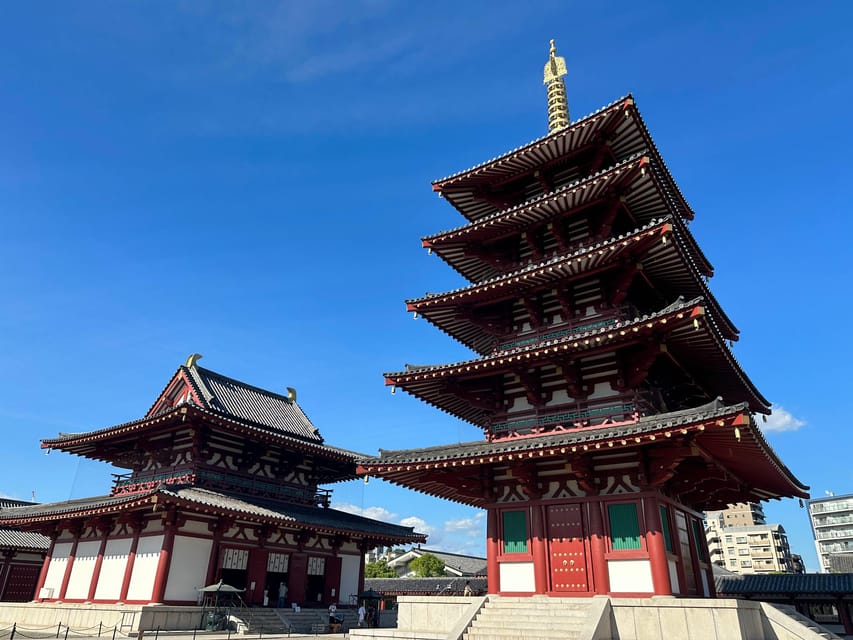
Shitennoji honors the Four Heavenly Kings (Shitenno), guardian deities tied to protecting the nation. That theme gives you a helpful lens for what you’re looking at. When a guide frames the space this way, the temple stops feeling like decoration and starts feeling like a system of meaning.
Then comes the architecture lesson. As you enter the central precinct, your guide explains the meaning behind the symmetrical layout. Symmetry is easy to notice and hard to interpret. With a guide, it becomes clear that this is a classic example of early Japanese Buddhist design and not random placement.
You’ll also hear how the temple has endured through repeated reconstruction. That includes fires and wars, plus the long cycle of rebuilding that many major religious sites experienced. Hearing that context while you’re standing in the same general precinct makes the survival feel tangible.
Plan on about 1.5 hours at Shitennoji during the guided portion. In that time, you’ll cover the main temple complex area included in admission, plus the garden element that follows.
The Pure Land Garden: the setting sun as religious symbolism
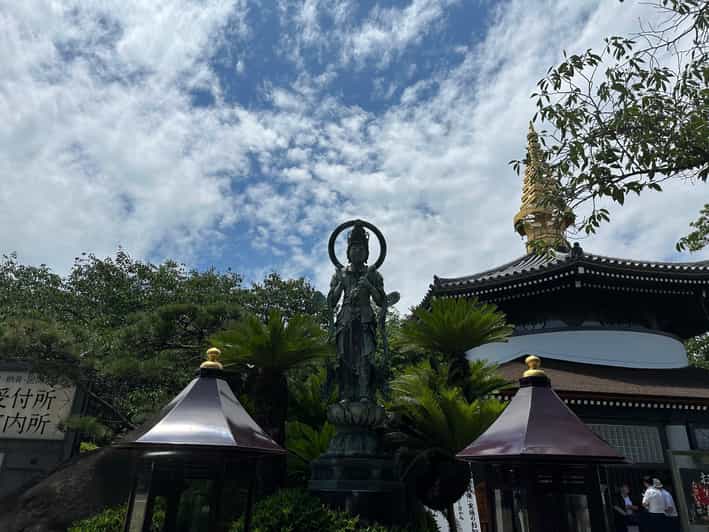
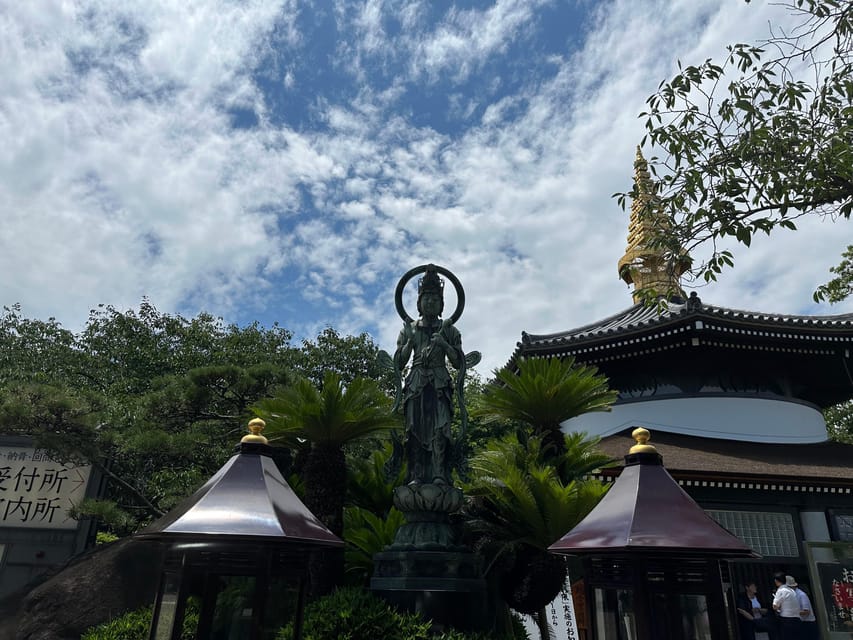
After the central precinct, you move into Shitennoji’s Pure Land Garden. This is where the tour’s thinking side really earns its keep. Pure Land Buddhism, inspired by visions of the Western Paradise, is explained in a way you can connect to a real place rather than a vague concept.
The guide introduces Pure Land thought and explains the symbolic relationship between the setting sun and the promise of rebirth in Amida’s paradise. That detail is memorable because it ties a daily, natural event to a religious message.
It also helps you understand why gardens matter. This isn’t a pretty bonus stop. It’s part of how belief is experienced: through sights, layout, and symbolism you can actually see during your visit.
If you’re the kind of person who likes taking one idea home and using it to read the next place you visit, you’ll enjoy this garden segment. It’s short, but it gives the walk a deeper layer.
Isshinji Temple’s modern gate: tradition meets current design
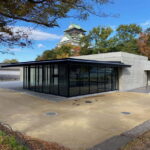
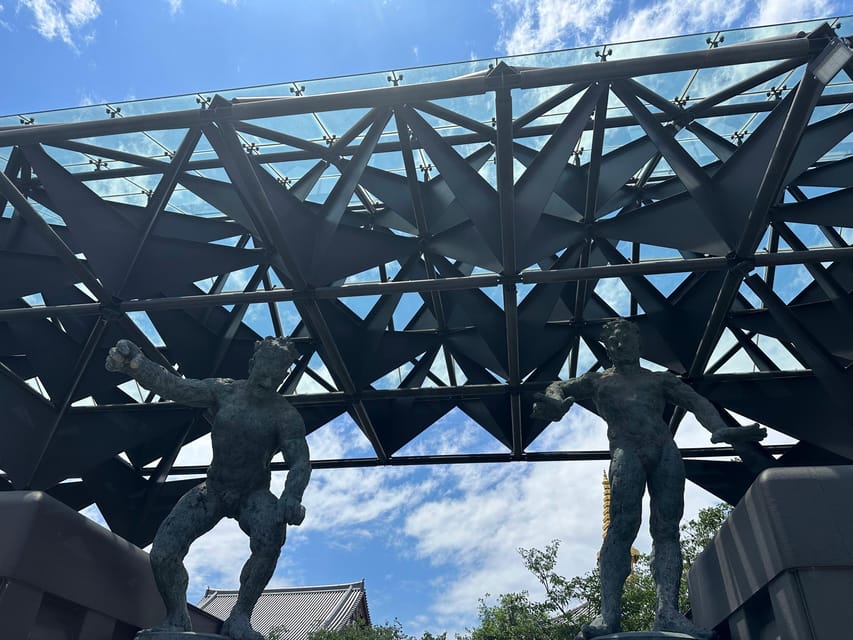
Then the tour pivots. You’re still in Osaka, but the feeling changes quickly. At Isshinji Temple, you approach a strikingly modern main gate designed by the current head priest. The impact is immediate: tradition and innovation side by side in a way that feels very Japanese.
Once you pass the gate, you’re entering a temple with nearly 900 years of history. That contrast is part of the experience design. You can feel the difference between what early Buddhism looked like in its formal layout and what later urban faith could look like in how it presents itself.
This section also benefits from pacing. After Shitennoji, the shift to a new setting helps your brain reset. You don’t just repeat temple sightseeing. You compare two expressions of faith in the same city, one older and more formal, the other deeply personal and urban.
Bone Buddhas (Kotsubotoke): cremated ashes turned into devotion
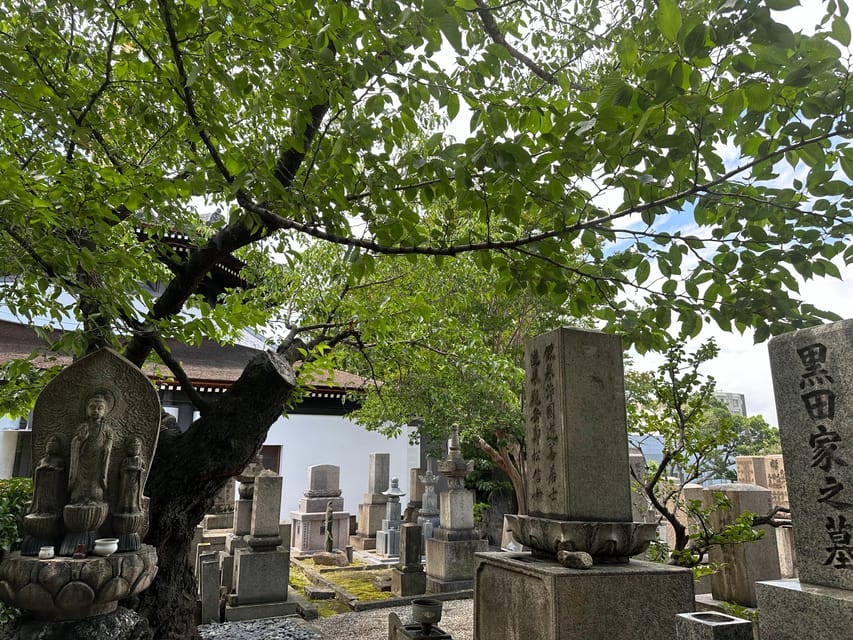
The headline at Isshinji is the Bone Buddha tradition, known as Kotsubotoke. Here’s the detail that makes this tour different from most temple walks: Isshinji is home to the ashes of more than two million ancestors of Osaka residents.
Those remains are respectfully combined to create statues formed from cremated ashes. Your guide explains how this practice began and how it continues as a place of remembrance for families across generations.
That’s the tour’s emotional core. It’s not just an object or a quirky tradition. It’s a system of memory. The “urban” angle matters here because it reflects how faith can serve a dense, everyday city life, not only royal ceremonies or distant countryside temples.
If you’re cautious about the heavier side of religion, you’ll still find this presented with care. The tour frames it as respectful remembrance, and your guide’s role is important for understanding why the practice exists and what it means to families.
This stop is included as part of the guided visit, and together with Shitennoji, it turns your 2-hour walk into a clear story arc: from early spread to community remembrance.




How the two temples tell one Osaka story
What I like about this tour is that it doesn’t treat the temples as separate field trips. It connects them into one timeline and one theme: how Buddhism shaped early and urban Japan.
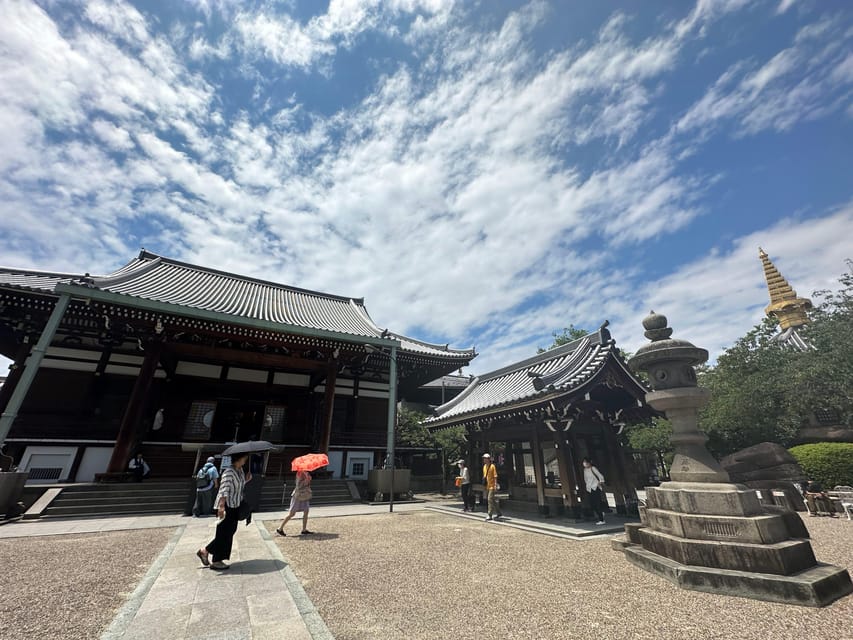
At Shitennoji, you learn about the founding moment under Prince Shotoku and the way Buddhism became integrated into society. You also get guardian-deity framing through the Four Heavenly Kings, plus the design logic of the symmetrical central precinct.
Then the story shifts to the human scale. At Isshinji, the tradition focuses on ancestors, cremation, and family remembrance. It’s still Buddhism, but it’s expressed in a way that feels closer to daily Osaka life.
By the end, you’re not just “done with temples.” You have a better grip on how religion can show up as architecture and garden symbolism in one place, then show up as collective memory and devotion in another.
That’s also why the walking format works. You experience contrasts in real time, instead of reading about them after the fact.
Price and time: is $65 per person worth it?
At $65 per person for about 2 hours, this is priced like an interpretation-heavy cultural tour. You’re not paying for a long bus ride or multiple neighborhoods. You’re paying for a guide and admissions to what matters most: Shitennoji’s main temple complex and the Pure Land Garden, plus the guided visit through both temple sites.
For me, the value comes from the structure. The tour includes the two big elements that make the difference between a self-guided stroll and a meaningful visit: the guide-led explanations and the garden symbolism. If you’re going to take the time, this format saves you from piecing the story together alone.
One trade-off: because it’s only 2 hours, the experience is compact. You won’t have hours to wander without a plan. If you’re the type who wants to linger for personal photography time, you may find the schedule feels a bit tight.
Still, if your goal is understanding how early Buddhism and later urban remembrance coexist in Osaka, the timing is efficient.
Practical tips before you go
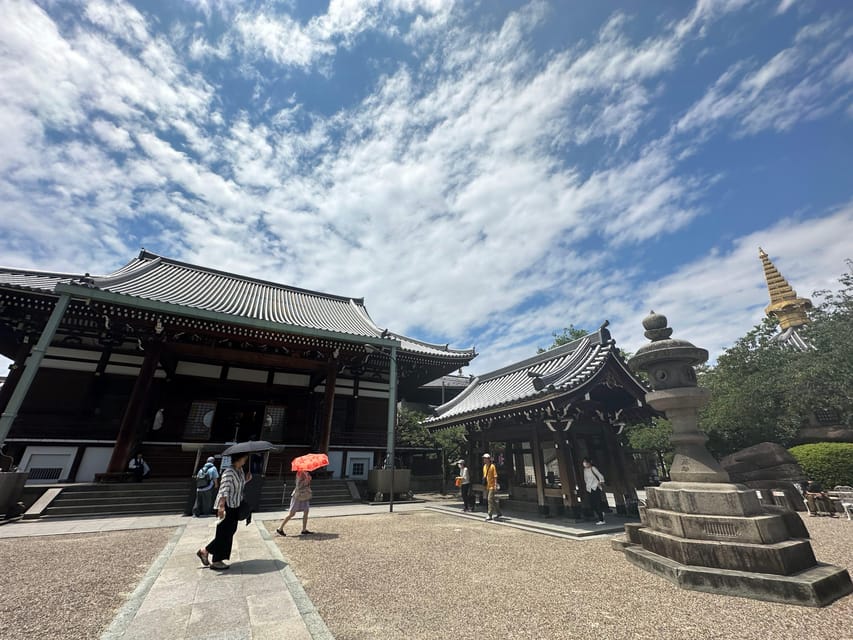
Wear shoes that handle uneven temple grounds and lots of standing. This is a walking tour with two temple areas, and you’ll spend more time on your feet than you might expect.
Bring a layer. Even if Osaka feels mild when you plan, temple areas can stay cooler than the street level.
And go in with one simple mindset: ask yourself what each place is trying to communicate. At Shitennoji, it’s the structure and symbolism tied to Pure Land ideas. At Isshinji, it’s remembrance made visible through the Bone Buddhas.
Also, plan to meet right on time. Your guide is waiting at the stone torii gate (Ishidori) at the Shitennoji main entrance, holding a sign with your name. Missing that point can waste your whole start.
Who this tour suits best
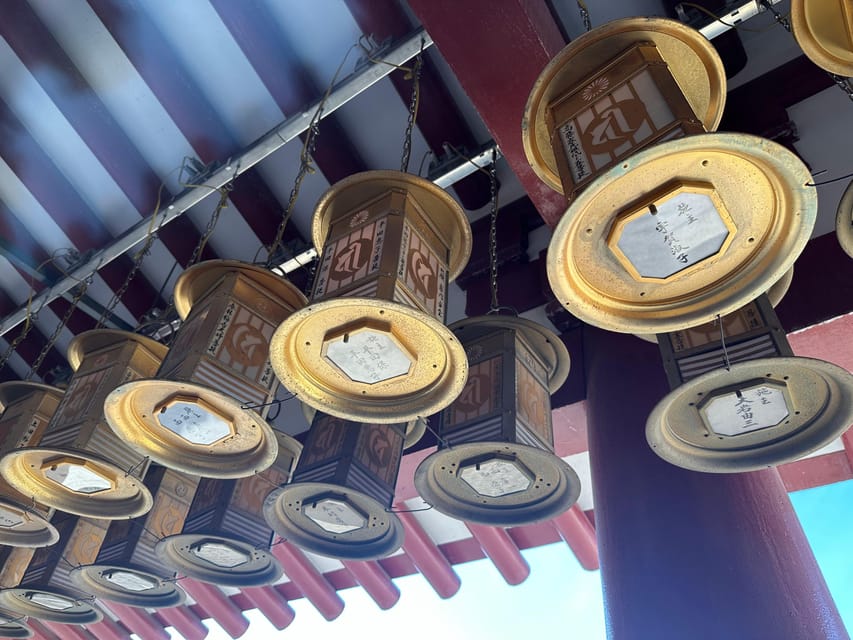
This is a great fit if you want Osaka beyond food streets and nightlife. You’ll get a quieter side of the city that’s tied to some of the earliest and most powerful religious sites in Japan.
It also suits travelers who like culture with context. If you’re comfortable with religion-related topics and you appreciate explanations of meaning, the guide’s role becomes a highlight.
It’s also a good choice for people who prefer a private group. A private group format generally makes it easier to ask questions and move at a pace that fits your understanding.
Should you book this Osaka temple walking tour?
I’d book it if you want a clear, guided story about Buddhism in Osaka, with admissions included and two temples that explain very different sides of faith. Shitennoji gives you the early institutional roots through Prince Shotoku and the Four Heavenly Kings. Isshinji brings you into an urban tradition of remembrance through the Bone Buddhas made from cremated ashes.
Skip it if you want lots of free time to wander, or if you’re looking for a tour that includes meals or transportation. This experience is built around the temples and the interpretation.
If you’re in Osaka for a short stay and want one experience that’s meaningful without taking your entire day, this 2-hour walk is a strong bet.
FAQ
How long is the Osaka Old Temple & Bone Buddha walking tour?
The tour lasts 2 hours total.
What temples do you visit?
You visit Shitennoji Temple and Isshinji Temple.
What is included in the ticket price?
You get a professional English-speaking guide, guided access to Shitennoji and Isshinji, admission to Shitennoji’s main temple complex, and admission to the Pure Land Garden.
Where do I meet the guide?
Meet in front of the stone torii gate (Ishidori) at the main entrance of Shitennoji Temple. The guide will be holding a sign with your name.
Is transportation included to and from the meeting point?
No. Transportation to and from the meeting point isn’t included.
Do I need to speak Japanese?
No. The tour offers English and Japanese, and the guide speaks English.
Is there a private group option?
Yes. This is listed as a private group.
Are food and drinks included?
No. Food and drinks aren’t included.