REVIEW · OSAKA
Cooking Class for Ramen and Gyoza in a Quiet Old Osaka House
Book on Viator →Operated by JP tourism · Bookable on Viator
Old house, hot noodles, new skills. This ramen and gyoza cooking class in Osaka turns Japanese home cooking into a hands-on, English-friendly experience inside a renovated 90-year-old house, led by Ayumi, a local who grew up eating this way every day.
I like that you’re not just watching. I love the friendly pace and the way Ayumi keeps things organized, so you actually finish confident. The only drawback to plan for is that it’s a single, focused session, so you’re learning one style of ramen and gyoza rather than a menu of variations.
max 6 learners means you can ask questions and actually get help, not just stand in a line. I also appreciate that the class runs about 2 hours 45 minutes, long enough to make the dumplings and then sit down for lunch without feeling rushed.
In This Review
- Key highlights you’ll feel right away
- Stepping into a renovated 90-year-old Osaka kitchen
- Ayumi runs the room like a home visit, in English
- A quick practical note on allergies
- What the 2 hours 45 minutes really covers
- Ramen in soy sauce soup with pork toppings
- What you’ll likely focus on while cooking
- Gyoza practice: homemade wraps and two filling styles
- Why this class’s gyoza is a smart choice
- Lunch together: where the recipes become real
- Price and value: what $93.44 gets you in Osaka
- Who should book this ramen and gyoza class
- Who might want to consider an alternative
- The quick “should I book it” decision
- FAQ
- How long is the cooking class?
- Is the class taught in English?
- What dishes are included in the lunch?
- Is the group size limited?
- Can the class accommodate allergies or dietary restrictions?
- Is there a private class option?
- What’s the cancellation policy for a full refund?
Key highlights you’ll feel right away
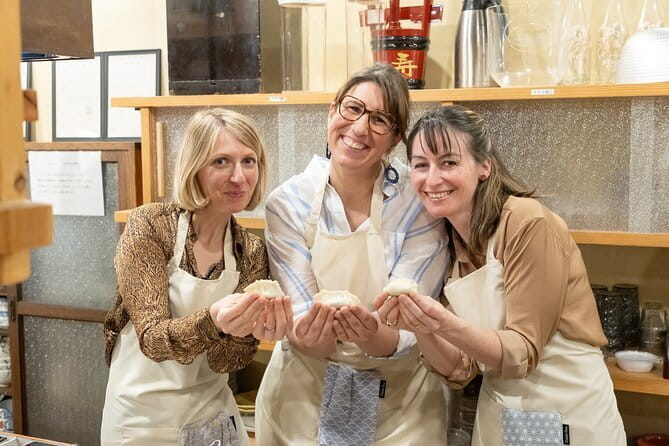
- An English-led class focused on Japanese home cooking, not complicated theory
- Renovated 90-year-old kitchen studio that feels quiet and lived-in
- Hands-on ramen + gyoza: you cook and then eat together
- Homemade gyoza wraps and savory pork/beef + vegetable filling
- Origami chopstick holders included with your meal
- Small groups (up to 6) for better questions and smoother teamwork
Stepping into a renovated 90-year-old Osaka kitchen
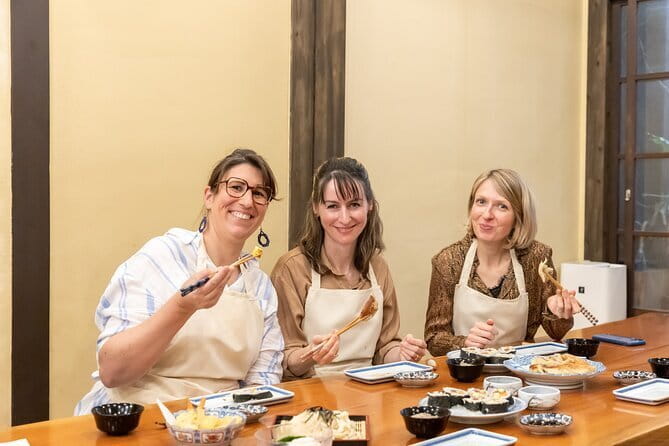
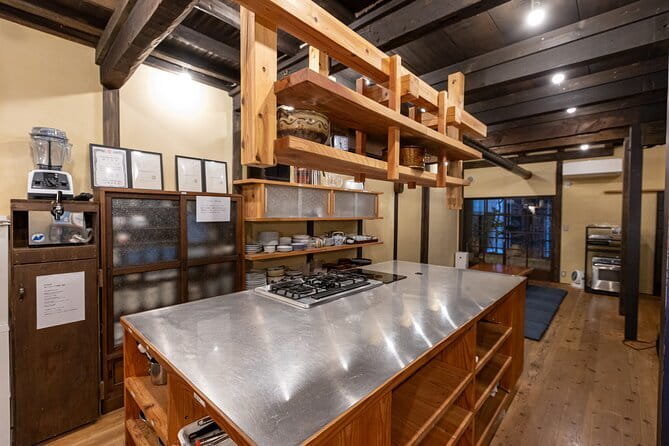
Osaka has plenty of places to eat well, but this experience goes one step deeper: it puts you in a kitchen. The studio is a renovated 90-year-old house, so the setting feels softer than most modern cooking spaces. Expect a calm vibe where you can actually hear the instruction and focus on what’s happening at your station.
The location is in Chuo Ward, Osaka, near public transportation. You meet at 6 Chome-13 Tanimachi, and the class ends back at the meeting point, so you don’t have to figure out a second transit hop after you’ve worked up an appetite.
And that old-house atmosphere matters more than it sounds. When cooking goes well, it’s usually because the space feels comfortable and the rhythm makes sense. Here, the setup supports that.
You can also read our reviews of more cooking classes in Osaka

Ayumi runs the room like a home visit, in English
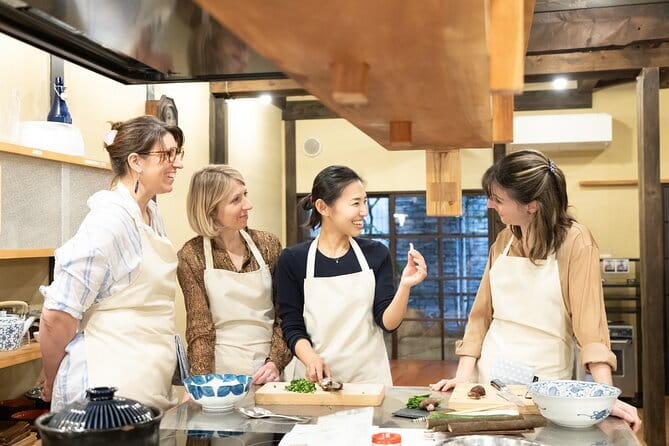
The instructor is Ayumi, a local from Osaka who grew up with Japanese home cooking. She’s also a certified dietary education instructor and has taught cooking classes at home and school for over five years. That mix shows in the way the class is structured: ingredients first, then cooking, then eating, with time for questions during the process.
One detail that makes a difference: the class is offered in English. So you’re not left guessing while everyone else seems fluent. You’ll still hear Japanese food words (because that’s part of the fun), but you’re given the meaning and practical use right away.
Ayumi’s style is warm and approachable. The vibe is less teacher lecture and more friendly host guiding you step by step—like you’ve come to cook with someone who actually cares that you understand what you’re doing.
A quick practical note on allergies
If you have food allergies or restrictions, you should tell the organizer when you book. They say they’ll do their best to accommodate. That’s exactly what you want to hear for a class like this where you’ll be handling ingredients and sauces up close.
What the 2 hours 45 minutes really covers
This class isn’t stretched into a half-day spectacle. It’s built to give you results. Plan for about 2 hours 45 minutes, starting at 10:30 am.
In that time, you’ll move through three phases:
- Introduction to ingredients and condiments used in Japanese kitchens
- Cooking together with an instructor guiding your station
- Sharing and eating lunch at the end
The “together” part is key. You’re not cooking a lone demo portion. The format encourages exchange—talking about food culture and customs as you work. That’s one of the best parts of a small-group cooking class, because the conversation tends to be practical, not performative.
Also, the group size is capped at 6 travelers. That usually means less waiting, more hands-on moments, and more chances to get feedback when something isn’t going perfectly.
Ramen in soy sauce soup with pork toppings
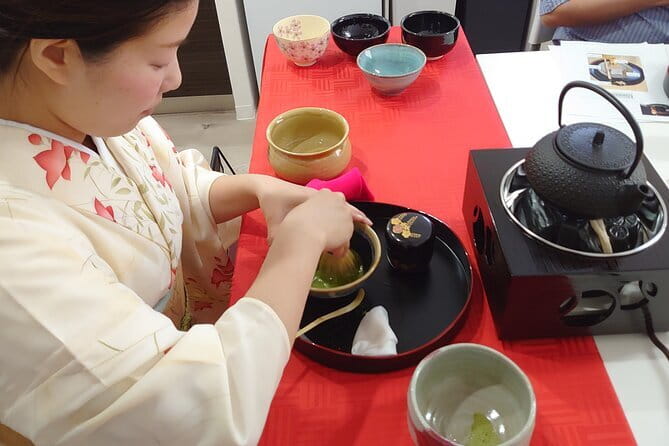
Ramen can sound intimidating if you’ve only ever gotten it at shops. Here, you learn it in a way that feels doable, because you’re guided through ingredients and method while you’re actively cooking.
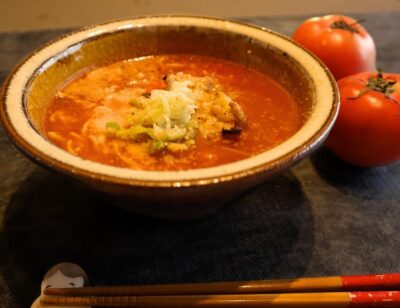
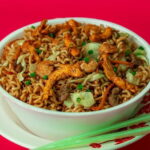
The lunch ramen is a soy sauce-based soup with pork toppings. That matters because soy sauce ramen is familiar enough to be comforting, but still different from the tonkotsu style many people associate with Japan. You’ll also get a clearer sense of why Japanese home versions taste balanced: the condiments, the timing, and how everything supports the broth rather than competing with it.
You can also read our reviews of more tours and experiences in Osaka

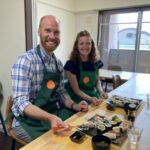

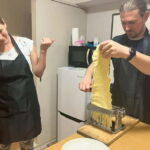
What you’ll likely focus on while cooking
You’ll start with the ingredients and condiments used in Japanese kitchens. Then you’ll apply that knowledge to the ramen components. Even if you don’t memorize every ratio, you’re leaving with a structure you can repeat: how to build flavor, how to season, and how to serve.
The big win is confidence. After a class like this, you’re not just thinking ramen is complicated—you’re thinking, I can make this at home because I’ve handled the steps.
Gyoza practice: homemade wraps and two filling styles
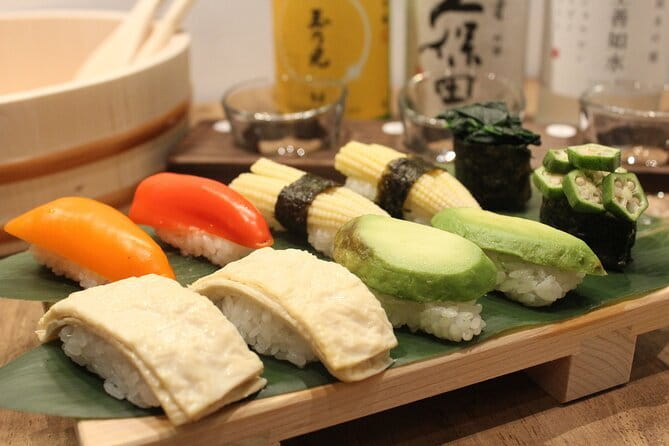
Then you shift to the dumplings: gyoza with homemade wrap and a filling that uses pork/beef and vegetables. This is the part where many cooking classes turn into a “watch me do it” moment. Not here. You’re expected to cook along with the group.
Making gyoza is satisfying because it’s hands-on. You’ll shape and work with the wrap and filling, and you’ll get a sense of how gyoza becomes gyoza—through folding, stuffing, and cooking method.
Why this class’s gyoza is a smart choice
Gyoza is one of the best dishes for learning because it’s flexible. You can test textures and adjust your approach. And even if your first batch isn’t perfect, the technique is learnable.
Since the filling includes both pork and beef with vegetables, you’re getting a richer, savory profile than some simple versions. That also helps you understand what changes the taste: fat content, vegetable moisture, and seasonings.
And when the wraps are homemade, the lesson is bigger than the final dumpling. You learn the feel of the dough and how it behaves, which makes it easier to recreate later without feeling like you need special equipment.
Lunch together: where the recipes become real

Cooking is fun, but eating is where it clicks. You’ll cook both dishes and then eat together as part of the class. This isn’t just a random meal thrown in. It’s the finish line for everything you just learned.
The class also includes a small souvenir: Japanese-made chopsticks plus a chopsticks holder made with origami and cute decorations. It’s the kind of detail that makes you think about the class when you use the chopsticks later, which is honestly the point.
And because the group is small, the “exchange” element tends to be meaningful. You’ll chat about what you’re used to at home, and you’ll hear how these dishes show up in Japanese everyday life.
That’s a real travel value: you don’t just take photos. You take something you can reproduce.
Price and value: what $93.44 gets you in Osaka
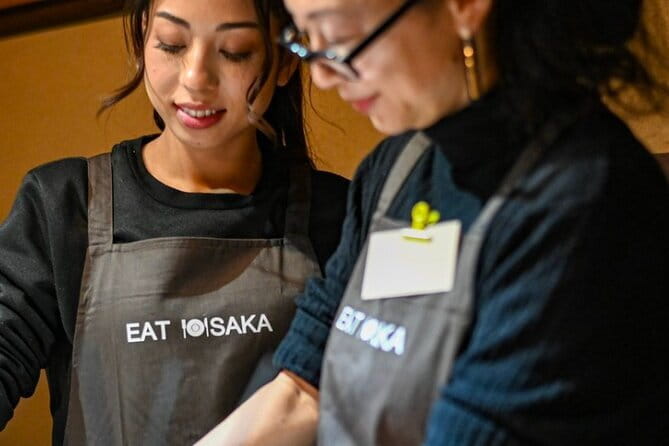
At $93.44 per person, this class isn’t the cheapest thing on the menu in Osaka. But you’re also not paying for a light snack experience. You’re paying for:
- Instruction from a local expert (Ayumi)
- A hands-on cooking session where you participate, not just observe
- A meal included (ramen and gyoza)
- A small group cap (6 travelers)
- Extra touches like chopsticks in an origami holder
Also, cooking classes are one of those travel categories where the value comes from outcome. If you leave able to cook the dishes, the price starts to feel fair fast—especially if you’re the type who cooks at home and likes learning through doing.
If you compare it to paying restaurant prices and buying groceries separately, the class stacks up better than you might think. You’re essentially buying a structured lesson plus lunch.
Who should book this ramen and gyoza class
This class is a great fit if you:
- Want an authentic Japanese home cooking experience rather than a generic food tour
- Prefer learning by doing, with an English-speaking instructor
- Like small groups and better interaction
- Eat pork/beef and want to learn a classic soy sauce ramen style and gyoza technique
It’s also ideal for couples or friends who want something memorable that doesn’t require heavy planning. The small group helps it feel social without getting chaotic.
Who might want to consider an alternative
If you’re looking for a broad tasting itinerary with many different dishes, this won’t match that. This is a focused class. You’ll learn ramen and gyoza well, but you won’t leave with a parade of variations.
The quick “should I book it” decision
Book this class if you want a calm, small-group Osaka experience where you cook real food, eat what you made, and take home skills you can actually use. I especially like the combination of Ayumi’s home-cooking background and the hands-on ramen and gyoza focus. That’s the formula that turns a trip meal into a long-term memory.
Skip it if you hate hands-on cooking, want a very long experience, or you’re seeking lots of different dishes. This class is about depth in two dishes, not breadth.
FAQ
How long is the cooking class?
It runs for about 2 hours 45 minutes.
Is the class taught in English?
Yes, the class is offered in English.
What dishes are included in the lunch?
You’ll eat ramen in a soy sauce-based soup with pork toppings, plus gyoza with homemade wrap and pork/beef and vegetable fillings.
Is the group size limited?
Yes. The class has a maximum of 6 travelers.
Can the class accommodate allergies or dietary restrictions?
Tell them about allergies or restrictions when you book. They say they will do their best to accommodate.
Is there a private class option?
Shared classes are available, and private classes are available by contacting them directly for booking.
What’s the cancellation policy for a full refund?
Free cancellation is available, and you can cancel up to 24 hours before the experience start time for a full refund.