REVIEW · OSAKA
Full day Highlights destination of Kyoto with Hotel Pickup
Book on GetYourGuide →Operated by Japan tours International by Unemoto LLC · Bookable on GetYourGuide
Kyoto can feel like a movie set in real life. This full-day private trip pairs hotel pickup with a tight 10-hour circuit of the city’s headline sights, including the torii tunnel at Fushimi Inari and the gold-leaf mood of Kinkakuji. I like that you get a plan you can actually use (not just a list of names), but the pace can also feel a bit like a famous-stop checklist if you want deep, story-driven context.
What helps is the handoff system. Your English-speaking driver (they may also speak Tagalog or Arabic) handles the air-conditioned transport and the route between areas, while a host/greeter helps you with ticket buying and line-waiting support—but they do not provide a full guided tour inside each site. One other thing to plan around: the day runs rain or shine, so you’ll want sturdy footwear and a “walk first, think later” attitude.
If you’re traveling with up to two people, this format can be a smart way to see Kyoto without wrestling trains and transfers all day. Just be ready for some walking if parking ends up a little away from the attractions, which is common with day trips.
In This Review
- Key Takeaways Before You Go
- Why This Kyoto Day Trip Works for First-Timers
- Price and Value: What $600 Gets You (and What It Doesn’t)
- Door-to-Door Pickup and How the Day Actually Starts
- Gion and Kimono Forest: Geisha-Era Charm With Real Choices
- Kinkakuji Golden Pavilion: Zen Temple Meets Gold-Leafing
- Fushimi Inari Taisha: The Torii Gates That Keep Going
- Arashiyama Bamboo Forest, Togetsukyo, and the Sagano Train Area
- Kiyomizu-dera: A Classic Temple Stop You Can’t Ignore
- Transport, Comfort, and the Realities of a 10-Hour Day
- The Biggest Potential Upside: Convenience That Protects Your Time
- One Important Consideration: A Day That Can Feel Like a Checklist
- Who This Kyoto Tour Suits Best
- Should You Book This Kyoto Tour?
- FAQ
- Is this a private group tour?
- How does hotel pickup work?
- What language support do I get?
- What’s included in the tour price?
- What should I pay for separately?
- Does the tour run in rain?
Key Takeaways Before You Go
- Door-to-door convenience with hotel pickup and drop-off, with your driver holding a sign using your last name
- English help that’s practical, not lecture-style, since the host/greeter assists with tickets and lines instead of guiding every detail
- Big Kyoto icons in one run: Gion, Kinkakuji, Fushimi Inari, Arashiyama Bamboo Forest, Kiyomizu-dera
- Kimono Forest is an optional experience (kimono rental is not included) so you can choose how much you want to dress up
- Arashiyama photo moments tied to the bamboo forest and Togetsukyo area, famous for promotional bridge photos
- A real rain-or-shine day, so you’ll be out in weather and crowds no matter what
Why This Kyoto Day Trip Works for First-Timers
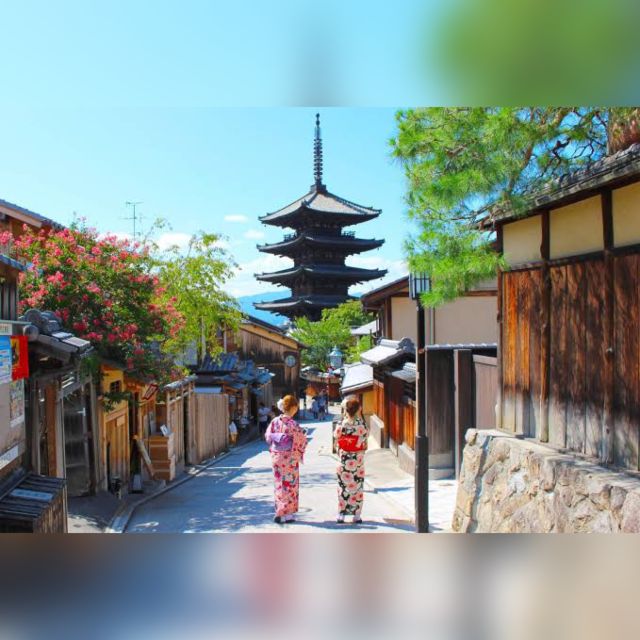
Kyoto has a lot of famous places—and not much patience for last-minute logistics. This tour is built for one thing: making your day feel complete, even if it’s your first time in town. You get an air-conditioned vehicle and a driver who speaks English, and that alone removes the biggest headache of a Kyoto day: route planning and constant train hopping.
I also like the “anchor sites” approach. You’re not just chasing neighborhoods for vibes—you’re hitting Gion, Kinkakuji, Fushimi Inari Taisha, Arashiyama Bamboo Forest, and Kiyomizu-dera. Those names matter because each one represents a different Kyoto mood: geisha-era streets, Zen aesthetics, Shinto torii drama, forest calm, and hillside temple views.
The trade-off is the pace. The day is long (10 hours), and you move from place to place. If you’re the type who wants slow storytelling and lots of time to soak in details, you might find it a bit tight.
You can also read our reviews of more tours and experiences in Osaka
Price and Value: What $600 Gets You (and What It Doesn’t)
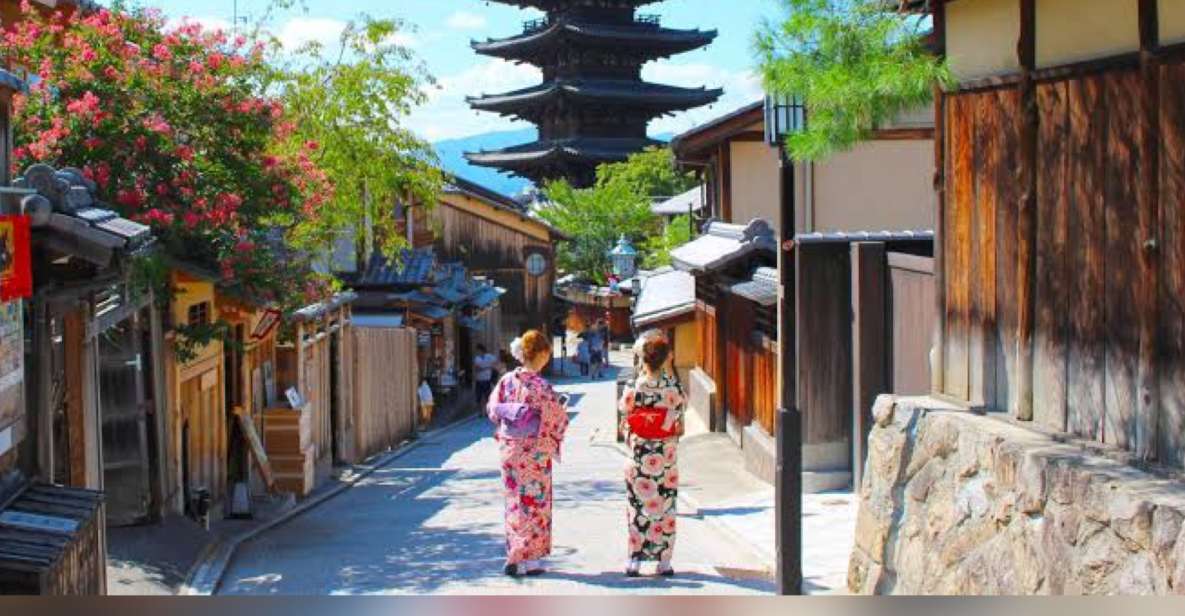
The price is $600 per group up to 2 people for 10 hours. That’s private transport pricing, not per-person mass-tour pricing. If you’re traveling as a couple or with a friend, you can often feel like you’re buying time and convenience—less stress, fewer transfers, more time standing in front of the sights you came for.
Here’s what you should budget beyond the tour fee:
- Food and drinks (not included)
- Admission tickets (not included)
- Kimono rental (not included)
So the value comes from the transportation + the guided support style. The host/greeter will help with things like ticket purchasing and waiting in line, but they’re not providing a full inside-site narration. Think of them as your logistics safety net, not a walking encyclopedia.
If you’re planning to buy multiple admissions anyway and want hotel pickup, this price can make sense. If you’d rather DIY Kyoto and you’re comfortable with trains, you may find cheaper options. But for a full day that actually runs on time, this is a practical choice.
Door-to-Door Pickup and How the Day Actually Starts
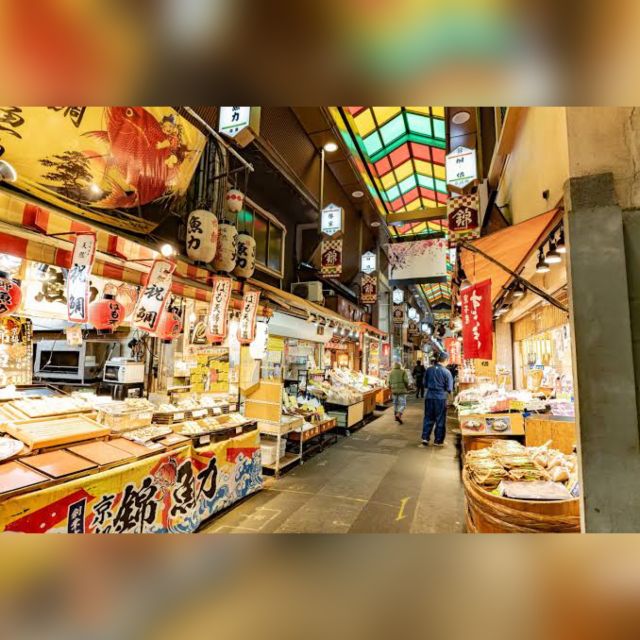
Pickup is included, and you should wait in your hotel lobby 10 minutes before your scheduled time. Your driver holds a sign with your last name. That detail matters more than it sounds—Kyoto-area meeting points can get messy fast, and having a clear handoff reduces stress.
Because it’s a private group, you don’t need to match your schedule to strangers. That also helps when you want the day to be about your priorities: quick stops for photos, longer pauses where you want them, and fewer “everyone go now” moments that happen on larger buses.
One more practical note: the driver’s language coverage is listed as English, Tagalog, and Arabic. Even if you speak English, it’s nice to know the team can adapt if someone in your group needs it.
Gion and Kimono Forest: Geisha-Era Charm With Real Choices
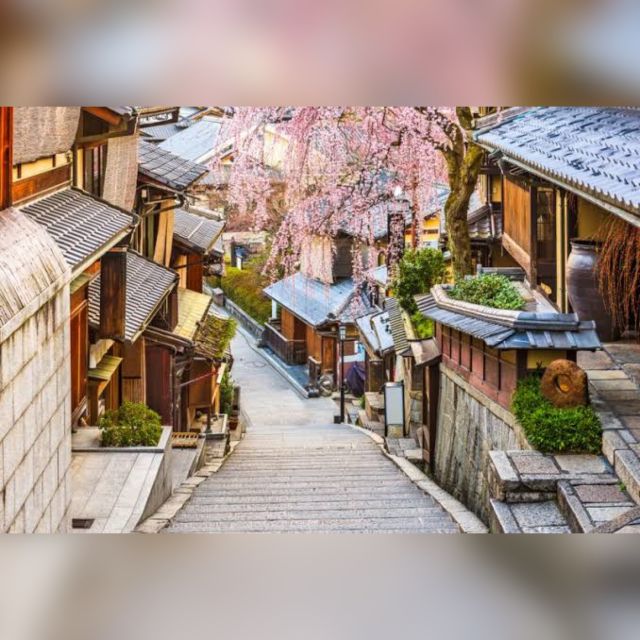
Your day includes Gion, one of Kyoto’s most famous geisha districts. This area is known for that classic Kyoto look—traditional streets, atmospheric corners, and lots of photo opportunities. Even if you don’t run into anyone dressed for a role, the setting itself is the point.
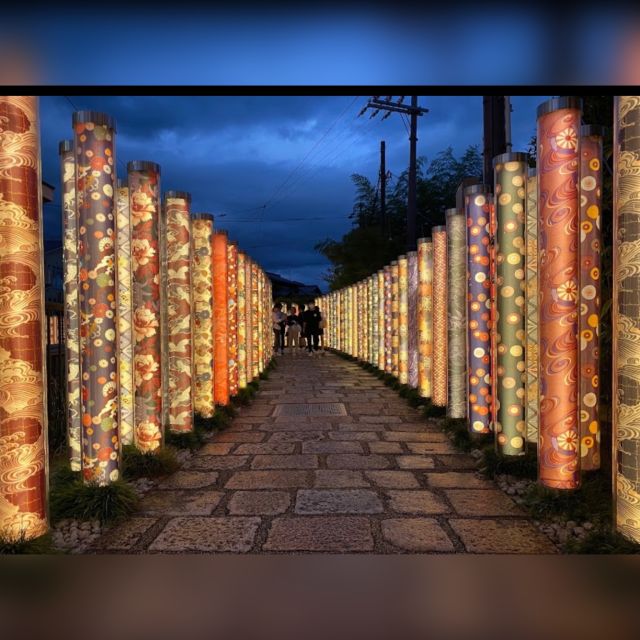
Next up is Kimono Forest, where you can rent a kimono. Kimono rental isn’t included, which is actually a good thing: you can decide whether dressing up fits your budget and comfort level. If you do rent, it’s the easiest way to turn a simple photo stop into a memorable Japanese-style experience.
What to keep in mind with Gion + kimono time: it’s popular. That means you’ll likely be sharing space with other visitors. If you’re hoping for quiet, private street scenes, adjust expectations. If you’re fine with lively atmosphere and want that Kyoto feeling, this stop delivers.
Kinkakuji Golden Pavilion: Zen Temple Meets Gold-Leafing
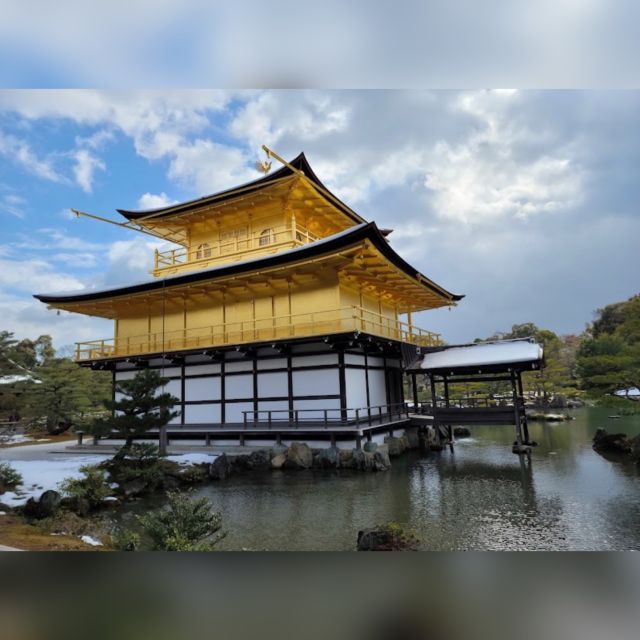
One of the highlights is Kinkakuji (Golden Pavilion), a Zen temple in northern Kyoto. The big visual hook is that the top two floors are covered in gold leaf. That’s the kind of detail that makes the site instantly recognizable in photos, and seeing it in person is where the impact really lands.
How to enjoy it without getting overwhelmed:
- Take a moment to look at the building first, not the crowd.
- Then slow down for viewpoints and reflections if the area layout gives you chances to see the pavilion from different angles.
The main drawback here is time pressure. In a 10-hour route, you can’t linger the way you might want at one site. If you’re the type who wants to stay for the perfect lighting, you may need to accept that you’ll get a “good Kyoto moment,” not a “perfect Kyoto moment at exactly 5:17 PM.”
Still, Kinkakuji is one of those stops where the payoff is immediate.



Fushimi Inari Taisha: The Torii Gates That Keep Going
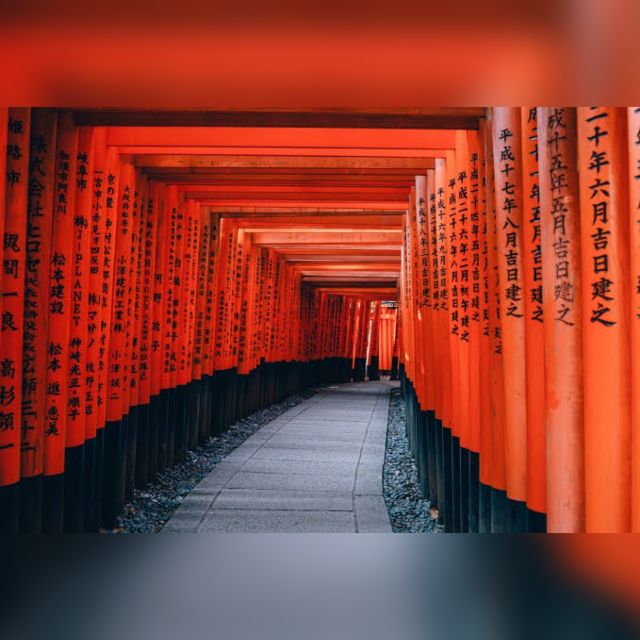
No Kyoto highlight list is complete without Fushimi Inari Taisha. You’re going specifically for its signature feature: the shrine pathway with a never-ending sea of red/orange torii gates. These gates arch over the route, creating that tunnel effect the area is known for.
Fushimi Inari is a Shinto shrine honoring Inari, the Shinto god of rice. What makes it unique isn’t only the religious meaning; it’s the visual structure. Even if you don’t know the full context, your eyes understand what’s happening: you’re walking into a bright corridor that keeps extending.
The practical reality:
- This is a walking experience. The more you go in, the more gates you see.
- If you only have time for a shorter walk, you can still get that iconic torii feeling.
This is also a site where pacing matters. If you walk too fast, it becomes “photos, next.” If you slow down, you start noticing how the torii create layers—foreground, midground, and distance.
Arashiyama Bamboo Forest, Togetsukyo, and the Sagano Train Area
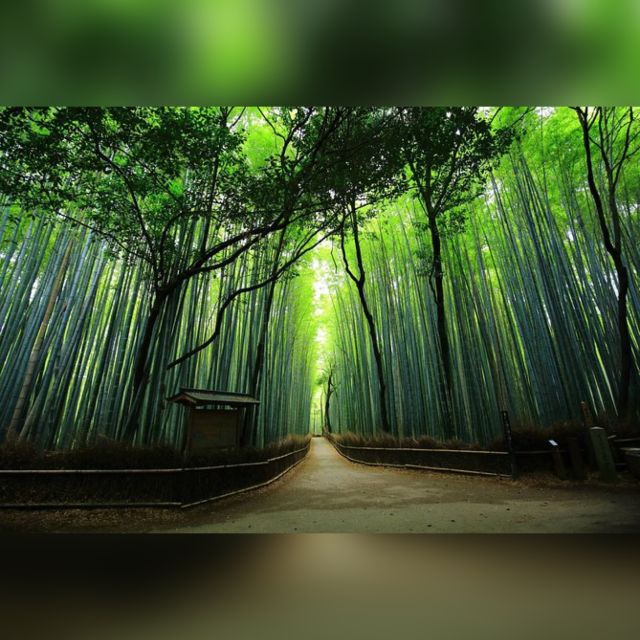
Arashiyama is included with Arashiyama Bamboo Forest, plus the surrounding area’s famous photo elements like Togetsukyo, the bridge used in a lot of Kyoto promotional images. The tour description also calls out the area’s connection to the Sagano Romantic Train ride, especially during spring blossoms or autumn colors—while the ride itself isn’t explicitly listed as included, the route and sights are strongly associated with that rail experience.
What makes bamboo forest time special is the contrast:
- The atmosphere feels cooler and more shaded under the stems.
- The space changes your pace from “city hustle” to “walk and listen.”
If you’re going for photos, Togetsukyo is a smart add-on. Even if you don’t focus on the bridge itself, it anchors the area visually.
One thing to watch for: crowds. Bamboo forests can get packed, and that can limit how long you stand in one spot. A good strategy is to take your first photos early, then use the rest of your time for slower observation—look up, then look down, then turn around and see how the walkway frames the scene.
Kiyomizu-dera: A Classic Temple Stop You Can’t Ignore
The day also includes Kiyomizu-dera, one of Kyoto’s most famous temples. It’s exactly the kind of site that benefits from a day trip format because you get the classic landmark experience without having to map out how to fit it between everything else.
Kiyomizu-dera is known for its dramatic hill setting and the way visitors move through the temple approach. You should expect walking and changing elevations. Even if you’re not someone who loves temple interiors, the overall experience—approach, views, and the temple’s presence in the hillside setting—is usually worth it.
If you’re the type who gets tired easily, plan your effort. For a long 10-hour day, don’t spend all your energy racing for the best angle. Pick a few key view moments and let the rest be simpler.
Transport, Comfort, and the Realities of a 10-Hour Day
This trip runs for 10 hours with transportation in an air-conditioned vehicle. That matters in Kyoto because you’ll spend time both in transit and on foot. Air-conditioned transport is your energy saver, especially if weather is warm.
Still, there’s no way around it: you’ll do some walking. The tour info also mentions that in some destinations the parking lot may be a bit away from the attraction, so you might walk a little to reach the site. Add that to typical site crowds and rain-soaked pavement if weather turns, and comfortable shoes become non-negotiable.
Also, the tour runs rain or shine. Kyoto rain can be light or heavy, but either way it changes how crowded and slippery things feel. If you don’t want to lose time to weather, wear shoes you trust and bring layers.
The Biggest Potential Upside: Convenience That Protects Your Time
Even with the pace limitations, the upside is real: you get a full circuit of Kyoto’s headline attractions with hotel pickup and drop-off. That means you can show up ready to see things instead of spending half your day figuring out the next train.
I also like the host/greeter support style. You’re not left alone to figure out ticket lines. The host provides guidance in purchasing a ticket and waiting in line with customers, which is helpful when you’re juggling multiple entrances across the city.
Just remember what the support is and isn’t: it’s guidance, not a full guided tour at every site. If you want deep explanations inside each attraction, you might want to pair this trip with your own reading or additional guide time.
One Important Consideration: A Day That Can Feel Like a Checklist
Here’s the honest caution. This type of full-day itinerary—multiple famous Kyoto locations in one run—can sometimes feel like an overlap of highlights rather than a slow, connected story. If you love history lectures and long stops where you learn every detail, the “move to the next icon” rhythm may not scratch that itch.
But if your goal is simpler—see the major Kyoto sights without the stress of planning—this plan is built for you. It’s a trade: less depth, more coverage.
Who This Kyoto Tour Suits Best
This is a strong fit if you:
- Want private transportation and hotel pickup for a full Kyoto day
- Care more about seeing major sights than about spending the entire day on just one neighborhood
- Like the idea of pairing multiple moods: Gion atmosphere, Zen temple visuals, torii shrine drama, bamboo forest calm, and hillside temple views
- Travel in a group of up to two and want convenience that’s easier to price out
It may not be ideal if you:
- Want a highly guided, narrative-style tour inside every site
- Prefer slower travel with fewer stops
- Plan to skip walking entirely (you’ll be on your feet at several locations)
Should You Book This Kyoto Tour?
I’d book it if you want a clean, efficient Kyoto day with minimal planning stress and door-to-door pickup. The combination of major sights—Gion, Kinkakuji, Fushimi Inari, Arashiyama Bamboo Forest, and Kiyomizu-dera—covers a lot of what makes Kyoto feel like Kyoto, and the air-conditioned vehicle helps you survive the pace.
Skip it (or adjust your expectations) if you’re chasing deep guided storytelling or if you know you’ll be unhappy with a “hit the highlights, move on” rhythm. Also factor in the extras: food, admissions, and kimono rental aren’t included, so you’ll want a budget that covers those.
If you’re realistic about the pacing and you value convenience, this is one of the more straightforward ways to get a lot of Kyoto in a single day.
FAQ
Is this a private group tour?
Yes. It’s listed as a private group, and the price is per group up to 2 people.
How does hotel pickup work?
Pickup is included. You should wait in your hotel lobby 10 minutes before your scheduled pickup time. The driver will hold a sign with your last name.
What language support do I get?
The driver is listed as English, Tagalog, and Arabic. A host or greeter also provides guidance with ticket purchasing and line waiting, but it’s not described as a full guided tour inside the attractions.
What’s included in the tour price?
Included items are the Kyoto day trip, hotel pickup and drop-off, transportation in an air-conditioned vehicle, and English speaking driver support, plus host/greeter guidance for tickets and waiting in line.
What should I pay for separately?
Food and drinks are not included. Admission tickets are not included. Kimono rental is also not included.
Does the tour run in rain?
Yes. The tour takes place rain or shine. It’s also advised that some places may require a short walk from a parking lot to the destination, so wear comfortable shoes.