REVIEW · OSAKA
Osaka Street Food Adventure: Taste Local Flavors with Guide
Book on GetYourGuide →Operated by Cooking Sun · Bookable on GetYourGuide
Street food in Osaka hits different with a guide. I particularly love the stop-by-stop way you get takoyaki and kushikatsu at local favorites, not just whatever’s closest. One consideration: this tour is not suitable for people with food allergies, so you’ll need to plan carefully.
You meet at 11am at Ebisucho Station (Exit 3, ground level) in front of Osho, then roll into Osaka’s older neighborhoods in a small group of up to 8. If you get a guide like Hiroko, you’ll also appreciate the way the day mixes food with practical city know-how and lots of friendly storytelling.
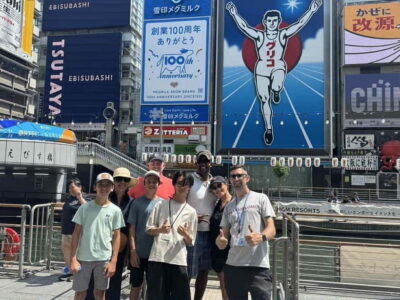
You’re walking for about 3 hours total, with 6 to 10 tastings and one drink included. You’ll see major photo spots like Tsutenkaku and the Glico sign, plus Hozenji Yokocho’s lantern-lit lane; just wear comfortable shoes and be ready for a steady, stomach-filling pace.
In This Review
- Key things you’ll like about this Osaka street food tour
- From Ebisucho Station at 11am to Glico: the overall flow makes sense
- Shinsekai: croquettes, wagashi, kushikatsu, and the local rhythm of snack stops
- Tsutenkaku Tower in 10 minutes: a fast photo stop with real street-food context
- Namba food halls and Dotonbori neon: what the guide helps you notice
- Hozenji Yokocho lantern alley: where the tour slows down in a good way
- Price and value: $83 for tastings, one drink, and someone to do the hard part
- Who should book, and who should skip
- Should you book this Osaka Street Food Adventure?
- FAQ
- Where do I meet for the tour?
- How long is the Osaka street food adventure?
- How much does it cost?
- What’s included in the tour price?
- Is the subway fare included?
- What foods and areas will I experience?
- What languages does the guide speak?
- Is the tour wheelchair accessible?
- Are there any rules on the tour?
- Is the tour safe for food allergies?
Key things you’ll like about this Osaka street food tour
- Small group vibe (up to 8) keeps the pace fun and questions easy
- 6 to 10 tastings plus one drink means you don’t have to plan meals
- Shinsekai to Dotonbori and beyond lets you compare different Osaka food moods
- Historic shops and older local favorites show up more than generic tourist snacks
- Hozenji Yokocho adds the atmospheric, night-market feel without feeling staged
From Ebisucho Station at 11am to Glico: the overall flow makes sense
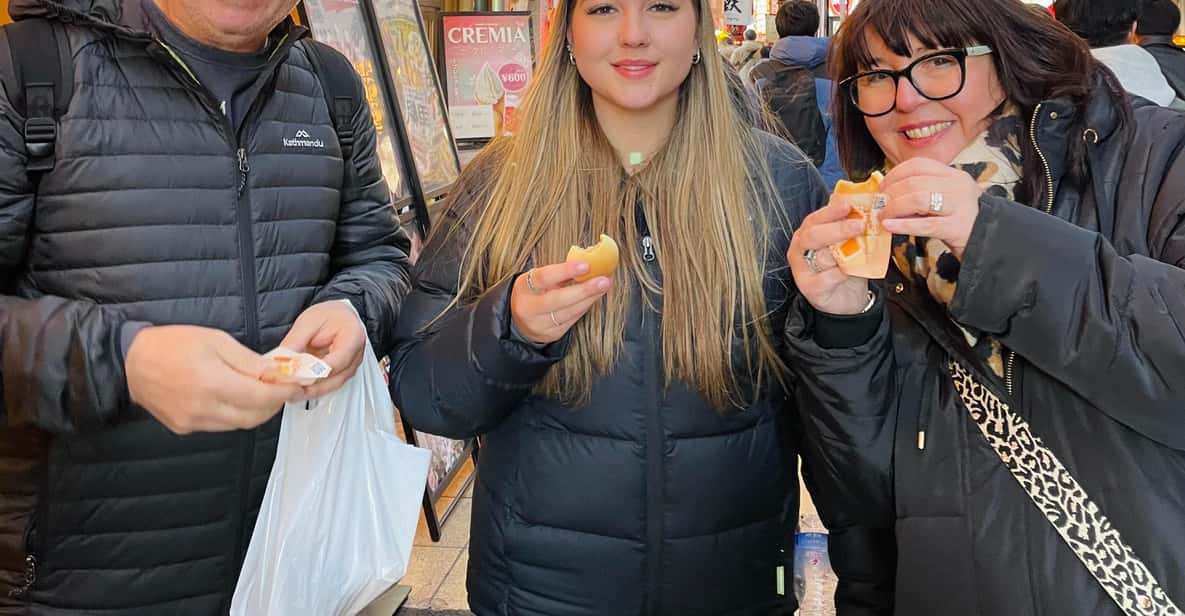
This tour is built for people who want food and context, without spending the whole day playing guess-and-hope. The meeting point is straightforward: Ebisucho Station, Exit 3 (ground level), in front of Osho, at 11am. From there, you’re in a small group, so you don’t get lost in a crowd or feel rushed while trying to decide what to order.
The day moves in a logical arc. You start in Shinsekai, where the streets feel retro and old-school Osaka is still doing its thing. Then you fan out toward landmark areas like Tsutenkaku and Dotonbori, and finally you end at Glico sign, which is basically the postcard finish line for this part of town.
A big practical plus is that you’re not doing a “one bite at each spot” scavenger hunt. You get multiple tastings across different neighborhoods, plus one drink at a local restaurant. That helps you pace yourself, especially if you’re hungry when you meet.
One thing to consider: the subway ride is part of the plan, but the subway fare isn’t included (190 yen from Shinsekai area to Namba). So bring cash or make sure your IC card works.
You can also read our reviews of more food & drink experiences in Osaka
Shinsekai: croquettes, wagashi, kushikatsu, and the local rhythm of snack stops
Shinsekai is where you get your first taste of Osaka’s street-food personality. Expect retro lanes, casual energy, and a guide who talks you through what you’re eating and why locals treat it like everyday comfort.
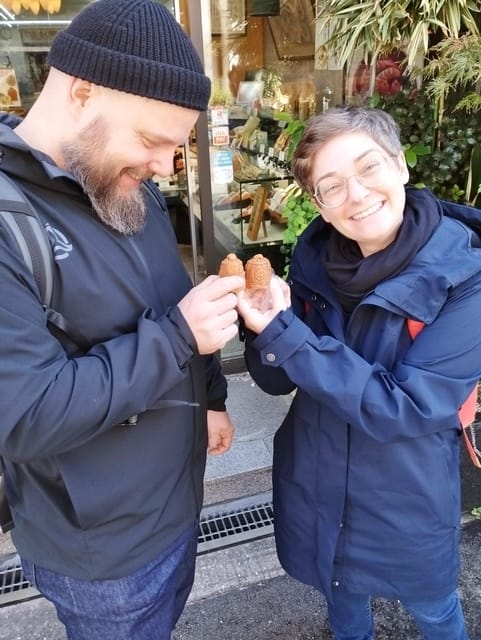
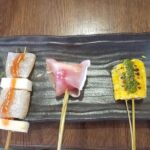
Right away, you’re dealing with multiple textures and categories of food: savory fried snacks, sweets, and classic regional specialties. You’ll try freshly made croquettes from a historic butcher shop—those are the kind of bites that show how Japanese counters can feel both traditional and efficient. You’ll also sample wagashi from a centuries-old confectionery. That part matters because it balances the day: you’re not only chasing heat and frying oil flavor.
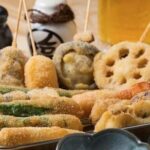
Then comes kushikatsu, Osaka’s deep-fried skewers. The key detail here is where you eat it. This is served the way locals love it—quick, social, and designed for repeated bites. You’ll also learn how the area ties into street culture, not just food culture, which makes the neighborhood feel less like a backdrop and more like a living place.
Time-wise, Shinsekai gets about an hour. That’s enough to do several stops without turning it into a blur. If you like the idea of walking while you eat, this is the best place to start. If you arrive starving, you’ll be glad the first hour is heavy on variety.
Tip for you: plan to slow down and pay attention. Fried food can all taste similar when you’re rushing. In this district, the guide’s explanations make each stop feel distinct.
Tsutenkaku Tower in 10 minutes: a fast photo stop with real street-food context
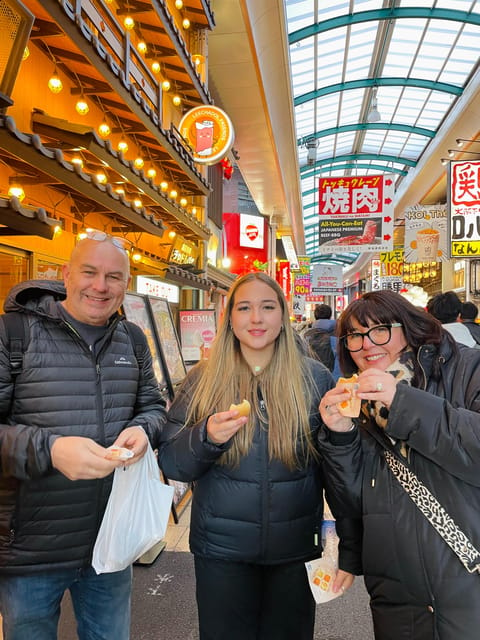
Tsutenkaku Tower is famous for a reason. It’s one of those structures that instantly signals: you’re in the older Osaka zone where the vibe is part of the appeal. This stop is short—about 10 minutes—so don’t expect a long break. Think of it as a breather and a visual anchor.
What makes it worth the time is what your guide connects to it. You’re not just taking a photo. You’re learning how Shinsekai’s identity links with street food culture, and how the area’s character shows up in the snacks you’ve already tasted.
This quick interlude also works as a pacing tool. Your stomach has had a few warm-up bites by now, and you’re about to move toward the big-name Osaka scenes—where the food options get louder and the walking continues.
If you’re the kind of person who hates “photo-only” stops, this one is still useful because it tees up what comes next. It helps you understand what you’re looking at instead of treating it like a random landmark.
Namba food halls and Dotonbori neon: what the guide helps you notice
After Shinsekai, you head toward Namba using Osaka’s efficient public transport. The subway ride is part of the plan; again, the subway fare isn’t included, so budget 190 yen for that stretch.
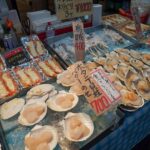
Once you reach Namba, you’ll explore a depachika, the department store food hall. This is Osaka food at a different volume. Street snacks are casual; depachika foods feel like a curated display of what’s popular right now. You’ll sample gourmet treats here, and the guide’s job is to help you choose what’s worth your stomach space.
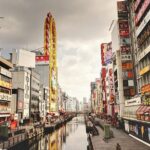
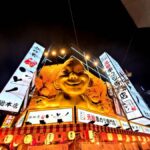
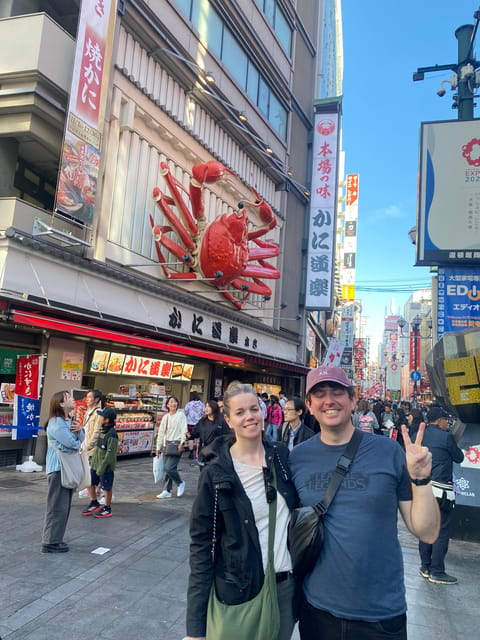
Then you move into Dotonbori area, which is where Osaka’s neon and food obsession really show up. You’ll visit Hozenji Yokocho after Dotonbori, but first you spend about an hour around Dotonbori with both tastings and landmark education.
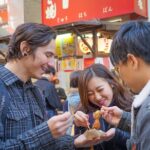
In Dotonbori, you’re looking at classic Osaka street food items and also getting chances to eat where locals show up, not just where the lines are longest. You’ll try takoyaki—often from places that have been around a long time—and you’ll also encounter other Osaka favorites like steamed buns.
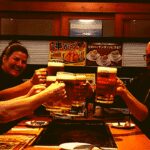
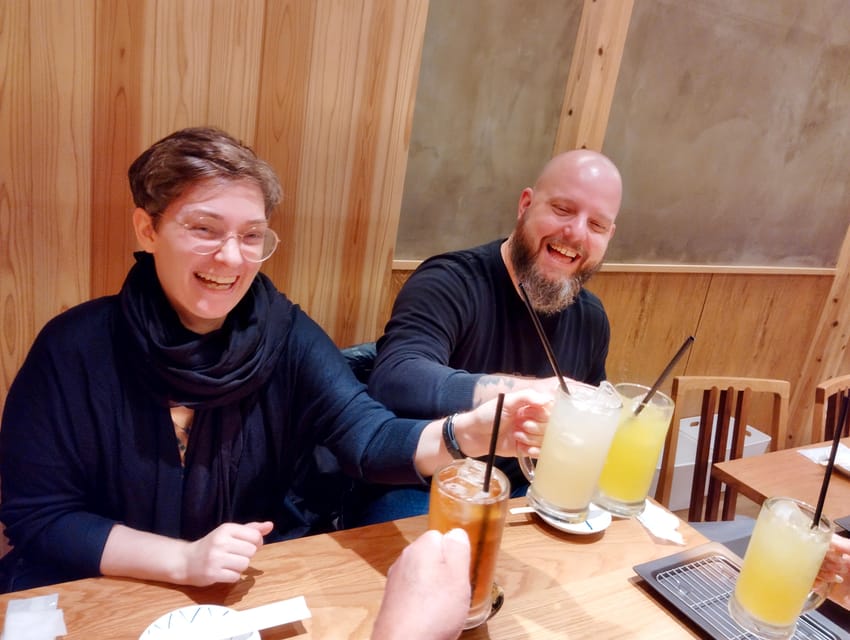
At a local restaurant, you’ll get a selection of specialties plus a drink. In one recent run, skewers were paired with Asahi beer, and that kind of detail is exactly why tours like this work: you’re getting a social, sit-down moment, not only standing-and-snacking.
If you want the best results on this stretch:
- keep your phone handy for Glico and neon shots
- but don’t over-focus on photos while you’re ordering—let the guide point you to the spots that are actually worth your money
Hozenji Yokocho lantern alley: where the tour slows down in a good way
Hozenji Yokocho is the emotional reset. After the louder energy of Dotonbori, this lantern-lit lane feels older, quieter, and more atmospheric. You spend about an hour here, which is a sweet spot: long enough to feel the change, short enough that you don’t lose the momentum you built earlier.
This alley is also where you’ll understand Osaka’s range. Street food isn’t only about speed and grease. It can also be about small-scale charm, neighborhood hangouts, and food served in a setting that feels like it existed before social media made everything look “Instagrammable.”
Even if you’re tired, this stop is designed for comfort. The guide helps you navigate what to try next and how to enjoy the flavors without rushing. And because you’re close to the end of the tour, you’ll likely feel more open to trying one more thing, even after a full day of snacks.
The practical lesson here for you: don’t treat this as an optional wander. It’s one of the most memorable parts of the day because it changes your sensory environment, and that makes the food you’ve tasted earlier feel more connected.
You can also read our reviews of more tours and experiences in Osaka

Price and value: $83 for tastings, one drink, and someone to do the hard part
At $83 per person for a 3-hour walk, this isn’t a cheap snack parade. But it also isn’t just paying for food. You’re paying for:
- 6 to 10 tastings (so you don’t have to plan each meal)
- one drink at a local restaurant
- a local guide who helps you choose the right stalls and shops
- the time-saving route through multiple Osaka food zones
That value math matters. Osaka has enough food options to overwhelm you, especially if your Japanese is limited or you don’t know which places are truly local favorites. A guided approach cuts down on decision fatigue and helps you avoid the common trap of eating “something” instead of eating something worth the calories.
Portion size is a key thing to keep in mind. Tastings mean you’ll sample, not always fill a full meal plate at each stop. That’s ideal for most people because it lets you try lots of different styles—fried skewers, octopus balls, sweets, and depachika treats—without feeling sick.
You should also plan for extra spending beyond what’s included. Additional purchases are not included, and depending on what you see in depachika and souvenir-style food shops, you may want to buy something. If you’re strict about budget, set a limit before you start walking.
Finally, remember the subway fare isn’t included. It’s a small cost, but it’s still a real cost, so plan for 190 yen for that leg.
Who should book, and who should skip
This tour fits you best if you want a guided tasting route through multiple neighborhoods, and you like the mix of food with city context. It’s also a strong option if you enjoy retro streets and landmark photo stops like Tsutenkaku and the Glico sign, but you don’t want to spend the day hopping between random eateries on your own.
It may not fit you well if:
- you have food allergies (this is explicitly not suitable)
- you’re easily overwhelmed by lots of fried and sweet items in one outing
- you need a very strict dietary plan (the tour advises that ingredients may include meat, seafood, wheat, and dairy)
One small but real tip: wear comfortable shoes. The tour is 3 hours of walking with multiple short stops, and you’ll do better if your feet aren’t thinking about quitting halfway through.
Should you book this Osaka Street Food Adventure?
I’d book it if you want a practical way to taste Osaka’s street-food classics—takoyaki and kushikatsu included—while also getting the neighborhood context that makes those flavors land. The small group size helps, and the mix of Shinsekai, Dotonbori, and Hozenji Yokocho gives you variety without turning the day into chaos.
Skip it if you need allergy-safe options or you’re looking for a slow, sit-down restaurant experience only. This is a walking food tour, and the plan is built around frequent tastings, not a single long meal.
If you do book, send a message ahead of time about dietary restrictions and allergies. Even if you think your needs are mild, it’s worth double-checking what you can safely eat before you show up hungry.
FAQ
Where do I meet for the tour?
Meet at Exit 3 of Ebisucho Station, ground level, at 11am. You’ll meet in front of a restaurant called Osho.
How long is the Osaka street food adventure?
It runs for about 3 hours.
How much does it cost?
The price is $83 per person.
What’s included in the tour price?
You get 6 to 10 curated tastings (varies by season and availability) and one drink at a local restaurant, plus an English-speaking local guide.
Is the subway fare included?
No. Subway fare is 190 yen for the Shinsekai area to Namba route.
What foods and areas will I experience?
You’ll taste Osaka street foods like takoyaki and kushikatsu, and you’ll explore Shinsekai, Tsutenkaku, Dotonbori, Hozenji Yokocho, plus food-hall stops around Namba.
What languages does the guide speak?
The guide provides live support in English, and they also speak Japanese.
Is the tour wheelchair accessible?
Yes, the tour is wheelchair accessible.
Are there any rules on the tour?
Smoking is not allowed.
Is the tour safe for food allergies?
It’s not suitable for people with food allergies. The tour also notes that meals may include ingredients like meat, seafood, wheat, and dairy, so you should contact the provider in advance if you have restrictions.