REVIEW · OSAKA
From Osaka: Sakai Knife Maker or Blacksmith Walking Tour
Book on GetYourGuide →Operated by Japan Tour Adventure · Bookable on GetYourGuide
Sakai smells like hot steel. This Sakai knife-making tour turns a normal stroll into a real look at how Japan’s kitchen tools get shaped, tempered, and honed, with a traditional sharpening lesson you can actually use at home.
What I liked most is the mix: you start in a local sweet shop, then move into Sakai’s craft world before stepping into the makers’ work zones where most people never go.
I also love the pacing and the “watch it, then try it” flow. You’ll see serious knife work up close at the knife factory (or forge, depending on the day), and then you get guided hands-on time with sharpening technique instead of just standing there taking photos.
The built-in Sakai flavor is great too, from a mochi stop to learning why these crafts matter right where you’re walking.
One thing to consider: the maker you visit depends on the weekday, and during a set window in 2026 it becomes blacksmith-only, so you’ll want to pick the right day for what you’re craving.
In This Review
- Key highlights in plain terms
- Getting to Sakai: what 3.5 hours feels like from Osaka
- First stop: mochi and sweets that set the tone
- Sakai City Craft Museum: why this city makes knives
- Backstage access in Sakai: what changes by weekday
- Tuesdays and Thursdays: the knife maker (Yamawaki Hamono)
- Wednesdays: the blacksmith forge (De Sakai / Eric Chevallier)
- Spring 2026 note: blacksmith-only dates
- The crafts feel different up close
- The sharpening lesson: the skill you’ll use again
- Ordering a custom knife: exciting, but think it through
- Shopping time that doesn’t feel random
- Guides, language, and how to get what you want
- Price and value: $64 for 210 minutes makes sense here
- Who should book this Sakai knife tour?
- Should you book it?
- FAQ
- Where do I meet the tour?
- How long is the tour?
- Is the sweet included?
- Which days do I visit the knife maker versus the blacksmith?
- What happens if the museum is closed on the 3rd Tuesday?
- Can I order a custom knife?
- Do guides speak only English?
- Do I need to bring any documents?
- Is the tour wheelchair accessible?
- Is it a small group tour?
- Is there free cancellation?
Key highlights in plain terms
- Choose your weekday: Tuesdays/Thursdays focus on the knife maker; Wednesdays shift to the blacksmith.
- Start with Sakai sweets: an old-school sweet shop stop with one snack included.
- Craft Museum access: you’ll learn Sakai’s knife background before going backstage.
- Backstage workshop time: private access to the maker’s site, plus shopping time.
- Hands-on sharpening: learn the traditional Japanese technique with a guide.
- Optional custom knife order: you can place an order you watch being made.
Getting to Sakai: what 3.5 hours feels like from Osaka
This is a very doable Osaka-area day activity because the meeting point is south of Osaka at Nankai Sakai Station. You meet your guide there and then the tour settles into an easy walk rhythm—short stretches between stops, with enough time at each place to actually learn something and ask questions.
The total time is about 210 minutes. That’s long enough to feel like you had a “real experience,” not just a quick peek, but short enough that you won’t dread the walking. If you’re coming from Osaka, plan to leave with a calm pace. You’re going to a working craft district, not an air-conditioned museum loop.
Also: bring a passport or ID card. That small step matters because factory access is the whole point of the day.
You can also read our reviews of more walking tours in Osaka


First stop: mochi and sweets that set the tone
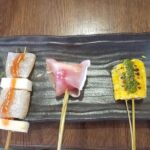
Your tour begins with an old-fashioned sweet shop vibe. You’ll get a photo stop, then a visit and one sweet snack is included. One commonly mentioned stop is 八百源来弘堂本店, where you can taste signature mochi flavors like poppyseed mochi and cinnamon mochi.
This isn’t random tourism bait. Sakai’s identity is tied to hands-on craft—food, tools, and materials. Starting with local sweets helps you feel the local pace before you hit the serious knife rooms.
Practical tip: since extra food and drinks aren’t included, treat the included sweet as your “setup snack,” not a full meal. If you’re prone to hunger swings, consider eating a lighter breakfast back in Osaka.
Sakai City Craft Museum: why this city makes knives
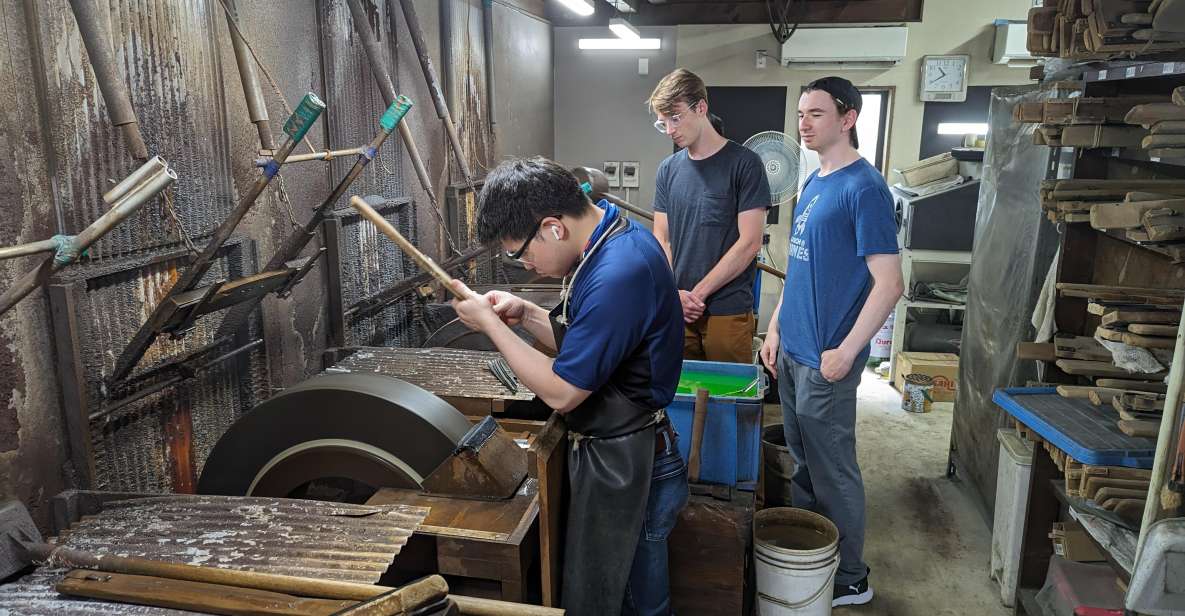
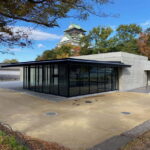
Next comes the Sakai Traditional Crafts Museum and Knife Shop area, with about 30 minutes available that feels part guided context, part self-guided wandering. This is where the tour makes sense of the later backstage access. You’re not just seeing knives—you’re learning why Sakai is known for them and how the craft culture fits into the broader story of the city.
Two details make this stop extra useful:
- It gives you vocabulary for what you’ll see later (materials, process, and what matters in a finished blade).
- It slows you down. After the sweet shop, you get grounded in the “why” before the “how.”
There’s also a timing wrinkle to know. Every 3rd Tuesday, the museum has an inventory check and it might close without notice. In that case, your guide still keeps your day moving by going directly to the knife company and bringing the history along on the walk and at the office.
Backstage access in Sakai: what changes by weekday
Here’s the big decision point: the main workshop stop depends on the day.
Tuesdays and Thursdays: the knife maker (Yamawaki Hamono)
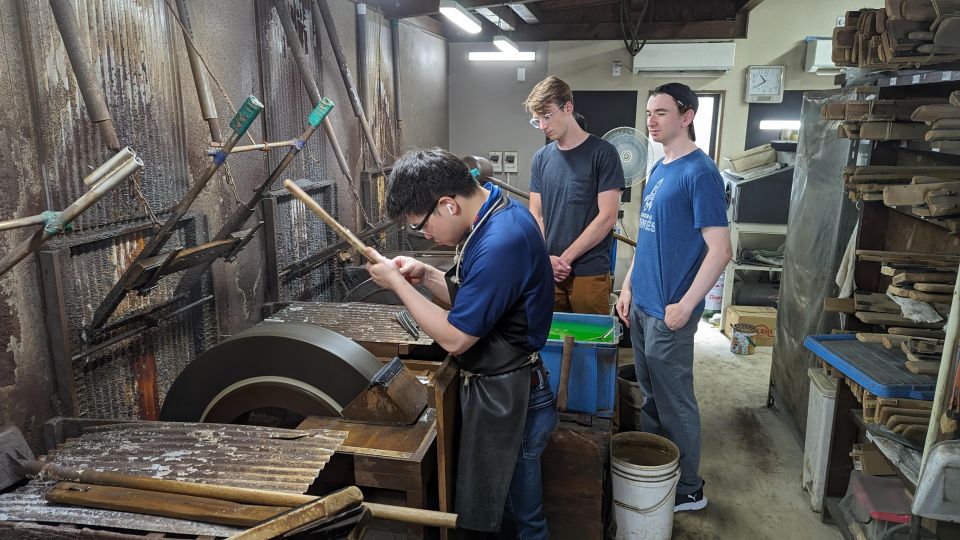
On Tuesdays and Thursdays, you’ll visit 山脇刃物製作所 (Yamawaki). This is the “knife maker” version of the tour and it’s built around the craft pipeline: raw blades arrive directly from the blacksmith, and then the maker’s shop turns them into proper cooking knives.
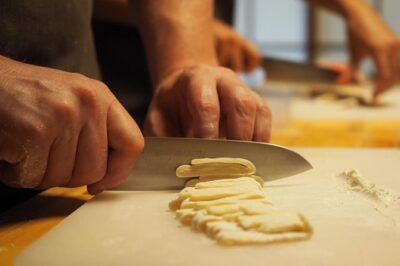
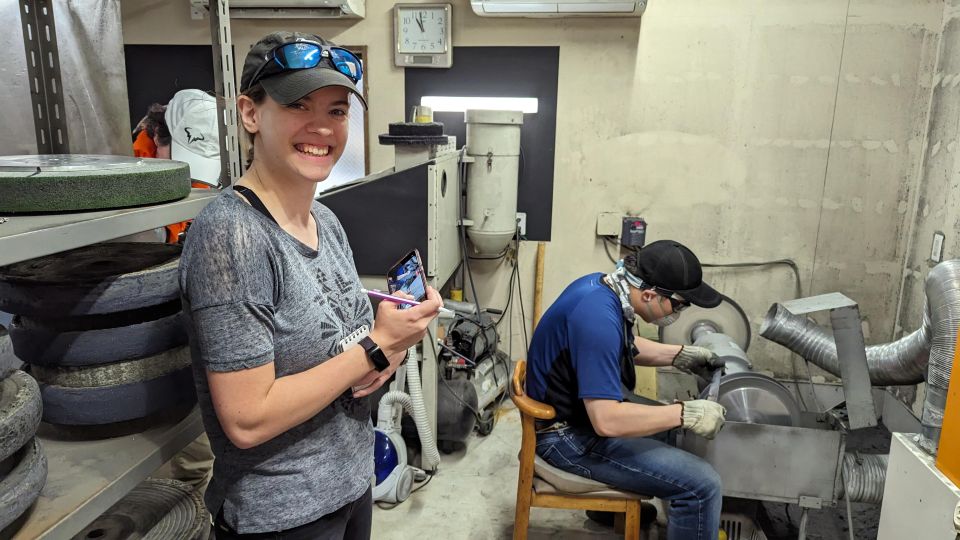
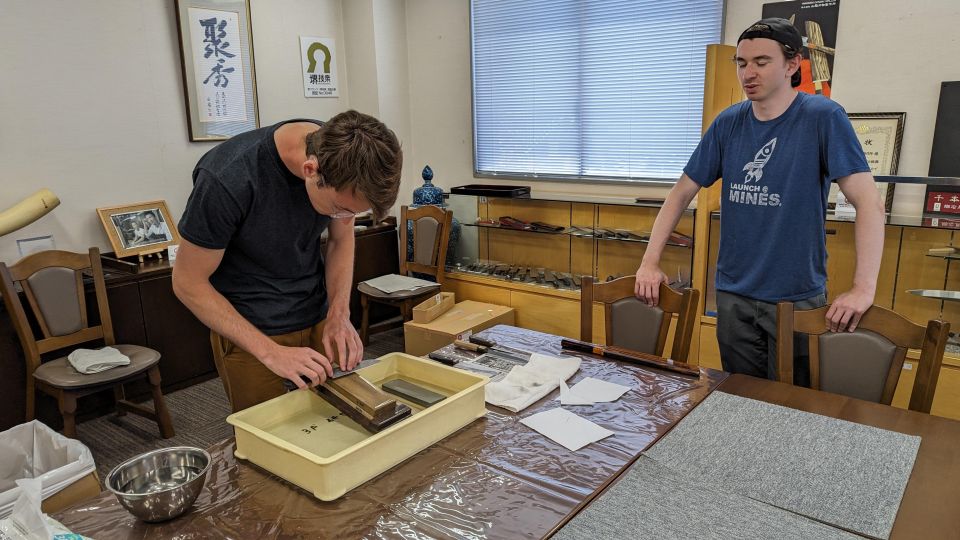
You’ll get access to a sharpening station and the main office area, and you’ll be able to observe how blades become handmade tools. Then the tour supports the highlight: you learn and practice traditional sharpening techniques with a trained guide.
A very appealing perk here is the custom option. You can order your own customizable knife and, depending on the flow of the day, you’ll watch and understand how the process unfolds in front of you.



Wednesdays: the blacksmith forge (De Sakai / Eric Chevallier)
On Wednesdays, the tour becomes blacksmith-focused. You’ll go to Forge DeSakai cutlery, with workshop time and guided explanation from the artisan. One of the most frequently highlighted workshop experiences involves blacksmith Eric Chevallier, who talks through the forging process directly.
If you’re the type of person who likes the origin story of the blade—how steel is shaped before it becomes a refined kitchen tool—this is the day to aim for. The workshop component can feel more hands-on and dramatic: you’re watching the start of the transformation, not just the finishing.
Spring 2026 note: blacksmith-only dates
From March 6 to April 6, 2026, the tour runs as blacksmith only. The good news is that Tuesdays and Wednesdays still operate, but the maker choice follows the blacksmith-only rule in that period. If you’re booking around then, double-check your day selection against what you want most: forging origins or the knife-making flow.
The crafts feel different up close
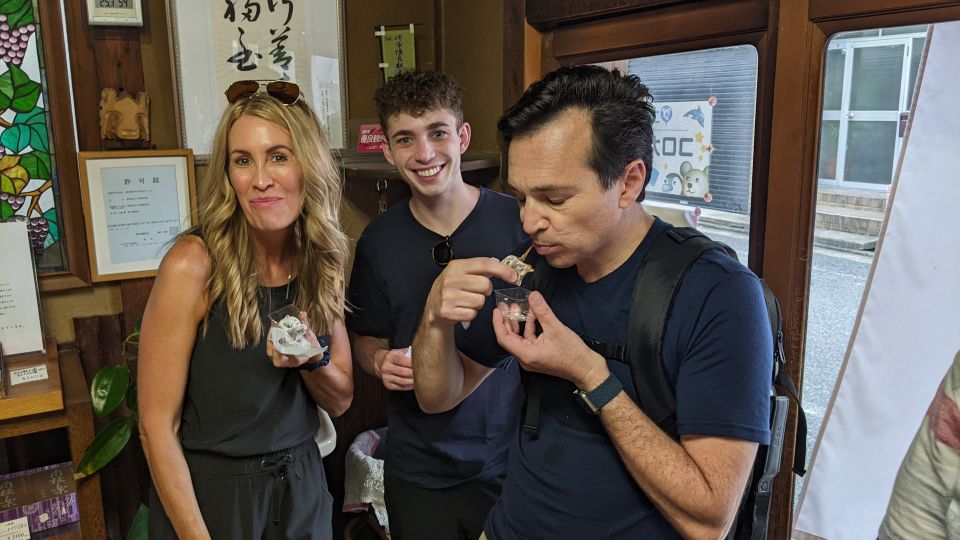
No two workshop days feel the same, and that’s exactly why I like this tour. The knife maker days tend to highlight workflow—how blades get turned into cooking knives with craftsmanship decisions along the way. The blacksmith day leans toward origin—steel becomes shape first, then evolves.
Either way, you’re getting something most people never get:
private access to a working craft space, plus a real guide translating what’s happening in real time.
This is also where the tour earns its price. The $64 cost isn’t paying for a bus, a big museum, or souvenir stops. It’s paying for entry into spaces where tools are being made and where a guide can explain what you’re seeing.
The sharpening lesson: the skill you’ll use again
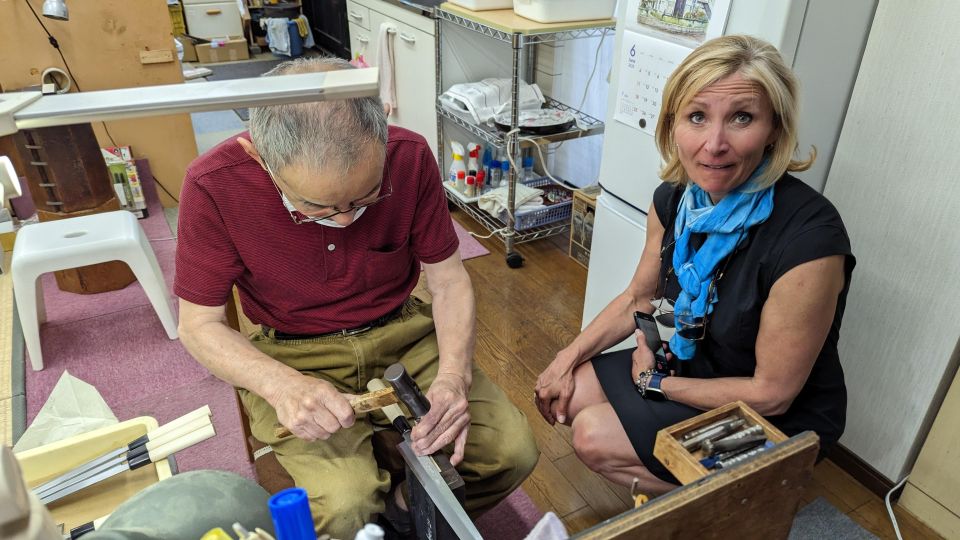
The sharpening segment is one of the standout reasons to book, because you’re not just learning theory. You’ll get a knife sharpening technic lesson using the traditional Japanese technique.
What you’re really buying here is confidence. Japanese knives can be an amazing upgrade for home cooking, but they’re also a different mindset than generic Western mass-market knives. When you learn the technique from someone guiding your hands and your questions, you’re less likely to ruin an edge by accident.
A helpful way to think about it:
- The workshop shows you how blades are built.
- The sharpening lesson shows you how to care for what you’re seeing.
Even if you don’t plan to buy a knife that day, the sharpening time can still be a practical education you can carry forward.
Ordering a custom knife: exciting, but think it through
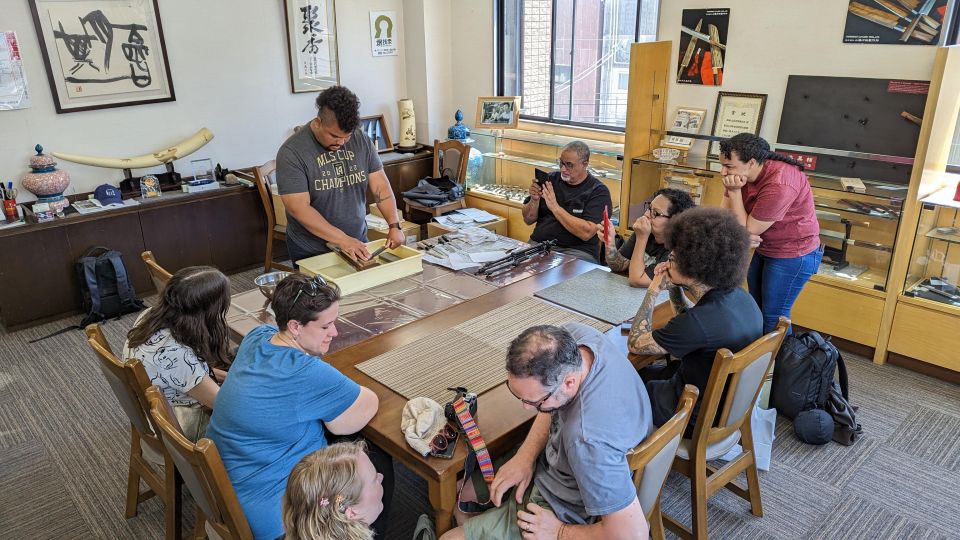
The tour offers an optional customizable knife order. That’s a big deal if you want something tailored to your preferences and your kitchen habits. The key is to approach it with a clear plan so you don’t get swept up in the moment.
Before you order, ask your guide what’s appropriate for your cooking style. For example:
- Are you mainly slicing vegetables, breaking down meat, or doing everyday prep?
- Do you want a general chef-style knife feel or something more specific?
Also remember: shopping and souvenirs aren’t included, so your custom order would be additional spending. The tour gives you the privilege to order and understand the process, but you’re still making a purchase decision like you would anywhere else.
If you’re unsure, you can still enjoy the tour fully without ordering. Many people book this for the backstage access and the sharpening lesson alone.
Shopping time that doesn’t feel random
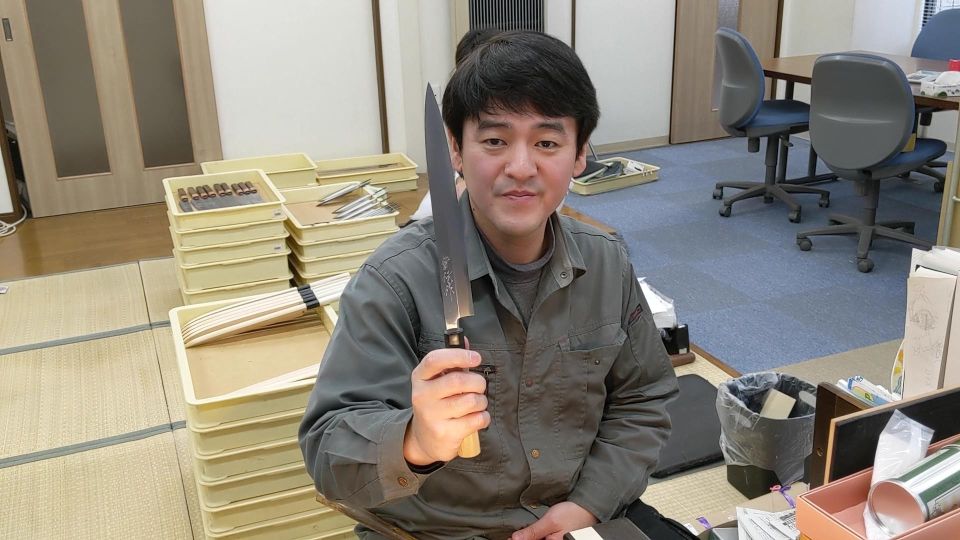
You’ll have built-in shopping time at the craft stops. That matters because you’re not shopping blind. You’re learning what makes a blade good, then seeing the products in a context where it actually makes sense.
One practical strategy: walk through, ask questions, and only commit at the end. The tour structure helps because you’ll likely learn enough during the museum and workshops to spot better details during shop time.
Guides, language, and how to get what you want
Guides can speak English and French, but here’s the reality: for shared tours, French language coverage isn’t guaranteed. You can confirm French availability in advance by contacting the provider.
On the ground, guides have been highlighted for being engaging and helpful—names that came up include Rémy and Scott, plus Jean-Yves. The common theme is clear: your guide’s job isn’t only translation. They connect Sakai’s craft history to what you’re seeing in real time, and they keep the group moving without turning it into a lecture.
If French is important, don’t gamble on a shared schedule. Reach out early and lock it in.
Price and value: $64 for 210 minutes makes sense here
At $64 per person for about 3.5 hours, this tour can feel like a good value if you care about craftsmanship. Here’s where the math works in your favor:
You’re getting:
- A bilingual local guide
- A sweet snack included
- Museum access
- Workshop/factory access
- A knife sharpening lesson
- Optional custom knife order (not included in the base price, but offered)
You’re not just paying for a guide to walk you past storefronts. You’re paying for entry into working spaces and for instruction. That combination is what tends to justify the price.
Also, the small-group feel helps. The tour notes private or small groups available, which usually means fewer people getting in the way of hands-on learning.
Who should book this Sakai knife tour?
I’d point you toward this tour if:
- You’re curious about Japanese knives beyond shopping.
- You want real hands-on sharpening guidance.
- You like craft districts that feel less like big-name tourist grids.
- You’re visiting Osaka and want a focused “day from the city center” experience.
I’d skip it (or choose carefully) if:
- You’re not interested in knives or tools and mainly want famous sights.
- You’re expecting a museum-heavy experience with minimal walking.
- You only want one specific workshop style (blacksmith vs knife maker). Day choice matters.
Should you book it?
Yes—if your interest is genuine. This tour works best when you show up ready to learn the process and ask questions, not just take photos. The sharpness lesson and the chance for backstage workshop access are the big wins, and Sakai’s sweet-to-knives flow makes the whole day feel like one coherent local story.
If your priority is forging origins, book for Wednesdays. If your priority is the knife-making flow and ordering a customizable knife with the maker’s workflow, go for Tuesdays/Thursdays. Either way, you’ll leave with a better grasp of what makes a Japanese blade special—and how to care for it.
FAQ
Where do I meet the tour?
You meet at Nankai Sakai Station south of Osaka. The exact meeting point can vary depending on the option booked.
How long is the tour?
The tour runs for about 210 minutes.
Is the sweet included?
Yes. You’ll receive 1 sweet at the sweet shop at the start.
Which days do I visit the knife maker versus the blacksmith?
Tuesdays and Thursdays: knife maker (Yamawaki).
Wednesdays: blacksmith (Forge DeSakai).
What happens if the museum is closed on the 3rd Tuesday?
The museum might close due to inventory. If that happens, your guide will take you directly to the knife company and include the history as you walk and at the office.
Can I order a custom knife?
Yes. Customizable knife order is an optional add-on. The tour includes access time and guidance around the ordering opportunity.
Do guides speak only English?
No. All guides can speak English, and some can also speak French. French availability on shared tours can’t be guaranteed, so you should contact the provider before booking if you need French.
Do I need to bring any documents?
Yes. Bring a passport or ID card.
Is the tour wheelchair accessible?
Yes, the tour is listed as wheelchair accessible.
Is it a small group tour?
It can be private or small groups, depending on the option you book.
Is there free cancellation?
The tour offers free cancellation up to 24 hours in advance for a full refund.