REVIEW · OSAKA
Osaka: Full-Day Private Guided Tour of the Historical City
Book on GetYourGuide →Operated by Nara Guide · Bookable on GetYourGuide
Osaka history hits different when you walk it. This full-day private tour strings together religion, politics, and everyday Osaka into one clean route. You’ll move by public transport, not just car rides, so the city feels like the city.
What I like most is the focus on Sumiyoshi-taisha Shrine and Osaka Castle. You get guided time at two anchors that explain how beliefs and power shaped Osaka over centuries.
One thing to plan for is the pace. It’s a full 8 hours with lots of walking between major stops, and you’ll also have extra costs for transport, lunch, and the Shitennoji entrance fee.
In This Review
- Quick hits before you go
- A private full-day route through Osaka’s real timeline
- Sumiyoshi-taisha: Shinto roots and old-school architecture
- Shitennoji Temple: Buddhism’s arrival, explained on foot
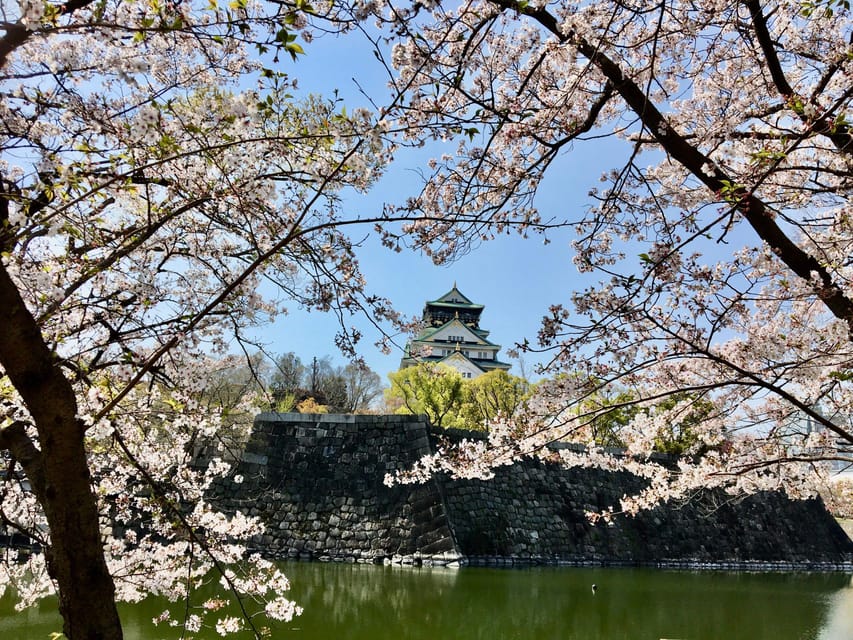
- Osaka Castle: power, samurai-era context, and big views
- Shinsekai and Tsutenkaku: a nostalgic 1970s mood
- Ending at Ebisucho Station: where the day clicks into transit
- Price and logistics: what $225 buys, and what to budget on top
- Your guide matters: questions, language support, and real help
- Who should book this Osaka history private tour
- Should you book this tour?
- FAQ
- FAQ
- How long is the Osaka private guided tour?
- Is this tour private or group-based?
- What languages are available for the guide?
- Where does the tour start and where does it end?
- Which major stops are included during the day?
- What costs are not included in the price?
- Do I need to plan for walking?
- Is the tour wheelchair accessible?
- What’s the cancellation and payment flexibility?
Quick hits before you go
- A full-day private guide that keeps the story straight from start to finish
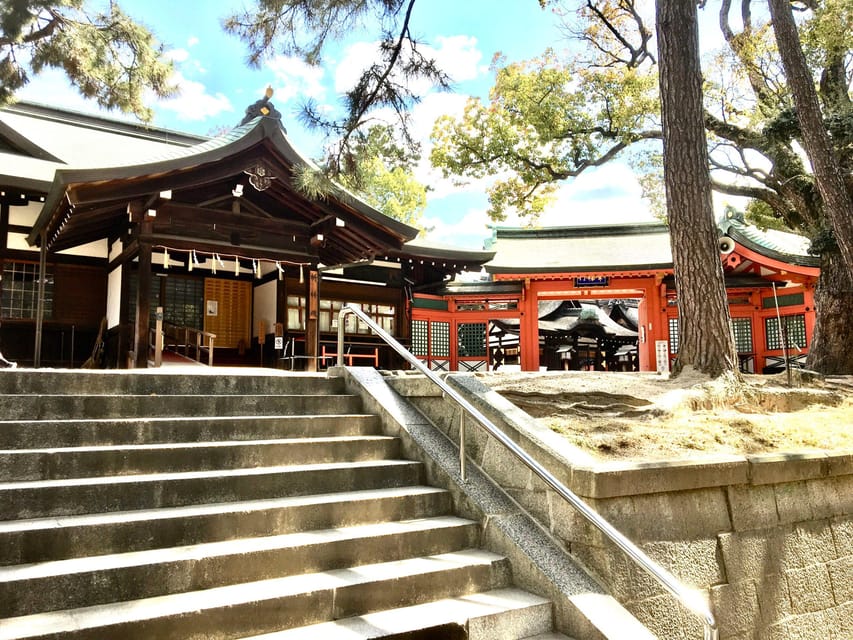
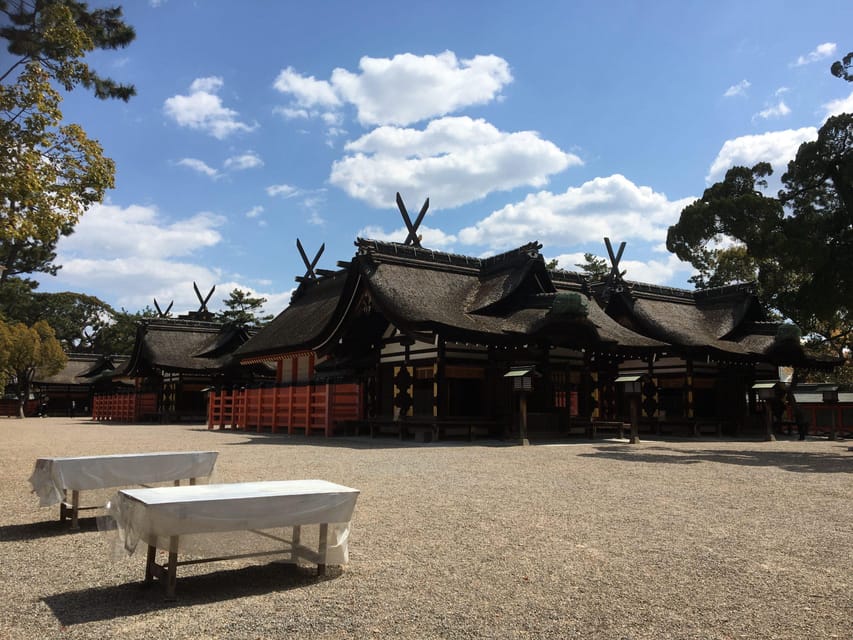
- Sumiyoshi-taisha Shinto Shrine, with 1,800 years of history and traditional architecture
- Shitennoji Temple (since 593), a key stop for understanding Buddhism’s arrival
- Osaka Castle from the late 16th century, tied to the samurai era
- Shinsekai and Tsutenkaku, a nostalgic 1970s-style Osaka mood
- Wheelchair accessible, plus guide support for questions along the way
A private full-day route through Osaka’s real timeline
This is not a scattershot “see a few famous places” day. The route is built like a timeline: spiritual origins, religious change, political muscle, then the neighborhood Osaka people actually stroll through.
You’ll start in central Osaka with pickup in the city and then head out by public transport. That matters because you’re not just viewing. You’re experiencing how people move and how the city changes block by block.
The tour also stays practical. Each major stop has guided time plus walking time, so you don’t feel rushed but you do stay on a schedule.
You can also read our reviews of more guided tours in Osaka


Sumiyoshi-taisha: Shinto roots and old-school architecture
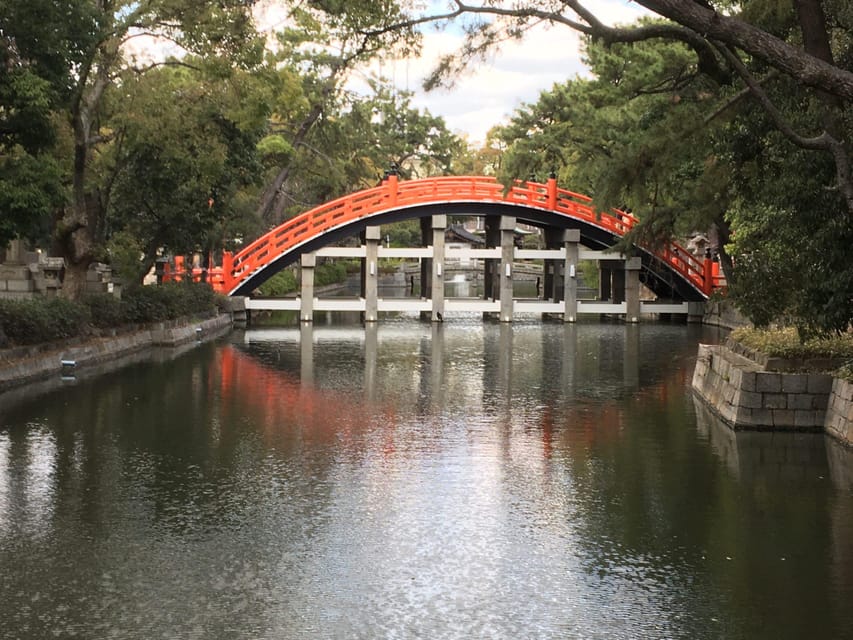
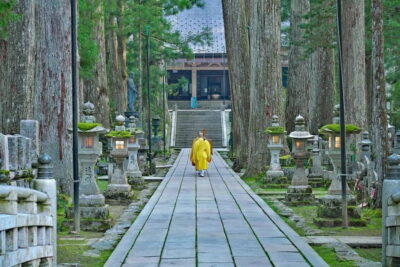
Your first real anchor is Sumiyoshi-taisha, a Shinto shrine with around 1,800 years of history. You’ll spend about 2 hours here with a guided visit and time to walk around.
What I like about starting at Sumiyoshi-taisha is that it sets the tone for Osaka beyond food and neon. Shinto shrines carry a different kind of meaning than tourist sites, and the guided context helps you notice details instead of just taking photos.
Expect to see traditional Japanese shrine architecture up close. This is the kind of place where the design does the storytelling, especially when your guide connects it to the shrine’s long timeline.
Practical note: this is one of the calmer stops. If you’re the type who likes to start the day grounded, this is a good way to land your first impressions of Osaka.
Shitennoji Temple: Buddhism’s arrival, explained on foot
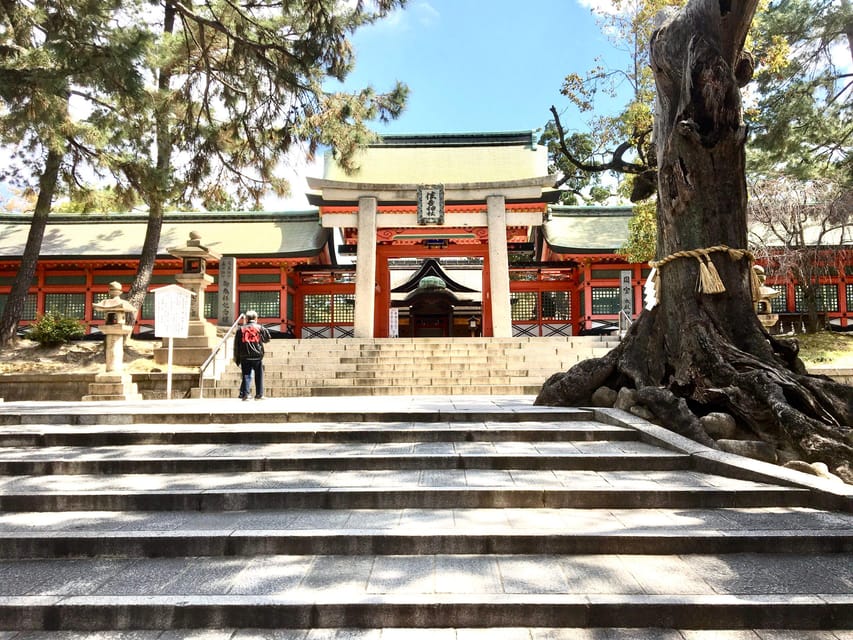
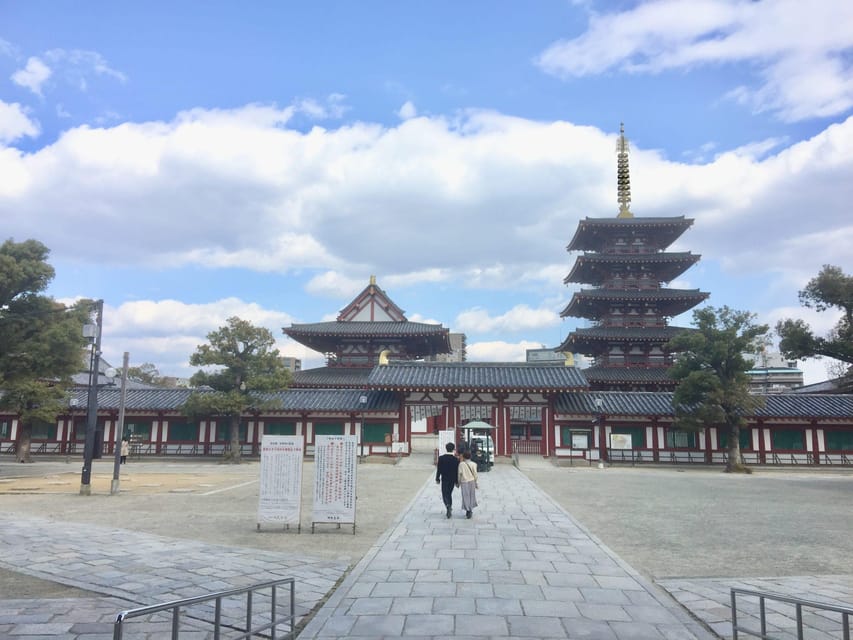
Next up is Shitennoji Temple, dating from 593. You’ll get another guided visit and about 2 hours to walk through the grounds and understand why this site matters.
This stop is a history lover’s shortcut. Instead of learning Buddhism in theory, you’re standing at a site tied to one of the symbols of its arrival in Japan. That makes the whole day feel connected, not like random “culture stops.”
A temple like Shitennoji also helps explain Japan’s layered identity. Osaka isn’t just modern life. It’s also long-standing religious tradition that kept shaping how communities organized themselves over time.
If you’re sensitive to crowds at famous sites, you’ll still be in a guided flow, which generally helps you move at the right pace. Wear comfortable shoes here. Even at a “religious” pace, you’ll still be walking.
Osaka Castle: power, samurai-era context, and big views
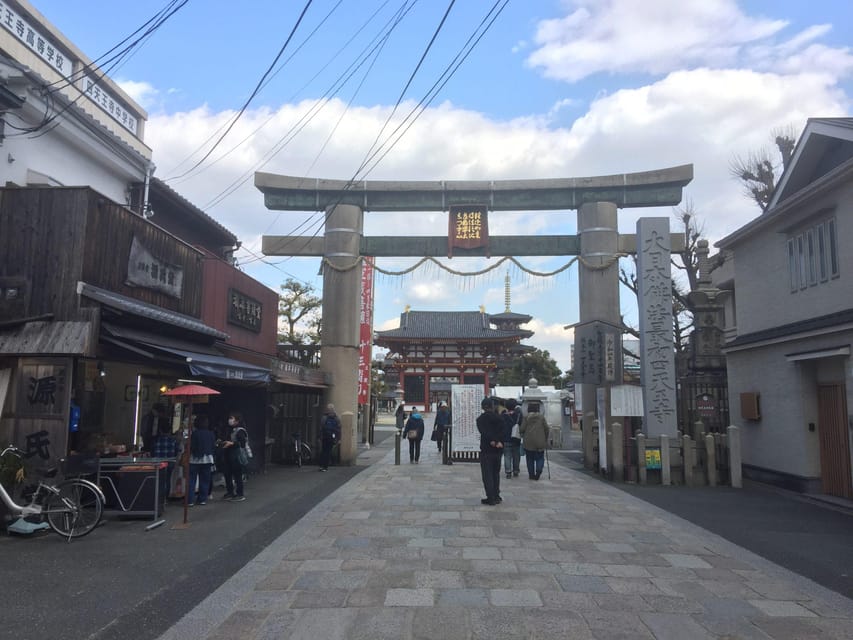
Then the tour goes to Osaka Castle, with about 2 hours allocated for guided time and walking. The castle dates to the late 16th century, so it’s directly connected to the samurai era.
I like how this stop turns the day from spiritual roots into politics and power. Temples explain belief. A castle explains control, defense, and authority. When your guide ties the castle’s timing to the samurai period, you start seeing why Osaka mattered.
You’ll also get the chance to stand in a place that gives Osaka a wide-angle context. Even if you’re not a deep castle person, it helps to see the scale and how the site anchors the city.
One budget note: the Shitennoji entrance fee is separate, and Osaka Castle costs aren’t listed in your provided info either way. For safety, set aside time and money for any additional tickets or onsite fees you might encounter.
Shinsekai and Tsutenkaku: a nostalgic 1970s mood
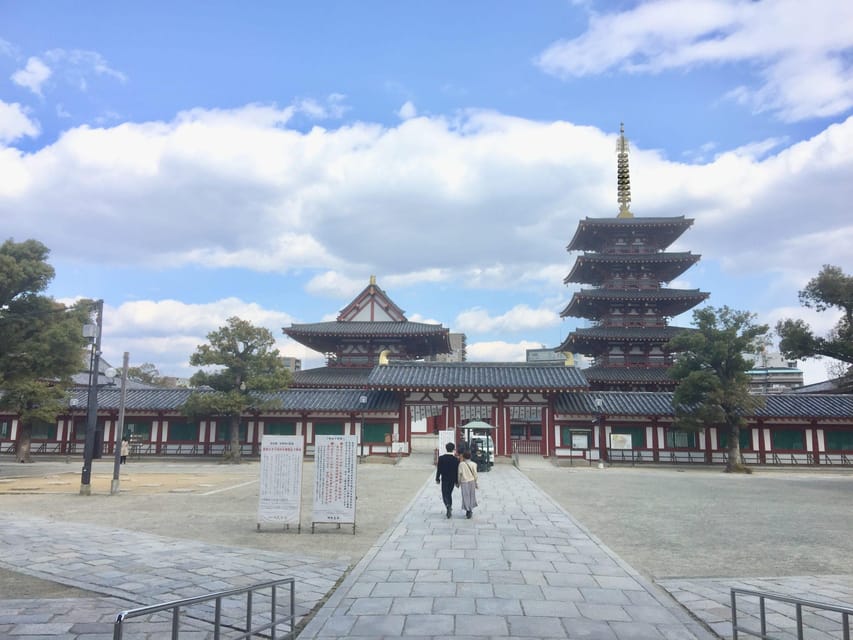
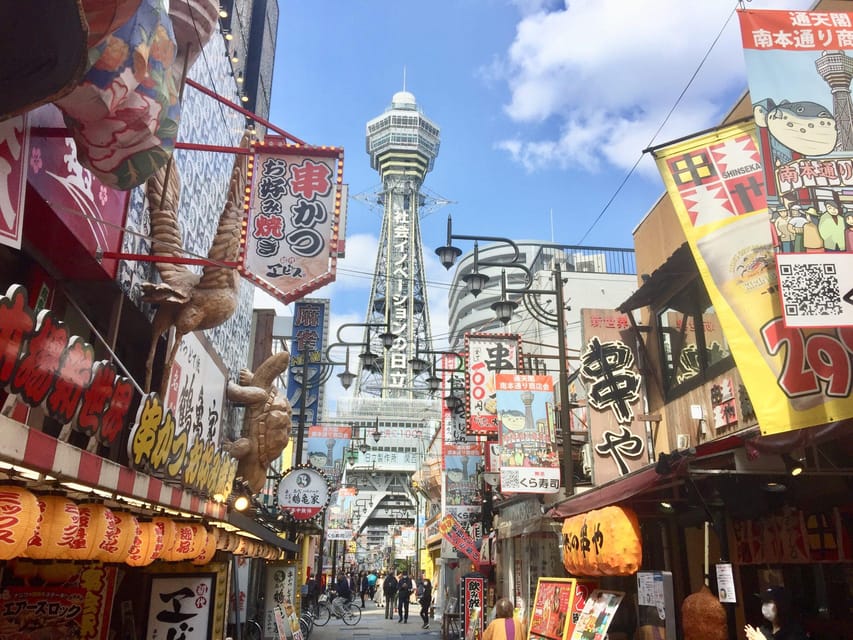
After the heavy history stops, Shinsekai gives you a different kind of understanding. You’ll spend about 2 hours here with guided time and walking through the area.
This neighborhood is known for its retro atmosphere and its famous Tsutenkaku tower. The tour frames it as a trip back to the 1970s-style Osaka vibe, which is a refreshing shift after shrines and castles.
What you learn from Shinsekai isn’t just visual. It’s social history, in a way. Neighborhood identity is a kind of culture too. You’ll get a sense of how Osaka styles itself and remembers itself, right down to the architecture and street character.
If you like a mix of photo-friendly sights plus a real neighborhood feel, Shinsekai is one of the best placements on the day. It’s also an easier landing point to end your walk and reset for the next part of your day.
You can also read our reviews of more city tours in Osaka



Ending at Ebisucho Station: where the day clicks into transit
The tour finishes at Ebisucho Station. That’s useful because it sets you up to continue exploring without needing to reverse your route to get back to where you started.
This matters especially for an 8-hour day. When the end point lines up with a station, you waste less time figuring out your next move and more time enjoying what you still have energy for.
Also, the tour includes public transport in the plan, but you pay the transport fee separately (about 2,000 JPY per person). So building your plans around the finish station is a smart, low-stress move.
Price and logistics: what $225 buys, and what to budget on top
The price is $225 per person for an 8-hour private group guided tour. That includes the guide and the guide fee, but not transport, lunch, or the Shitennoji entrance fee.
Here’s the practical budget picture you should plan for:
- Transport fee: around 2,000 JPY per person
- Shitennoji Temple entrance fee: around 200 JPY per person
- Lunch fee: around 2,000 JPY per person
So your all-in day is not just the $225. It’s $225 plus a few extra line items, but they’re straightforward. You’ll likely appreciate this structure because you’re paying for dedicated guiding time and a route that stays coherent, while keeping meal and transit choices flexible.
Also, you’re not doing this with strangers. Private group means your guide can pace you, answer questions, and adjust the day to your interests, instead of racing through points for a big group.
And yes, comfort matters here. One recent guide experience highlighted how important good shoes are because you’ll walk a lot. That’s exactly right for this route.
Your guide matters: questions, language support, and real help
This is a French, English, or Japanese guided tour. You’ll have a live guide throughout, and the guide’s job is more than pointing.
In particular, one guide named Mouloud was noted for taking the time to answer questions and help with practical extras like ticket purchases and train traffic. That kind of support can save stress, especially if you’re using public transport and you want to keep your plan moving smoothly.
If you’re the type who likes to ask why something matters, a good guide is the difference between seeing a site and actually understanding it. This tour is set up for that, with guided time at each stop plus walking time for context.
Who should book this Osaka history private tour
I’d point you to this tour if you want a day that balances old religion and big power with a neighborhood vibe afterward.
It’s especially good for:
- History lovers who want the Osaka storyline from shrines to samurai-era politics to modern identity
- People who prefer private guiding over crowded group tours
- Travelers who like practical help on transit and tickets
- Anyone who needs wheelchair accessibility on a guided day
If you hate walking days or you want a super relaxed schedule, this might feel like a long push. It’s still a well-paced day, but it’s not built for slow sightseeing.
Should you book this tour?
If your goal is to understand Osaka in one focused day, I think this is a strong choice. You’re not just checking landmarks. You’re moving through the city’s ideas—belief, power, and neighborhood character—while a guide keeps the connections clear.
Book it if you value guided context, a private group pace, and a route that covers the classics without turning your day into a chaotic scramble. Pass if you’re very budget-sensitive once you add transit and lunch, or if you want minimal walking.
FAQ
FAQ
How long is the Osaka private guided tour?
The duration is 8 hours.
Is this tour private or group-based?
It’s a private group tour.
What languages are available for the guide?
The guide is available in French, English, and Japanese.
Where does the tour start and where does it end?
It starts with pickup in Osaka and finishes at Ebisucho Station.
Which major stops are included during the day?
You’ll visit Sumiyoshi-taisha, Shitennoji Temple, Osaka Castle, and Shinsekai (with Tsutenkaku).
What costs are not included in the price?
Transport fee (around 2,000 JPY/person), Shitennoji Temple fee (around 200 JPY/person), and lunch fee (around 2,000 JPY/person) are not included.
Do I need to plan for walking?
Yes. The day includes guided visits and walking at each stop (about 2 hours at Sumiyoshi-taisha, Shitennoji, Osaka Castle, and Shinsekai), so comfortable shoes are important.
Is the tour wheelchair accessible?
Yes, it is wheelchair accessible.
What’s the cancellation and payment flexibility?
It offers free cancellation up to 24 hours in advance for a full refund, and you can reserve now and pay later.