REVIEW · OSAKA
From Osaka: Hiroshima and Miyajima Day Trip by Bullet Train
Book on GetYourGuide →Operated by AMIGO TOURS JAPAN GK · Bookable on GetYourGuide
Hiroshima and Miyajima in one day? That mix is the whole point. You get a smooth Shinkansen run plus guided stops that tie history to place, from the Atomic Bomb Dome area to the floating torii vibe at Itsukushima Shrine. I like that the tour balances heavy material with beautiful scenery, and that the guide keeps the story clear in English and Spanish—a big deal when you’re moving on a tight schedule.
My favorite part is the two-phase rhythm: first the calm, photo-friendly Miyajima island time, then the serious stop at Hiroshima Peace Memorial Park. The one drawback to plan around is the length. This is an 8-hour day with several rides and a moderate amount of walking, so it helps to start early energy-wise and wear shoes you can trust.
In This Review
- Key Things I’d Prioritize on This Trip
- A One-Day Jump From Osaka to Hiroshima and Miyajima
- Shinkansen Comfort: The Fast Start That Sets the Mood
- Miyajima Island: Itsukushima Shrine, Floating Torii Views, and Deer Encounters
- Itsukushima Shrine (UNESCO stop with included admission)
- Free time on Miyajima (about 100 minutes)
- Food you can aim for: oysters and momiji manju
- Hiroshima Peace Memorial Park: The Atomic Bomb Dome and Museum Moment
- How to handle the emotional weight (practical respect)
- A Schedule That Actually Works: Timing, Transfers, and Pacing
- Moderate walking: the only “fitness” requirement
- Guides Matter: What I’d Look for in the Day’s Spanish/English Storytelling
- Price and Value: What You’re Paying For at $104
- Who Should Book This (And Who Might Find It Tough)
- Should You Book This Osaka to Hiroshima and Miyajima Day Trip?
- FAQ
- Is lunch included on this tour?
- How long is the day trip?
- What stops are included?
- Is the torii gate at Itsukushima Shrine guaranteed to be visible?
- What languages are the guides?
- Is this tour wheelchair accessible?
- Is smoking allowed?
Key Things I’d Prioritize on This Trip
- Shinkansen + guided city flow: fast trains and organized connections, so you’re not wrestling transit while carrying heavy emotions
- Atomic Bomb Dome and Peace Memorial Museum time: you’ll see the key sites tied to 1945, with context from your guide
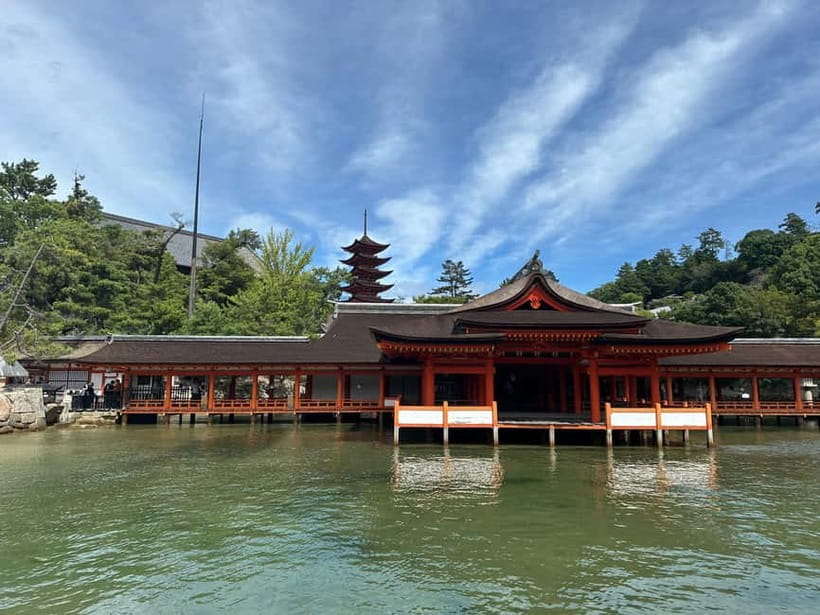
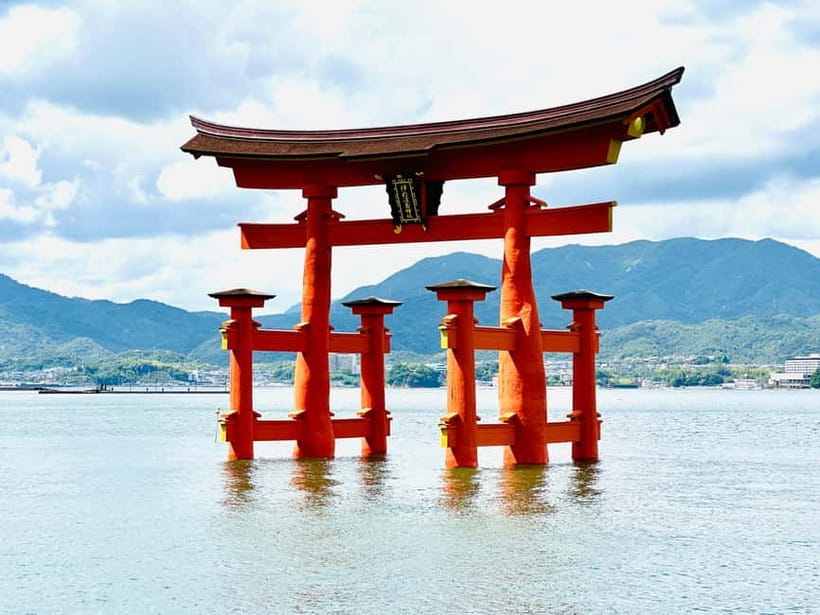
- Itsukushima Shrine and the iconic torii gate look: the scenery is the reward, and the shrine visit is included
- Ferry ride and Miyajima free time: you’re not stuck on rails the whole day; you get room to wander
- Wild deer + momiji manju: the island “characters” and snacks are part of the experience, not an afterthought
- Guide variety you’ll notice: names like Ángeles, Álex, Astrid, and César show up in the experience, and they make a difference in how connected the day feels
A One-Day Jump From Osaka to Hiroshima and Miyajima
This day trip works because it doesn’t ask you to choose between two completely different Japan moods. You’ll start with modern speed and city convenience, then shift into coastal quiet on Miyajima, then finish in Hiroshima’s memorial spaces.
The pacing is built for seeing the big hits without pretending you can do everything. You get guided time where it matters (especially Hiroshima), and freer time where it matters (mostly Miyajima). That’s the right trade for an 8-hour format.
One practical note: the guide meets the group at a meeting point that varies by starting option. If you’re choosing between Shin-Osaka and Hiroshima station as the start, confirm your exact pickup so you’re not sprinting at the wrong platform.
You can also read our reviews of more tours and experiences in Osaka
Shinkansen Comfort: The Fast Start That Sets the Mood
If you book the version starting in Osaka, you’ll ride round-trip Shinkansen from Osaka. The rail time is about 105 minutes each way, which means most of your “big travel stress” disappears.
This matters more than it sounds. When you’ve got a serious destination like Hiroshima on the schedule, arriving without fatigue helps you absorb what you’re seeing. You’re also less likely to feel rushed before you even get started.
From there, the trip switches from train mode to local transport mode, including a bus/coach ride and then ferry crossings. The plan is simple: move as a group, hit sights in an order that reduces backtracking, and use your time instead of spending it in transit.
Miyajima Island: Itsukushima Shrine, Floating Torii Views, and Deer Encounters
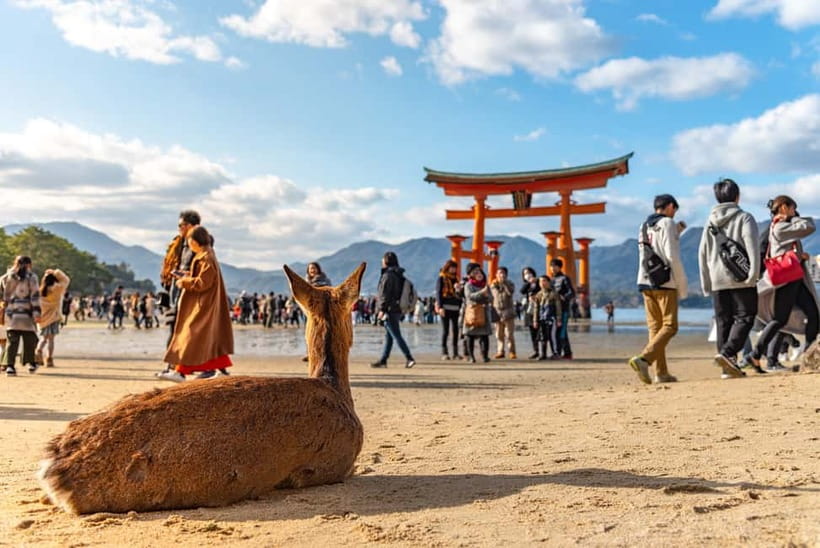
Miyajima is where the day turns poetic. You head from Hiroshima area toward the coast, then take a ferry ride to the island. The ferry piece is short (around 30 minutes going over, then a shorter return), but it gives you that little separation—city noise down, island air up.
Itsukushima Shrine (UNESCO stop with included admission)
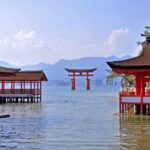
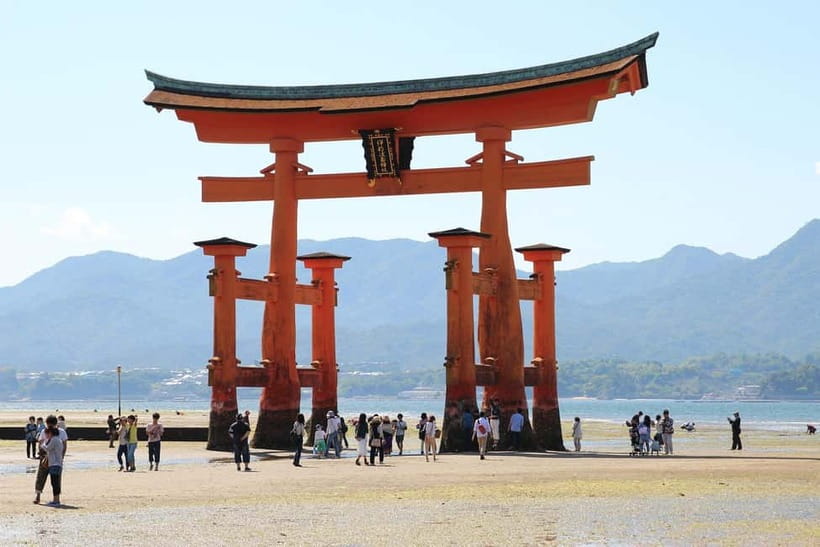
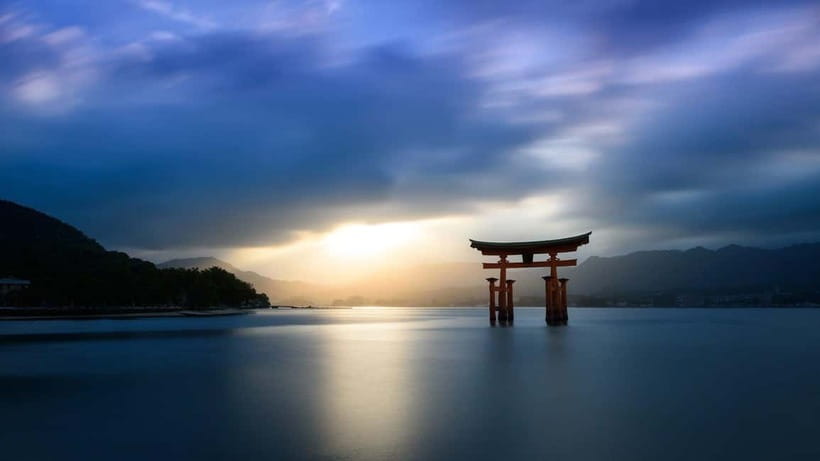
The shrine visit is guided and takes about 30 minutes, with admission included. This is the part that most people come for: the Itsukushima Shrine and the iconic torii gate that appears to rise from the water during high tide.
Here’s the practical way to think about the torii: you’ll see it as a signature sight, but how dramatic it looks can depend on tide timing. If the conditions are right, it’s an easy “wow” moment with photos that look like postcards. Even when it’s less dramatic, the shrine’s setting still feels special.
Free time on Miyajima (about 100 minutes)
You get about 100 minutes of free time on the island. That’s enough to do two useful things:
- wander beyond the main shrine area at your own pace
- eat, snack, and take photos without the guide moving you along every 30 seconds
You’ll also see friendly roaming deer. This is one of those details that sounds like a gimmick until you’re standing there watching them calmly crossing paths. Keep an eye on where you step, and avoid sudden movements around them.


Food you can aim for: oysters and momiji manju
Snack stop energy is built into Miyajima. The highlights specifically call out fresh oysters and momiji manju, the maple-leaf shaped pastries. Lunch is not included, so treat the Miyajima free time as your real chance to eat without stress.
If you’re food-motivated, plan your timing: eat early in the free block, then do your longer walking after. That way you’re not stuck hunting for a place to sit while your time evaporates.
Hiroshima Peace Memorial Park: The Atomic Bomb Dome and Museum Moment
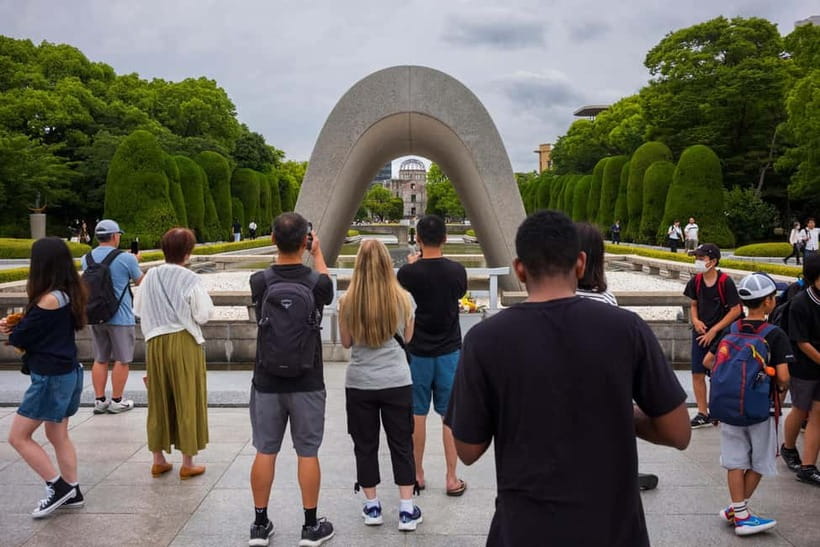
Then the tone changes—fast and for good reason. You head back by bus toward Hiroshima Peace Memorial Park, where you’ll get a guided tour plus about 2 hours of free time.
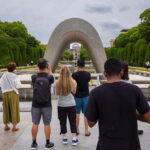
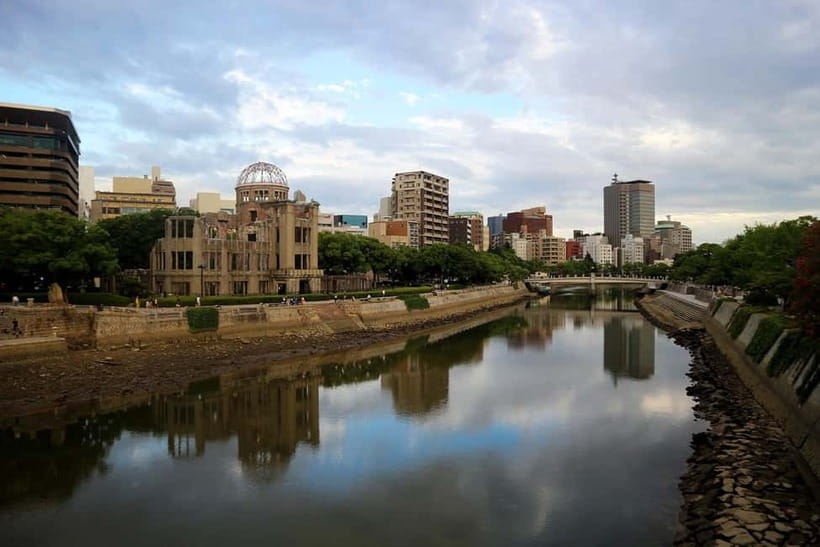
This is the core memorial portion of the day. You’ll see major elements tied to 1945, including the Atomic Bomb Dome and the Peace Memorial Museum experience. The guide is key here: the facts become more meaningful when you understand what you’re looking at and why it matters.
What I appreciate about the structure is that it’s not just “look and move on.” You get guided context first, then you choose how long to spend on the memorials. That’s a better match for different comfort levels. Some people want to read every plaque. Others want quieter reflection.
How to handle the emotional weight (practical respect)
Peace memorial sites ask for a certain pace. Wear shoes that won’t make you feel annoyed about standing and walking. Bring water if you tend to get dehydrated in Japan heat or sun. And keep the group’s flow respectful—this is not the kind of place where people should be doing loud conversations or casual posing.
A Schedule That Actually Works: Timing, Transfers, and Pacing
This tour is “all-in-one,” so the transfers are part of the experience. Between legs, you’ll do:
- Shinkansen travel (about 105 minutes each way)
- Bus/coach rides (including a 50-minute segment and later longer coach time)
- Ferries (around 30 minutes to Miyajima, then a shorter return ride)
That sounds like a lot on paper, but the value is that everything is handled for you. You don’t need to figure out which train number goes where, or how to coordinate ferry tickets while reading signs in a hurry.
The itinerary ordering also matters. Doing Miyajima before Hiroshima keeps you from arriving to the memorial zone still in island-wander mode. It gives you a mental “reset” as the day shifts themes.
Moderate walking: the only “fitness” requirement
The tour is described as having a moderate amount of walking. That means you don’t need to be an athlete, but you should treat it like a full sightseeing day. Comfortable shoes are not optional; they’re what keeps you from resenting the schedule later.
Also, crowded moments can happen on trains and ferries. Keep belongings secure, especially where you’re shoulder-to-shoulder.
Guides Matter: What I’d Look for in the Day’s Spanish/English Storytelling
One of the best parts of this tour is that it’s bilingual (Spanish and English). And based on the experiences shared, different guides bring their own style while still covering the key points.
Names that come up include Ángeles, César/Ceasar, Astrid, and Álex. The common thread is that people felt they learned more than just “where to stand for a photo.” They left understanding the history in a way that fits the places you’re walking through.
For you, that means you should pay attention during the guided segments even if you’ve read about Hiroshima before. The best memorial moments happen when you connect the timeline to the landscape you’re seeing—like the Atomic Bomb Dome area and the museum’s presentation.
Price and Value: What You’re Paying For at $104
At $104 per person, this is not a budget-only day trip. But it’s also not just paying for entry tickets.
You’re getting:
- Round-trip Shinkansen from Osaka (if you choose that option)
- bilingual guide support in English and Spanish
- ground transportation from the meeting point
- ferry rides to and from Miyajima
- admission to Itsukushima Shrine
Lunch isn’t included, so you’ll spend a bit extra on food. But that’s also good news: you get control over where and what you eat, especially on Miyajima with oysters and momiji manju available.
When the value works best is when you value convenience. If you’re the type who hates sprinting between stations, double-checking timetables, and figuring out ferry details in a second language while managing time, the guided, booked-together format is a real win.
Who Should Book This (And Who Might Find It Tough)
This tour is a good fit if you want:
- a single-day route to two major destinations: Miyajima + Hiroshima
- guided context for the memorial sites
- a balanced day that includes both history and scenic island time
- a structured plan that minimizes logistics work
It might be less ideal if:
- you need wheelchair access (it’s not suitable for wheelchair users)
- you don’t handle long days well (8 hours with multiple rides)
- you’re expecting a slow, leisurely pace with lots of museum time
If you’re traveling with older family members, the walking can be the deciding factor. You can still do it with breaks, but the schedule is designed for momentum.
Should You Book This Osaka to Hiroshima and Miyajima Day Trip?
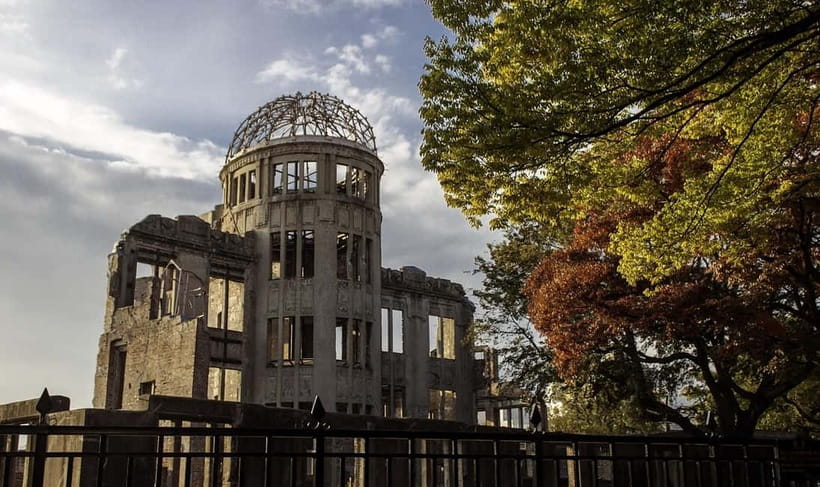
If your priority is seeing the biggest sights of Hiroshima Peace Memorial Park and Miyajima’s Itsukushima Shrine in one day, I’d say yes—with conditions.
Book it if you want a guided day that removes most planning headaches, especially the Shinkansen + ferries piece, and you value having a guide connect the dots for Hiroshima. You’ll also appreciate the included shrine admission and the free time that lets Miyajima feel like an island instead of a quick photo stop.
Skip it if you want maximum time in the museum area or a slower pace. This is built for “see the key things and absorb them,” not “linger for hours in every room.”
Finally, pack for the basics that keep the day comfortable: comfortable shoes, water, a hat, sunscreen, and a camera. Weather can swing, so bring a jacket if you’re traveling in cooler months.
FAQ
Is lunch included on this tour?
No. Lunch is not included, so you’ll want to plan food on your own during the free time on Miyajima.
How long is the day trip?
The tour duration is listed as 8 hours (690 minutes).
What stops are included?
You’ll visit Itsukushima Shrine and then spend time on Miyajima, followed by Hiroshima Peace Memorial Park with guided time and free time.
Is the torii gate at Itsukushima Shrine guaranteed to be visible?
The torii gate is described as appearing during high tide. The tour highlights the torii gate, but visibility can depend on tide timing.
What languages are the guides?
The live guide is Spanish and English.
Is this tour wheelchair accessible?
No. It’s listed as not suitable for wheelchair users.
Is smoking allowed?
No. Smoking is not allowed.