REVIEW · OSAKA
Nara 8hr Private Tour – Osaka DEP. with Licensed Guide
Book on Viator →Operated by Japan Guide Agency · Bookable on Viator
Eight hours in Nara feels manageable. I like that a licensed English guide handles the navigation, and I also like the custom itinerary where you pick 3–4 must-sees instead of being herded around. In real reviews, guides like Noriko and Hiro stood out for punctual, well-paced guiding and strong English.
This is also a practical way to see more than deer selfies. You get a private walking format, so you can slow down at the places that matter to you, whether that’s temple scale, shrine rituals, old merchant streets, or quiet gardens. The one drawback to watch: admission tickets aren’t included for many stops, so your total cost will rise depending on which sights you choose.
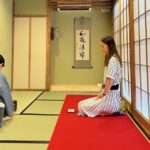
From Osaka, you meet your guide on foot within a designated area, grab your mobile ticket, and then focus on the day instead of figuring everything out yourself. Guides often add small extras when timing allows, like a tea ceremony noted with Hiro, or food stops like sake and mochi mentioned with Noriko.
In This Review
- Key takeaways before you go
- Osaka to Nara with a licensed guide: what you really get
- How to choose your 3–4 sights (and not waste your day)
- Temple scale: Todaiji, Horyu-ji, Kofuku-ji, and the rest of the lineup
- Todaiji (Great Eastern Temple)
- Horyu-ji (one of Japan’s oldest temple complexes)
- Kofuku-ji (Fujiwara family temple ties)
- Yakushi-ji and Shin-Yakushi-ji (medicine and symmetry)
- Toshodai-ji (Ganjin and the overseas influence)
- Deer park, Kasuga Taisha, and Mt. Wakakusa: the softer side of Nara
- Nara Park
- Kasuga Taisha
- Mt. Wakakusa (views when you want a break)
- Naramachi old town: when you want Nara without the temple roar
- Gardens and museums: context, calm, and what to pick if you have limited time
- Nara National Museum (Buddhist art focus)
- Heijo Palace Museum (Nara as Japan’s capital)
- Isuien Garden (borrowed scenery and temple framing)
- Yoshikien Garden (calm break in central Nara)
- Price and value: is $198.72 per person a smart deal?
- Practical tips to get the best day out of it
- Should you book this Nara private tour from Osaka?
- FAQ
- What is included in the Nara private tour from Osaka?
- How long is the tour?
- Are admission tickets included?
- Is food included?
- Is pickup available?
- Will I have an English-speaking guide?
- What is the cancellation policy?
Key takeaways before you go
- Licensed English guiding that saves time and stress: you do not have to translate street signs or temple signage all day.
- Pick 3–4 sights from a strong stop menu: you shape the day to your interests, not the other way around.
- Big-name temples plus quieter garden time: many of the options let you switch from crowds to calm.
- Punctual, organized pacing: several guides were praised for being efficient without feeling rushed.
- Helpful problem-solving on the spot: one review specifically mentioned help getting a phone back after it was left behind.
Osaka to Nara with a licensed guide: what you really get
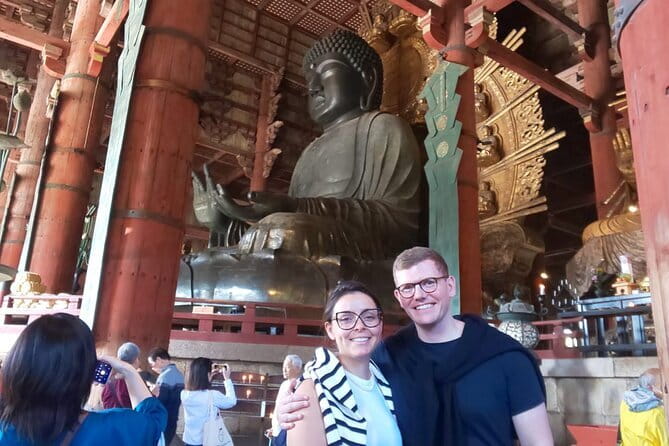
Nara can look simple on a map, but in person it’s a network of temple areas, shrine grounds, and pockets of old neighborhoods. This private tour is built for people who want that “easy day” feeling: you show up, meet your guide, and let them route your time.
What I like most is the human factor. English-speaking guidance matters here because temples and shrines are packed with context that you will miss if you only skim plaques. And because it’s private, the guide can steer you based on what you care about. That flexibility is why reviews highlight things like being shown spots beyond the most obvious tourist targets, plus extra storytelling that makes the buildings feel connected instead of random.
If you’re traveling with kids, older family members, or anyone who doesn’t love logistics, this format is a good match. It’s also a strong choice if it’s your first trip to Japan and you want a buffer against confusion.
You can also read our reviews of more guided tours in Osaka


How to choose your 3–4 sights (and not waste your day)
The tour is marketed as customizable for 3–4 sights from a list of major Nara stops. That’s the key planning idea: you’re not trying to “collect everything.” Instead, you’re building a day that hits the parts of Nara you’ll remember.
A smart way to pick is to combine categories:
- One mega-temple (for scale and iconic architecture)
- One shrine/park experience (for the living atmosphere, deer, and sacred space)
- One cultural layer (museum, old town, or a second temple)
- One reset stop (a garden when you want quieter energy)
If you want an easy shopping/café wander, put Naramachi into your set. If you want context, choose Nara National Museum or Heijo Palace Museum. If you want “breath after temples,” choose one of the garden options like Isuien or Yoshikien.
Also, look at the admission notes. Some stops are free, which helps you keep the day affordable. Many others are not included, so you’ll be paying on-site depending on what you select. That’s normal, but it’s worth planning for.
Temple scale: Todaiji, Horyu-ji, Kofuku-ji, and the rest of the lineup
This is where Nara earns its reputation. Even when you’ve seen temples before, the buildings here have a different sense of monumentality because of how early and central Buddhism was in Japan.
Todaiji (Great Eastern Temple)
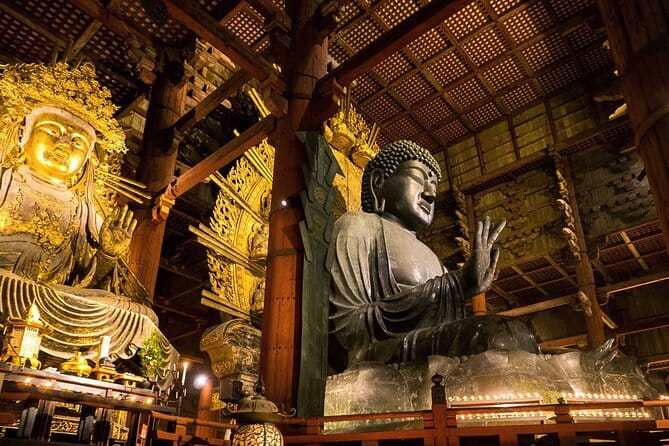
Todai-ji is the headline stop for most people. Built in 752 and described as a landmark of Nara, it’s the kind of place where the scale does the talking. Plan for your guide to point out what to look for so you can actually connect the history to what you’re seeing. If you’re choosing just one “wow” temple, this is the safest bet.
Cost note: admission is listed as not included for this stop.
Horyu-ji (one of Japan’s oldest temple complexes)
Horyu-ji is founded in 607 by Prince Shotoku and is known as one of the oldest temples in Japan. It’s a strong contrast to the grand main temple feel because it shifts the day toward early Buddhist promotion and long continuity. This is the place to go if you care about temples as historical artifacts, not just scenic backgrounds.
Cost note: admission is listed as not included.
You can also read our reviews of more private tours in Osaka


Kofuku-ji (Fujiwara family temple ties)
Kofuku-ji ties the story to the Fujiwara clan, a powerful aristocratic family during Japan’s Nara and Heian periods. If you like learning how politics shaped religion and art, this stop can click. Your guide can help you interpret the temple as part of a larger power story rather than an isolated building.
Cost note: admission is listed as not included.
Yakushi-ji and Shin-Yakushi-ji (medicine and symmetry)
Yakushi-ji was constructed by Emperor Tenmu in the late 7th century for the recovery of his sick wife, and the grounds are known for a strictly symmetric layout. That symmetry can feel very calm once you notice it.
Shin-Yakushiji was founded during the Nara period by an empress and is devoted to Yakushi Buddha, patron of medicine. This is an especially good fit if you like the spiritual idea behind the architecture.
Cost note: both stops list admission as not included.
Toshodai-ji (Ganjin and the overseas influence)
Toshodai-ji was founded in 759 by Ganjin, a Chinese priest invited to Japan to train priests and improve Japanese Buddhism. If you like the idea that Nara’s religious world wasn’t isolated, this stop adds that international thread.
Cost note: admission is listed as not included.
Deer park, Kasuga Taisha, and Mt. Wakakusa: the softer side of Nara
You can’t talk about Nara without addressing the living atmosphere. Nara Park is central, established in 1880, and it connects to multiple major attractions nearby. In practice, it’s where the day feels less like a museum visit and more like you’re walking through a living cultural space.
Nara Park
Nara Park is free and acts like your “hub.” It’s also where you’ll feel how deer are part of the area’s rhythm. One thing I recommend: don’t let deer moments swallow your schedule. Keep an eye on your time so you still have energy for the temples after.
This stop is listed as free.
Kasuga Taisha
Kasuga Taisha is Nara’s most celebrated shrine. It was established around the same time as the capital and is dedicated to a deity responsible for protecting the city. If your mind likes ritual and symbolism, Kasuga Taisha tends to reward attention because the sacred purpose is clear.
This stop is listed as free.
Mt. Wakakusa (views when you want a break)
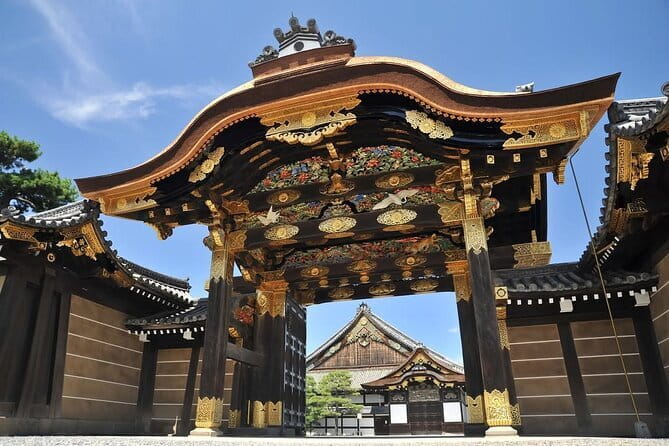
Between Todaiji and Kasuga, Mt. Wakakusayama is a grass-covered mountain about 350 meters tall, with unobstructed views over the area. Even if you don’t love hikes, it can function as a reset stop. Think of it as your “step back, look around, and remember where you are” moment.
Cost note: admission is listed as not included.
Naramachi old town: when you want Nara without the temple roar
After big religious landmarks, Naramachi gives you something different. This preserved former merchant district includes traditional residential buildings and warehouses that are open to the public. It also has shops and cafés, which makes it a great choice if you want a slower, more human-scale walk.
This stop is listed as free. It’s also a smart selection if you’re traveling with people who might find multiple temples exhausting. Naramachi lets everyone catch a breath without feeling like you skipped the real Nara story.
Gardens and museums: context, calm, and what to pick if you have limited time
Some days, temples are enough. Other days, you want the “why” behind what you’re seeing. That’s where the museum and garden options pay off.
Nara National Museum (Buddhist art focus)
The Nara National Museum displays Japanese Buddhist art and was established in 1889. If you want your temple visits to make more sense, a museum stop can turn your day from sightseeing into understanding. It’s also a good hedge if weather is changing.
Cost note: admission is listed as not included.
Heijo Palace Museum (Nara as Japan’s capital)
During much of the Nara period, Nara was the capital called Heijo-kyo. The Heijo Palace Museum helps you picture the palace area, described as about one kilometer wide and one kilometer long. If you like connecting city planning to history, this stop gives useful context.
Cost note: admission is listed as not included.
Isuien Garden (borrowed scenery and temple framing)
Isuien is designed as a garden that uses borrowed scenery. The description is specific: it uses Todaiji’s Nandaimon Gate and Mt. Wakakusayama as part of the view. That means your eyes aren’t just looking at plants and paths. You’re seeing architecture and nature composed together.
Cost note: admission is listed as not included.
Yoshikien Garden (calm break in central Nara)
Yoshikien is a pleasant garden named after the Yoshikigawa River running beside it. This is a solid “quiet reset” choice when you want your Nara day to include space for slower walking and taking in atmosphere.
Cost note: admission is listed as not included.
A highlight worth noting from reviews: Kaeko was praised for guiding people through the gardens of the Silver Pavillion. Since that kind of peaceful stop is exactly what these garden options are for, it’s the style of experience that tends to stick with people.
Price and value: is $198.72 per person a smart deal?
At $198.72 per person for an approximately 8-hour private experience, you’re paying for three main things: a licensed guide, private time, and the ability to customize your stops. In most parts of Japan, English-speaking expertise is expensive. Here, it’s built into the package.
The real value question is admissions and food. Many of the temple and museum stops list admission as not included, and food and drink for yourself aren’t included either. That means your budget depends on what you choose from the stop menu. The good news is that some options are free, like Nara Park and Kasuga Taisha, so you can manage costs by mixing free and paid sights.
Also, timing matters. This is the kind of tour that many people book in advance (on average, 76 days ahead). If your dates are fixed or you have a specific guide preference, planning early helps you get what you want.
Where this tour really shines is for people who want to feel oriented and informed. Reviews repeatedly mention punctual pickups, strong English, and guides adding educational depth that turns temples into something you can explain afterward. That’s the payoff you’re buying.
Practical tips to get the best day out of it
A few things will make the experience smoother without adding much effort:
- Choose shoes for walking: it’s a private walking tour format, and Nara’s temple areas require real foot time.
- Mix pace levels: if you pick three mega-temples, add one calmer option like a garden so you don’t burn out.
- Ask your guide to tailor, not just translate: you’ll get more value when they steer you toward the sights that match your interests.
- Plan for on-site payments: admissions are not included for many stops, so have some cash or a card ready.
- Know that small extras may happen: one review mentioned a tea ceremony added by Hiro, and another mentioned sake and mochi with Noriko. That’s not guaranteed for every day, but it shows the guides sometimes personalize beyond the basics.
Should you book this Nara private tour from Osaka?
Book it if you want an easy, English-friendly day where someone else handles the navigation and the history. It’s especially worth it if you’re picking only a few highlights and you want those highlights to feel meaningful, not rushed. The best fit is first-timers, mixed-age groups, and anyone who dislikes juggling train transfers plus reading signs.
Skip or reconsider if you’re trying to do a maximum number of paid attractions with a tight budget, because admissions and meals are on you. Also, if you prefer totally independent travel and don’t want to pay for guiding, self-guided Nara is an option—but you’ll be doing more of the translation and routing work yourself.
If you do book, I’d lean toward a combination that includes one big temple (like Todaiji), one atmosphere stop (like Nara Park and/or Kasuga Taisha), and one reset (a garden like Isuien or Yoshikien). That recipe tends to create the kind of day people remember: awe, spirituality, and a quiet exhale.
FAQ
What is included in the Nara private tour from Osaka?
You get a government licensed guide, a customizable private tour where you choose 3–4 sights, and a meeting point on foot within a designated area of Osaka. You’ll also use a mobile ticket.
How long is the tour?
The duration is about 8 hours.
Are admission tickets included?
No. Admission tickets are listed as not included for many of the temple and museum stops. Some parts of the day are free, such as Nara Park and Kasuga Taisha.
Is food included?
Food and drink for yourself are not included.
Is pickup available?
Yes, pickup is offered, and you meet your guide on foot within a designated area in Osaka.
Will I have an English-speaking guide?
Yes. The tour description notes an English-speaking guide, with no language barrier.
What is the cancellation policy?
You can cancel for a full refund up to 24 hours before the experience starts. If you cancel less than 24 hours before, the amount paid is not refunded.