Osaka clicks into focus in four hours. This guided route strings together Osaka Castle Park history, Korean Town street texture, and Harukas 300 skyline views. I especially like the story-led walk around the castle grounds (with the Shogun-era intrigue) and the Harukas viewpoint paired with the underground department-store food hall. One catch: there are no scheduled food stops, so plan to snack on the go if you’re hungry.
The value here is the local guide’s narration. In past tours, guides like Ferdinand (Shogun-period storytelling at the castle), Kevin (immense Osaka context), and Oisin/Oshin (old-to-new connections plus culture talk) are repeatedly singled out for turning streets into understandable scenes.
It’s also a rain-or-shine walking day with public transport between neighborhoods. You’ll want a day pass and solid shoes, because you’re covering a lot of Osaka in a short window.
In This Review
- Key Highlights You’ll Feel On the Ground
- Why This Osaka Walk Feels Like a City Decoder
- Starting At Tanimachiyonchome Exit 2 (and a Taxi Clue)
- Osaka Castle Park: Grand Exterior + Shogun-Era Storytelling
- The main trade-off here
- Tsuruhashi: Koreatown’s Pre-War Street Maze
- What to expect
- Abeno Harukas 300: High Views, Then Underground Food Hall
- Why this stop is worth it
- Shinsekai: The Retro District That Still Feels Half-Preserved
- The main consideration
- Namba + Dotonbori: Times Square Energy, Osaka Style
- What I like about this section
- Kuromon Ichiba: Fish-Market Power for Over 150 Years
- If you’re a foodie
- Doguyasuji: The Kitchen District for Cooking-Tool Details
- Practical note
- Pace, Timing, and What to Bring for a 4-Hour Sprint
- Price and Value: Is $59 Worth It?
- Who Should Book This Osaka Main Sights and Hidden Spots Tour?
- Final Call: Should You Book It?
- FAQ
- Where does the tour start and where does it finish?
- Is transportation included?
- Are there food stops or a meal included?
- Does the tour run in bad weather?
- What languages are the guides?
- Is it suitable for mobility impairments?
Key Highlights You’ll Feel On the Ground
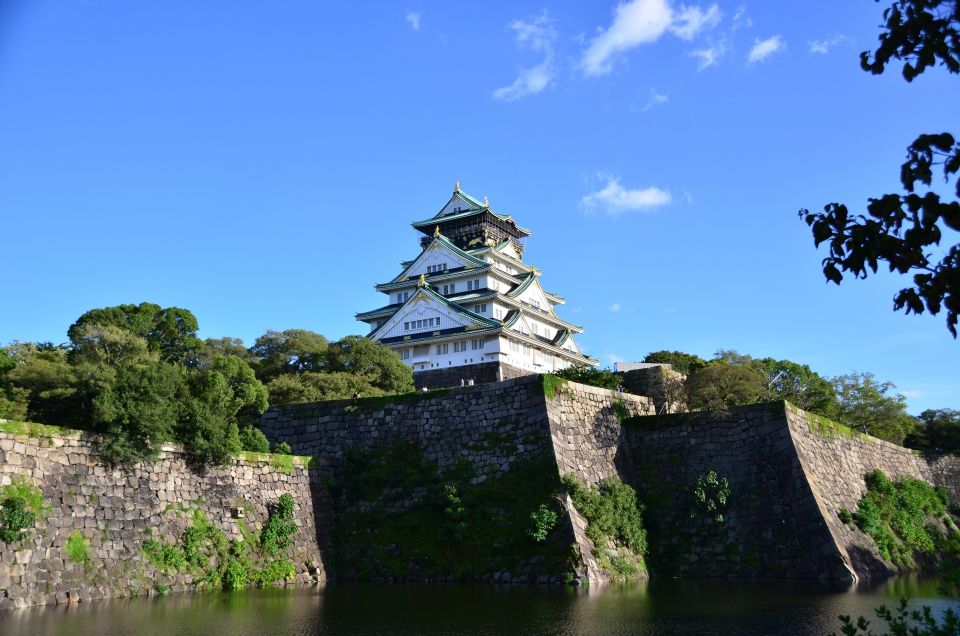
- Osaka Castle Park without entering the castle: you get the grand exterior and the setting’s real historical drama
- Harukas 300 viewpoints + underground food hall: high above, then straight into the department-store basement food world
- Tsuruhashi Koreatown navigation: alleys and pre-war commercial streets you’d miss on your own
- Shinsekai and Namba contrast: slightly crumbling retro energy, then modern shopping and nightlife gravity
- Dotonbori, Kuromon Ichiba, and Doguyasuji in one sweep: neon-famous, market-real, and kitchen-focused
- Guide-led “how Osaka works” context: not just stops, but meaning—plus photo-friendly moments
Why This Osaka Walk Feels Like a City Decoder
Osaka can be loud, fast, and funny on the surface. This tour gives it structure. You see the big postcards—then you learn how the merchant city mindset shaped what you’re looking at.
I like that the tour balances power-and-people stories. You’re not stuck in museums all day. Instead, you move through parks, neighborhoods, markets, and street districts where daily life still leaves traces.
You can also read our reviews of more walking tours in Osaka


Starting At Tanimachiyonchome Exit 2 (and a Taxi Clue)
Meet above ground at Tanimachiyonchome Station Exit 2. If you’re arriving by taxi, the key landmark name is tanimachi 3-chome (谷3交差点)—useful when the driver asks where exactly to drop you.
This matters because Osaka station exits can feel like a video game. A clear meet point means you start calm, not sprinting in the wrong direction.
Osaka Castle Park: Grand Exterior + Shogun-Era Storytelling
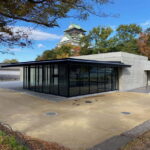
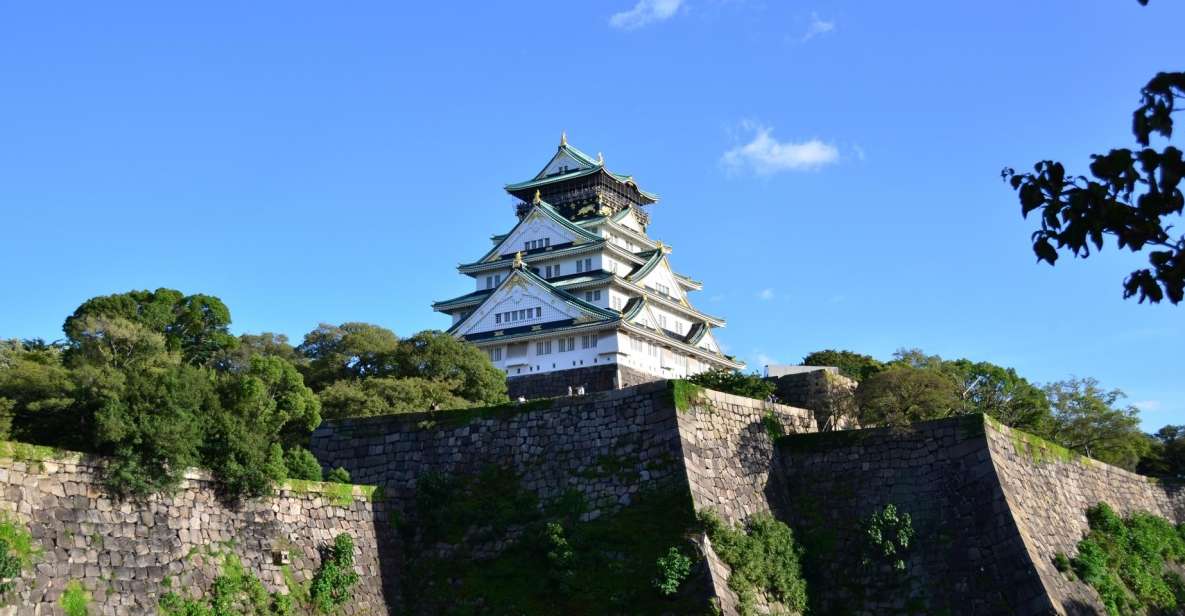
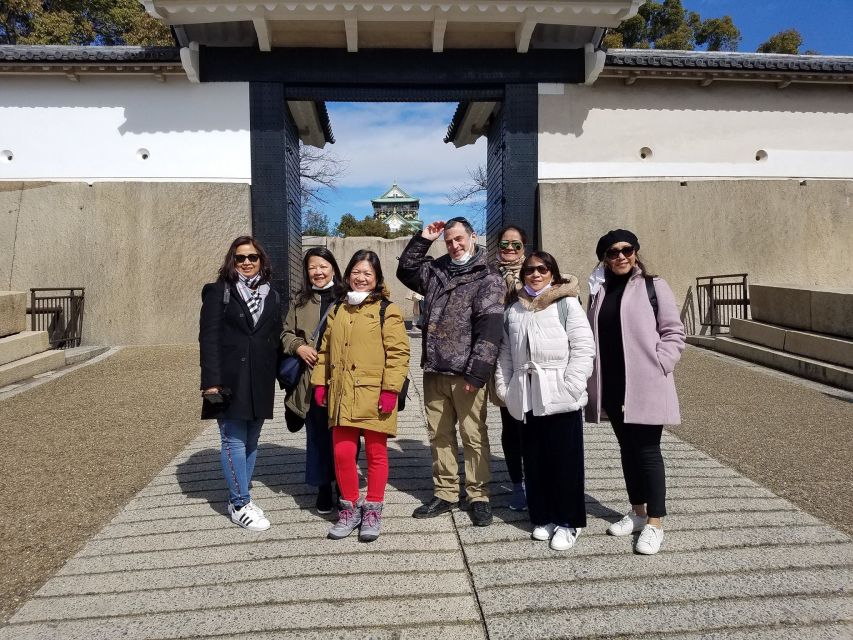
You start at Osaka Castle Park, and you won’t go inside the castle. That sounds limiting until you realize what you’re really buying: the setting.
You’ll admire the imposing castle exterior and stroll the park area. The guide then connects what you see to the political pressure Osaka faced long ago—stories about how the castle and its power were almost taken away centuries in the past. It’s the kind of context that makes the building stop being a photo prop and start being a plot point.
The main trade-off here
If your dream is an inside-the-castle ticket visit, this won’t satisfy that. But if you want history that sticks to the city layout—this is a smart way to start.
Tsuruhashi: Koreatown’s Pre-War Street Maze
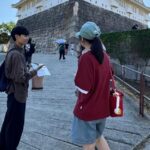
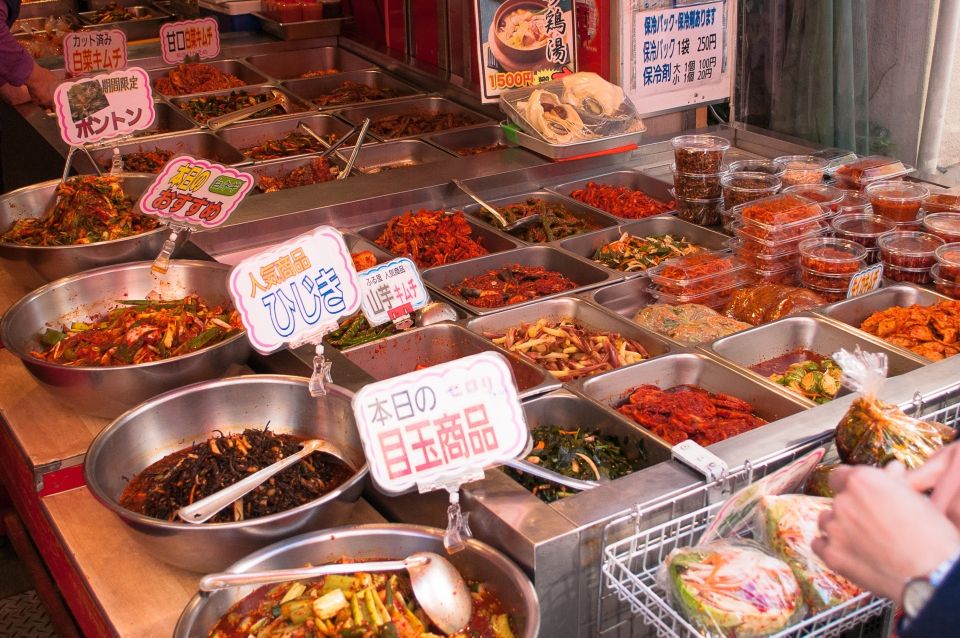
Next comes Tsuruhashi, often described as Korea Town within Osaka. What makes it special on foot is the texture: narrow streets and alleys that feel like a pre-war commercial district rather than a themed attraction.
This is one of the best parts of the tour for “I’d never find this alone” energy. The guide helps you read the neighborhood—how it functions, why it became known, and how it blends into Osaka’s broader story.
You can also read our reviews of more guided tours in Osaka



What to expect
You’ll wander through the maze at a comfortable pace, guided through the streets rather than just standing at viewpoints. The payoff is feeling like you understand the area, not just passing through it.
Abeno Harukas 300: High Views, Then Underground Food Hall
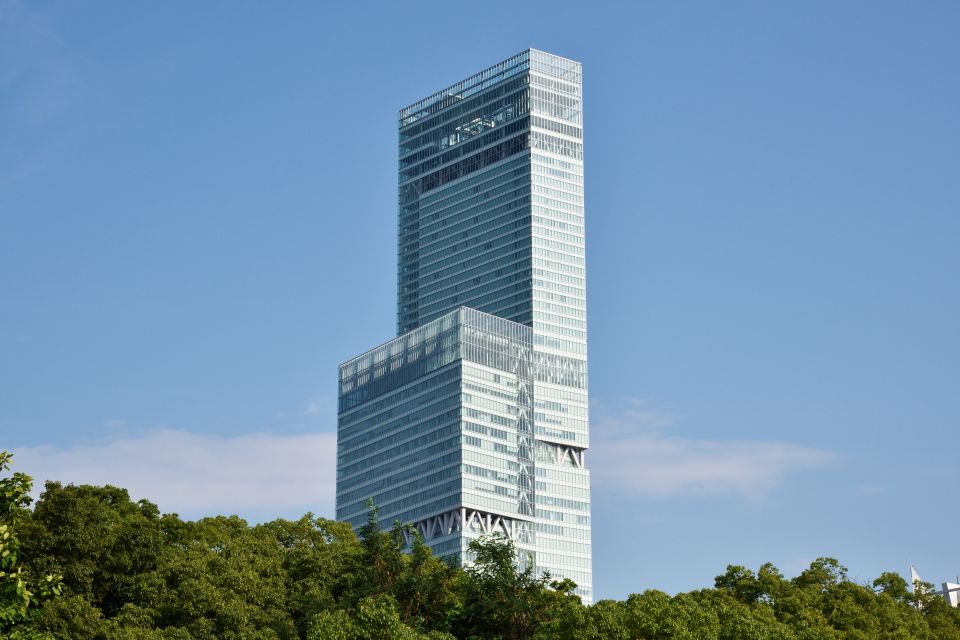
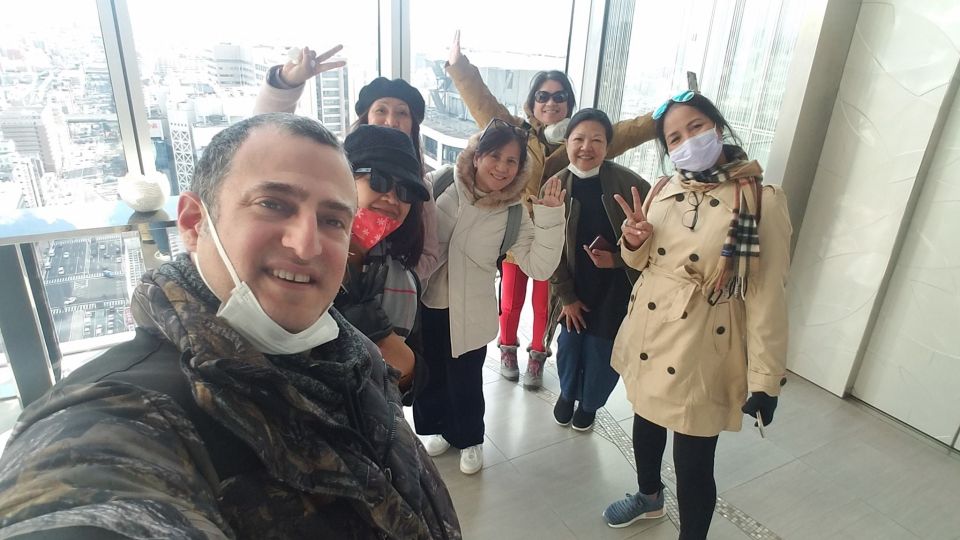
Then you ride public transport to Abeno Harukas for the Harukas 300 stop. You’ll enjoy a view from one of the high floors—an excellent reality check for how massive Osaka’s neighborhoods are.
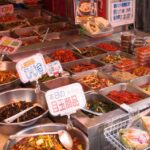
After the skyline moment, you head underground into the department-store food hall. This is not about grabbing a full meal as part of the tour. It’s about seeing the food culture from a shopping perspective—high-end products up close, including items like puffer fish and Kobe beef (for sale, not necessarily served).
Why this stop is worth it
Osaka is famous for food, but this adds a different angle: you see how serious the city is about ingredients and quality, not only about casual street eating.
Shinsekai: The Retro District That Still Feels Half-Preserved
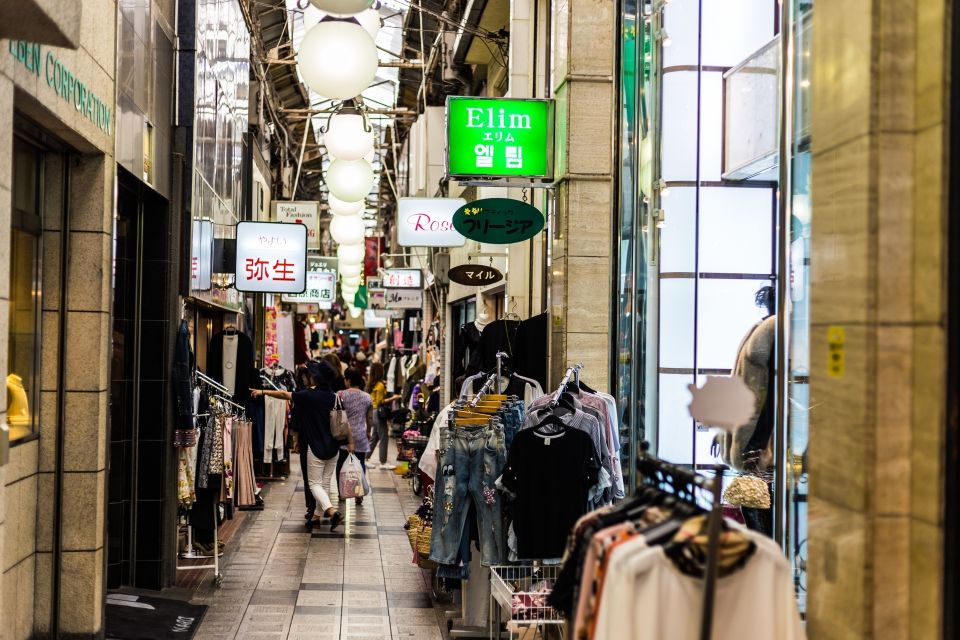
From Harukas, you go to Shinsekai. This neighborhood is known for a slightly crumbling, older-world vibe—the sense of places being left in their “then” state.
The guide points out local highlights that feel frozen in time, and you’ll get a strong sense of why Osaka has always been playful. It’s not polished “theme park Osaka.” It’s older, gritty, and human-scaled in the streets.
The main consideration
Photography here is great, but the vibe is uneven. Some spots look like history; others look like everyday life. That’s the point—just don’t expect a perfect set.
Namba + Dotonbori: Times Square Energy, Osaka Style
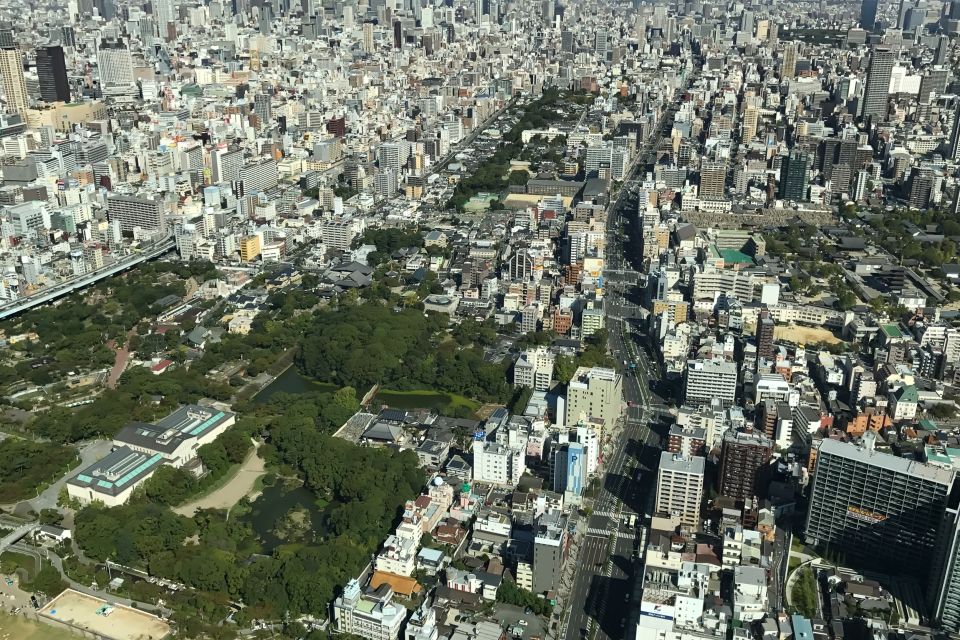
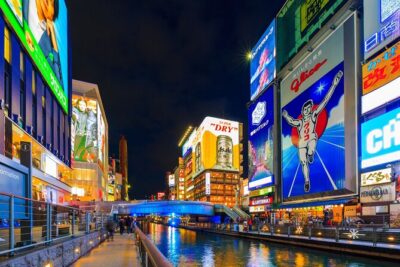
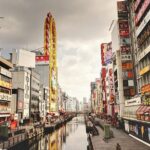
Namba is where modern Osaka’s shopping, dining, and entertainment energy concentrates. The tour then takes you into Dotonbori, Osaka’s best-known neon corridor—often compared to Times Square in feel, with a lot more local character.
This is your “big city” moment. You’ll walk past eye-catching signs, food-focused storefronts, and the kind of street atmosphere that makes Osaka feel like a living show.
What I like about this section
The guide steers you toward the quirky back streets too, not just the main drag. That’s where Osaka’s humor shows up: the odd details, the side alleys, the surprises.
Kuromon Ichiba: Fish-Market Power for Over 150 Years
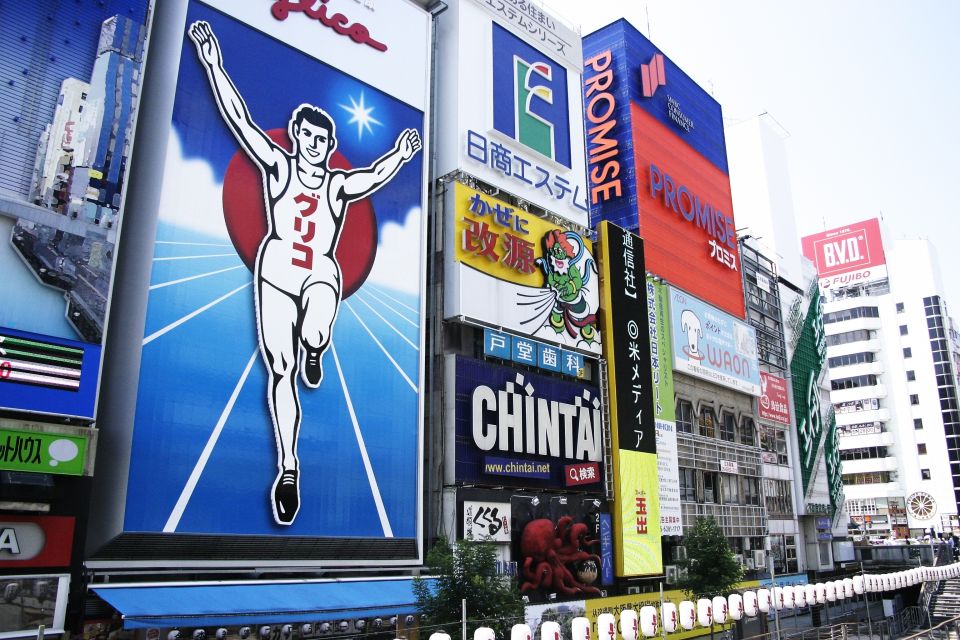
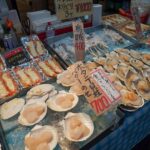
After Dotonbori, you’ll reach Kuromon Ichiba, a fresh fish market with a history going back more than 150 years.
This stop is a great reset from neon. Here, the city’s food reputation becomes practical: you see what gets sold, how the market life works, and why Osaka’s reputation for food isn’t just marketing.
If you’re a foodie
This is the best place on the tour to slow down and look. Even if you don’t buy anything, the sensory scene makes the history feel real.
Doguyasuji: The Kitchen District for Cooking-Tool Details
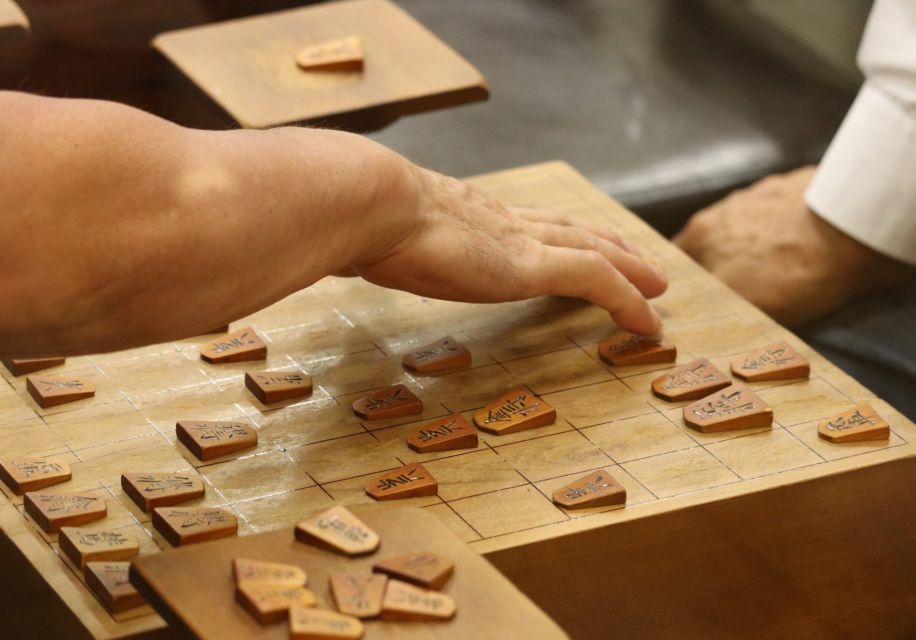
The tour then finishes with Doguyasuji, the kitchen and cooking district. If you’ve ever wondered where Japanese cooking tools and restaurant-style supplies come from, this is where you’ll notice that whole world exists.
You’ll look at wax food models, noren curtains hanging at kitchen entrances, and even large pottery pieces tied to culinary life. It’s not just “food.” It’s the supporting cast: the tools, surfaces, and displays that keep kitchens running.
Practical note
This area can be great for browsing, but it’s also easy to forget your feet. Bring comfortable shoes and expect lots of looking up and down storefront entrances.
Pace, Timing, and What to Bring for a 4-Hour Sprint
The tour runs about 4 hours, with a mix of walking and quick public transport rides between neighborhoods. The stops are timed enough that you’ll feel productive, but not so rushed that it becomes a forced march.
Because you’re outside for long stretches, rain or shine is part of the deal. Plan accordingly: a light rain layer and shoes that can handle damp pavement go a long way.
What to bring is simple and important: comfortable shoes. This tour isn’t built for flip-flops or footwear you haven’t tested yet.
Price and Value: Is $59 Worth It?
At $59 per person, this is positioned as a guided overview with real substance. The value comes from the combination:
- multiple recognizable Osaka anchors (castle park, Harukas, Shinsekai, Namba, Dotonbori)
- plus “how to see it” guidance—where to look and what each place means
You’re also getting a professional English live guide (and the same tour may run in other listed languages). The guides have a reputation for story quality and for connecting old merchant Osaka to modern everyday life.
Two money-related notes you should know:
- Transportation isn’t included, so you’ll want a subway day pass to get to the meeting point and while on the tour.
- No food stops are included, so budget for snacks if you need them.
Who Should Book This Osaka Main Sights and Hidden Spots Tour?
Book it if you want a first-time Osaka framework that goes beyond the postcard checklist. I think it’s especially good for:
- first-time visitors who want to understand the city fast
- people who like history and culture explained through neighborhoods
- food lovers who enjoy seeing food markets and ingredient culture, not only eating one set menu
- anyone who appreciates a guide who also points out photo-friendly moments and practical street context
Skip it if:
- you want inside-the-castle time (this one is castle grounds only)
- you’re expecting a full food tour with sit-down stops
- you don’t like walking-heavy itineraries and public transit transfers
On the solo side, if the minimum group size isn’t met, you may be offered an alternate date, a 4000 yen solo supplement, or a full refund—so you’ll still have options.
Final Call: Should You Book It?
If you have only half a day in Osaka and you want the city to make sense, I’d book this. The mix of Osaka Castle Park + Harukas views + market districts gives you both scale and texture, and the guide storytelling is the part that turns a route into a real understanding.
If your main goal is a relaxed day with lots of eating stops, you might feel “still hungry” at the end. But for people who like to see, learn, and then go find their own dinner, it’s a strong match.
FAQ
Where does the tour start and where does it finish?
It starts in front of Tanimachiyonchome Station Exit 2. The tour finishes at 1-chōme-4-2 Nanba, Chūō-ku, Osaka (542-0076), Japan.
Is transportation included?
No. Transportation is not included, and you’re advised to use a subway day pass to get to the meeting point and during the tour.
Are there food stops or a meal included?
There are no food stops. You’ll have chances to buy snacks along the way if you get hungry, but food and drink aren’t included.
Does the tour run in bad weather?
Yes. This tour will take place rain or shine.
What languages are the guides?
Live tour guide languages listed are English, French, and Spanish.
Is it suitable for mobility impairments?
The activity is listed as wheelchair accessible, but it’s also marked not suitable for people with mobility impairments. If mobility is a concern, check with the provider before booking.