REVIEW · OSAKA PREFECTURE
Tea ceremony experience in Osaka with a small group
Book on Viator →Operated by Shuminavi Inc. · Bookable on Viator
Tea ceremony in Osaka sounds fancy. Then you show up and it’s just calm, hands-on learning. You’ll do a small-group Japanese tea ceremony with a tea master, in a tatami room, with matcha and traditional sweets, plus time to make your own tea.
What I like most is how practical it feels. First you get a clear walkthrough of how the session works, then you actually make matcha yourself at a table in the Ryurei style. You’re not stuck as a passive spectator. And because it’s capped at four people, questions don’t get lost in the crowd.
One thing to consider: this experience is short (about 60–90 minutes), so you’ll get a taste of tea ceremony, not a lifelong certification. If you want hours of culture-building time, plan extra stops in Osaka or Kyoto right after.
In This Review
- Key highlights you’ll feel right away
- A small-group matcha lesson in Ibaraki (Osaka Prefecture)
- Getting to the meeting point without stress
- Tatami room entry and the opening flow
- Watching matcha made, then tasting Japanese sweets
- Ryurei table tea style: making your own matcha
- The pace, the attention, and the small-group comfort
- Price and value: what $67.11 really covers
- Planning your day in Osaka or Kyoto around this tea ceremony
- Who should book this (and who might skip it)
- Should you book this Osaka tea ceremony?
- FAQ
- How long is the tea ceremony experience?
- Where is the meeting point?
- What’s the nearest train station?
- Is this a private tour?
- Will I get to make matcha or only watch?
- What’s included in the price?
- What are the cancellation terms?
Key highlights you’ll feel right away
- Small group up to four: more attention, less waiting.
- Tatami room start: you learn what to do in a Japanese-style room from the beginning.
- Matcha demo plus hands-on: you watch, then you make.
- Ryurei table tea style: a guided, structured way to follow the steps.
- Japanese sweets included: part of the experience, not an add-on.
- Meet between Osaka and Kyoto: easy to roll into sightseeing.
A small-group matcha lesson in Ibaraki (Osaka Prefecture)
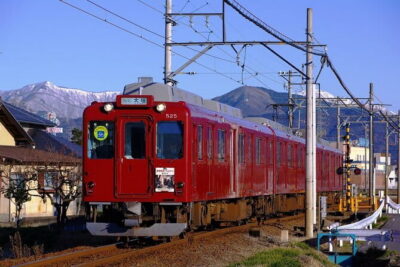
This tea ceremony happens in Osaka Prefecture, in the Ibaraki area. The meeting point is Repark Ibaraki Oike 1-Chome (Ōike, Ibaraki, Osaka 567-0826). The nearest station is Ibaraki-shi Station on the Hankyu Kyoto Line, and it’s about a 10–15 minute walk.
The location choice is smart for a day plan. Ibaraki sits in a convenient zone between Osaka and Kyoto, so after your session you can keep moving instead of feeling like you’re stuck far from everything. You’re also not racing across town for a tight experience that eats your whole day.
Group size matters here. You’ll be in a private setup with your group only (up to four people). That’s usually what separates a warm, personalized lesson from a lecture. Here, you can expect guidance that fits your pace.
And since this is a tea ceremony experience, the vibe is the point: quiet focus, careful steps, and time to taste. Not loud, not chaotic.
You can also read our reviews of more tours and experiences in Osaka Prefecture.
Getting to the meeting point without stress
Here’s how to keep it easy and low-drama.
You’ll want to arrive on time, then contact the phone number when you get there. The instructions are straightforward: after booking, you’ll receive details with the address and phone number to confirm. If you’re late or get turned around on the walk from Ibaraki-shi Station, call the provided number and they’ll help you.
The walk itself is short enough that it won’t feel like part of the tour. Still, I recommend wearing shoes you’re comfortable in, because you’ll be in a Japanese-style room setup where you’ll follow instructions from your tea master.
If you’re traveling with a partner, this is a good option too because the session doesn’t balloon into a big-group rhythm. It stays manageable and personal.
Tatami room entry and the opening flow
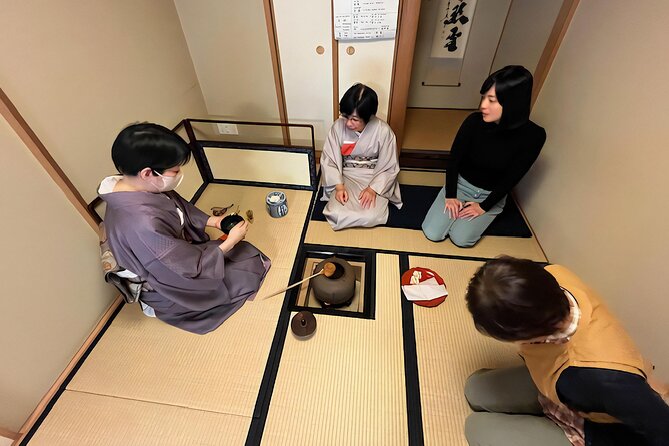
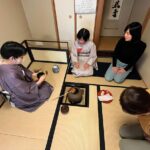
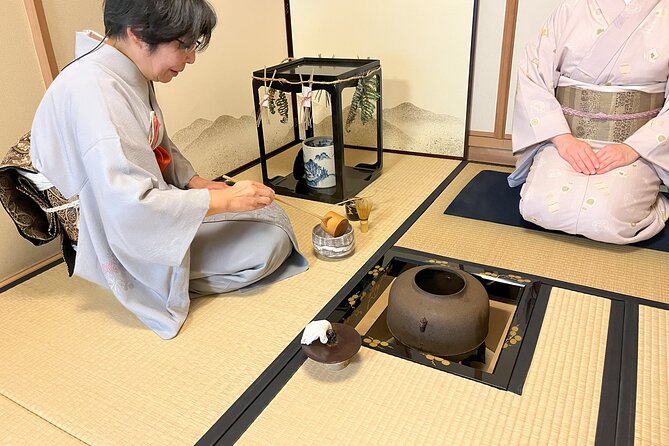
The session begins with a simple, important step: learning how to enter the tatami room. That may sound small, but it’s exactly the kind of thing that makes tea ceremony feel less mysterious.
Instead of you trying to guess what’s expected, you’ll get an introduction to how to handle the moment calmly. Then the tea master demonstrates the tea ceremony with matcha and Japanese sweets.
This first phase does two jobs for you:
- It gives you the rules of the room.
- It shows the full flow before you do anything yourself.
If you’re new to Japanese culture, this is a big relief. You’re not expected to already know etiquette. The whole structure is built to make it understandable, with guidance that’s easy to follow.
Watching matcha made, then tasting Japanese sweets
Before you touch anything, you’ll get the demo: matcha tea plus traditional sweets. The point isn’t just taste. It’s learning how the sweets and tea fit together in the rhythm of the ceremony.
Matcha is matcha, but the experience is about how it’s presented and served. You’re tasting as part of a sequence, not as a random snack between photos.
You’ll also pick up vocabulary and movement without it turning into a class. That’s important because tea ceremony can feel intimidating if you think you need a background to understand it. This setup keeps it practical: follow along, taste, and learn.
And yes, the sweets are included. So you’re not paying extra to make the ceremony feel complete.
Ryurei table tea style: making your own matcha
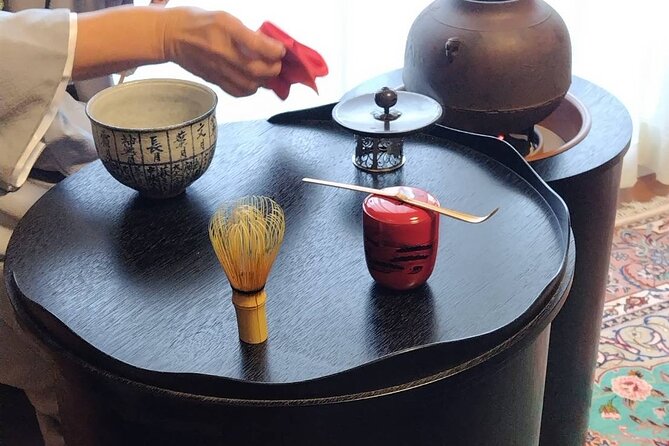
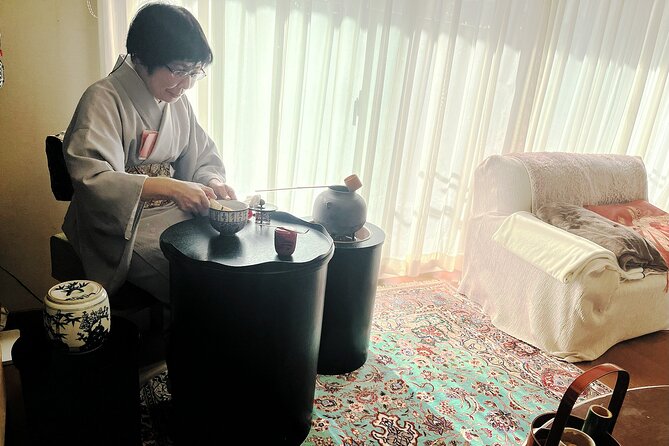
After the demonstration, you shift into Ryurei style, which is the table style tea ceremony. This is where your experience becomes hands-on.
You’ll be introduced to how to make matcha, then you’ll enjoy the matcha you make yourself with the Japanese traditional sweets. That hands-on time is what you’ll remember long after the photos.
Why this is valuable: watching a process once is interesting. Doing it yourself makes it click. You learn the steps in the moment, with a teacher there to guide you if you’re unsure.
It’s also a great confidence builder. You don’t need fancy equipment or prior training. The tour includes the tools and materials needed for the activity, so you’re not responsible for bringing anything “special.”
The session length is about 60–90 minutes in total, so this hands-on part still feels focused instead of drawn out.




The pace, the attention, and the small-group comfort
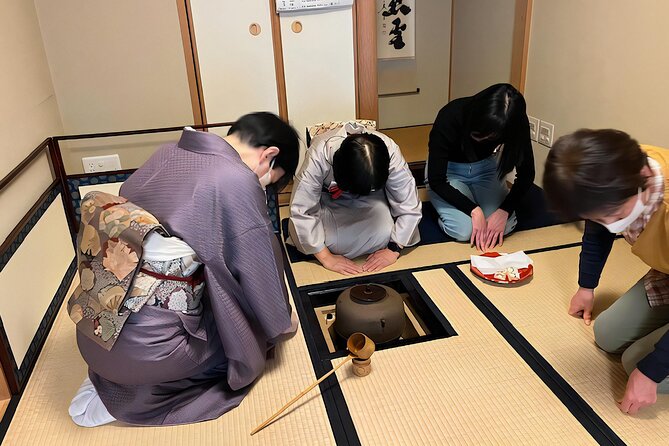
The session runs at a human pace. It’s long enough for explanation and practice, but short enough that you won’t feel like you’re trapped indoors.
Because the group is limited to four, the instructor can adapt to you. That matters when you’re learning something that involves careful handling and timing. You’re more likely to get clarifying answers in the moment, instead of waiting your turn behind strangers.
The overall tone is also relaxing. Tea ceremony isn’t about speed or performance. It’s about doing things the right way, and enjoying the quiet.
Also, since the experience is structured (tatami entry → demo with matcha and sweets → Ryurei table style → you making matcha), you won’t feel lost. It’s guided from start to finish.
Price and value: what $67.11 really covers
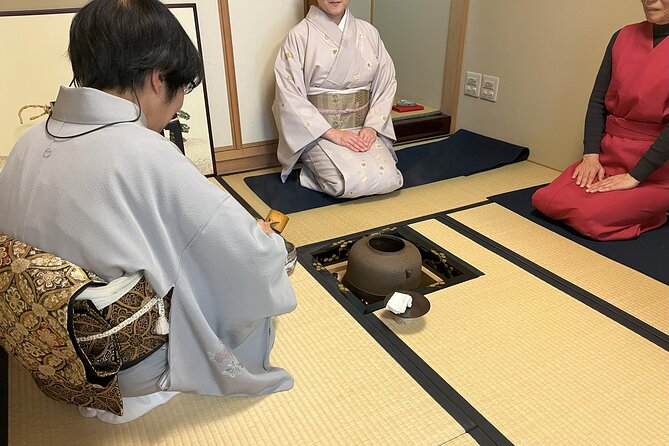
It costs $67.11 per person. That price can look like a lot at first, but here’s where the value comes from.
You’re paying for:
- A private, small-group experience (up to four people)
- Instruction from a Japanese tea ceremony master
- Tools and materials for the activity
- Japanese sweets
- Matcha green tea
- Time for you to make your own matcha
So you’re not just buying a drink. You’re buying guided cultural instruction plus ingredients plus practice time. That combo is usually what turns a one-time tasting into an experience with substance.
Another value angle: it’s short, so it’s easy to plan around. You can schedule it and still spend the rest of your day exploring Osaka or Kyoto without losing an entire chunk of your trip.
Planning your day in Osaka or Kyoto around this tea ceremony
One practical advantage: the venue is located between Osaka and Kyoto. That means you can treat this as a flexible “anchor activity” for your day.
If you’re doing Osaka sights one day and Kyoto the next, a ceremony here is a low-effort bridge between the two. You can go from train station to calm tea room, then back to crowds when you’re ready.
Timing tip: aim to keep the rest of the day light. After matcha and sweets, you’ll probably feel satisfied and slow down naturally. It’s nicer to plan a stroll or a nearby neighborhood exploration than to stack two big-ticket attractions back to back.
And don’t over-schedule right before the ceremony. You want to arrive feeling steady, not rushed. The experience is about attention, not multitasking.
Who should book this (and who might skip it)
This tea ceremony experience is a great fit if:
- You’re curious about Japanese culture but don’t want a complicated, long course.
- You want hands-on instruction, not just watching.
- You like small groups and personal guidance.
- You want a break from sightseeing crowds for an hour or so.
You might choose another option if:
- You want a longer deep-dive session (this one is about 60–90 minutes).
- You’re hoping for a full-day cultural program with multiple stops. This is focused, not sprawling.
Also, this is ideal for first-timers. The session is designed so that even people with little knowledge can follow along.
Should you book this Osaka tea ceremony?
If you want a calm, guided experience where you learn by doing, I’d book it. The mix of tatami room introduction, a matcha demo with sweets, and the Ryurei table-style hands-on part makes it feel complete without being exhausting.
The main reason to say yes is the structure. You get clear steps, you’re not left guessing, and you come away with the one thing that makes tea ceremony stick: you made matcha yourself.
If your schedule is tight, it’s also a solid choice because it’s short and easy to work into a day between Osaka and Kyoto.
FAQ
How long is the tea ceremony experience?
The session takes about 60–90 minutes (about 1 hour 30 minutes).
Where is the meeting point?
The meeting point is Repark Ibaraki Oike 1-Chome (Ōike, Ibaraki, Osaka 567-0826, Japan), and the activity ends back at the meeting point.
What’s the nearest train station?
The nearest station is Ibaraki-shi Station on the Hankyu Kyoto Line. It’s about a 10–15 minute walk.
Is this a private tour?
Yes. It’s private, with only your group participating. The small group size is up to four people.
Will I get to make matcha or only watch?
You’ll get to make matcha yourself after the tea master introduces the Ryurei style and how to make matcha.
What’s included in the price?
Included are the tools and materials needed for the activity, Japanese sweets, and matcha green tea.
What are the cancellation terms?
You can cancel for a full refund up to 24 hours before the start time. If you cancel less than 24 hours before, the amount paid is not refunded.