REVIEW · OSAKA
Kyoto Customized Private Car Tour
Book on Viator →Operated by Japan Travels · Bookable on Viator
Kyoto can fit into one long day. This private car tour strings together the city’s most wanted sights, then lets you bend the order with flexible planning. I like how the experience stays practical from start to finish—easy transport, clear timing, and guide support in multiple languages.
Two things I really like: first, the private, only-your-group setup saves time and stress versus squeezing into bigger buses. Second, the guide support matters—names I’ve seen come up include Mani, Talha, and Ali, and they’re the type to help you reach each stop and explain what you’re looking at.
One consideration: eight hours is busy by design. You’ll be hopping from area to area, so if you want a slow, sit-down pace with lots of extra wandering, you might feel slightly rushed.
In This Review
- Key highlights to know before you go
- Kyoto in One Day, Without the Chaos
- Private Car vs Bus: What You Gain for Your Money
- Fushimi Inari-taisha: Start Where Kyoto Feels Like a Story
- Arashiyama Bamboo Grove: The Quiet Reset
- Kinkaku-ji and Ginkaku-ji: Two Zen Courtyards, Two Different Vibes
- Kinkaku-ji (Golden Pavilion)
- Ginkaku-ji (Silver Pavilion)
- Kiyomizu-dera: Panoramas and Hilltop Energy
- Sanjusangendo: 1,001 Statues That Change the Room
- Gion Corner and Nishiki Market: Culture With a Safety Valve
- Gion Corner
- Nishiki Market Shopping District
- The Guide Makes It Feel Smooth (Mani, Talha, Ali)
- Entry, Tickets, and What to Expect Day-of
- Price and Value for a Group Up to 6
- Who This One-Day Kyoto Tour Is Best For
- Should You Book This Kyoto Private Car Tour?
- FAQ
- How long is the Kyoto customized private car tour?
- How many people can be in the group?
- Is pickup included?
- What languages does the guide speak?
- What attractions are included in the day?
- Are tickets included for temples and attractions?
- Is food included?
- What’s included besides the tour guide and transport?
- What is the cancellation policy?
Key highlights to know before you go
- Private transportation up to 6 people means less waiting and more control over the day
- Bilingual guides (Spanish, Hindi, Urdu, English) keep the explanations clear
- Fushimi Inari’s torii gates are scheduled first, which helps you get your bearings fast
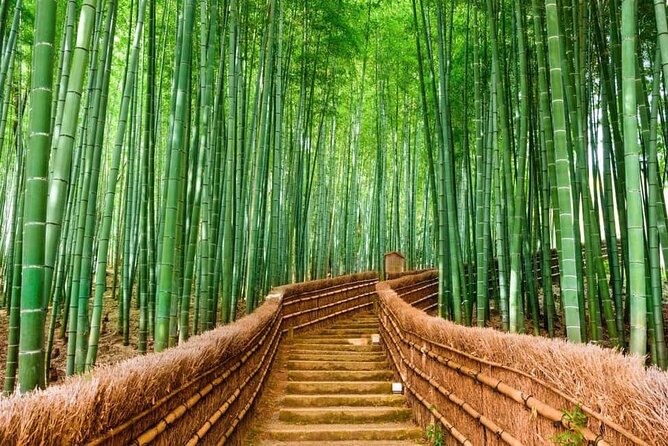
- Arashiyama Bamboo Grove gives you a calm reset before the temple circuit
- Kinkaku-ji and Kiyomizu-dera are iconic, and ticket options can apply depending on what you choose
- Gion Corner plus Nishiki Market adds culture and food without turning the day into a scramble
Kyoto in One Day, Without the Chaos
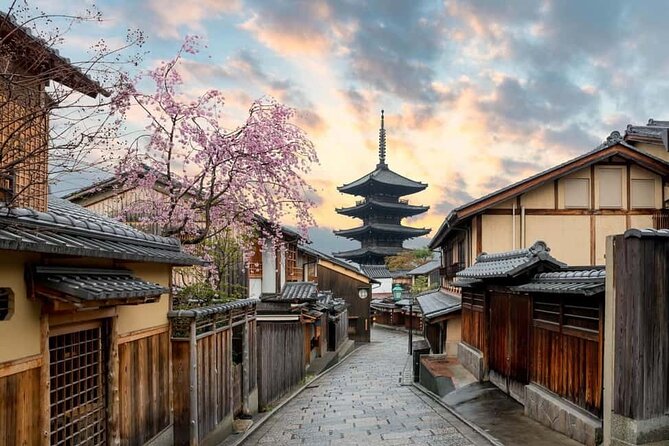
Kyoto is beautiful, but it’s also easy to overplan. This tour aims to solve the main problem: seeing the big sights in a single day while keeping transport smooth and the schedule understandable. You get an all-in-one day built around classic highlights, but with enough flexibility to adjust for what matters to you most.
The biggest value here is time control. When you’re moving between neighborhoods, the cost of indecision is real—lost minutes, missed entry moments, and the mental load of figuring out transit. With private transportation and a guide coordinating stops, you can focus on the sights instead of the logistics.
Also, you’re not just getting “temples as checkboxes.” The route mixes sacred spaces, iconic architecture, and a cultural stop (Gion Corner), then finishes in a food-and-souvenir zone (Nishiki Market). That blend tends to land well for first-time Kyoto visitors.
You can also read our reviews of more private tours in Osaka

Private Car vs Bus: What You Gain for Your Money
The price is set per group (up to 6), and the tour runs about eight hours. That matters because you’re not paying per person the way many day tours do. If you’re traveling as a small family, a couple of friends, or a mixed group, private transport can start to look like smart math.
Here’s what you feel during the day:
- Less friction leaving each area
- Less time standing around figuring out where to meet
- More ability to adjust the pace if one stop runs long
The tour also includes bottled water, which sounds small until you’re walking temple steps under Kyoto heat. And you’ll have a mobile ticket, which typically makes day-of entry handling easier (you’re not hunting for paper on a packed schedule).
Fushimi Inari-taisha: Start Where Kyoto Feels Like a Story
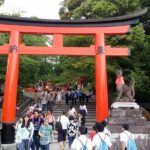
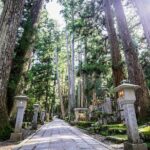
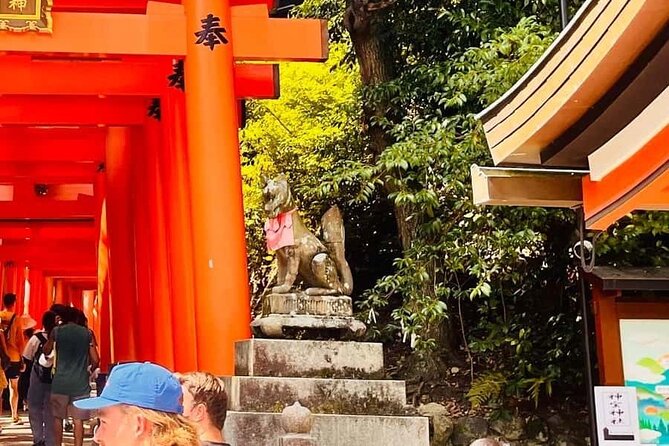
Fushimi Inari-taisha is the kind of place that looks simple in photos and feels different in person. Thousands of red torii gates form corridors through a forested trail, so you naturally slow down. The main question for your day is timing. This itinerary schedules Fushimi Inari-taisha first, which is smart because you get early access to the atmosphere before the later crowds roll in.
What I’d plan for here:
- Expect walking. The “one photo” mindset can cut your time, but the gates reward going a bit deeper.
- Bring comfortable shoes. You’ll be on pathways for a while.
Admission is listed as free for this stop in the itinerary details. Still, you should keep some extra time in your head for getting oriented, taking breaks, and stopping for the views along the route.
Arashiyama Bamboo Grove: The Quiet Reset

After gates and crowds, Arashiyama Bamboo Grove is a breather. Towering bamboo shoots create a calm mood, and the light filtering through the leaves makes the whole place feel softer than the rest of the day.
This stop is scheduled for about an hour. That length is just about right if you want the signature “bamboo tunnel” experience without racing through it. You’ll likely find it easier to enjoy with the guide handling navigation—Arashiyama can be straightforward, but it’s also one more area where “where do we go next?” can steal time.
Admission is listed as free in the itinerary. The bigger trick is attention: this is one of those places where slowing down a notch improves everything—sound, light, even your photos.
Kinkaku-ji and Ginkaku-ji: Two Zen Courtyards, Two Different Vibes
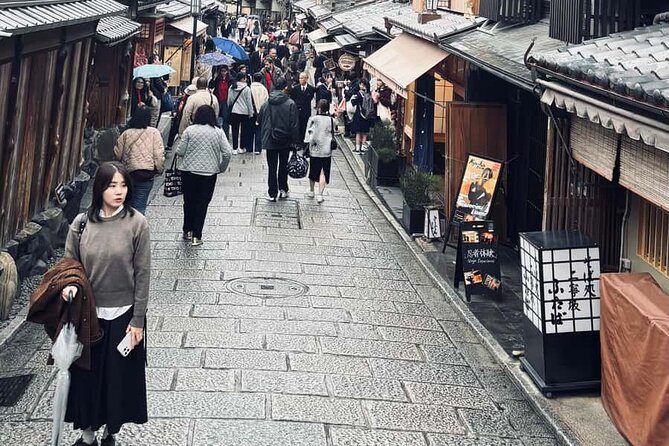
Kyoto’s temple circuit works well when the stops are close in spirit even if they’re different in design. This tour hits two of the most famous Zen temples: Kinkaku-ji and Ginkaku-ji.
You can also read our reviews of more tours and experiences in Osaka
Kinkaku-ji (Golden Pavilion)
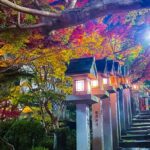
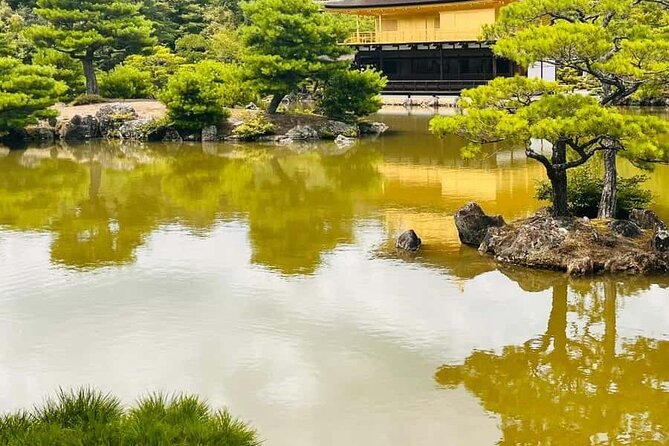
Kinkaku-ji is instantly recognizable: the shimmering gold exterior reflects in a pond nearby. The visual impact is immediate. You’ll also spend time around the pond views, because that reflection is part of why the building is famous.
One practical note: the overview mentions that entry may be ticket-based depending on the entry option you select. That doesn’t mean it’s complicated, but it does mean you should expect some form of ticket handling for at least certain sites.
Ginkaku-ji (Silver Pavilion)
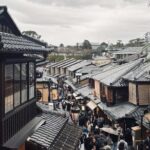
Ginkaku-ji changes the mood. Instead of the flash of gold, you get refined Zen beauty and garden views. The itinerary highlights moss gardens and a famous sand garden, which are the kind of details that reward time even when you’re moving fast elsewhere.
Both temples are scheduled for about an hour each. With limited time, it helps to go in with a plan: pick a main view you want first, then wander lightly. You’ll enjoy it more than if you try to take in everything at once.
Kiyomizu-dera: Panoramas and Hilltop Energy
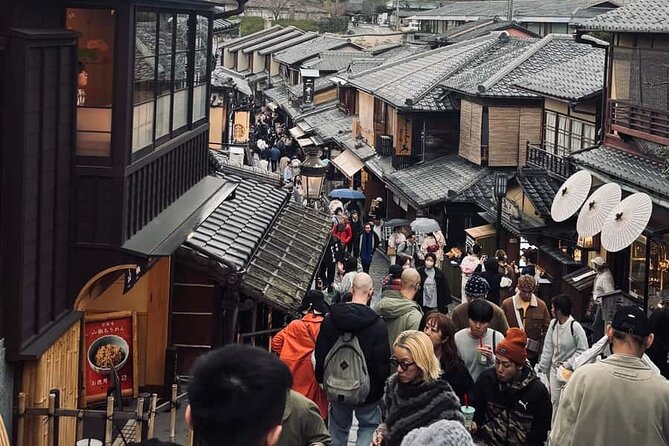
Kiyomizu-dera sits on a hillside, and the setting is part of the appeal. The itinerary schedule gives you about an hour here, and that should be enough for the main viewpoints and a walk through the surrounding area with shops.
This stop is also described as having ticket-only entry options in the overview. So again: don’t assume every part is automatically free-flow. If you care most about the best viewpoints or the main stages, it’s worth being ready for ticket-based access.
What tends to make Kiyomizu-dera memorable is the combination of views and atmosphere. From the higher areas you can see more of Kyoto’s layout. Down the hill, you get the lively texture of streets that feel made for browsing.
My practical advice: pick one direction to explore first, then let the rest fill in. Otherwise you can zigzag and lose time right when you want to savor the views.
Sanjusangendo: 1,001 Statues That Change the Room
Sanjusangendo Temple is scheduled next on the itinerary, and it’s a powerful contrast to the pavilion temples. The hallmark here is the awe-inspiring sight of 1,001 golden statues of Kannon in Japan’s longest wooden hall.
This isn’t the kind of place where you’ll “see it and move on” quickly. Even if you’re only there for an hour, the interior focus keeps you in place. It’s also the sort of stop that benefits from a guide explanation, because the meaning behind what you’re seeing can make the whole experience click.
Admission is listed as free in the itinerary details. If you want a calmer, more contained moment during an otherwise high-energy day, this is the stop that usually delivers it.
Gion Corner and Nishiki Market: Culture With a Safety Valve
Kyoto days can go two ways: either you keep stacking holy sites until you’re tired, or you add something that lets you reset your brain. This itinerary includes both.
Gion Corner
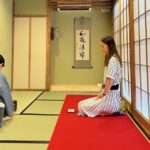
Gion Corner is a cultural performance stop. The overview describes traditional dance, tea ceremony demonstrations, and other performances. It’s scheduled for about an hour. That length is useful because it gives structure when you might otherwise be tempted to wander and lose the thread.
Even if you don’t plan to understand every detail of the performances, you’ll still get the idea of Kyoto’s traditional arts. And being indoors also helps if you hit a hot or rainy period.
Nishiki Market Shopping District
After Gion Corner, you shift into food-and-souvenir mode at Nishiki Market. The itinerary notes it as Kyoto’s kitchen: street food tastes, local specialties, and unique souvenirs.
Food itself isn’t included on the tour. That’s normal, and honestly it’s a good thing. Nishiki Market works best when you pick what you want in the moment, not when you’re stuck with a pre-set meal.
My advice: treat Nishiki Market like a sampler. Don’t try to eat everything. Choose a few things, pause for water, then shop. This is where you can trade your “I should buy something” stress for an actual plan.
The Guide Makes It Feel Smooth (Mani, Talha, Ali)
A tour like this lives or dies on the human layer. The guide isn’t just background commentary. They help you get where you’re going and understand what you’re seeing.
Names you may encounter include Mani, who’s highlighted for customizing the tour to match preferences. Talha and Ali are also mentioned as punctual and experienced, and the kind of people who make a one-day plan feel possible. One of the best practical benefits of having a guide is that they can suggest a nice restaurant and help you avoid the common trap: walking into a place that looks good but is the wrong vibe or wrong wait time for your schedule.
Also, the tour is designed with guide language in mind—Spanish, Hindi, Urdu, and English. That matters because temple architecture and cultural context can be hard to interpret with only signage. When you understand what you’re looking at, you enjoy the time more.
Entry, Tickets, and What to Expect Day-of
The itinerary lists some stops as admission ticket free, but the overview also mentions ticket-only entry options for certain landmarks. In practice, that usually means:
- Some areas can be viewed without paying
- Other parts (key viewpoints or inner areas) may require tickets depending on what’s chosen
This is why the guide is important. They can steer you toward the best option for your interests and keep you from wasting time trying to figure out what needs payment and what doesn’t.
Plan to spend your time well, not fight entry rules. If you care a lot about a specific viewpoint, set that as a priority so the day’s limited hours don’t shrink your best moment.
Price and Value for a Group Up to 6
The price is $553.80 per group for up to six people. On paper, that can sound steep if you’re thinking per person without doing the math. But with private car transport and an included bilingual guide, it becomes much more reasonable—especially if you’re traveling with family or a small group.
Here’s the value equation I’d use:
- You’re paying to save time and reduce stress across multiple neighborhoods
- You get help with timing, navigation, and interpretation
- You don’t have to coordinate transit transfers all day
You’ll also have bottled water included, plus a mobile ticket and pickup offered. Food isn’t included, so you’ll budget for snacks and meals based on what you like—especially at Nishiki Market.
If you’re traveling solo or as a couple with no other people to split the group cost, you might compare against other options. But if you’re even three to four people, this format often feels like the cleanest way to see Kyoto in one day.
Who This One-Day Kyoto Tour Is Best For
This tour fits best if you:
- Are short on time and want the main Kyoto highlights in a single day
- Prefer private transportation and a guide to handle the movement between stops
- Want a balance of temples plus culture plus shopping
It’s also a strong pick for first-time visitors to Kyoto. The route naturally covers different sides of the city: the famous shrine corridor, bamboo serenity, Zen architecture, and traditional performance. Then you end with market browsing, which makes the day feel complete.
If you’re the type who wants to linger for hours per stop, you may feel the schedule is tight. But if you’re happy with about an hour in most major areas, the pacing makes sense.
Should You Book This Kyoto Private Car Tour?
I think this is a good booking if you want a “see the highlights and keep moving” Kyoto day with real support. The standout strengths are the private setup, the guide help with timing and explanations, and the smart mix of stops—from torii gates to bamboo to temples to culture and shopping.
Book it if:
- You’re traveling as a group and can split the cost
- You want a smooth day without transit headaches
- You’d rather enjoy the sights than manage the route
Skip it if:
- You want a slower, lighter pace with lots of free time
- You plan to spend long hours inside fewer sites
Overall, this tour is built for efficiency with enough flexibility to keep it from feeling like a factory line. If that’s your style, it’s one of the easier ways to make Kyoto happen in a single day.
FAQ
How long is the Kyoto customized private car tour?
It runs about 8 hours.
How many people can be in the group?
The tour is priced per group and can accommodate up to 6 people.
Is pickup included?
Pickup is offered, and transportation from the meeting point is included.
What languages does the guide speak?
The guide is bilingual and supports Spanish, Hindi, Urdu, and English.
What attractions are included in the day?
The scheduled stops include Fushimi Inari-taisha, Arashiyama Bamboo Grove, Kinkaku-ji, Kiyomizu-dera, Ginkaku-ji, Sanjusangendo, Gion Corner, and Nishiki Market.
Are tickets included for temples and attractions?
The itinerary lists admission as free for each stop, but the overview also notes entry options based on ticket purchase for certain landmarks. You may need ticket-based entry depending on the site and option you choose.
Is food included?
No. Food and drinks are not included.
What’s included besides the tour guide and transport?
Bottled water is included, along with flexible plans based on client preferences and a mobile ticket.
What is the cancellation policy?
You can cancel for a full refund up to 24 hours in advance of the experience start time. If you cancel less than 24 hours before, the amount paid is not refunded.