REVIEW · OSAKA
Osaka’s Best and Brightest: Private Full-Day Tour by Vehicle
Book on Viator →Operated by Pinpoint Traveler, Inc · Bookable on Viator
Osaka in one day can feel like a sprint. This private full-day tour keeps it sane: a fluent English guide (who also drives) lines up major stops, handles directions, and shares stories so you can focus on seeing. I like the hotel-area pickup option and the way the day is planned to reduce stress and avoid that constantly-figuring-it-out vibe.
The biggest thing to weigh is cost. At $600 per group (up to 6), it’s value-rich if you want a smooth, low-hassle day, but it’s not for budget minimalists. Also, while the schedule can flex, the tour is built as a structured highlights day, not a blank-check shopping spree.
In This Review
- Key highlights at a glance
- A private-vehicle Osaka day that actually feels doable
- What the $600 buys you: vehicle, guide, and included admissions
- Osaka Castle: iconic views plus the right tempo
- Shitennoji: the oldest temple vibe without over-staying
- Shinsekai: odd Osaka fun between history stops
- Tennoji and Abeno Harukas: lunch + a serious skyline payoff
- Kuromon Market: snack mode with a guided plan
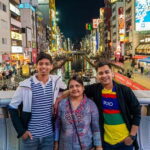
- Dotonbori: lights, icons, and back-street detours
- Guides who turn a route into a real story
- How flexible is the plan, really
- Walking, comfort, and what moderate fitness means
- Pickup and timing: why starting near JR Loop Line helps
- When this tour is a perfect match
- When you might want to choose differently
- Should you book Osaka’s Best and Brightest?
- FAQ
- How many people are in a group?
- Is hotel pickup included?
- What language is the guide?
- How long is the tour?
- Are admission tickets included?
- Are food and drinks included?
- Can we choose how much walking we do?
- Does the tour always follow the exact itinerary order?
- Are there child seat requirements?
- Can I cancel for a full refund?
Key highlights at a glance
- Private vehicle, not public transit: you spend less time commuting and more time walking.
- Guide handles navigation: you avoid the get-lost problem in dense neighborhoods.
- Big names plus local flavor: Osaka Castle, Shitennoji, Shinsekai, Harukas, Kuromon Market, and Dotonbori.
- Free admissions included: Osaka Castle grounds, Shitennoji, and more are covered.
- Pacing that leaves room: many guide styles emphasize relaxed timing and flexibility for tired legs.
- Real Osaka energy for the finale: Dotonbori’s famous signs plus back-street scenes.
A private-vehicle Osaka day that actually feels doable
If you want the best and brightest parts of Osaka, a private tour makes a surprising difference: you cut the mental overhead. Instead of decoding trains, transfers, station exits, and walking routes, you get picked up and chauffeured between areas. The result is simple. You arrive with energy, not with that drained, sweaty 2-hour commute feeling.
This tour is built around the idea of saving time while still giving you proper sightseeing moments. It runs about 7 hours 30 minutes, and the plan is designed so you hit several top neighborhoods in one day without everyone melting into one long line of crowd-photo frustration. A fluent English guide helps you connect dots as you go, so stops feel more like a story than a checklist.
You can also read our reviews of more private tours in Osaka
What the $600 buys you: vehicle, guide, and included admissions
$600 per group (up to 6) is not cheap on its face. The math starts looking better when you break it down into what private time costs in Japan.
Here’s what you’re paying for, in practical terms:
- A private vehicle and all related fees
- A professional, fluent English-speaking guide who also drives
- All admission fees for the planned sites
Then add the hidden value. When a guide is navigating and translating, your day stays efficient. That’s especially important if you only have one day in Osaka, or if you want to see the major highlights without relying on your phone’s battery and your own spatial memory.
Food is on you. Your lunch and drinks are not included, which is typical. But one of the most praised parts of this experience is that guides often steer you toward a solid local lunch spot in the Tennoji area, with options that fit what you’re into.
Osaka Castle: iconic views plus the right tempo
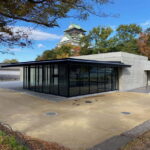
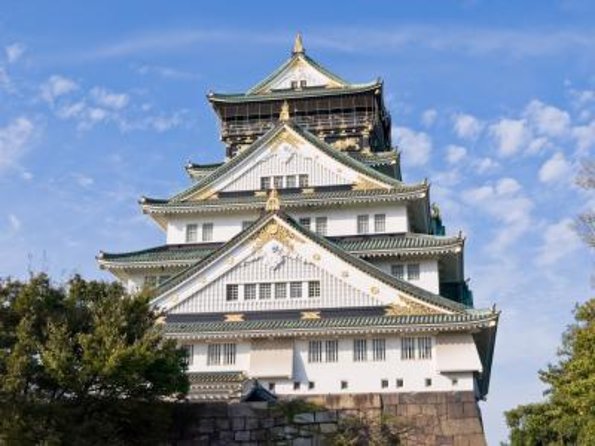
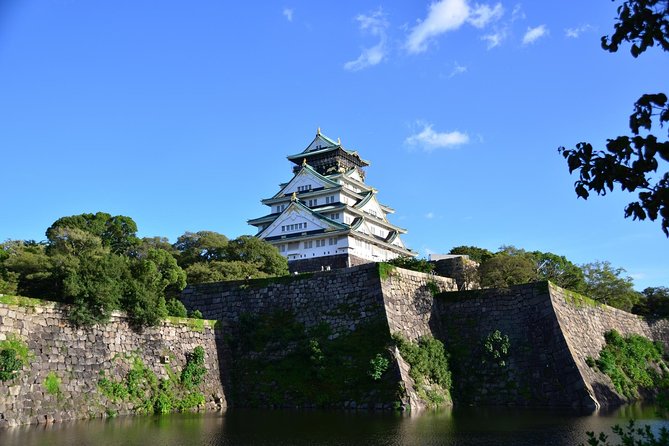
Osaka Castle is the obvious first stop for a reason. It’s the city’s most recognizable landmark, and the grounds are a big “anchor” for understanding Osaka’s past. You’ll explore the castle grounds with your guide, and the tour includes admission coverage for the castle visit (listed as free).
The real win here is the pacing. Many guides on this kind of day know when people start to fade. One group specifically noted their guide adapted after the castle to accommodate tired legs, and that kind of flexibility matters more than you’d think. It’s the difference between walking out of the castle with enthusiasm versus limping into the next neighborhood.
What to consider: you’ll still want comfortable shoes. Even when the pace is relaxed, you’re walking a lot through several distinct areas across the day.
Shitennoji: the oldest temple vibe without over-staying
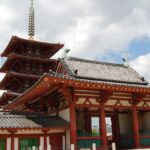
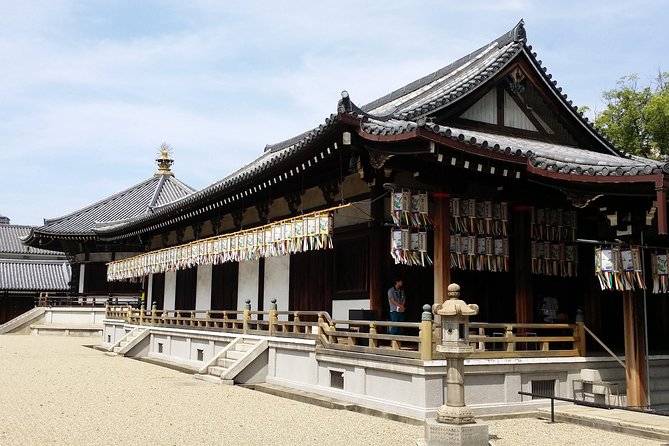
Next up is Shitennoji, often described as Japan’s oldest Buddhist temple. This stop is included with free admission, and it’s set up as a slower, calmer break from city motion. Think strolling the temple grounds, taking in the atmosphere, and letting your guide explain what you’re seeing in a way that doesn’t turn into a lecture.
This stop also works well for mixed group energy. If someone in your group wants history but not a marathon, Shitennoji is the type of place where you can absorb a lot just by walking and listening.
Timing is about 45 minutes. That’s usually enough to appreciate the setting and get key background without feeling stuck.
Shinsekai: odd Osaka fun between history stops
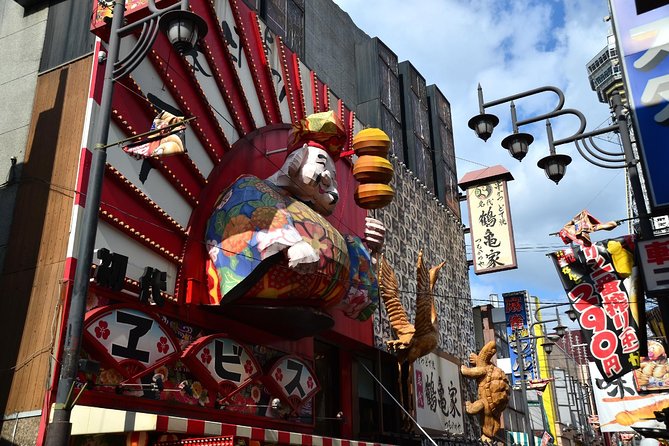
After a major landmark and a major temple, Shinsekai brings a different kind of Osaka. This is the neighborhood known for its playful, slightly surreal energy, with games, food, and a fashion vibe that can feel delightfully unusual. It’s a short stop (around 30 minutes), and that’s perfect here. You get to experience the mood and atmosphere without turning it into a long sit-down.
If you’ve only seen Osaka from the usual tourist paths, Shinsekai helps widen the picture. One of the most consistent themes from guide praise is that they don’t just point at famous stuff. They help you see why locals care about certain areas, and Shinsekai is a good example of that.
You can also read our reviews of more tours and experiences in Osaka
Tennoji and Abeno Harukas: lunch + a serious skyline payoff
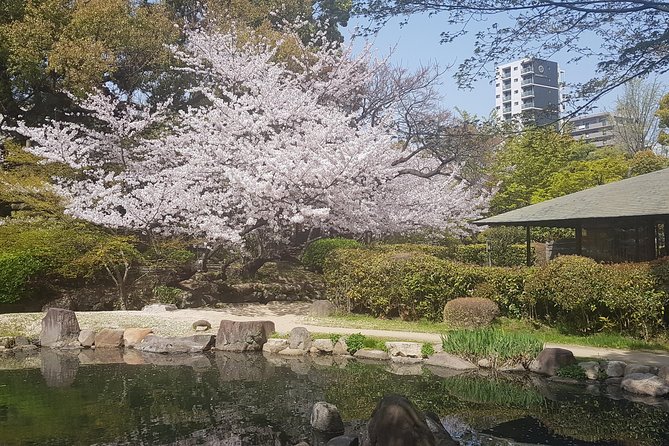
Your midday block centers on Abeno Harukas in the Tennoji area. The plan builds in lunch to your liking, with the idea that your guide keeps it practical and convenient for your day. Lunch is not included in the price, but the guide’s help finding a good fit can save you time and decision stress.
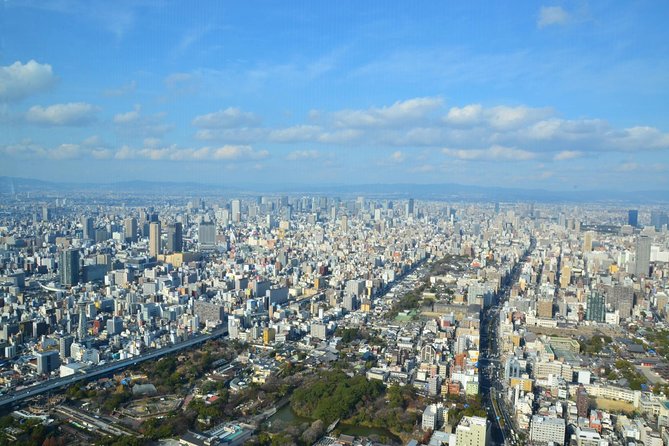
Then comes the big visual payoff: a trip up Harukas. The building is described as the tallest non-tower building in Japan at 300 meters. That height matters because it changes how you understand the sprawl of Osaka. From above, the neighborhoods stop looking random and start looking connected.
Total time at this stage is about 1 hour 40 minutes, which gives you enough breathing room to eat, regroup, and still get a meaningful view.
Kuromon Market: snack mode with a guided plan
Next is Kuromon Market, which is basically Osaka’s “people watching plus food temptations” zone. The tour allocates about 25 minutes, and that short slot is the point. Kuromon is fun, but it can swallow time fast.
With limited time, a guided push helps. You can sample what looks good, keep moving, and still arrive at Dotonbori without your day derailing.
One consideration: Kuromon is crowded. If your group hates density, you might want to go with a light, flexible mindset. Treat it as an inspiration stop. Even if you don’t buy much, it helps you learn what Osaka’s street-food world feels like.
Dotonbori: lights, icons, and back-street detours
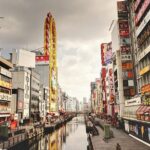
Finally, you roll into Dotombori (Dotonbori), one of Osaka’s most famous entertainment districts. This is where you’ll see the well-known Running Man sign and also some quieter nearby streets, including a kitchenware-focused area and other sights based on your interests.
You’ll have about 1 hour here, and the tour description specifically mentions flexibility. That’s important because Dotonbori can be a “do you want food, photos, or both” kind of place. A good guide can also shift you away from the densest crush without skipping the best visual moments.
What I like about this as a finish: it’s the kind of scene that makes your photos look like Osaka. After castles and temples, Dotonbori feels like the city exhaling.
Guides who turn a route into a real story
A private tour stands or falls on the guide. On this experience, the pattern of praise is very clear: guides are friendly, communicative, and good at mixing history with everyday Osaka context.
Names that come up in the experience include Thomas, Hugo, Kevin, Ferdinand, Levy, and Angelito (Lito). Beyond the names, what matters is the style described:
- Guides explain what you’re looking at in clear English
- They blend history with human stories and cultural comparisons
- They answer questions as they arise
- They adapt the schedule when the group needs it
One group highlighted how their guide became a friend in the best way: relaxed conversation, good pacing, and meaningful stops. Another group called out flexibility with a late request for Dotonbori adjustments, which is exactly when a private guide is worth the price.
How flexible is the plan, really
This tour is built as a model course, and it says timing can change due to traffic and other external factors. It also says the itinerary can shift based on your interests, and the guide can adjust walking as you like.
In practice, that means you should come with a short list of must-sees and a general vibe (history-heavy, food-heavy, photos-heavy, slower pace). If you tell your guide your priorities early, you’re more likely to get the day you imagine.
One caution from a less positive experience: if you have a very specific food target (like a particular udon request), you’ll get the best results by communicating that clearly up front. Also keep Osaka reality in mind. This city has its own noodle preferences, and the guide’s choices may reflect what’s local and best in the moment, not necessarily what you dreamed of at home.
Walking, comfort, and what moderate fitness means
The tour states a moderate physical fitness level is appropriate, and that walking amount can vary. That’s accurate for a day combining multiple neighborhoods and landmark areas.
Most likely, you’re doing:
- Castle grounds strolling
- Temple walking
- Neighborhood exploration in Shinsekai
- A skyline visit where you’ll walk in and around facilities
- Market browsing movement
- Dotonbori walking and photos
If you need frequent pauses, the guide can often manage the pace. But you’ll still want comfortable shoes and a light layer for changing weather.
Pickup and timing: why starting near JR Loop Line helps
Pickup is offered, but it’s not a blanket promise for everywhere. It’s listed as within or along the JR Loop Line, with an additional fee for pickup outside central Osaka.
Why this matters: if you’re staying near convenient transit corridors, your morning will feel easy. If you’re far out, you might spend time and money on the transfer plan before the tour even starts.
Also note the tour duration is approximate, and timing can shift with traffic. That’s normal for private-vehicle days. The upside is that you’re not fighting trains, so changes are usually manageable.
When this tour is a perfect match
This is a strong fit if:
- You have limited time and want a high-impact day
- You prefer one-on-one guidance over DIY navigation
- You want iconic Osaka plus neighborhoods that feel more local
- You’d rather relax in a car than plan transfers
- You want a guide who answers questions and keeps the day flowing
It’s also ideal for families with mixed interests. The tour includes temples, markets, and lively districts, so different ages can find something.
When you might want to choose differently
This isn’t the best fit if:
- You’re trying to build a very custom itinerary from scratch, hour by hour
- You have extremely specific food requests and no flexibility on what the guide recommends
- You’re the type who loves planning your own routes and chasing niche stops without structure
In other words, it’s a highlights tour with smart personalization, not a free-form taxi with commentary.
Should you book Osaka’s Best and Brightest?
If your goal is to see Osaka’s major sights in one satisfying day without the stress tax, I’d seriously consider booking this tour. The biggest selling points are practical: private car efficiency, navigation handled for you, and admissions + guide time bundled.
It’s also a good value style of $600: you’re not paying for a checklist, you’re paying for a smooth day and a guide who can steer you through the city’s rhythms. The high praise for guides adapting the pace, finding great lunch spots, and making the day feel personal is exactly what you want when your time is limited.
Just go in prepared. Share what matters to you (photos, food, history, slower pace), wear good walking shoes, and keep a little flexibility in your head. Do that, and this turns into a very easy way to understand Osaka fast.
FAQ
How many people are in a group?
It’s a private tour, and the price is for a group up to 6.
Is hotel pickup included?
Pickup is offered, but it’s within or along the JR Loop Line. Pickup outside central Osaka can involve an additional fee.
What language is the guide?
The guide is fluent in English and translates for you.
How long is the tour?
It runs about 7 hours 30 minutes.
Are admission tickets included?
Yes. Admission fees for the listed stops are included.
Are food and drinks included?
No. Food and drinks are not included in the tour price.
Can we choose how much walking we do?
Yes. The tour notes that walking can be adjusted based on what you want, and it’s appropriate for moderate physical fitness.
Does the tour always follow the exact itinerary order?
The plan is described as a model course. Changes can happen based on your interests and timing, including traffic conditions.
Are there child seat requirements?
Yes. Japanese law requires children under 6 years old or under 140cm to use a car seat. A car seat can be requested in advance, and it is payable on the day of the tour for 1,000 yen.
Can I cancel for a full refund?
You can cancel for a full refund if you cancel at least 24 hours before the experience start time. Cancellation changes made within 24 hours aren’t refundable.