REVIEW · OSAKA
Osaka : 3/4/5 Hours Private Tour With Local Guide
Book on GetYourGuide →Operated by Osaka local · Bookable on GetYourGuide
Osaka clicks faster with a local guide. I love the hotel pickup and how guides like Hugo (and also Arnaud and Francois in other bookings) get you moving with confidence from the start. It’s an efficient way to see the big-name sights and still pick up the day-to-day context that makes the city feel lived-in.
I also like the smart mix of stops: Osaka Castle Park, Shinsekai, Den Den Town, Kuromon Ichiba Market, and the Dotonbori area, with the final walk tying into Amemura/Sankaku Park vibes. One drawback to plan for: this is a walking-heavy tour, and tickets plus food and drinks are not included, so you’ll want a little flexibility (and comfy shoes).
In This Review
- Key highlights that make this tour work
- A private Osaka day that starts at your hotel
- Osaka Castle Park: what you actually see (and why it’s worth it)
- Shinsekai: working-class Osaka, plus snack choices that feel local
- Den Den Town: where electronics meets games, anime, and secondhand browsing
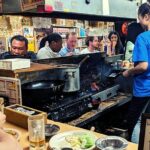
- Kuromon Ichiba Market: seafood street food decisions, made easier
- Dotonbori and the Running Man: iconic Osaka, handled without the chaos
- Triangle Park (Sankaku Park) and the Amemura mood shift
- How the route feels in real time (3 to 5 hours)
- Price: what you’re paying for beyond the itinerary
- Practical considerations before you go
- Who this private Osaka tour is best for
- Should you book it?
- FAQ
- How long is the Osaka private tour?
- Is pickup included?
- Is this tour private?
- What languages are available for the live guide?
- Is the tour wheelchair accessible?
- What major places are included in the walking route?
- Are attraction tickets included?
- Are food and drinks included?
- Is transportation included in the price?
- Can the tour be personalized?
- Is it refundable if plans change?
Key highlights that make this tour work
- Hotel pickup in the designated Osaka zone cuts the friction on your first hours in town.
- Big landmarks plus neighborhoods means you get history AND how people actually eat, shop, and hang out.
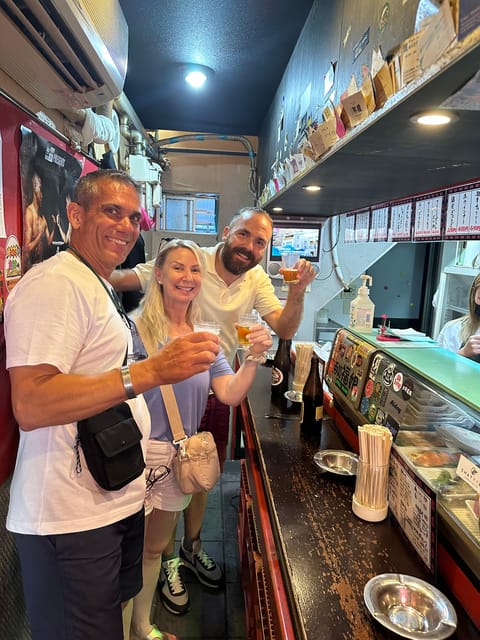
- Optional food tasting is a nice way to sample local flavors without forcing a full meal.
- Den Den Town time hits the stuff you’d miss alone: old video games, anime/figurines, and secondhand browsing.
- Kuromon Ichiba Market stop is built for quick, practical seafood street-food decisions.
- Photo-ready Dotonbori moments help you see the entertainment district without turning it into a self-guided scramble.
A private Osaka day that starts at your hotel
This tour is designed for people who land in Osaka and immediately wonder: Where do I go first, and how do I not waste time? The answer is simple—your guide meets you at your hotel (within the pickup zone), then you’re off. No hunting for meeting points, no guessing which platform is right, and no awkward first attempts at reading transit signs while you’re still jet-lagged.
Because it’s private, the guide can respond to your pace. If you want more walking, you’ll get more walking. If you prefer shorter stops for photos and explanations, you’ll still cover the highlights. That flexibility matters in Osaka, where some areas reward slowing down and others work best when you move briskly.
Also, the guide doesn’t just point. They explain. In practice, that means you understand what you’re looking at, why it matters, and what to notice next—so the day feels like it adds up instead of being a checklist.
You can also read our reviews of more guided tours in Osaka

Osaka Castle Park: what you actually see (and why it’s worth it)
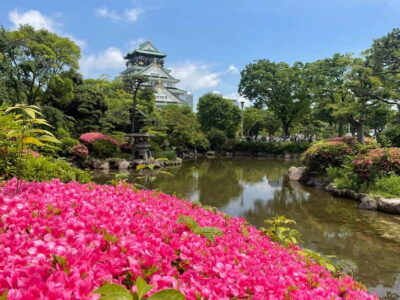
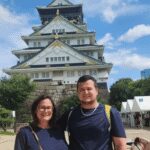
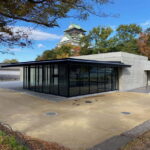
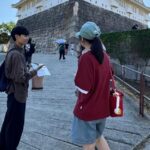
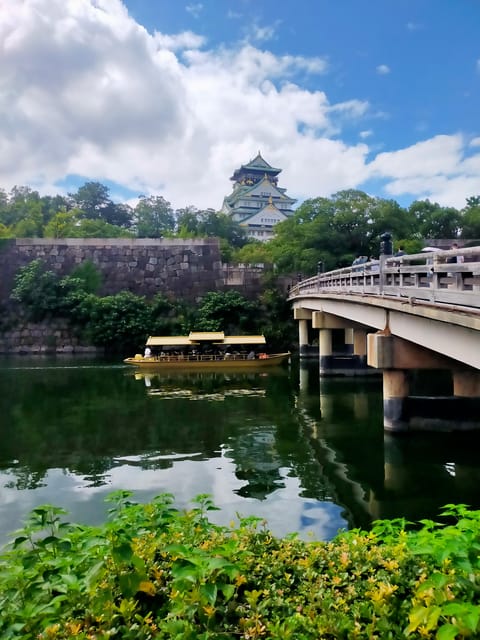
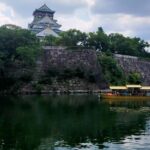
Osaka Castle is the headline, but the tour experience is about the setting around it. You’ll spend time in the castle park area, walking with a guide and learning the story behind the site while you’re physically there. That’s a key difference between reading about the castle later and understanding the place in context.
The walk through the park also helps with stamina management. You’re not jumping straight into a long museum sprint. Instead, you ease into the day with one major landmark and an environment that’s easy to appreciate even if you’re not a dedicated history buff.
Practical note: tickets to attractions are not included. If there’s a specific castle ticket or extra admission area you want, check before your day begins so you can plan time and cost.
Shinsekai: working-class Osaka, plus snack choices that feel local
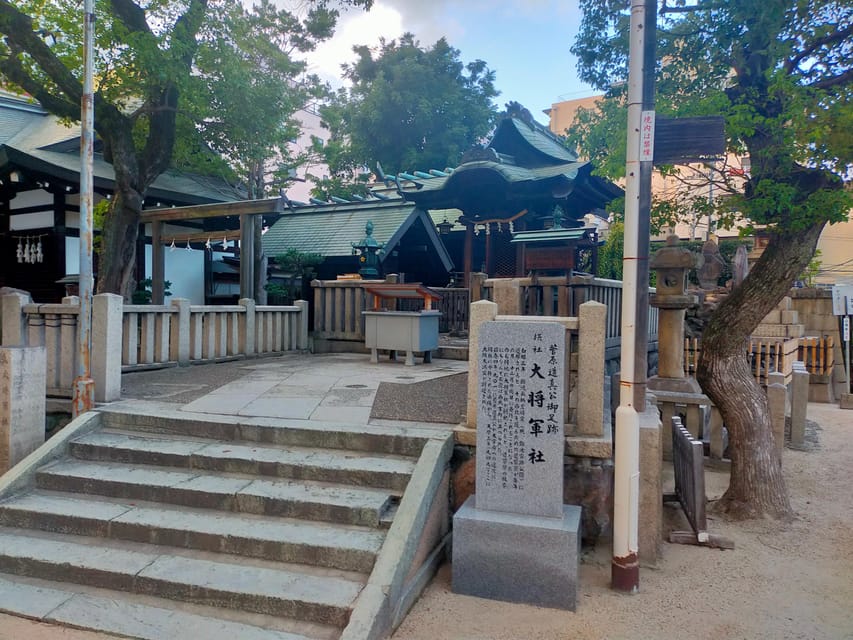
Next comes Shinsekai, a district with a strong sense of past and present at the same time—architecture and atmosphere that aren’t just for tourists. This is the part of the tour that often gets the most reaction from first-time visitors because it looks and feels different from the glossy postcard Osaka people expect.
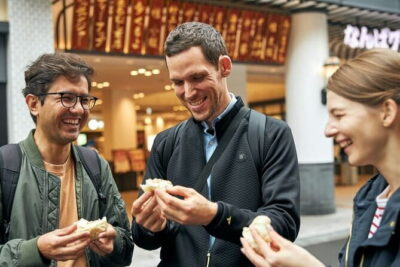
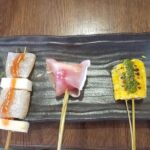
You’ll get guided time here, including a walking segment and a short window where local snacks and food tasting can happen if you want. That optionality is useful. You can sample something small and move on, or skip it if you already ate, want to eat later, or have dietary limits.
One value here is decision-making help. Street-food situations in Japan can be wonderfully straightforward, but menus can be intimidating. A guide can steer you toward things that fit what you’re curious about without turning the stop into a stressful guess-and-pray session.
Den Den Town: where electronics meets games, anime, and secondhand browsing
Then you shift gears to Nipponbashi Denden Town, the electronic-and-pop-culture strip many people miss unless they already know to look for it. The fun isn’t only in what you see—it’s in how the guide frames it so you understand the vibe.
You’ll walk through the area with a guide and have time to spot:
- old video games and retro memorabilia
- anime and figurines
- electronics shops
- secondhand options where browsing can be half the entertainment
This is one of those stops where being with someone local changes the experience. Left on your own, you might wander randomly and miss the types of shops you’d only recognize with a bit of guidance. With a guide, you can focus faster and spend your money more confidently if you’re buying.
Also, it’s a good break from the big-sight rhythm. If you’ve been sightseeing too hard, Den Den Town gives your brain something playful to latch onto.
Kuromon Ichiba Market: seafood street food decisions, made easier
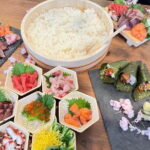
After the retro and collectibles, it’s back to food—Kuromon Ichiba Market—a street-food market known for seafood. The tour gives you guided time to look around and then make practical choices for what to eat next.
This is where I like having a guide the most. Food markets can be sensory overload. You can stand there for ages trying to translate menus, spot what looks fresh, and figure out what’s worth your yen. With guided context, you can move with intent.
Keep your expectations realistic: food and drinks are not included. You’re not on an all-you-can-eat program. Instead, the tour helps you sample efficiently, including atypical options you might not think to try on your own.
You can also read our reviews of more private tours in Osaka

Dotonbori and the Running Man: iconic Osaka, handled without the chaos
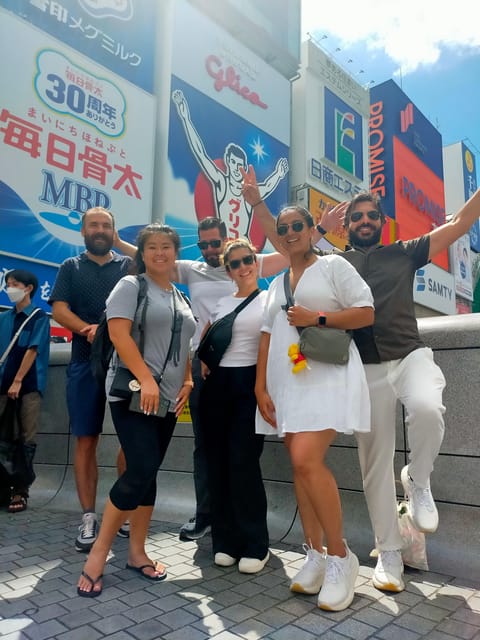
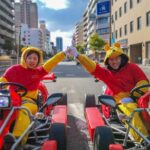
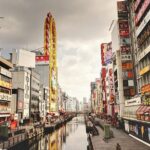
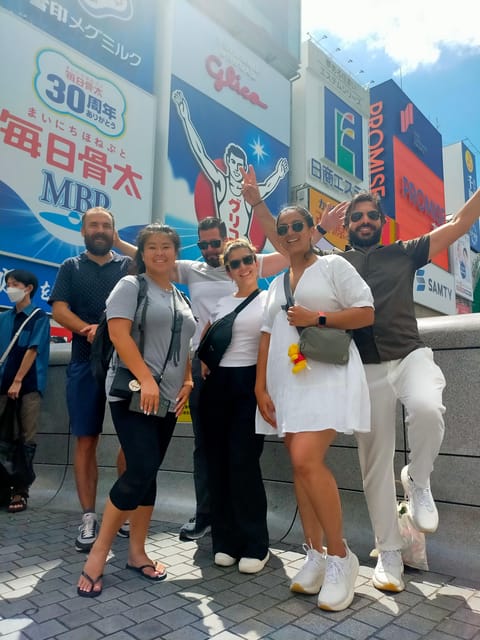
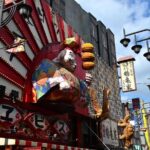
You’ll head to Dotonbori, home to the famous Running Man area in the entertainment district. This is the part where Osaka becomes visually loud—signs, lights, and street energy. The guide’s role is to help you see what matters without getting stuck in photo bottlenecks.
You’ll have time for a photo stop and guided walking. That’s important because the area can be tricky to navigate if you’re trying to self-manage. A guide helps you angle the day so you get the right viewpoints without spending your whole time just figuring out where you are.
If you enjoy a classic Osaka night vibe but want it grounded in context (instead of just neon wandering), Dotonbori hits the sweet spot.
Triangle Park (Sankaku Park) and the Amemura mood shift
Finally, the tour ends with time around Triangle Park (Sankaku Park), which pairs with the Amemura/American Village feel. This is where the day closes in a more youth-oriented, trendy neighborhood energy—less monumental, more street-level.
It’s a good closing move because it lets you end on something casual. By this point you’ve already seen the big landmark and the distinct districts; now you’re finishing with atmosphere that’s about shopping streets, hanging out, and modern Osaka style.
If you want souvenirs or just a place to keep walking after the official tour ends, this area is a sensible last stop.
How the route feels in real time (3 to 5 hours)
The tour runs about 3 to 5 hours, depending on your chosen duration and how the guide times walking breaks and stops. In practice, this is a half-day plan, not a casual stroller loop.
You should plan for:
- repeated walking segments between neighborhoods
- a couple of transit hops (train/subway time)
- short guided stops rather than long sits-down
One recurring theme from guides like Hugo: the day can feel surprisingly quick when you’re not doing the navigation work yourself. You’re basically paying for momentum and context.
Price: what you’re paying for beyond the itinerary
At $116 per person, you’re not just buying access to Osaka landmarks. You’re buying three things that add real value:
- Hotel pickup
Starting at your hotel saves time and reduces first-day stress.
- A private guide with personalization
You’re not stuck matching your pace to strangers. If your interest shifts—history, food, shopping, photos—you can steer the day.
- Transit and navigation help
Osaka’s trains and station layouts can be intimidating at first. A guide reduces the odds of wasting time wandering inside stations.
Not included items are also important in your planning: tickets, food and drinks, and transportation aren’t part of the price. That means the tour fee covers the guiding and the structure, while you handle admissions and meals you choose.
If you’re the kind of traveler who hates wasted time (and who also wants to stop guessing), this price can feel very fair.
Practical considerations before you go
A few things I’d tell you to consider before booking:
- Wear shoes you can walk in for hours. This is a walking tour, and you’ll cover multiple districts back-to-back.
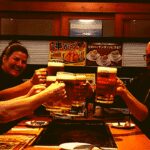
- Decide how food-forward you want the day. There’s optional tasting in Shinsekai, and food choices at Kuromon. Since food and drinks aren’t included, bring a budget mindset.
- Have a ticket plan for anything you want to enter. Tickets aren’t included, so if you want specific admissions, plan those separately.
- Bring curiosity. The tour works best when you’re open to learning how each neighborhood fits into modern Japanese life, not only where to take photos.
Who this private Osaka tour is best for
This tour is a strong match if:
- it’s your first day in Osaka and you want quick orientation
- you want major sights plus neighborhoods with character
- you prefer private pacing over group herd-style tours
- you care about practical guidance (including navigating around trains)
It’s less ideal if you want a low-walking, strictly seated museum-style day. Also, if you’re only interested in one or two big attractions and nothing else, you might feel like you’re paying for variety you won’t use.
Should you book it?
Yes, if you want a guided Osaka half-day that mixes iconic stops with district-level street life. The biggest win is how the guide helps you move efficiently while adding context you’d struggle to assemble alone—especially in areas like Den Den Town and Kuromon, where the details change what you enjoy.
If you’re the type who arrives tired and just wants the city to make sense fast, this is a smart way to do it. If you hate walking or you already have a tightly planned eating and ticket schedule you don’t want to adjust, then consider shortening the tour or booking only certain elements.
FAQ
How long is the Osaka private tour?
The duration is listed as 3 to 5 hours, depending on the starting time and the option you choose.
Is pickup included?
Yes. Your guide will pick you up at your hotel in the designated Osaka pickup zone.
Is this tour private?
Yes. It’s a private group experience.
What languages are available for the live guide?
The live guide is available in English, French, and Spanish.
Is the tour wheelchair accessible?
Yes, the tour is listed as wheelchair accessible.
What major places are included in the walking route?
The route includes Osaka Castle Park, Shinsekai, Nipponbashi Denden Town, Kuromon Ichiba Market, Dotonbori, and Triangle Park (Sankaku Park).
Are attraction tickets included?
No. Tickets to any attraction are not included.
Are food and drinks included?
No. Food and drinks are not included, though the guide can help with snack/food tasting options if you wish.
Is transportation included in the price?
No. Transportation is not included.
Can the tour be personalized?
Yes. The tour includes personalization of your experience based on what you want to focus on.
Is it refundable if plans change?
Yes. It offers free cancellation up to 24 hours in advance for a full refund.