REVIEW · OSAKA
Osaka: Izakaya Bars Guided Walking Tour
Book on GetYourGuide →Operated by Travel Japan Together · Bookable on GetYourGuide
Osaka nightlife has a way of turning first-timers into regulars. This 3-hour guided izakaya bar-hopping walk pairs cultural stops around Dotonbori with drinks, local tastings, and access to spots many visitors never find. I especially like the small group size (usually 5–10) and the fact that guides like Taiga and Seina can keep things fun without losing the context, even when karaoke happens. One thing to consider: food and drinks aren’t included in the $19 fee, so you’ll want cash and a clear budget for what you’ll drink and eat.
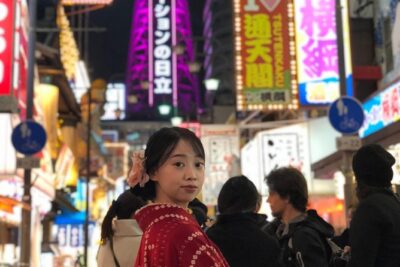
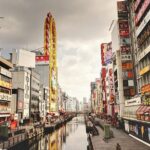
You start in the neon glow near the famous Glico area, then move through Namba and Uranamba where the bar scene feels more local than touristy. The tour’s best value is not just the alcohol; it’s the guide’s local connections and the social flow that helps you talk, order, and enjoy without second-guessing. If you don’t drink at all, or you hate walking at night, this may feel less satisfying than the Osaka day tours.
Key takeaways (before you book)
- Dotonbori to Uranamba on foot: you get a real feel for the nightlife districts.
- English live guide who keeps the group moving and informed.
- Sake, local beer, and spirits are part of the experience, with cultural explanations.
- Local access: some bars don’t accept general walk-ins.
- Small-group vibe: easier conversation with your guide and new friends.
In This Review
- Osaka Izakaya Nights: Why This Route Makes Sense on Your First Time
- Meeting at Dotombori Humanity Song Monument and Getting Oriented Fast
- Dotonbori First Stop: Temples, Alleys, and Fast Cultural Context
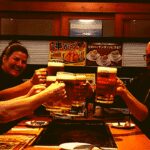
- Namba Izakaya Hopping: Drinks, Food Tasting, and Hands-On Moments
- A small note on pace and order
- Uranamba Access and the “Harder-to-Find” Bar Finale
- Small Group Benefits: Why Guides Like Taiga and Seina Change the Mood
- Price, Value, and the Real Cost of a Night Out
- What to Bring, What to Know About Alcohol, and Dietary Needs
- Who This Osaka Izakaya Tour Is Best For
- Should You Book This Osaka Izakaya Bars Guided Walking Tour?
- FAQ
- How long is the Osaka izakaya guided walking tour?
- Where do I meet for the tour?
- Is the $19 price enough for food and drinks?
- Will I need to pay during the tour?
- What should I bring to the tour?
- Does the tour accommodate dietary restrictions?
- Is this tour suitable for minors?
- Is there an English-speaking guide?
- How many people are usually in the group?
Osaka Izakaya Nights: Why This Route Makes Sense on Your First Time
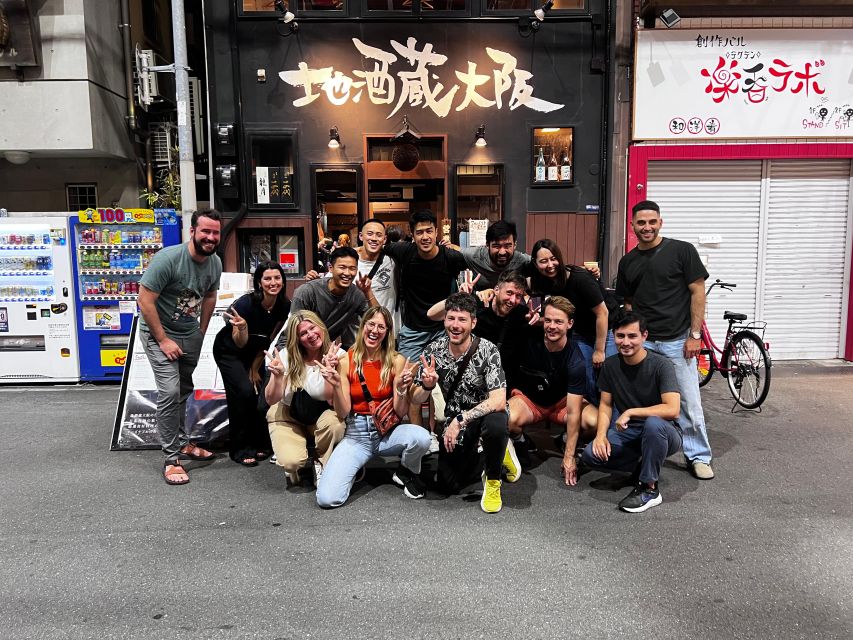
If Osaka is the city of street food and late-night hangouts, izakayas are the language. This tour is built for that exact vibe: you walk through the entertainment zones people actually use, then you sit down where locals drink after work.
What I like is how the route follows the energy of the city. You begin around Dotonbori, where the atmosphere is loud and visual, and you move toward Namba and Uranamba, where the feeling shifts to more neighborhood nightlife. That shift matters. It turns your “Osaka night out” from one long strip of lights into a sequence of different bar styles and social rhythms.
And the guide is the glue. In the hands of hosts like Kosuke, Shota, or Naoko, the night often comes with more than ordering help. You’re likely to get context on why people drink the way they do, plus tips that make you more confident after the tour ends.
Meeting at Dotombori Humanity Song Monument and Getting Oriented Fast
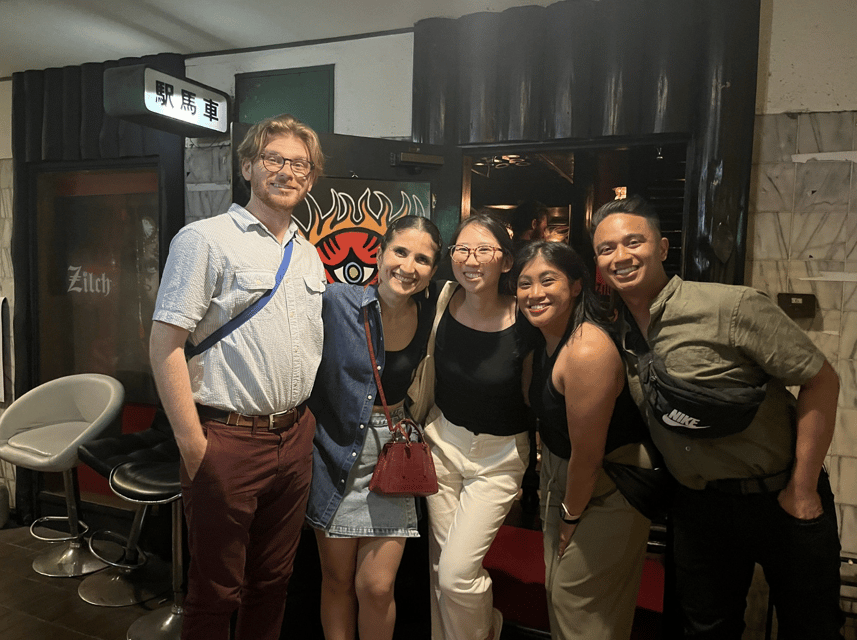
The start is simple: meet in front of the Glico sign, at the Dotombori Humanity Song Monument. That’s a smart choice. New arrivals in Osaka can feel scattered at night, and this gives you a clear visual anchor.
From there, the tour shifts quickly into movement. The first short guided walk in the Dotonbori area helps you understand what you’re looking at, rather than just wandering in the dark. Even if you’re only in town for a couple of days, this kind of kickoff helps you get your bearings fast.
Practical tip: wear comfortable shoes. This is a walking tour with nightlife timing, so you want shoes that won’t make you regret your decision by stop two.
You can also read our reviews of more walking tours in Osaka

Dotonbori First Stop: Temples, Alleys, and Fast Cultural Context
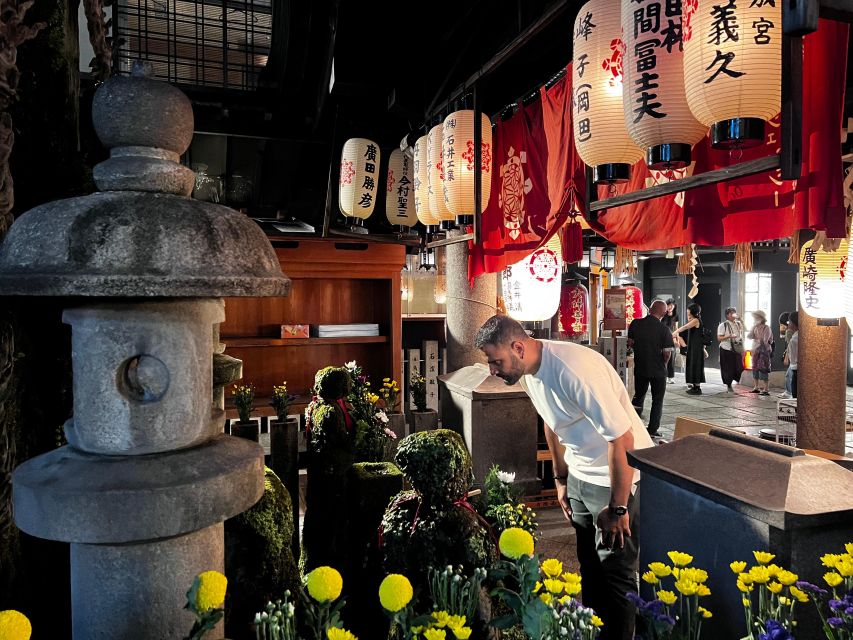
You’ll start with a guided introduction around Dotonbori—about 15 minutes—and it’s designed to give you an Osaka lens before the drinking begins. The tour includes sightseeing and mentions hidden alleys and temple-related sights, which is a key detail.
Why that matters: Dotonbori is famous for its lights and crowds, but Osaka’s street culture also has older layers. Seeing a bit of that early helps your night feel connected to place, not just party.
Also, your guide will point out small details you’d likely miss on your own: interesting storefronts, quirky characters, and the way the streets funnel you toward the kinds of places where locals linger. If you tend to get overwhelmed by nightlife districts, this early orientation is a real advantage.
Namba Izakaya Hopping: Drinks, Food Tasting, and Hands-On Moments
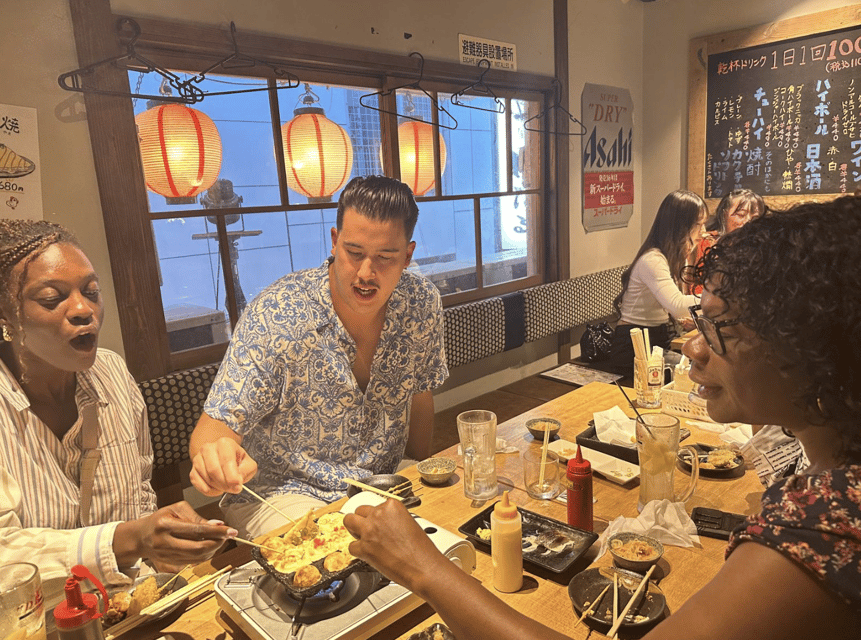
After Dotonbori, the tour focuses on Namba and its izakaya rhythm. The experience is longer here—about 2.5 hours—and it’s where the tasting energy ramps up.
Expect to try a mix that can include:
- Beer, cocktails, Japanese sake
- Local spirits
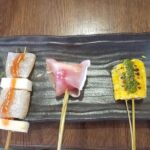
- Food tasting during the bar stops
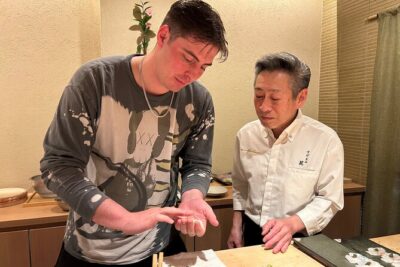
One of the most memorable parts, based on what I’ve seen people talk about, is the hands-on food angle. For example, some groups have done making takoyaki during a stop, which turns the night into more than “sit, drink, repeat.” That kind of activity helps you relax and talk, especially if you’re traveling solo.
There’s also a big education component tied to sake and drink culture. In nights led by guides like Kosuke, there’s often attention to origins and how to think about different sake styles. It’s not academic, and it’s not a lecture either. It’s the sort of explanation that helps you order with confidence instead of guessing.
If you’re a first-time sake drinker, you’ll likely appreciate the pacing. You’re in a group, you have a guide to translate what you’re tasting, and you can compare impressions without feeling pressured.
A small note on pace and order
This kind of bar hopping works best when you’re flexible. If you want a quiet, seated meal with no movement, this isn’t that. But if you want a guided way to experience Osaka’s social dining culture, the flow fits well.
Uranamba Access and the “Harder-to-Find” Bar Finale
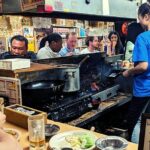
The tour doesn’t stop at the places everyone sees. It moves into Uranamba, where your guide’s local connections can lead you to bars that don’t always accept general customers.
That access is one of the biggest reasons this tour feels different from a basic pub crawl. A lot of Osaka nightlife is easy to find in daylight and on tourist maps. The challenge is walking into a narrow bar where you feel out of place. A good guide reduces that friction, and that changes the whole experience.
Then comes the finale: the night ends at a hidden bar inside a hidden building, described as unknown to tourists. The idea here is payoff. After you’ve learned the local rhythm, you’re rewarded with a more low-key setting that feels like an insider wrap-up.
One more thing the tour allows: you can extend the night if you want, potentially into the early hours. That’s great if you enjoy the after-hours energy. If you’re the type who likes a hard stop at midnight, you might still enjoy the main tour but treat the extension as optional.
You can also read our reviews of more guided tours in Osaka


Small Group Benefits: Why Guides Like Taiga and Seina Change the Mood
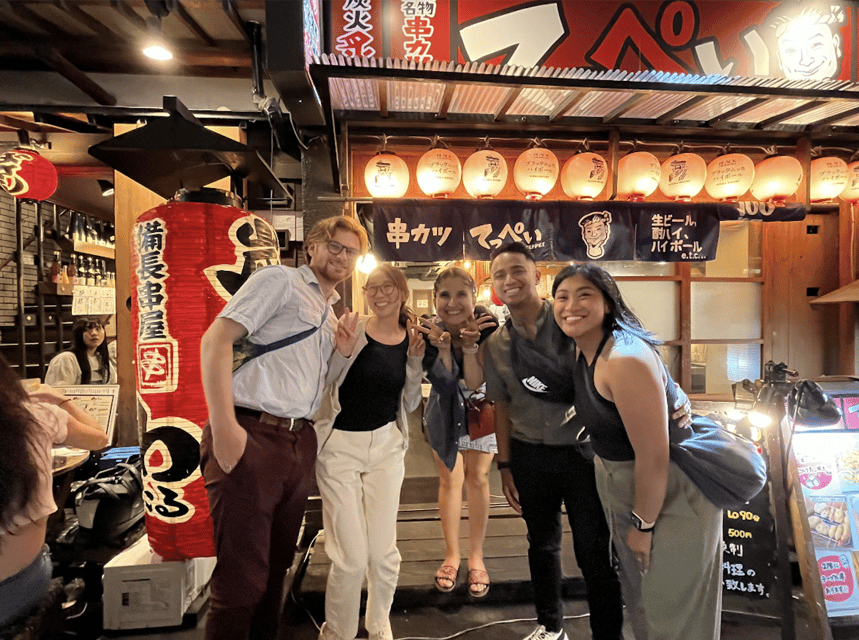
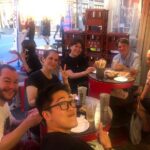
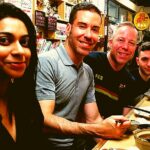
This is typically 5–10 guests, which is small enough to feel personal but big enough that the group energy is usually there. That size matters in Osaka’s nightlife scene. Too big and you get separated, too small and it can feel awkward. Here, you’re more likely to stay together and actually chat.
People have highlighted guides who bring both professionalism and fun. Names that come up include Taiga, Seina, Kosuke, Hitomi, Naoko, and Karin, among others. While guides are different, the common thread is a good sense of group care: keeping everyone together, explaining what you’re doing, and making sure you’re included rather than hovering in the corner.
There’s also a playful side that you might catch in the form of karaoke. Some guides can sing karaoke, and that can turn the last moments into something memorable instead of just another drink ticket.
If you’re traveling solo, small-group nights are often the best way to meet people without forcing conversation. The guide acts as a social bridge.
Price, Value, and the Real Cost of a Night Out
The price is $19 per person for a local guide and walking tour. That’s the headline fee. Here’s the honest value equation:
- You’re paying for direction, local knowledge, and bar access.
- You’re not paying for all the food and drinks.
Because food and drinks are not included, your spending will depend on what you order. The tour notes that the group splits the total amount, and amounts of 99 yen or less get rounded up for easier accounting. That tells you two things: costs are pooled, and the tour is set up to stay smooth even when receipts get complicated.
So is $19 worth it? For me, yes, when you consider what you get:
- You get help navigating Osaka nightlife when signage and etiquette can be intimidating.
- You get access to bars that might not welcome walk-ins.
- You get explanations that make tastings feel intentional, not random.
If you’re the type who would only have one drink and one snack anyway, the cost of food and alcohol could push your total higher than you planned. But if you want the full izakaya experience, the $19 fee is a small piece of the total night.
What to Bring, What to Know About Alcohol, and Dietary Needs
This tour is practical about what you need.
Bring:
- Comfortable shoes
- Cash
Why cash matters: your spending for drinks and food is not included, and the tour setup expects you to pay during the experience.
If you have dietary restrictions:
- Let the operator know in advance. That’s explicitly mentioned, and it’s a big help because bar food and drink pairings can vary.
Age note:
- The tour says it is not suitable for people under 20.
- Also, minors under 20 should not consume alcoholic drinks.
So if your travel group includes anyone under 20, this likely isn’t a fit.
Who This Osaka Izakaya Tour Is Best For
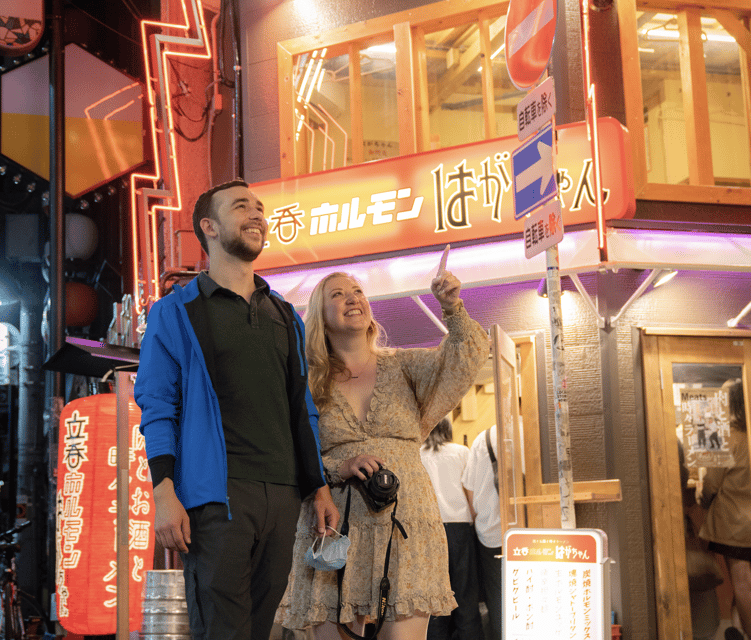
This is a good match if:
- You want a guided way to experience Osaka’s nightlife social scene
- You like drinking culture, especially sake and local beers
- You’d rather walk with a local guide than hunt for bars on your own
- You’re traveling solo or with friends who want an easy shared plan
It may not be the best match if:
- You don’t want to drink alcohol at all
- You prefer quiet, structured sightseeing over bars and walking
- You hate the idea of extra costs during the tour
Also, treat it as a night out, not a museum-style cultural tour. It includes culture, but it’s delivered through food and drink settings.
Should You Book This Osaka Izakaya Bars Guided Walking Tour?
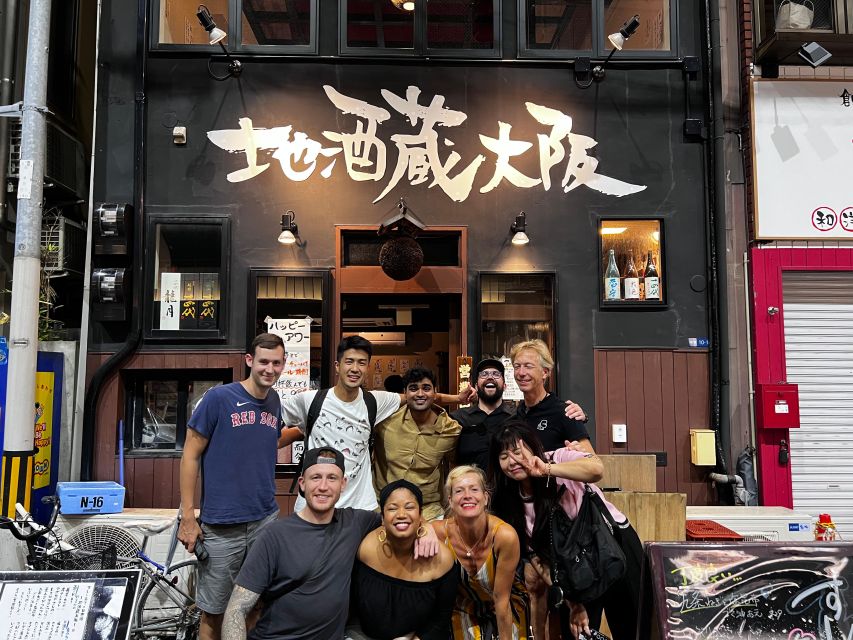
I’d book it if you want Osaka at night with training wheels. The $19 fee is low for what you’re buying: a local guide, a compact route through Dotonbori to Namba and Uranamba, and access to less touristy bar situations. Guides like Taiga, Seina, Kosuke, and others show up in customer stories as strong hosts who keep the energy friendly and the explanations grounded.
Skip it if you’re on a tight budget for alcohol and snacks, or if you don’t want to spend your evening walking and tasting. Also, if you have dietary limits and haven’t planned ahead, you could end up making choices that don’t feel great.
If you’re game for an English-guided night centered on izakayas, this tour is exactly the kind of plan that turns Osaka from a list of sights into a memory you’ll talk about later.
FAQ
How long is the Osaka izakaya guided walking tour?
The tour lasts 3 hours.
Where do I meet for the tour?
Meet in front of the Glico sign, at the Dotombori Humanity Song Monument.
Is the $19 price enough for food and drinks?
No. Food and drinks are not included in the tour price.
Will I need to pay during the tour?
Yes. The tour notes that the group splits the total amount, so you’ll pay for what you eat and drink during the experience.
What should I bring to the tour?
Bring comfortable shoes and cash.
Does the tour accommodate dietary restrictions?
If you have dietary restrictions, you should let the operator know in advance.
Is this tour suitable for minors?
The tour says it is not suitable for people under 20, and minors under 20 should not consume alcoholic drinks.
Is there an English-speaking guide?
Yes. The tour includes a live English guide.
How many people are usually in the group?
The tour typically runs with a small group of about 5–10 guests.