Osaka can feel like five cities in one day. This private walking tour uses a pre-planned route but still keeps it flexible for what you actually want to see, from temples to department stores to neon canal walks. I love the personal questionnaire style planning, and I also like how the stops mix big landmarks with street-level Osaka that most people miss. The one drawback to plan around is simple: it’s still a walking day, and you’ll cover plenty of ground unless you use transit between stretches.
Here’s the key idea. You’re not just following a checklist. You’re getting a local guide who can adjust the pacing, help you interpret what you’re seeing, and point you toward the right streets, not just the right photos.
Private Osaka walking tour: why this one works
- Pre-tour questionnaire means the day is shaped around your interests, not a generic script
- Private format keeps the pace comfortable for couples, families, and small groups
- Iconic + street-level balance covers Shitennoji, Namba, Hozenji, and shopping arcades
- Umeda underground strategy helps you handle Osaka’s maze-like malls without stress
- Namba-to-Dotonbori energy ends with neon canal views and entertainment-district atmosphere
- Guide help with real logistics like using public transport or planning transfers if needed
In This Review
- A private Osaka route built around your tastes
- Price and what you’re really paying for ($81.07 per person)
- Meeting point in Nanbanaka: start easy, not stressed
- The calm island park stop that balances the whole day
- Umeda’s department store maze and the White Umeda underground
- Namba shopping arcade fun, plus a lion-spirit shrine
- Shitennoji: Osaka’s oldest official temple stop (founded 593)
- Amerikamura for thrift, indie vibes, and street-style energy
- Hozenji Temple and the stone-paved alley with 60-plus spots to eat and drink
- Dotonbori neon canal: end with lights, arcades, and a street-party feel
- Comfort tips: walking pace, steps, and using transit smartly
- Guide quality matters: asking for the right style of host
- Who should book this tour, and who might skip it
- Should you book this private Osaka walking tour?
- FAQ
- How long is the private Osaka walking tour?
- Is this tour private?
- Is hotel pickup included?
- Are food and drinks included?
- Are attraction entry fees included?
- Will we use public transportation or taxis?
- Is cancellation free?
A private Osaka route built around your tastes
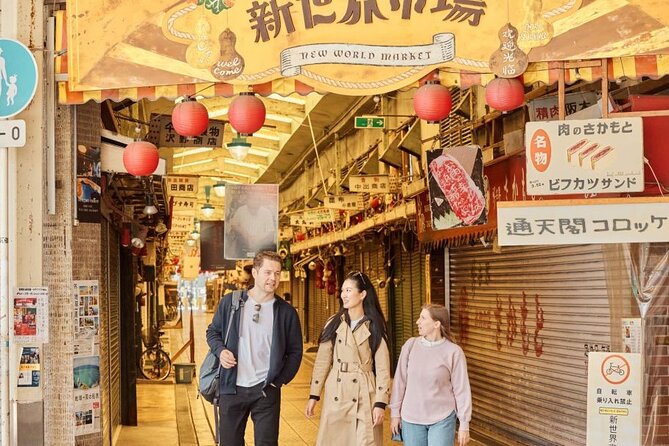
This tour is designed as a walking experience with your group only. That matters more than you might think. In Osaka, where neighborhoods feel different block-to-block, having someone guide your route saves time and prevents the classic mistake of wandering in circles.
The planning starts before you even meet. After booking, you fill out an online questionnaire about what you want to prioritize. Then your host reaches out to craft a personalized itinerary based on your interests—history, food, shopping, culture, or a mix.
I also like that the start time and total duration can flex. Some days you want a shorter hit of highlights. Other days you want the long walk, plus extra time in the parts you care about.
Price and what you’re really paying for ($81.07 per person)

$81.07 per person can feel steep until you zoom out and compare it to what you’d do on your own. You’re not just buying access to sights. You’re buying:
- a local host who can explain what you’re looking at
- a route that connects distant areas efficiently on foot
- customization based on your preferences
- help with practical decisions like where to go next and how to navigate between districts
If your trip includes multiple neighborhoods—Umeda, Namba, temple areas, and entertainment streets—this format can be better value than piecing together separate guide services or losing half your day figuring out the flow.
One practical note: food, drinks, and attraction entry fees are not included. Your host can recommend where to eat and what to try, but you’ll still budget for meals and any ticketed stops.
You can also read our reviews of more walking tours in Osaka


Meeting point in Nanbanaka: start easy, not stressed
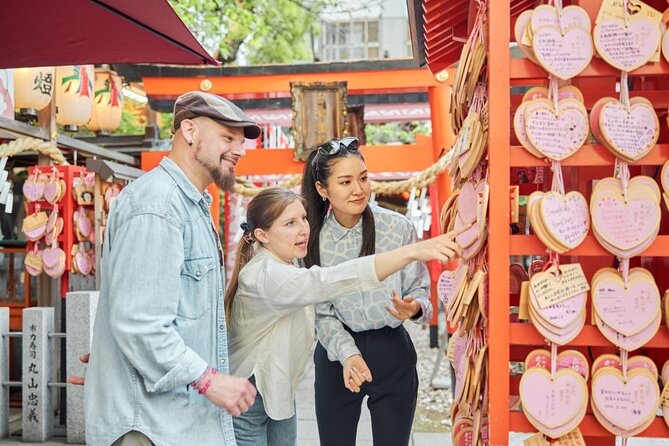
The tour meets at DAISO 2-chōme-2-17 Nanbanaka, Naniwa Ward, Osaka (556-0011). The activity ends back at the same meeting point, which is handy for planning your evening.
Because it’s near public transportation, you can usually get there without heroic planning. Still, I recommend you give yourself a little buffer for getting from your hotel to the meeting spot—Osaka is fast, and you don’t want to start your day on the edge.
Also, this is a walking tour with no private vehicle included. Expect to walk most of the route. If you ask for help moving between sites, your host may use public transport or local taxis for transfers, with costs discussed after your reservation is finalized.
The calm island park stop that balances the whole day
Not every stop is a shopping spree or a temple crowd. Early in the walk, you’ll have time in a calmer island oasis area—think art museums, early 20th-century architecture, and a park setting made for a slower pace.
This kind of stop is not filler. It’s a smart reset button. You get a break from the noise before you swing into Osaka’s louder districts. It’s also a good moment to slow down, take photos without shoulder-to-shoulder pressure, and get your bearings for the rest of the route.
If you’re the type who gets tired halfway through a city day, this balanced pacing is a big plus.
Umeda’s department store maze and the White Umeda underground
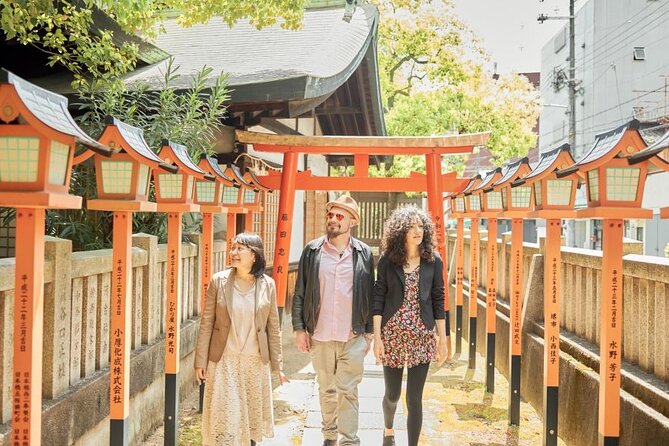
One stop takes you into one of Osaka’s biggest department stores, where you can browse goods and discover surprises you wouldn’t find in a simple street market. Then the route adds White Umeda, one of Osaka’s famous underground shopping malls.
Why this is worth putting in the itinerary: Osaka weather and crowds can be unpredictable. Underground corridors let you keep moving even if it’s raining. And department stores in Japan are often built like mini-cities—floors of themed shopping, seasonal displays, and easy people-watching.
Also, a guide helps you avoid the common frustration of entering a mall and immediately losing the main route. If you want shopping that feels organized instead of chaotic, this stop does a lot of work for you.
Namba shopping arcade fun, plus a lion-spirit shrine
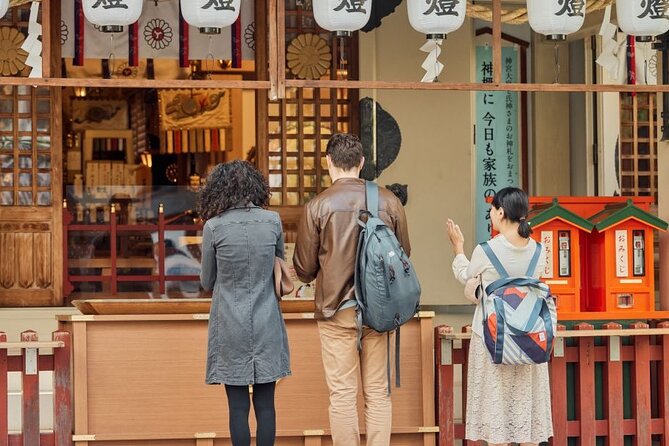
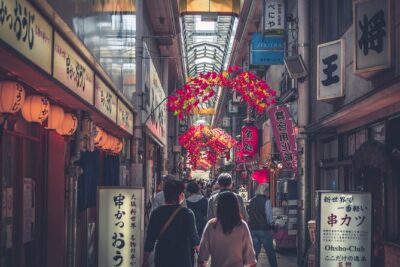
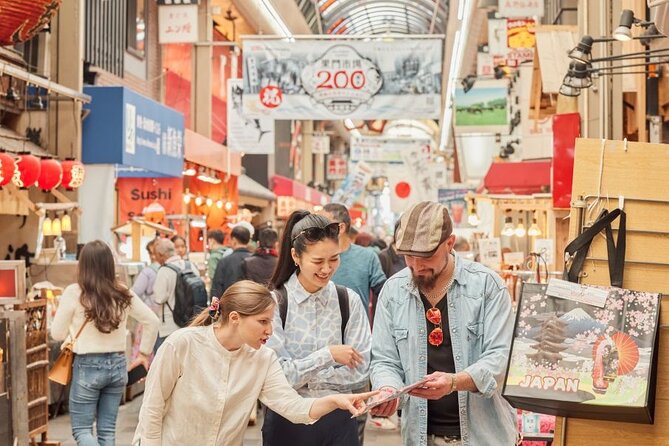
After Umeda, the route shifts toward one of Osaka’s top shopping arcades. Expect shops, cafés, restaurants, and character goods—exactly the sort of place where you can both browse and pick up souvenirs without looking like you’re shopping on a scavenger hunt.
Then comes a shrine stop in Namba featuring a massive lion-shaped structure believed to devour evil spirits and bring good luck. Even if you’re not religious, shrine architecture and symbolic details are part of Osaka’s city identity. The guide helps you understand the meaning so you’re not just snapping photos and moving on.
This stop is also a nice break from the retail noise. You get a cultural pause right in the middle of a lively entertainment district.
You can also read our reviews of more private tours in Osaka



Shitennoji: Osaka’s oldest official temple stop (founded 593)
One of the most historically grounded moments on the walk is Shitennoji. It’s noted as Japan’s oldest official temple, founded in 593, and tied to the early introduction of Buddhism in Japan.
What you’ll feel here is different from the shopping streets. The ambiance is quieter and more reflective. For me, that contrast is part of the value: you’re not spending the whole day in neon and crowds. You’re also seeing how Osaka makes space for spiritual history.
If you want to learn the city in a way that goes beyond modern districts, this stop is a must. It gives context for why certain neighborhoods and traditions exist where they do.
Amerikamura for thrift, indie vibes, and street-style energy
Next up is Amerikamura, described as the heart of American-inspired youth culture in Osaka. Think indie music scenes, hipster fashion, galleries, and thrift shops.
This is the zone for people who want to see how locals style themselves and hang out, not just where to buy the most famous souvenirs. It’s also a great place to browse casually—no pressure, just street-level culture.
One practical tip: if you’re shopping here, pace yourself. It’s easy to burn time trying on things or hunting for small brands. If you care about a specific type of item, tell your host during planning so the day includes the right streets and shopping priorities.
Hozenji Temple and the stone-paved alley with 60-plus spots to eat and drink
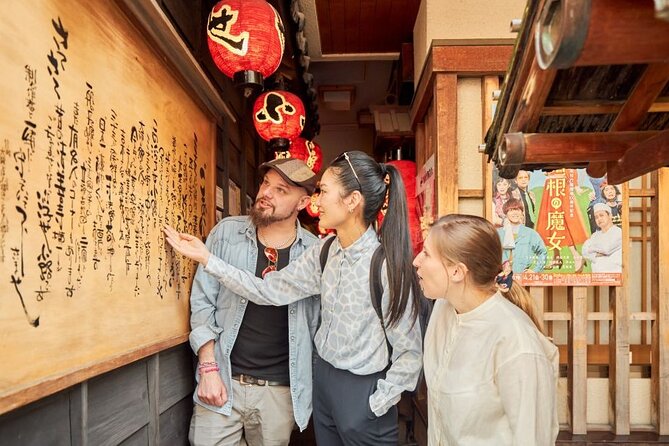
You’ll walk through a quaint, stone-paved alleyway lined with over 60 traditional Japanese restaurants and bars. The tour also highlights Hozenji Temple and its moss-covered statue of Fudomyoo, where visitors pour water for blessings.
This is one of those areas where the details are the point. The alley layout creates a cozy, atmospheric walk, and the temple feature adds meaning to the visit beyond nightlife vibes. Your host can also guide you on how to behave respectfully while you’re there, since shrine and temple spaces still have rules.
If you like contrast, this stop delivers it. You get a small cultural moment inside a street that’s clearly made for food and drink.
Dotonbori neon canal: end with lights, arcades, and a street-party feel
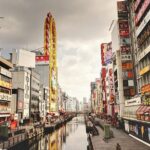
The tour winds down near Osaka’s iconic canal, illuminated with dazzling neon lights. This is the home turf of Dotombori’s arcades and the entertainment district atmosphere that Osaka is famous for.
Why end here: it’s the easiest place to keep the energy going after the tour. Even if you’re tired, the lights pull you forward. It’s also a strong area for your final photos because so much of the view is built for night viewing.
If you want a “last hour” plan, ask your host for a practical suggestion at the end—where to sit, what street to walk next, and what kind of food or drinks fit the mood.
Comfort tips: walking pace, steps, and using transit smartly
This is a walking tour, and the distance can add up fast. In real-world timing, shorter and longer versions both tend to rack up serious steps. Plan for it like a light hike, not a stroll.
Bring comfortable shoes with grip. Osaka sidewalks can be uneven in places, and department stores and arcades can trick you into walking more than you think. If you need rest, don’t tough it out—build breaks into the flow. A private format means you can slow down without feeling like you’re holding up a big group.
If walking is a concern, use the option built into the experience: your host can use public transportation or local taxis to transfer between sites if you request it. Just know that exact transport costs are not included and get discussed after your reservation is finalized.
Guide quality matters: asking for the right style of host
What people consistently praise is not just seeing sights, but the guide’s role in making the day feel personal and smooth. Names that come up often include Maria, Karim, Loys, Kai, Taku, Ryan, Max, Khalid, and others.
From the feedback patterns, you’ll want a guide who:
- adjusts to your pace and interests
- explains what you’re looking at in clear English
- helps you plan practical transitions so the day doesn’t turn into lost time
One example from the feedback: some hosts offer help with public-transport basics such as getting an ICOCA card, which can make Osaka’s transit system feel less intimidating. Others help with meal decisions, like suggesting local specialties and, in at least one case, dropping someone at a specific sukiyaki restaurant inside Osaka Station on request.
You should treat those as style examples, not guarantees. But they show you what a good host can do beyond pointing at landmarks.
Who should book this tour, and who might skip it
This tour is a strong fit if you:
- want a first-time Osaka orientation that still includes quiet temple time
- like mixing neighborhoods: shopping streets, cultural stops, and neon nightlife zones
- prefer a private day where you can control pace and priorities
- want a guide to connect districts efficiently so you’re not guessing what’s next
You might skip it if you:
- want a short, minimal-effort checklist day
- don’t like walking or can’t manage long distances
- expect food or attraction tickets to be included (they’re not)
Should you book this private Osaka walking tour?
Yes, if you want the city to make sense fast and you care about more than just big-photo stops. The value is in the planning flexibility, the private pace, and the smart pairing of districts—Umeda to Namba, temples to alleys, then Dotonbori lights to end the day.
Book it if your travel style is part sightseeing, part browsing, and part learning what things mean. Pass if you want a car-only, low-walking itinerary or if you’re only after one or two iconic sights.
If you do book, send your questionnaire answers clearly. Tell your host your walking comfort level, shopping interests (department store vs arcades vs thrift-style areas), and whether you want more temple time or more street energy. That’s how you get the version of Osaka that actually fits you.
FAQ
How long is the private Osaka walking tour?
The duration is flexible, typically ranging from 2 to 8 hours, and start times can be arranged based on your preferences.
Is this tour private?
Yes. It’s a private City Unscripted experience, so only your group participates.
Is hotel pickup included?
Pickup is offered if your hotel is centrally located.
Are food and drinks included?
No. Food and drinks are not included.
Are attraction entry fees included?
No. Attraction entry fees are not included.
Will we use public transportation or taxis?
The experience is a walking tour with no private vehicle. Public transportation or local taxis may be used to transfer between sites if you request it, and exact transportation costs can be discussed with your host after the reservation is finalized.
Is cancellation free?
Free cancellation is available up to 24 hours in advance for a full refund. If you cancel less than 24 hours before the start time, the amount you paid will not be refunded.