REVIEW · OSAKA
From Kyoto/Osaka: Kyoto Top Highlights 1-Day Guided Bus Tour
Book on GetYourGuide →Operated by LIMON Tours · Bookable on GetYourGuide
Kyoto in one day is a sprint, but it’s a smart one. This one-day guided coach tour strings together Kyoto’s biggest landmarks with time to actually see them, not just pass by. I love that you get guided context as you go, and it starts with the iconic torii at Fushimi Inari.
Two things I really like: you see four major sights (including two UNESCO sites) in one day, and you get key entry tickets handled for you. I also like that the coach has air-conditioning plus free Wi-Fi, so the day doesn’t feel like pure endurance.
One possible drawback: it’s a packed schedule with a lot of walking, and you’ll be moving between districts. If you want long, slow temple wandering (or you hate crowds), this style may feel rushed.
In This Review
- Key highlights to look for
- Why this Kyoto highlights route works in 9 hours
- Fushimi Inari Taisha torii gates: what to do with your 80 minutes
- Kiyomizudera: the nail-free stage and Otowa Waterfall moments
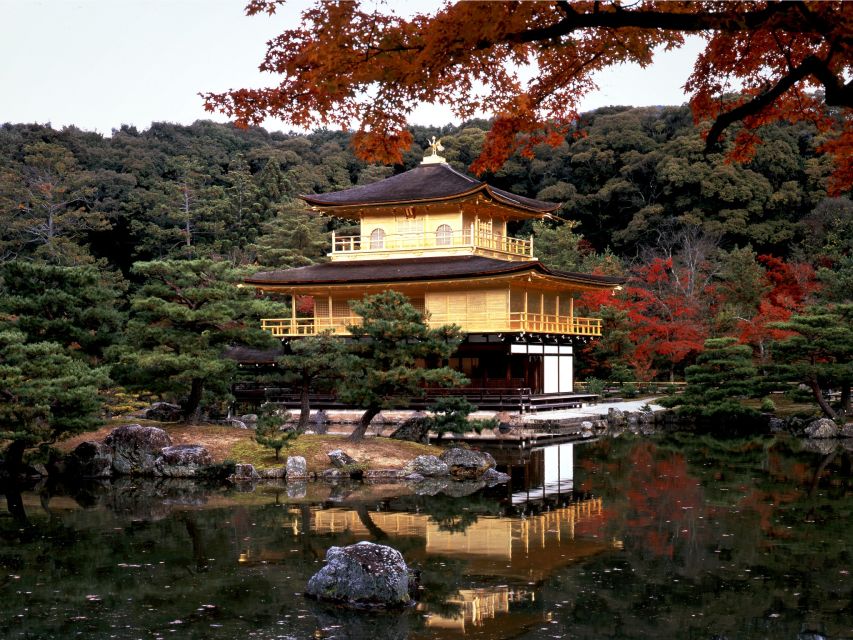
- Golden Pavilion Kinkaku-ji: how to enjoy it in 45 minutes
- Arashiyama and Sagano Bamboo Forest: the walk you’ll feel in your legs
- Lunch option: how to choose with real-life food limits
- Bus comfort, timing, and photo rhythm on a full day
- Seasonal route change: what you should know after April 1
- Who should book this Kyoto bus day tour
- Should you book it? My straight answer
- FAQ
- How long is the Kyoto Top Highlights 1-Day Guided Bus Tour?
- Where do I meet the tour and where do I get dropped off?
- What’s included in the tour price?
- Is lunch included?
- What are the main places you visit?
- Does the stop order change during the year?
- What languages does the guide speak?
- What should I bring?
- Is this tour wheelchair accessible?
- Is free cancellation available?
Key highlights to look for
- Fushimi Inari’s torii tunnel right at the start, when your eyes first adjust to all that vermillion
- UNESCO time at Kiyomizudera plus the view from the famous wooden stage
- Kinkaku-ji ticket included so you spend time on the pavilion and gardens, not the line
- Arashiyama + Sagano Bamboo Forest for that cool, breezy stroll feeling
- English-speaking guide who explains what you’re seeing, not just when to take photos
Why this Kyoto highlights route works in 9 hours
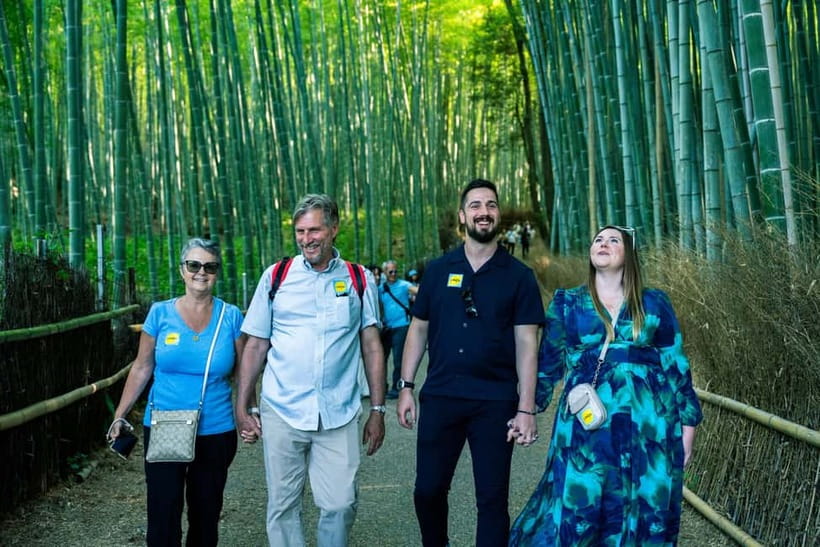
This is the kind of day trip that makes sense if you’re short on time but still want Kyoto to feel like Kyoto. Instead of picking only one or two sites, you get a full hit of shrine drama, temple views, and historic garden scenery—then you end with Arashiyama’s nature side.
The time split is what makes it work. You’ll spend the longest window at Kiyomizudera (about 100 minutes), a solid chunk at Fushimi Inari (about 80 minutes), and shorter but meaningful visits at Kinkaku-ji (about 45 minutes) and Arashiyama (about 80 minutes). Add in coach rides, and you’re busy from start to finish.
Value-wise, the price makes more sense when you price out what’s already included: the guide, coach, free Wi-Fi, and paid entry tickets for Kinkaku-ji and Kiyomizudera. Even if you’re the type who skips organized tours, that ticket-handling alone can save hassle.
You can also read our reviews of more guided tours in Osaka


Fushimi Inari Taisha torii gates: what to do with your 80 minutes
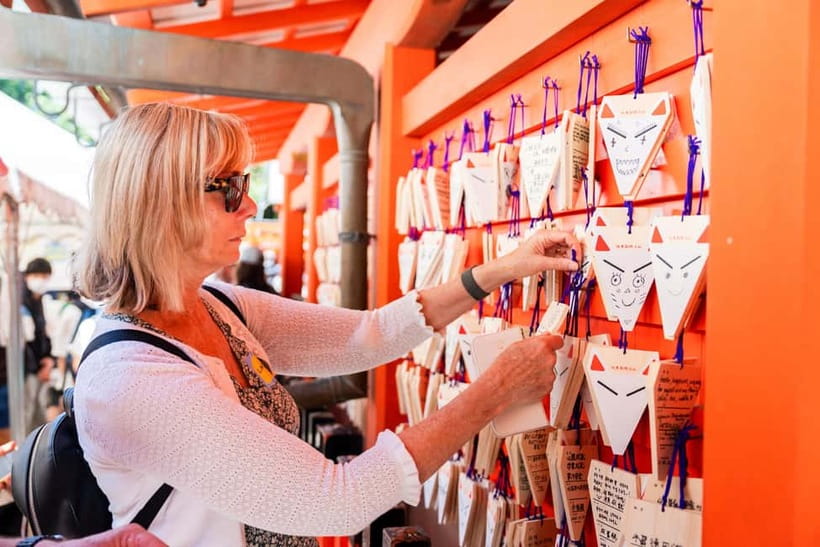
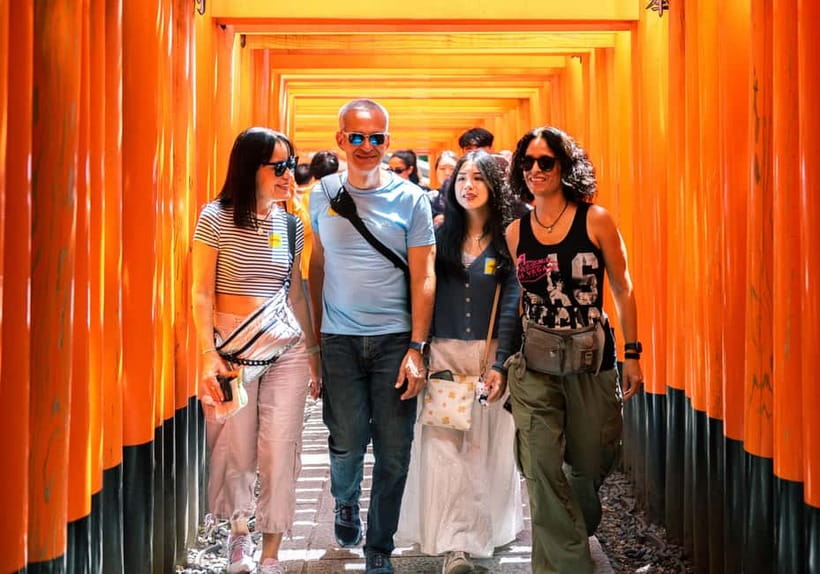
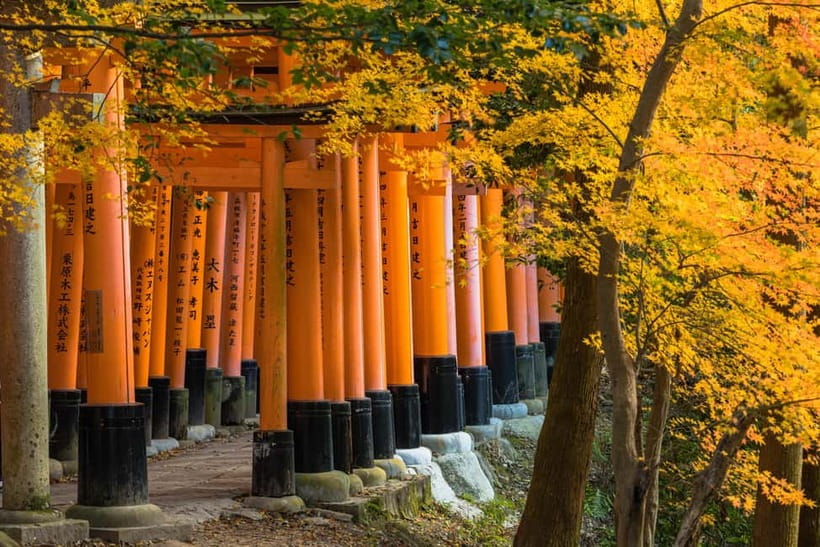
The day kicks off at Fushimi Inari Taisha, a Shinto shrine tied to the guardian deity of agriculture. The moment you start walking, you’re in the “endless torii” effect—those thousands of vermillion gates that make you feel like you’ve stepped into a moving corridor.
Here’s how I’d play your time: start by walking through the first stretch at a relaxed pace, then pick a mid-route point for photos. If you try to sprint to the far end, you’ll spend your energy before your legs are ready for the rest of the day.
Also, don’t just treat it like Instagram scenery. The shrine’s whole vibe is about persistence: you keep going, gate after gate, and the path gradually shifts from street-level bustle into something more quiet and focused. A good guide (I’ve heard names like Maki and Maria mentioned for their explanations) can help you understand what you’re looking at while you walk.
Possible trade-off: it can be crowded. That’s normal at Fushimi Inari, so plan on weaving around other groups and keeping your camera strap secure.
Kiyomizudera: the nail-free stage and Otowa Waterfall moments
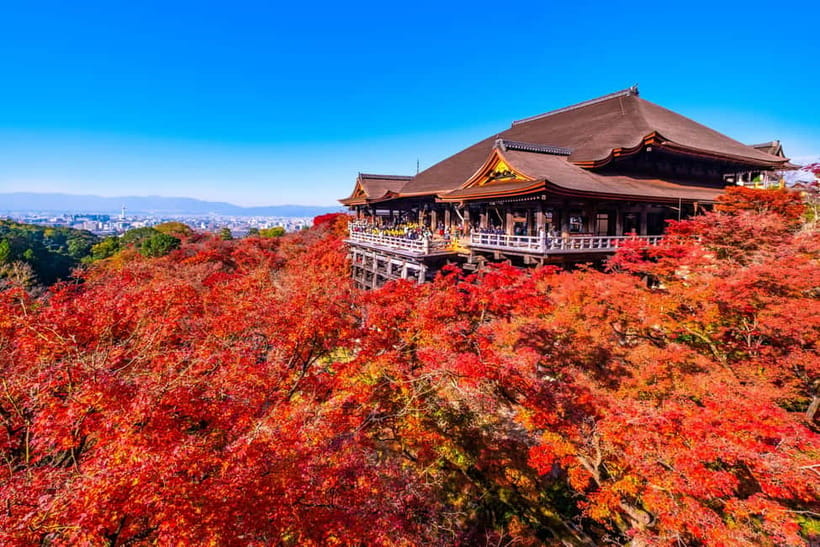
After Fushimi Inari, you head to Kiyomizudera, another UNESCO-listed stop—and the one most people remember because of its view. The temple is famous for the wooden stage that dramatically juts out over the hillside. There’s a reason this place is tied to the proverb about risk: the stage is visually extreme, like a place where daring makes sense.
What’s cool (and worth looking for) is the structure. The stage was built without using a single nail and is supported by 139 pillars. When you’re standing there, you can connect the engineering detail to the feeling of openness: it’s not a small balcony. It’s a big, dramatic platform designed for people to gather and look out over Kyoto.
You may also have the chance to visit Otowa Waterfall, where three streams are traditionally associated with success, love, and longevity. If you’re going for a quick moment, aim for one stream and keep moving—queues and foot traffic can build.
Timing matters here. You’ll have about 100 minutes, which is enough to do the stage area, walk around the temple grounds, and still take breaks. In spring it’s noted for cherry blossoms, and in autumn for foliage, so the season you’re there really changes the look of the hills and temple edges.
Practical tip: bring water and take shade breaks when you can. Even in a bus tour, the temple time is on foot and the weather can hit hard.
Golden Pavilion Kinkaku-ji: how to enjoy it in 45 minutes
Next up is Kinkaku-ji, the Golden Pavilion. This is the “wow” stop: the exterior is covered with gold leaf, so it can look different depending on the angle of light and clouds. Even if you’ve seen photos, there’s something about being close to it in real space—details sharpen when you can actually walk past the edges and see how the pavilion sits in its garden setting.
You’ll get around 45 minutes for photo stops, visiting, and sightseeing. That’s not a long time, so focus on the big wins:
- the pavilion views and reflection angles
- the surrounding gardens, which preserve original Japanese design from the Ashikaga shogunate era
Because your time is limited, I’d avoid getting stuck behind the slowest-moving photo spots. Move to another viewing area and give yourself a second angle. You’ll end up with more varied photos and less frustration.
Possible trade-off: the pavilion area can feel dense with other groups. That’s not a tour fault—it’s the location. Your best defense is keeping your movement steady and planning to hop to a new viewpoint rather than waiting for the perfect “empty frame.”
Arashiyama and Sagano Bamboo Forest: the walk you’ll feel in your legs

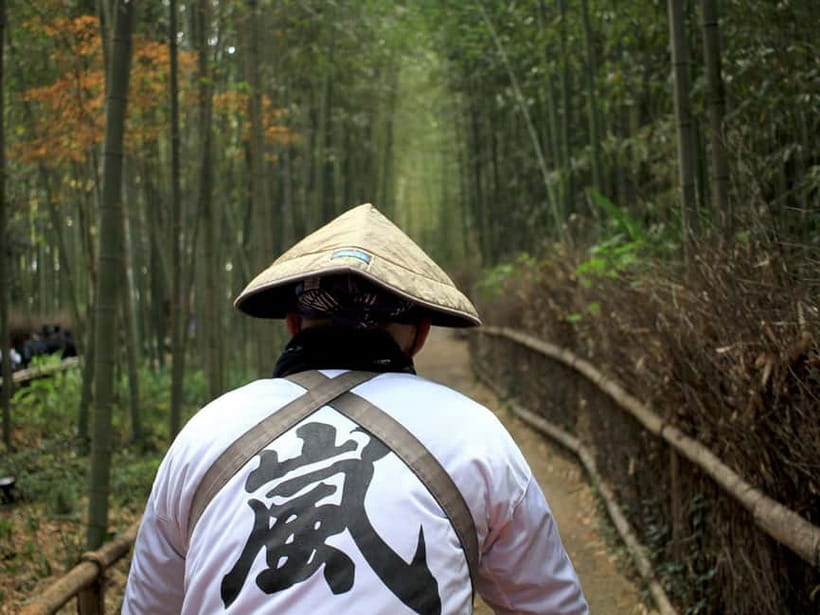
The day ends with Arashiyama, a nature-viewing area that’s been popular since the Heian Period. The energy shifts here: less shrine drama, more greenery and atmosphere.
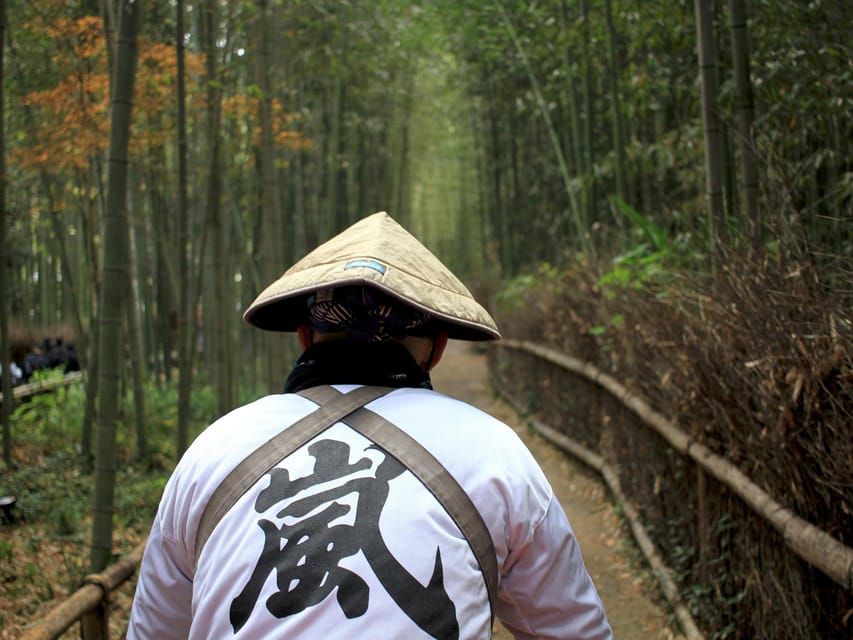
You’ll likely pass through Sagano Bamboo Forest. The bamboo leaves have a distinctive rustle sound when you move under the stalks. It’s one of those places where the sensory detail helps you slow down without needing to stop for long.
You’ll have around 80 minutes for Arashiyama time plus free walking and shopping. That’s enough to:
- do the bamboo forest stroll
- wander toward areas with the best viewing options
- decide if you want snacks or souvenirs before heading back to the coach
The route also includes a chance to enjoy the Katsura River area, including the possibility of sunset views depending on the day’s timing. Even if sunset doesn’t happen, the river-side atmosphere tends to be a nice cooldown after temple walking.
Small warning: bamboo forest time often means insects. One review noted it was mosquito-heavy, so if you’re going in warmer months, bring insect repellent and don’t count on luck.
You can also read our reviews of more tours and experiences in Osaka

Lunch option: how to choose with real-life food limits
You can book either with or without lunch. If you choose the lunch option, you’ll get a traditional Japanese set lunch. It’s included when selected, and that’s a big deal on a day like this because it keeps you from hunting for food between time-limited stops.
But here’s the key limitation: halal and vegan lunches are not available. If you need vegetarian meals, you’ll want to contact the provider directly at least 3 days before the tour. If you’re going without lunch, bring your own snacks and drinks.
My practical advice: if you eat differently from the standard tour meal, don’t wait until the day of. With a tight schedule, you don’t want to spend your energy asking for alternatives while the group is moving.
Bus comfort, timing, and photo rhythm on a full day
This tour runs about 9 hours (listed as 570 minutes). That sounds long until you realize how much Tokyo-to-Kyoto style travel you avoid by staying local with a single loop. The coach helps you get between distant districts efficiently—especially in summer.
On-board, you’ll have:
- air-conditioned coach
- free Wi-Fi
- and you can charge devices (some riders have mentioned outlets, which is a lifesaver when photos drain your battery)
The stop timing is tight enough that the day can feel like a moving checklist, but it’s still balanced. You’re not spending all day in one place, and the “slowest” stop (Kiyomizudera) gets the most time.
Also, pay attention to instructions at each stop. Many guides make a point of explaining where to go for best views and where the key walking routes are. I’ve heard guide names like Masa, Toshi, Haru, Eiko, Josh, Jewel/Jewell, Winnie, Eve, and Yuki/Ma-chan—and the recurring theme is clear guidance and good photo help so you don’t lose time regrouping.
Your best strategy: wear shoes you trust and keep your bag simple. You’ll do repeated short walks, and the faster you can move from bus to sight to bus again, the more enjoyable the day becomes.
Seasonal route change: what you should know after April 1

There’s an important schedule detail: from April 1 onward, the order changes to:
1) Fushimi Inari Taisha
2) Arashiyama (lunch included if selected)
3) Kinkaku-ji
4) Kiyomizudera
Why it matters: Kiyomizudera is the biggest view payoff, and if it comes last in your date, you might get later-day lighting. If Arashiyama happens earlier, you may get bamboo forest time before fatigue sets in. Either way, the stops remain the same; it’s mainly the flow that shifts.
Who should book this Kyoto bus day tour
This tour is a great match if you:
- have limited time in Kyoto and want a “greatest hits” day
- want entry tickets included for the two biggest paid stops
- like having a guide explain shrine and temple context as you walk
- don’t mind crowds if it means seeing multiple famous sites in one shot
It may be less ideal if you:
- want long, quiet time for just one or two places
- hate lots of walking and changing scenery
- need wheelchair access (it’s not suitable for wheelchair users)
If you’re traveling solo, this kind of organized day can also help you feel less lost. Guides often help with group photos, and the fixed timing reduces the guesswork.
Should you book it? My straight answer
If you can only do one day trip in Kyoto, I think this is a strong buy. You’re paying for a guided loop that reduces planning stress, handles entry tickets for Kinkaku-ji and Kiyomizudera, and gives you enough time at each stop to see the essentials without feeling totally rushed.
I’d book it when:
- your priorities are Kyoto’s signature sights
- you’re comfortable with a packed day and walking
- you want the guide to help you understand what matters at each location
I’d hesitate if:
- you want a slower pace
- you have strict dietary needs beyond what’s offered
- you’re sensitive to crowds
If you book, set yourself up for success: good shoes, water, and a simple plan for photos. With that, this tour turns into a memorable Kyoto sampler you can build on the next day.
FAQ
How long is the Kyoto Top Highlights 1-Day Guided Bus Tour?
The tour runs about 9 hours (570 minutes), depending on the available departure time.
Where do I meet the tour and where do I get dropped off?
Meeting and drop-off points can vary by option. Listed starting locations include Kyoto Station (Hachijo Exit Tourist Bus Parking), Hearton Hotel Nishiumeda, Osaka City Air Terminal (OCAT). Drop-off locations include the same options.
What’s included in the tour price?
Included items are an English-speaking guide, an air-conditioned coach bus with free Wi-Fi, Kinkaku-ji temple entry tickets, and Kiyomizudera entry tickets. Lunch is included only if you select the lunch option.
Is lunch included?
Lunch is included only if you choose the lunch option. It’s a traditional Japanese set lunch. Halal and vegan lunches are not available.
What are the main places you visit?
You’ll visit Fushimi Inari Taisha, Kiyomizudera, Kinkaku-ji, and Arashiyama (including time near Sagano Bamboo Forest).
Does the stop order change during the year?
Yes. From April 1 onward, the order changes to: Fushimi Inari Taisha, Arashiyama, Kinkaku-ji, then Kiyomizudera.
What languages does the guide speak?
The tour is conducted with a live guide in English (and the guide can also speak Japanese).
What should I bring?
Bring comfortable shoes, a camera, snacks, water, and comfortable clothes.
Is this tour wheelchair accessible?
No. It is not suitable for wheelchair users.
Is free cancellation available?
Yes. You can cancel up to 2 days in advance for a full refund.