REVIEW · OSAKA
Koyasan Day Trip by Private Car from Osaka
Book on Viator →Operated by MagicalTrip Inc. · Bookable on Viator
Koyasan feels like a different planet. A private car with a dedicated English-speaking guide makes the long day from Osaka feel organized, not stressful, while you hit the spiritual highlights of Koyasan, including hidden-temple access and the Goma fire ritual.
I especially liked two things: the comfort and convenience of a chauffeured ride (hotel pickup is offered, and you’re not juggling trains and transfers), and the way the guide keeps the day grounded in meaning—not just dates and names. You also get a traditional monk-style Shojin Ryori vegan meal, which is rare to experience on a tight schedule.
One watch-out: it’s a full 10-hour day with a morning start (8:00am) and walking at Okunoin. If weather brings limited visibility, the plan can adjust and refunds aren’t provided for that kind of disruption.
In This Review
- Key things I’d circle before you book
- Why Koyasan works so well as a day trip from Osaka
- Private car from Osaka: comfort, pickup, and time management
- Katsuragi-cho shrine and its sacred waterfall pause
- Mt. Koya: understanding Kukai’s role before you see the temples
- Danjo Garan: pagodas, halls, and esoteric symbolism
- Kongobu-ji: the main Shingon temple and Japan’s rock garden
- Shojin Ryori lunch: vegan monk-style food that feels intentional
- Shojoshin-in: a normally off-limits temple with a resident monk
- The Goma fire ceremony: what it is and how to approach it
- Okunoin: the lantern-lit cemetery walk that brings the day home
- Price and value: is $520.29 per person worth it?
- Who this Koyasan day trip fits best
- My decision take: should you book this tour?
- FAQ
- How long is the Koyasan day trip from Osaka?
- What time does the tour start?
- Where is the meeting point in Osaka?
- Is this tour private or group-based?
- Does the tour include pickup?
- Are admission tickets included?
- What will I eat during lunch?
- Can the tour handle dietary restrictions?
- Do I need to pay for the guide’s food and drinks?
- What happens if temples are closed or weather affects visibility?
Key things I’d circle before you book
- Private chauffeur + dedicated English guide: you get context at each stop, not just transportation
- Exclusive temple access: you can enter places normally off-limits, guided by a resident monk
- Goma fire ceremony: a visually intense and spiritually central rite of esoteric Buddhism
- Monk-style Shojin Ryori lunch: plant-based food made in the Buddhist tradition
- Big-name temple stops + quieter pauses: pagodas and rock gardens, plus a shrine with a sacred waterfall
Why Koyasan works so well as a day trip from Osaka
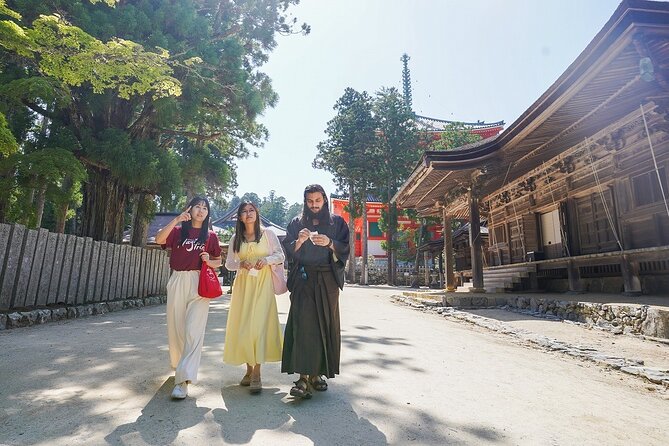
Koyasan is one of those destinations where timing and effort matter. Going independently can mean complicated local transfers and a lot of waiting around. This private setup solves that problem fast: you’re picked up, driven where you need to go, and guided through the spiritual sites with clear explanations along the way.
Also, this is not a checklist tour. You’re taken through a sequence that mirrors how many visitors experience Koyasan—ascend, explore the core temple grounds, eat monk-style food, then finish with the lantern-lit path through Okunoin.
Finally, the day includes a few stops that feel more special than the standard “see the big temple and go” version. Hidden access and a ritual like Goma are the kind of moments that can turn a day trip into a memory.
You can also read our reviews of more private tours in Osaka
Private car from Osaka: comfort, pickup, and time management
You’re starting at 8:00am, and the whole experience runs about 10 hours. That’s a real commitment, but the structure helps. You’re in a comfortable private vehicle for the big travel segments, and you have a driver handling the route.
Hotel pickup is offered, which is a big deal in Osaka where getting across town can be time-consuming. If pickup isn’t arranged for your lodging, you still have a clear meeting point at McDonald’s, JR Osaka Station Sakurabashi Exit Restaurant. Either way, you’re not guessing.
This tour is private, so your group stays together and the guide can pace the day based on what you want to focus on. In the feedback you’ll see a theme: people liked that it felt first-class, with a very comfortable vehicle and an attentive guide—plus the fact that someone else deals with the logistics.
Katsuragi-cho shrine and its sacred waterfall pause
The day opens at Katsuragi-cho, where you visit a local shrine connected to a sacred waterfall. Even with just about 30 minutes, this is a smart start. It gives you a change of pace before the more famous temple complexes, and it sets a tone of calm attention.
It also helps with the rhythm of a long day. After a morning drive, you get a short, meaningful stop rather than immediately rushing into crowd-heavy areas.
Admission is free here, which is a nice small bonus—more of your time is spent in the experience, not counting ticket steps.
Mt. Koya: understanding Kukai’s role before you see the temples
Next you head up toward Mt. Koya, with a brief stop (around 10 minutes) where your guide explains the core beliefs of Japanese Buddhism and the story of Kukai, the monk who established this sacred sanctuary over 1,200 years ago.
That timing matters. When you learn the main story first, the architecture and temple layout make more sense later. Even in a short time window, the guide’s explanations are the difference between looking at buildings and understanding why they’re arranged the way they are.
Danjo Garan: pagodas, halls, and esoteric symbolism
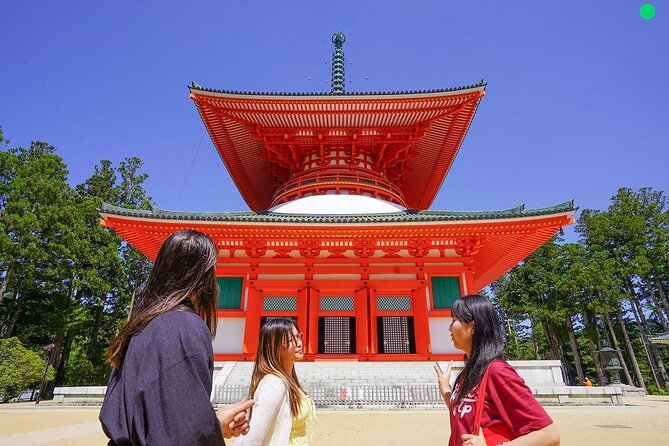
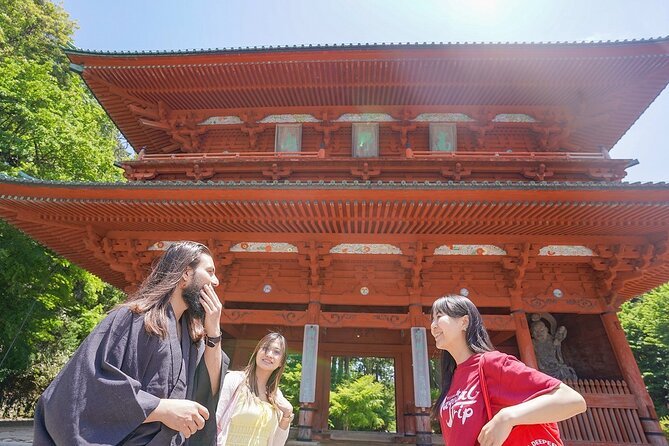
At Koyasan Danjo Garan, you spend about 20 minutes at one of Koyasan’s most significant temple complexes. This is the kind of place where details are the point: pagodas, tranquil halls, and symbolic architecture tied to esoteric Buddhism.
This stop is a good example of what a guide adds. Without guidance, you can still appreciate the scenery, but you might miss why a certain arrangement or feature is important. With guidance, your eyes know what to notice—so you leave with more than photos.
Admission tickets are included here, so you’re not scrambling for entry logistics while you’re focused on the sights.
You can also read our reviews of more tours and experiences in Osaka

Kongobu-ji: the main Shingon temple and Japan’s rock garden
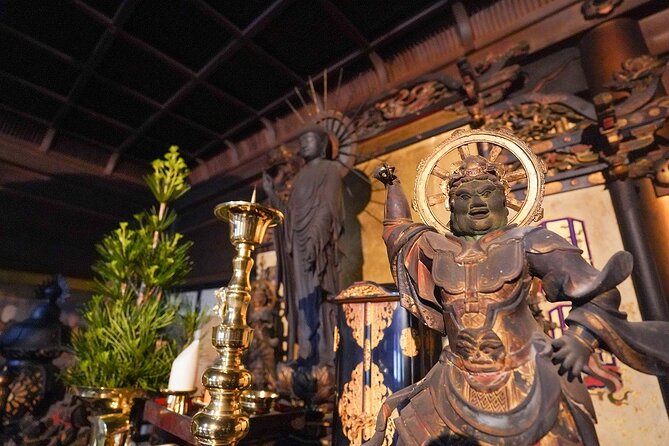
Then it’s on to Kongobu-ji Temple, described as the main temple of the Shingon sect and home to Japan’s largest rock garden. You get around 40 minutes, which is just enough time to slow down and take it in.
The rock garden is a natural draw, but it’s the surrounding mood that makes this stop memorable. Think hushed wooden corridors and quiet pacing—your guide’s explanation helps you connect the visual design to the spiritual setting.
This is one of the best stops for people who like atmosphere as much as architecture.
Shojin Ryori lunch: vegan monk-style food that feels intentional
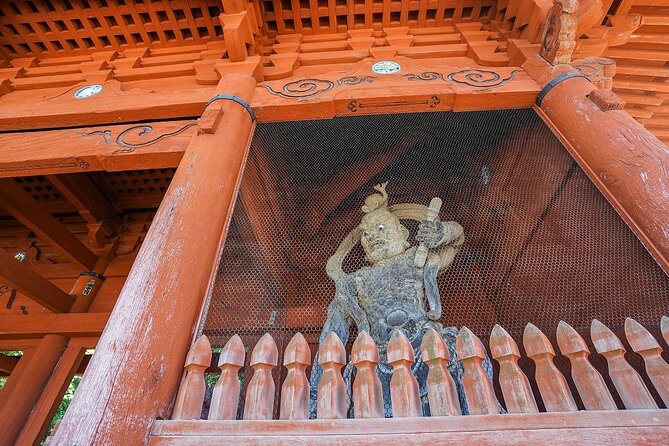
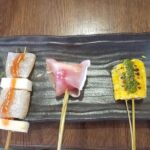
After the main temple area, you take 1 hour for lunch: a traditional Shojin Ryori meal. This matters because it’s not just “vegan food.” The concept here is Buddhist monk-style cooking: plant-based and carefully prepared using fresh ingredients.
The provided info also notes that lunch admission is free for this stop. So you get a full meal break without paying extra at lunch time.
If you care about food travel, this is a highlight. You’re eating as part of the day’s theme, not as a random pit stop. And because it’s arranged for the experience, you don’t have to search for something suitable in a place that’s not built for quick grab-and-go convenience.
If you have dietary needs, you should inform the operator when booking. Vegetarian and vegan options are available, so you won’t be stuck guessing.
Shojoshin-in: a normally off-limits temple with a resident monk
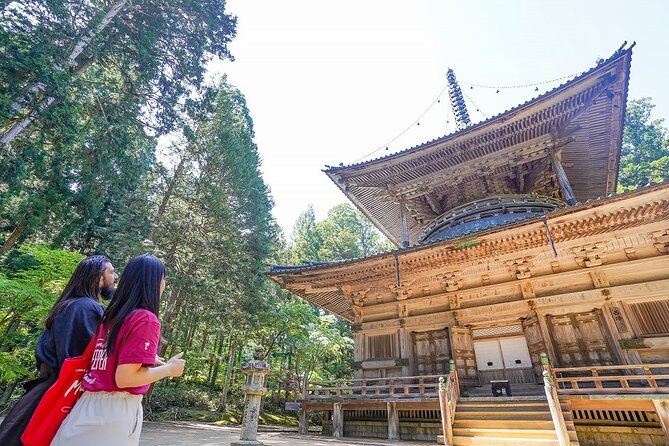
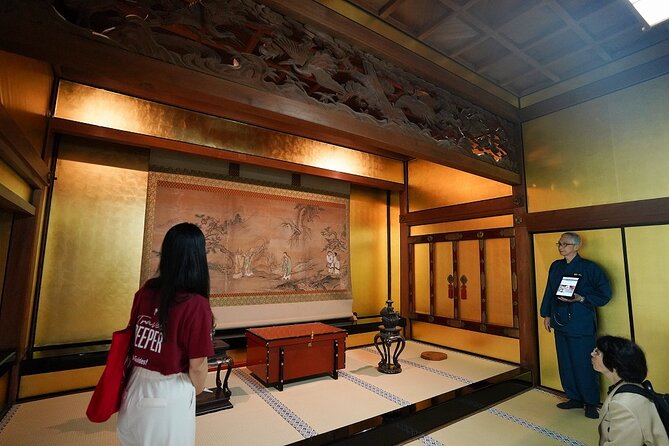
This is where the tour starts to feel truly special. At Shojoshin-in, you get access to a hidden temple that is typically off-limits and opened exclusively for this experience. You spend about 30 minutes inside.
The key detail is the guidance: a resident monk guides the experience, and your tour guide offers translation. That pairing is practical and important. You’re not just hearing a summary from your guide—you’re getting direct context from someone connected to the temple itself.
Even if you’re not a Buddhism superfan, this kind of access changes your understanding. You feel like you’re stepping into a living space rather than sightseeing behind fences.
The Goma fire ceremony: what it is and how to approach it
Right after Shojoshin-in, the day includes the Goma purification fire ceremony. This is about 30 minutes and it’s described as one of the most visually striking and spiritually charged rites in esoteric Buddhism.
If you prefer quiet, meditative experiences, this may be a surprise in tone. The fire ritual is intense by design. But that’s also why it’s worth it: it gives you a dramatic, unforgettable contrast to the calm pacing of temple halls and gardens.
Practical tip: treat it like a respectful ceremony, not a performance. Keep your focus steady, follow your guide’s cues, and remember this is part of a religious practice tied to purification.
Admission tickets are included for the ceremony, so the emphasis stays on participation and attention.
Okunoin: the lantern-lit cemetery walk that brings the day home
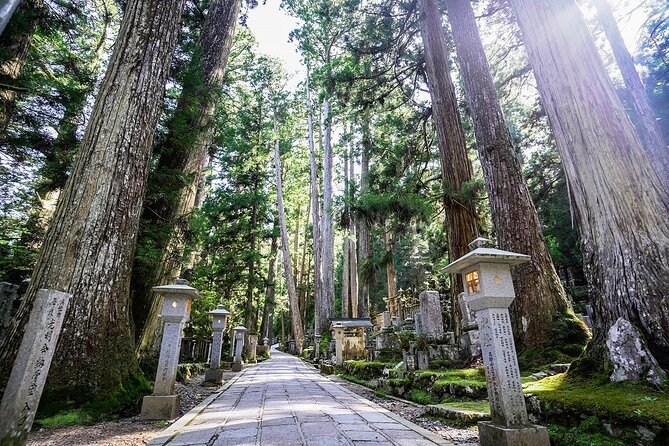
The final major stop is Koyasan Okunoin, where you take about 1 hour walking toward the temple area through the sacred cemetery. You follow a lantern-lit path past moss-covered gravestones toward the resting place within Okunoin.
This is the emotional closer. The whole earlier day builds context, and Okunoin’s setting makes the spiritual tone feel concrete. If you like reflective travel—quiet, meaningful, a little heavy in a good way—this is your payoff.
One practical consideration: this is still a walk. Wear comfortable shoes and plan for a slow pace. If you’re sensitive to uneven ground, take your time.
Admission tickets are included here as well, so you can end the day without juggling money or entry lines.
Price and value: is $520.29 per person worth it?
At $520.29 per person, this is not a budget day. But for a private day trip out of Osaka, it can be strong value because the price is bundled.
Here’s what’s included based on the tour details you’re given:
- Private vehicle with hotel pickup offered
- Dedicated English-speaking guide
- All entry tickets for the included stops
- Traditional Shojin Ryori vegan lunch
- Access to normally off-limits temple areas
- The Goma fire ceremony as part of the experience
If you try to recreate this on your own, you’ll likely spend money on transport anyway, and you’ll have to work out timing between temple grounds plus any chance of gaining special access. This tour gives you that structure, plus the guide-led translation for the monk-guided temple visit.
For couples and friends: it’s often worth it when you want the day to feel guided and intentional without splitting up or losing time. For families: having one plan and one driver can reduce stress, especially with young kids where timing matters.
The biggest value comes from the combination: private transport + exclusive access + ceremony + guide context. You’re paying for fewer unknowns and more meaning-per-hour.
Who this Koyasan day trip fits best
This tour is labeled as suitable for most travelers, and that checks out with the pacing: you’re not described as doing a strenuous hike. You have several short to medium stops, plus one hour of walking at Okunoin.
It’s especially a good match if:
- You want Koyasan without the logistical headaches of getting there
- You care about spiritual context, not just seeing buildings
- You’d like off-limits temple access and a guided ritual experience
- You want a vegan monk-style meal that’s built into the day
If you’re the kind of traveler who wants total freedom to wander for hours on your own, a private guided structure might feel less flexible. Still, the day includes enough time in major sights to feel satisfying.
My decision take: should you book this tour?
If you’re thinking about Koyasan and you don’t want the day to turn into transport math, I’d book it. The setup—private car, English guide, included admissions, and the combination of Danjo Garan, Kongobu-ji, Shojin-in access, Goma, and Okunoin—means you’re getting a full spiritual arc in one go.
Book ahead if you can. The tour is commonly booked about 26 days in advance, and demand can be real for the private access pieces.
One smart way to choose: ask yourself if you’d pay extra for the off-limits temple visit and the Goma ceremony. If yes, this price starts to make sense fast.
FAQ
How long is the Koyasan day trip from Osaka?
It runs for about 10 hours.
What time does the tour start?
The start time is 8:00am.
Where is the meeting point in Osaka?
You meet at McDonald’s JR Osaka Station Sakurabashi Exit Restaurant, located in Osaka (Umeda, Kita Ward).
Is this tour private or group-based?
It is private, meaning only your group participates.
Does the tour include pickup?
Pickup is offered, and the tour description notes a private vehicle with hotel pickup for a comfortable journey.
Are admission tickets included?
Yes. Admission tickets are included for the temple and ceremony stops listed in the program.
What will I eat during lunch?
Lunch is Shojin Ryori, a traditional Buddhist vegan meal.
Can the tour handle dietary restrictions?
Yes. You should inform the operator of dietary restrictions at booking, and vegetarian and vegan options are available.
Do I need to pay for the guide’s food and drinks?
No. The guide’s food and drinks are covered and do not require extra payment from you.
What happens if temples are closed or weather affects visibility?
If sites are closed, alternative locations are visited instead, with no cancellations or refunds provided for those changes. The itinerary may be adjusted or canceled depending on weather or traffic, and refunds are not provided for limited visibility due to weather.