REVIEW · OSAKA
Osaka Small Group Sashiko Japanese Craftmanship Workshop
Book on Viator →Operated by Pinpoint Traveler, Inc · Bookable on Viator
Stitching Japanese patterns feels strangely calming. In Osaka, this small-group workshop turns sashiko into a do-it-yourself skill, guided by expert instructor Jun, with history and pattern meaning folded right into the stitching. You get a hands-on session with a finished item to take home, plus a look at the culture behind the geometry.
I especially like two things: the workshop gives you all the tools and materials, so you can focus on learning instead of prepping. I also appreciate the cultural context, including where sashiko comes from and how patterns carry symbolism, not just how to make the stitches.
One thing to consider: at about two hours, it’s a focused intro rather than a long, deep training session. If you’re craving hours of advanced techniques, you may want another class after this one.
In This Review
- Key Highlights to Know Before You Go
- Osaka Sashiko Workshop: What You’re Really Learning
- Edo-Period Origins and Pattern Meaning (Before Your Needle Moves)
- Meet Jun and Get Your First Stitches Without Stress
- The Workshop Flow: From Demo to a Finished Take-Home Piece
- What’s Special About the Atmosphere in the Atelier
- Don’t Skip the Adjacent Shopping Corner
- Price and Value: Is $68.29 Worth It?
- Timing, Getting There, and What to Plan For
- Who This Workshop Is For (and Who Might Want a Different Class)
- Should You Book the Osaka Small Group Sashiko Workshop?
- FAQ
- How long is the Osaka Small Group Sashiko Japanese Craftmanship Workshop?
- Where is the meeting point for the workshop?
- What’s included in the price?
- Do I need to bring my own sashiko supplies?
- What will I make in the workshop?
- Is the workshop taught in English?
- How big is the group?
- Is transportation to the venue included?
- Is it suitable for beginners?
- Is there any weather requirement?
- What is the cancellation policy?
Key Highlights to Know Before You Go
- Small group size (max 8) keeps the pace friendly and the guidance practical
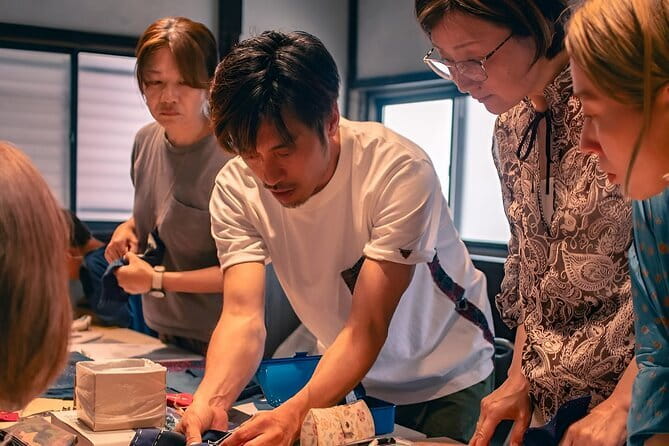
- Instructor Jun leads the learning with demonstrations and hands-on coaching
- Edo-period context built into the class explains why sashiko exists and how it evolved
- Take-home project means you leave with a usable finished piece, such as a coaster
- English support helps you follow instructions and pattern symbolism clearly
- Adjacent shopping corner offers sewing kits, hand-dyed threads, and original goods with cash discounts
Osaka Sashiko Workshop: What You’re Really Learning
Sashiko is often described as simple, but it’s not casual. The idea is to build a disciplined rhythm—repeating geometric stitches that are both functional and expressive. In this workshop, you’re not just copying lines; you’re learning what the craft meant historically and why the patterns matter.
The session starts with an explanation of sashiko’s background. You’ll hear that the word sashiko translates to little stabs, a direct nod to the stitching action itself. Then you connect that to its Edo period roots (1603–1868), when sashiko developed as a practical method for reinforcing and insulating clothing.
That context changes how you stitch. Instead of treating each line like decoration, you start treating it like part of a tradition. That’s one reason this feels more like a cultural lesson than a casual craft event.
You can also read our reviews of more tours and experiences in Osaka



Edo-Period Origins and Pattern Meaning (Before Your Needle Moves)
The workshop begins with history and meaning, and it’s not just a quick intro. You’ll get a brief history of sashiko and then a demonstration of basic stitches before you start your own work. This order matters because it gives you mental handles—what you’re doing and why you’re doing it.
Sashiko evolved from utilitarian sewing to a craft people recognized for beauty. When you learn that shift, the geometric patterns feel less random and more intentional. And when pattern symbolism is explained, you can look at designs with more respect than you would from a photo.
From the reviews, the tone is calm and educational. People highlight how patient the guidance feels and how the instructor explains concepts clearly before stepping away to let you stitch. If you like learning first and making after, this structure will click.
Meet Jun and Get Your First Stitches Without Stress
Instructor Jun is at the center of the experience. You start with a demonstration of fundamental sashiko stitching on fabric, so you can see the motion and spacing before you try to repeat it. Then you follow along as you create your own geometric stitches with guidance throughout.
This is where small-group size becomes real value. With a max of 8 people, you’re not lost in a crowd. You can ask questions, get corrections, and keep moving without feeling rushed into solo work.
I also like that the workshop is designed for different skill levels. The experience welcomes both beginners and people with some craft experience. If you’ve never stitched before, you’ll still have a clear starting point. If you have stitched before, you’ll likely appreciate the history and the technique focus.
The Workshop Flow: From Demo to a Finished Take-Home Piece
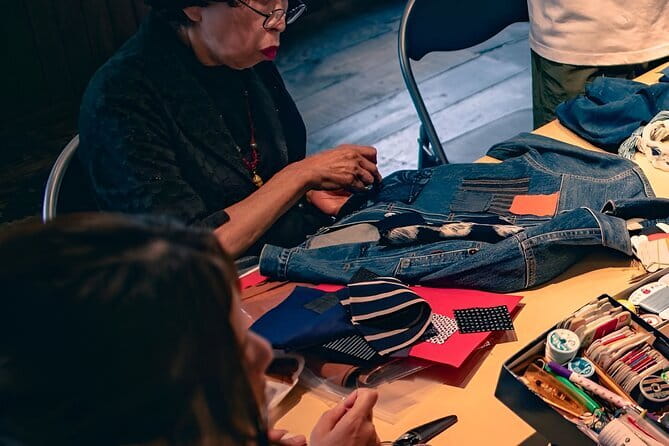
The hands-on portion is built like a mini project. You learn the basic stitch patterns, then you use that skill to complete a small item you can take home. The description specifically mentions a coaster as an example of what you might make.
That take-home piece is more than a souvenir. It’s a real artifact of your time in Osaka, and it gives you something you can actually use on a table back home. Even if your stitches aren’t perfect on the first try, you’ll have a finished, functional outcome.
You also get a full kit experience. Included in the price are all necessary tools and materials—fabric, needles, threads, and other sashiko tools. That removes one of the most annoying barriers to craft activities: showing up and realizing you’re missing the one thing you need.
By the end of the session, you walk away with both a completed object and a clearer sense of how sashiko works as a craft. The best part is that you don’t just leave with a product—you leave with understanding.
What’s Special About the Atmosphere in the Atelier
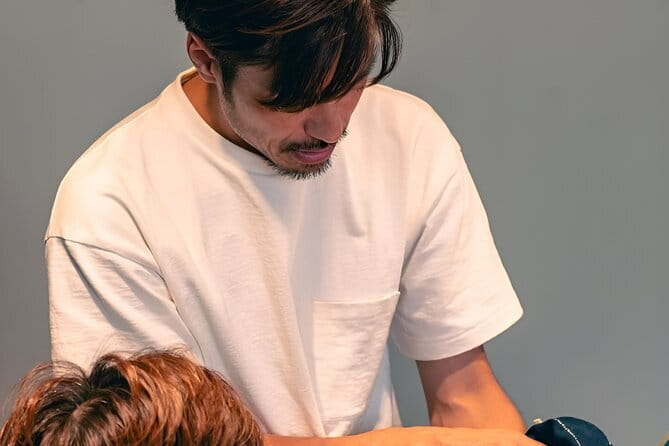
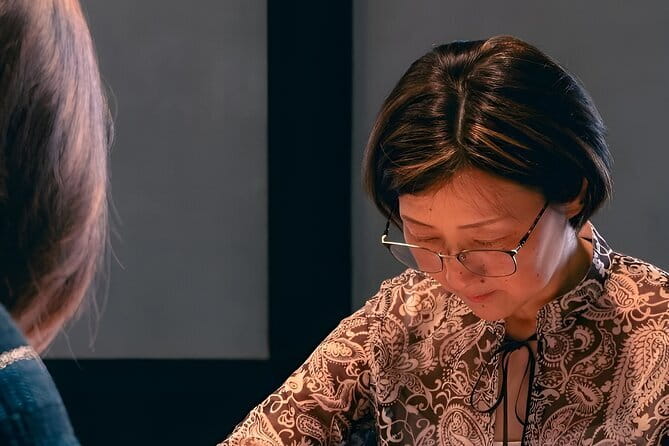
This workshop has a relaxed tone. Reviews describe a calm, chilled vibe and a relaxing environment. That matters because sashiko is repetitive by nature, and the craft is easier to enjoy when you’re not battling stress or noise.
One review notes that the instructor is patient and professional. That’s a big deal in needlework classes, because small corrections can save you from hours of frustration. Here, it sounds like you get guided step-by-step support rather than a quick once-over and good luck.
There’s also an extra human element: the workshop environment feels communal in a good way. People mention the team and the group dynamic as part of why it was memorable. If you’re traveling solo and want a low-pressure social activity, that kind of atmosphere is a strong plus.



Don’t Skip the Adjacent Shopping Corner
Right next to the workshop area, there’s a shopping corner you’re encouraged to check out. It’s part of the craft experience, not an afterthought. You can browse JunAle original goods, sewing kits, hand-dyed threads, and clothing made for real wear.
A practical bonus: discounts are available for cash payments. So if you’re comfortable using cash in Japan and you see threads or kits you want, you’ll likely get a better deal there than you would in a casual browse.
Think of this section as a way to continue the hobby after the class. If you like the look of the finished work, you can buy supplies and try again with your own pattern choices.
Price and Value: Is $68.29 Worth It?
The price is $68.29 per person, and the session runs about 2 hours. On paper, it’s not cheap, but the value comes from what’s included and what you get to take home.
You’re paying for:
- Tools and materials (fabric, needles, threads, and specialized tools)
- Instruction from an experienced artisan, Jun
- English guidance
- A completed sashiko item you take home (such as a coaster)
- Cultural context: history and symbolism tied directly to the patterns
For craft classes, the hidden cost is often materials and instruction time. This one handles both for you. Also, the small-group size (max 8) helps you get real coaching instead of passive instruction.
If your goal is a quick souvenir photo, this may feel like more effort than you want. But if you want a meaningful skill you can repeat, plus a finished usable item, the price lands in a reasonable zone for the kind of guided, hands-on experience you’re getting.
Timing, Getting There, and What to Plan For
This is a 2-hour activity, ending back at the meeting point. That makes it easy to slot into your day in Osaka without building your schedule around a long tour.
The meeting point is listed at 1-chōme-4-18 Shigita, Joto Ward, Osaka, 536-0015, Japan. The workshop is near public transportation, so you should be able to reach it without turning your day into an Uber marathon.
One practical note: the experience requires good weather. The workshop is indoors, but the provider flags weather as a factor, so keep an eye on your day and be ready for a reschedule if needed.
Also, the activity uses a mobile ticket. That’s a convenience if you like keeping everything on your phone instead of juggling paper.
Who This Workshop Is For (and Who Might Want a Different Class)
This class fits best if you want a blend of hands-on craft and cultural context. You’ll likely enjoy it if you like learning why a tradition exists, then applying that knowledge with your hands.
It’s also a good fit if you’re new to Japanese crafts. The workshop is designed so most travelers can participate, and it’s framed for both beginners and experienced crafters. The structure—history, stitch demo, then your own geometric stitching—helps you build confidence quickly.
If you already have advanced sashiko technique and want only advanced training, this may feel more like an introduction. It’s still valuable, but you may not get the long, intensive practice you’d want for higher-level refinement.
Should You Book the Osaka Small Group Sashiko Workshop?
I’d book it if you want a calm, guided way to learn sashiko in Osaka and take home a real finished piece. Between the instruction by Jun, the included tools and materials, and the cultural explanation of history and symbolism, it has the ingredients of an experience that actually sticks with you after the class ends.
Book it with a realistic expectation: it’s an approachable skill session, not a multi-day master course. But if you want a meaningful afternoon, a new craft, and a usable take-home item, this is the kind of activity that delivers.
FAQ
How long is the Osaka Small Group Sashiko Japanese Craftmanship Workshop?
It’s about 2 hours (approx.).
Where is the meeting point for the workshop?
The meeting point is 1-chōme-4-18 Shigita, Joto Ward, Osaka, 536-0015, Japan.
What’s included in the price?
The price includes all necessary tools and materials, instruction from an experienced instructor, a completed sashiko item to take home, and cultural insights. English guidance is also included.
Do I need to bring my own sashiko supplies?
No. All necessary tools and materials are included, including fabric, needles, threads, and other sashiko-specific tools.
What will I make in the workshop?
You’ll complete a handcrafted sashiko item, such as a coaster.
Is the workshop taught in English?
Yes, guide languages offered include English.
How big is the group?
The workshop has a maximum of 8 travelers.
Is transportation to the venue included?
No. You’re responsible for getting to the venue yourself.
Is it suitable for beginners?
Yes. The workshop is designed so most travelers can participate, including beginners and experienced crafters.
Is there any weather requirement?
Yes. The experience requires good weather, and if it’s canceled due to poor weather, you’ll be offered a different date or a full refund.
What is the cancellation policy?
Free cancellation is available up to 24 hours in advance of the experience for a full refund. Canceling less than 24 hours before start time isn’t refunded, based on local time.