REVIEW · OSAKA
Amanohashidate & Ine Funaya Sightseeing Full Day Trip from Kyoto
Book on Viator →Operated by F Trip · Bookable on Viator
Pines, boats, and one unreal sandbar. This Amanohashidate & Ine Funaya full-day trip pairs Ine Bay’s iconic Funaya boathouses with the pine-covered “bridge to the heavens” of Amanohashidate, plus an organized guide who keeps the day moving. I love that you get both sea-level and elevated viewpoints, so the scenery makes sense fast instead of feeling random.
I really like the built-in free time at each stop, which lets you pace yourself for photos, snacks, and a slow look around. I also like how the guide approach can vary by language and style, from leaders like Lee, Laura, Steven, and Nate, but the common thread is clear meet-up timing and practical directions.
The main consideration is the long day: you’re looking at about 9 hours total, including a hefty bus ride both ways, and some of the best angles cost extra (chairlift/monorail and the boat). If you dislike waiting outdoors or don’t want add-on tickets, this may feel like too much time for too many choices.
In This Review
- Key highlights you’ll feel on the day
- A coast day trip that actually feels different from Kyoto
- Ine Fishing Village: Funaya boathouses and the calm Sea of Japan mood
- Funayanosato observation deck: your shortcut to understanding Ine Bay
- Ine Cafe stop: a break that’s worth planning for
- Ineura Park: close-up details of the Funaya district
- Ine Bay sightseeing boat: the extra ticket that changes the angle
- Amanohashidate Viewland: the famous sandbar, with a chairlift decision
- Chion-ji Temple, Kaisen Bridge, and Amanohashidate Beach time
- The day’s real rhythm: bus time, pacing, and seat planning
- Price and value: what the $64.90 covers, and what you’ll add
- Who should book this trip (and who should skip it)
- Should you book this Amanohashidate & Ine Funaya full-day trip?
- FAQ
- How long is the Amanohashidate & Ine Funaya full-day trip?
- How much does the tour cost?
- What’s included in the price?
- What is not included?
- Do I need to pay admission at each stop?
- Where does the tour start?
- Is the group size limited?
- Can I cancel and get a refund?
Key highlights you’ll feel on the day
- Funaya boathouses from land and sea so you can compare views instead of guessing
- Observation deck panoramas that make Ine Bay look exactly like a postcard
- A café stop with scenery so you can recharge without scrambling for food
- Optional sightseeing boat for the close-up angles and seagull spectacle
- Amanohashidate from multiple levels with temple, bridge, and beach stops
A coast day trip that actually feels different from Kyoto
Kyoto is temples and streets. This day trip adds coastline—wide water, boats, pine trees, and those long bayside sightlines that make you exhale. You’ll start in northern Kyoto Prefecture with Ine, then pivot to Amanohashidate for the famous sandbar view.
What makes it work is the pacing. The stops are short enough that you’re not trapped on a bus all day, but long enough that you’re not forced into a rushed stamp-and-go tour. And because you’re traveling as a group with transfers from either Kyoto or Osaka, you avoid the headache of piecing together trains and local buses on your own.
You can also read our reviews of more tours and experiences in Osaka
Ine Fishing Village: Funaya boathouses and the calm Sea of Japan mood
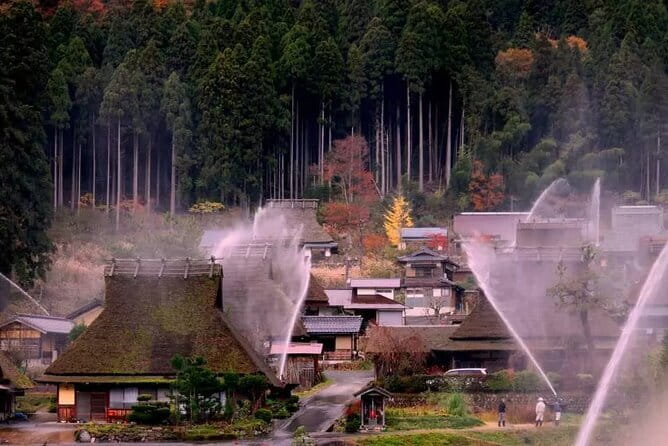
Ine is a coastal fishing area on the Sea of Japan, known for traditional wooden boat houses called Funaya. When you first arrive, take a few minutes just to orient yourself: you’re looking at a whole strip of buildings that face the water, not a single landmark you sprint to.
Your first stop is built for this kind of settling-in. You get about 30 minutes at Ine fishing village with admission ticket-free time, which is enough to walk the waterfront edges and find angles where the boathouses line up neatly. If you like photos, this is the moment to do the “wide shot first” move, because later views are closer and higher.
One practical tip: wear shoes you trust on uneven outdoor ground. Ine looks gentle, but you’ll still be standing and walking in coastal conditions where surfaces can be slick or uneven.
Funayanosato observation deck: your shortcut to understanding Ine Bay
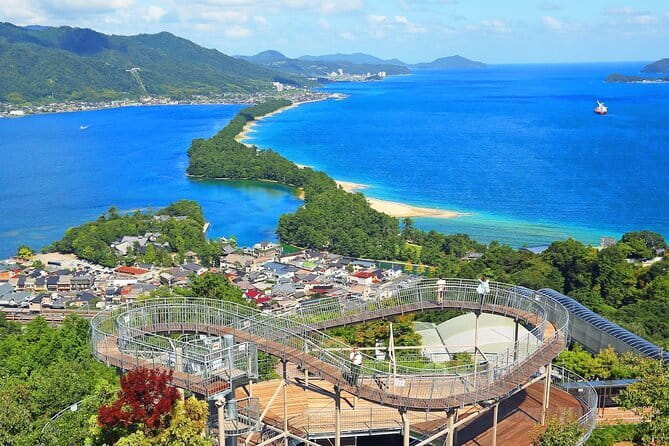
Next you’ll head up to Funayanosato observation deck in about 30 minutes. This is where Ine makes its full visual sense: Ine Bay opens out in a panoramic sweep, with the Funaya cluster appearing like a pattern along the waterline.
I love observation stops like this because you don’t need background knowledge to enjoy them. You can simply look and recognize shape—what’s close, what’s far, and how the coastline curves.
This is also a good time to decide how you want to spend your energy later. If the bay view already looks amazing from above, you can enjoy the rest of the day with less pressure. If you’re hungry for a closer look, the next stops and the optional boat become much more meaningful.
Ine Cafe stop: a break that’s worth planning for
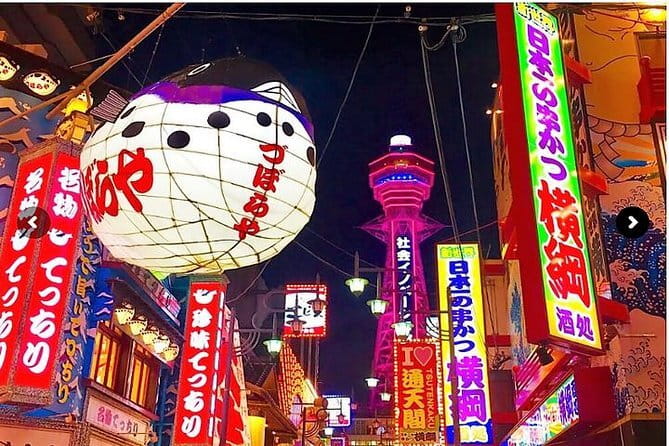
You’ll get a short break at Ine Cafe for about 20 minutes, and yes, it’s known as an Instagram-friendly spot. The real value isn’t the hype. It’s that you can sit with coffee and cake while the bay and Funaya scenery stay in view.
This is where the tour’s pacing shows. Instead of forcing you to hunt for lunch right away, it gives you an earlier reset so you’re not running on fumes for the afternoon.
If you’re traveling with someone who thinks they might not care about cafés, treat it as a scenic pause. Even if you just grab a drink, it helps you slow down and enjoy the coast rather than just collecting sights.
Ineura Park: close-up details of the Funaya district
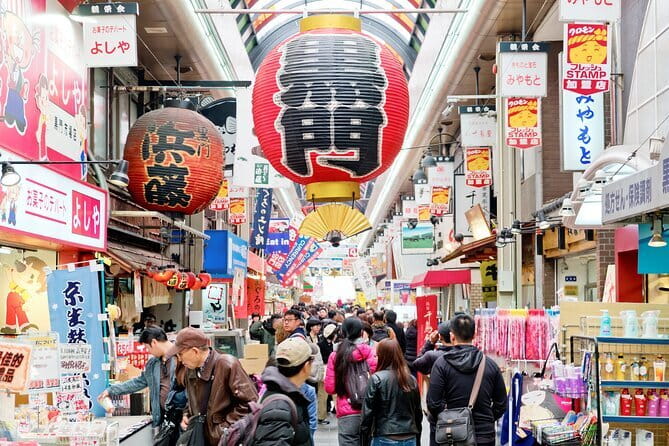
Ineura Park is a shorter stop (about 20 minutes) in the center of the Funaya area facing the sea. This part is designed for you to get closer to the boathouses and see the building style up close, not just from a viewpoint.
I find places like this useful because you stop seeing Ine as a single photo and start seeing it as a living waterfront layout. You’ll likely notice textures, layout patterns, and the way the houses relate to the shore.
If you like history, this is where you’ll feel it most—even if you don’t go deep on any one story. You’re watching a working coastal town’s form and function, not just looking at a museum display.
You can also read our reviews of more tours and experiences in Osaka

Ine Bay sightseeing boat: the extra ticket that changes the angle
Here’s the main choice point: the Ine Bay sightseeing boat costs extra (JPY 1,200 per person, JPY 600 per child) and lasts about 30 minutes. It’s not included, but it’s a big reason many people consider this itinerary worth it.
From the sea, you get the Funaya boathouses from a different geometry—closer, lower, and more layered. And the boat ride comes with a very real coastal entertainment factor: flocks of seagulls can gather around, and one review specifically called out the fun of feeding birds.
If you take the outdoor deck, plan for wind. One reviewer suggested bringing a poncho because the deck can get cold or breezy when birds are circling. Even in warmer months, that little bit of gear can make the difference between enjoying the ride and thinking about how fast you can get back inside.
Amanohashidate Viewland: the famous sandbar, with a chairlift decision
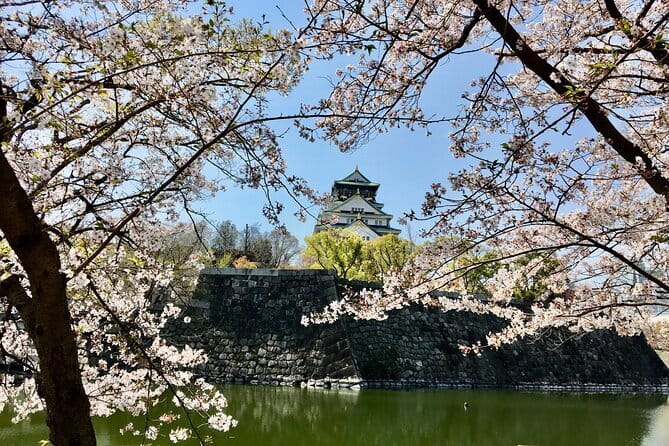
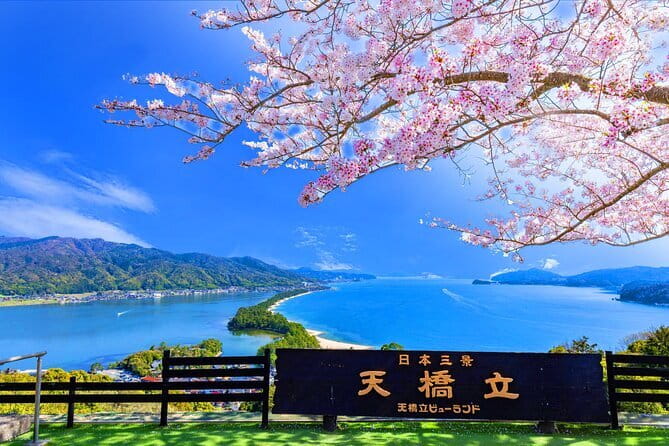
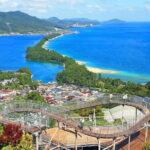
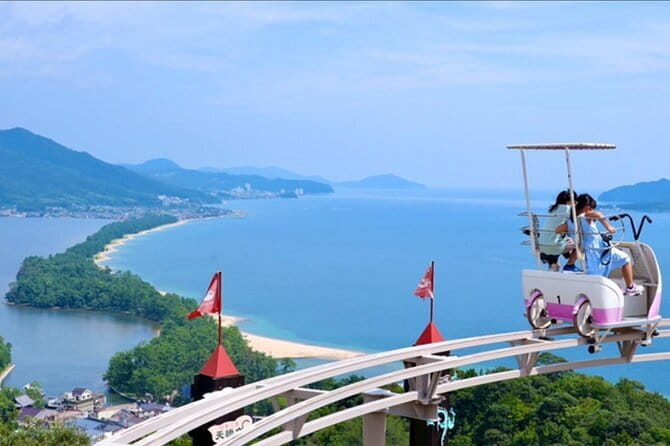
After the bay, you’ll make the shift to Amanohashidate viewland for about 50 minutes. Amanohashidate is known as one of Japan’s Three Most Scenic Views, and the sandbar’s shape is the whole story—pine-covered, stretching like a bridge.
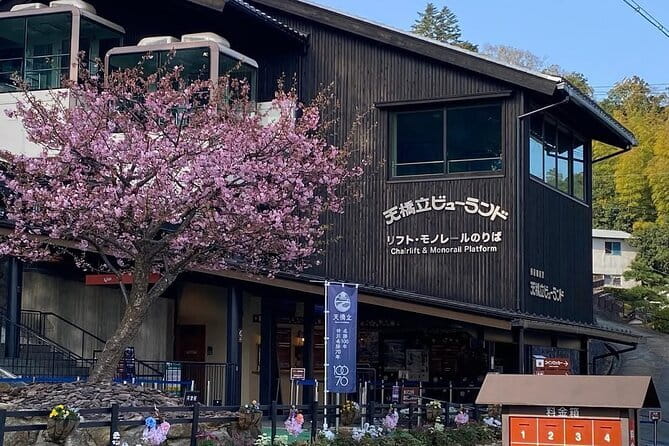
One of the smartest ways to use your time here is to decide early whether you’ll go up via chairlift or monorail. The additional cost is JPY 1,000 per person (JPY 500 per child). If you do go up, you get a better overhead look at the sandbar, which can be breathtaking in clear weather.
There’s a tradeoff: Amanohashidate can be crowded on weekends. One review noted that on a Saturday the wait in line for the lift took time away from exploring the top and shrine area. If you can, go on a weekday when possible, or at least accept that you may spend part of your 50 minutes in queues.
If you don’t want the lift, you can still enjoy the sandbar views from lower areas and spend that time on the temple and walking routes.
Chion-ji Temple, Kaisen Bridge, and Amanohashidate Beach time
Your Amanohashidate portion includes several short stops that each add a different flavor: spiritual site, clever engineering, and shoreline scenery.
Chion-ji Temple is about 20 minutes at the southern entrance of the sandbar. The temple houses one of Japan’s Three Important Statues of Monju Bosatsu, a Buddhist deity associated with wisdom and intelligence. You don’t need to be a temple scholar to appreciate the calm and the setting right at the sandbar approach.
Then there’s Kaisen Bridge, also about 20 minutes. This is the rotating bridge that turns 90 degrees when ships pass. It’s an attention-getter because it’s practical design you can see in action from the route context, and it was originally built in 1923.
Finally, you’ll have time at Amanohashidate beach for about 20 minutes. Think white sand, pine trees, and deep blue water—enough time to walk a bit and take a few final photos before returning to the bus.
If you’re someone who likes to end a trip with a simple, beautiful stretch of shoreline, this is your finish line.
The day’s real rhythm: bus time, pacing, and seat planning
This is a full-day coastal loop, so you should expect a bus ride. Reviews also mentioned the drive can run around 2 to 2.5 hours each way from the Kyoto pickup area. That means the tour is best for people who don’t mind travel time if the payoff is scenery.
The good news is that the tour schedule is built around frequent short breaks rather than one long squeeze at a single location. You get a mix of viewpoint time, walk time, and optional add-ons. You also get admission ticket-free time at many stops, so you’re not constantly pulling out your wallet.
One practical detail that matters: bus seats are assigned, and one review advised to let the tour leader know about seating preference. If you care about window views for Amanohashidate or want easier access for getting on and off faster, mention it at booking.
Also, because this is near public transportation, it’s easier for you to confirm you’re in the right place for pickup—still, show up early. Coastal day trips run on timing, not on vibes.
Price and value: what the $64.90 covers, and what you’ll add
At $64.90 per person, you’re paying for more than entry tickets. You get an air-conditioned vehicle, an onboard guide, and round-trip transfer from designated meeting points in Osaka or Kyoto. For many people, that alone is the value—this route can be tricky without a car.
Most stops have free admission ticket time (like the early Ine village and the observation deck areas), so your spending naturally shifts to optional experiences. The big add-ons are:
- Amanohashidate chairlift/monorail: JPY 1,000 per person (JPY 500 per child)
- Ine Bay sightseeing boat: JPY 1,200 per person (JPY 600 per child)
- Lunch and personal expenses (not included)
If you choose both optional rides, you’re effectively buying “two viewpoint systems”: a sea-level look at Funaya and a higher-level look at the sandbar. For many travelers, that’s the sweet spot.
If you don’t want add-ons, you can still get a satisfying day. But you’ll likely miss one of the key angle changes—seeing Ine from the water.
Who should book this trip (and who should skip it)
This tour suits you if:
- you want a break from Kyoto’s temple crowds with a real change of scenery
- you like photos and viewpoints in the same day
- you’re okay with walking short distances and spending time outdoors
- you prefer having transfers and timing handled for you
I’d be cautious if:
- you strongly dislike long bus rides
- you want a day with no optional paid rides
- you travel with very limited time and hate waiting in lines (weekend crowds at Amanohashidate can slow things down)
For families, it’s helpful that the tour notes you can indicate stroller or large luggage needs during booking. And the group size is capped at 45 travelers, which generally keeps the day from feeling chaotic.
Should you book this Amanohashidate & Ine Funaya full-day trip?
I’d book it if you want one efficient day that combines coastal village life (Funaya boathouses) with the famous sandbar scenery at Amanohashidate. The value is strongest when you take at least one of the optional rides—ideally the boat and/or the chairlift—because those are the moments that change how the landscape clicks.
My best practical advice: if your dates allow it, aim for a weekday to reduce lift and crowd friction at Amanohashidate. Bring a light poncho if you’re taking the boat deck in breezy conditions. And if you care about comfort, mention seating preferences at booking.
FAQ
How long is the Amanohashidate & Ine Funaya full-day trip?
The duration is about 9 hours.
How much does the tour cost?
The price is $64.90 per person.
What’s included in the price?
Included are an air-conditioned vehicle, a guide, and round-trip transfer from designated meeting points in Osaka or Kyoto. You also receive a mobile ticket.
What is not included?
Not included are the Amanohashidate chairlift or monorail tickets (JPY 1,000 per person / JPY 500 per child), the Ine Bay sightseeing boat (JPY 1,200 per person / JPY 600 per child), and lunch and personal expenses.
Do I need to pay admission at each stop?
Many stops list admission as ticket-free, but the chairlift/monorail and the Ine Bay sightseeing boat are paid add-ons.
Where does the tour start?
The tour offers round-trip transfer from designated meeting points in either Osaka or Kyoto.
Is the group size limited?
Yes, the tour has a maximum of 45 travelers.
Can I cancel and get a refund?
Yes. You can cancel up to 24 hours in advance for a full refund. If you cancel less than 24 hours before the start time, the amount paid is not refunded.