REVIEW · OSAKA
Osaka: Kendo Workshop Experience
Book on GetYourGuide →Operated by Park for us Co.,Ltd · Bookable on GetYourGuide
Bamboo swords make the past physical. This Osaka kendo workshop at 鴫野会館 / Shigino Kaikan hall turns martial-arts tradition into a coached, hands-on practice, with safe instruction from start to finish. You’ll learn the flow of training, from etiquette and basic lecture to controlled strikes, all inside a dojo that feels calm and focused.
I like that the session teaches kendo as a whole routine, not just how to swing. You go through manners and the mindset side, then put on the men face protector and practice again before a match-style mini-game and up-close technique demonstrations. One drawback: this is real physical training, and it isn’t suitable for children under 9, pregnant women, or anyone with mobility impairments or wheelchair use.
In This Review
- Key things to know before you go
- Entering 鴫野会館 and settling into dojo quiet
- The training mindset: Unify your spirits, Manners, and lifelong kendo
- Getting geared up: rental armor, bamboo swords, and the men face protector
- Drills and the “match-style mini-game” that anyone can do
- Close-up national-level demos and how to watch like a student
- Price and value: what $116 buys in 2 hours
- Who should book (and who should skip)
- After training: an Izakaya stop and a Special Samurai meal
- Should you book this Osaka kendo workshop?
- FAQ
- How long is the Osaka kendo workshop?
- Where is the meeting point?
- How big is the group?
- What languages are the instructors?
- What’s included in the price?
- Are pets or alcohol allowed?
- What’s the cancellation and payment flexibility?
Key things to know before you go
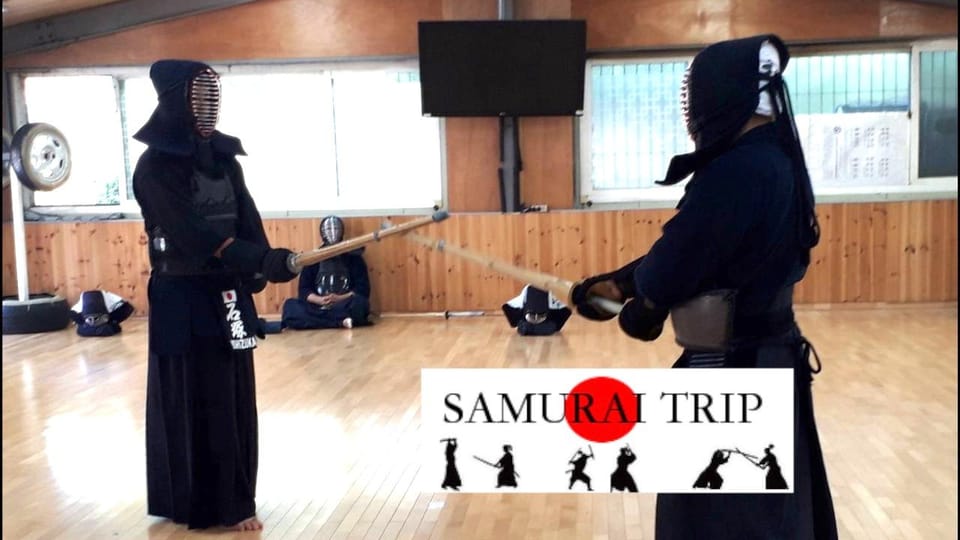
- A full 2-hour training arc that goes from etiquette and drills to a match-style mini-game
- Dojo manners are taught on purpose, so you know how to move and behave before you strike
- Rental kendo armor and the men face protector are part of the experience, used under instructor supervision
- You learn with your teacher’s guidance, including hitting drills directed at the instructor
- National-level demonstrations let you study techniques at close range
- A special kendo towel and photos help you take the memory home (and use the towel right away)
Entering 鴫野会館 and settling into dojo quiet
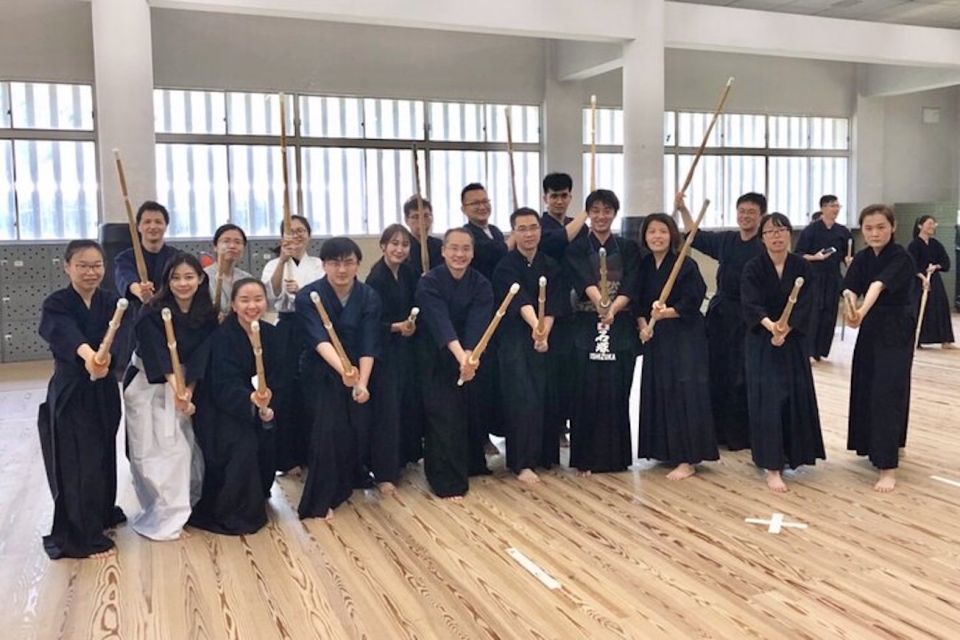
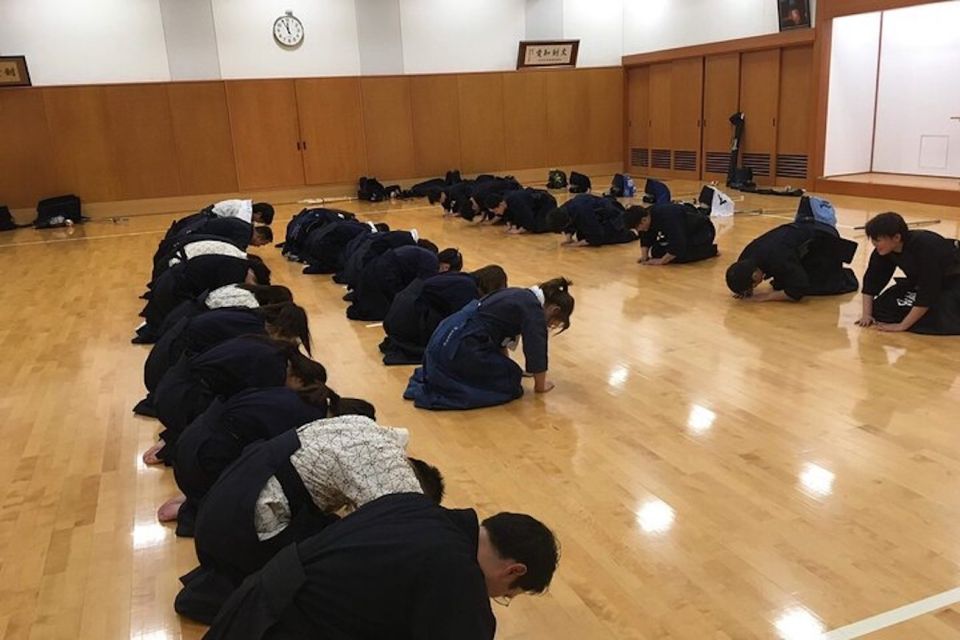
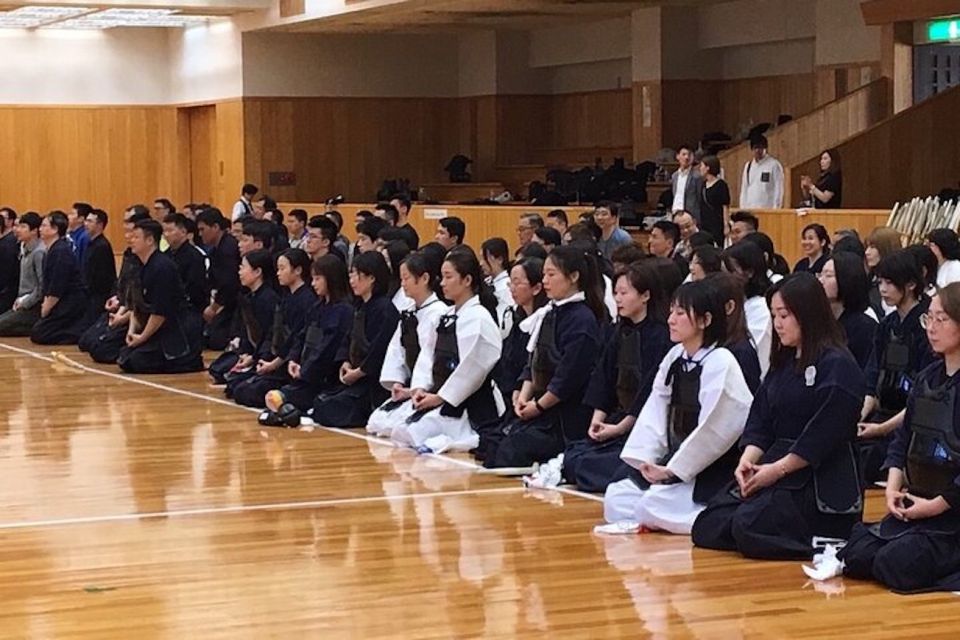
You meet at 鴫野会館 / Shigino Kaikan hall in Osaka. From the moment you arrive, the vibe is not party-mode. It’s structured, quiet, and respectful, the way a dojo should feel when people are actually training.
Before you start striking, you’ll change clothes for kendo practice as part of the planned program. You’ll also get practical basics that make it easier to focus on the lesson: mineral water and a Japanese hand towel are included. And since there’s no hotel pickup or drop-off, you’ll want to build in a little buffer time to get to the meeting point calmly.
Even if you’ve never tried kendo, you’re not thrown into chaos. The session is built around coached instruction—step-by-step, with experienced instructors guiding the rhythm of what to do next. That matters, because kendo isn’t only about power. It’s about control, posture, timing, and how you carry yourself.
You can also read our reviews of more tours and experiences in Osaka


The training mindset: Unify your spirits, Manners, and lifelong kendo
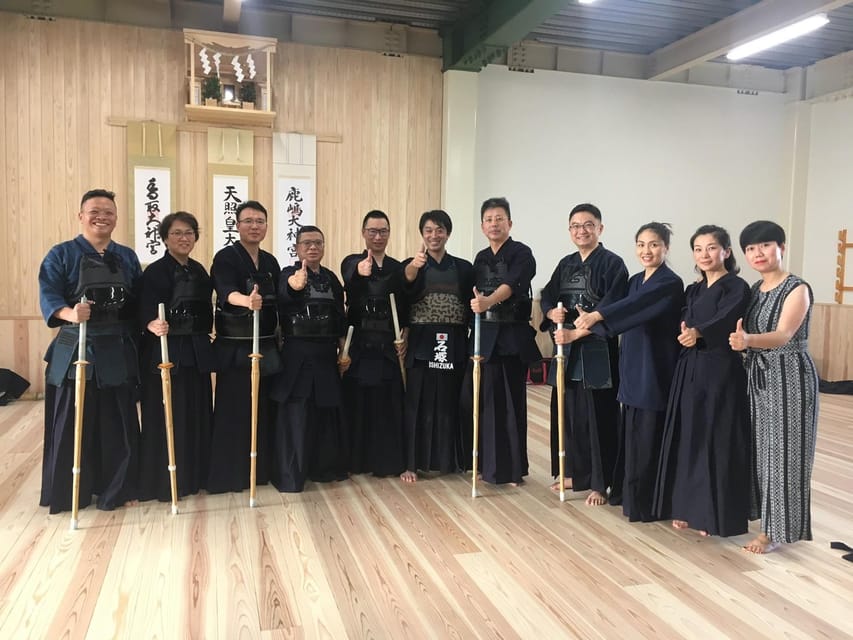
Kendo can sound intimidating from the outside. But the way this experience is designed makes it teachable. Early on, you’re given a basic lecture and etiquette instruction. You’re not just learning techniques; you’re learning the culture behind them.
The session explicitly focuses on three training ideas: Unify your spirits, Manners, and Lifelong Kendo. In plain terms, that means the instructors steer you toward the mental side of the practice. You learn that good kendo starts before contact—how you stand, how you prepare, and how you show respect in a training space.
There’s also an interval where you study a Kendo culture course. This is where you’ll learn more than what’s happening in front of you. You get context on the history of kendo and how it’s understood as a martial art, including manners as part of the discipline. That cultural piece is one of the reasons the experience feels different from a quick “swing and pose” activity.
Getting geared up: rental armor, bamboo swords, and the men face protector
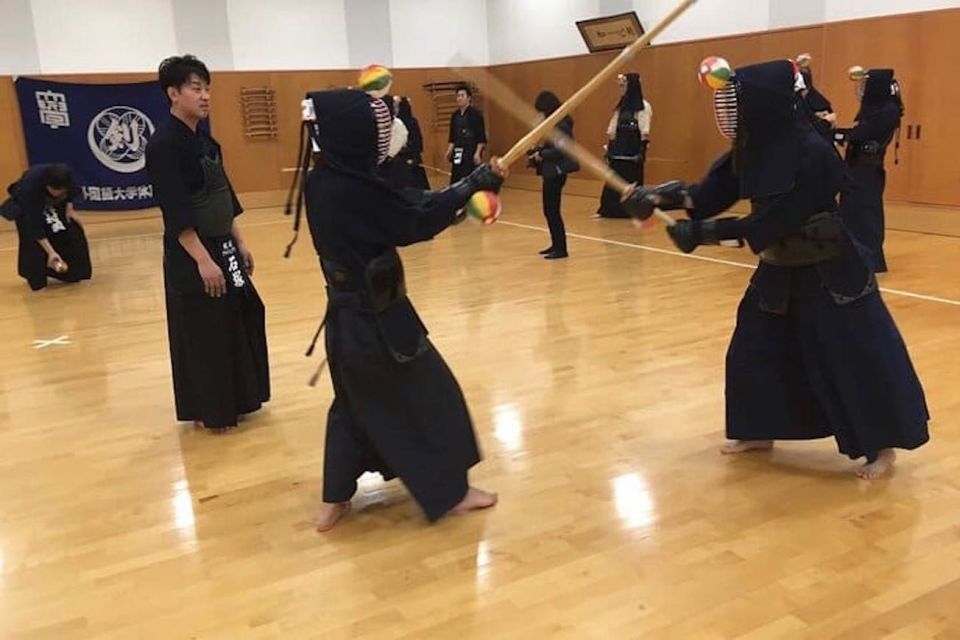
The equipment part is one of the most reassuring pieces. You get rental kendo armor and equipment, and the men face protector is included as part of the training flow. That means you’re not stuck figuring out gear on your own while everyone else is already in motion.
A small but thoughtful touch: participants receive a special kendo towel to use when putting on their men. It’s a practical detail, and it also signals that the experience cares about the in-between steps. In kendo, little routines matter.
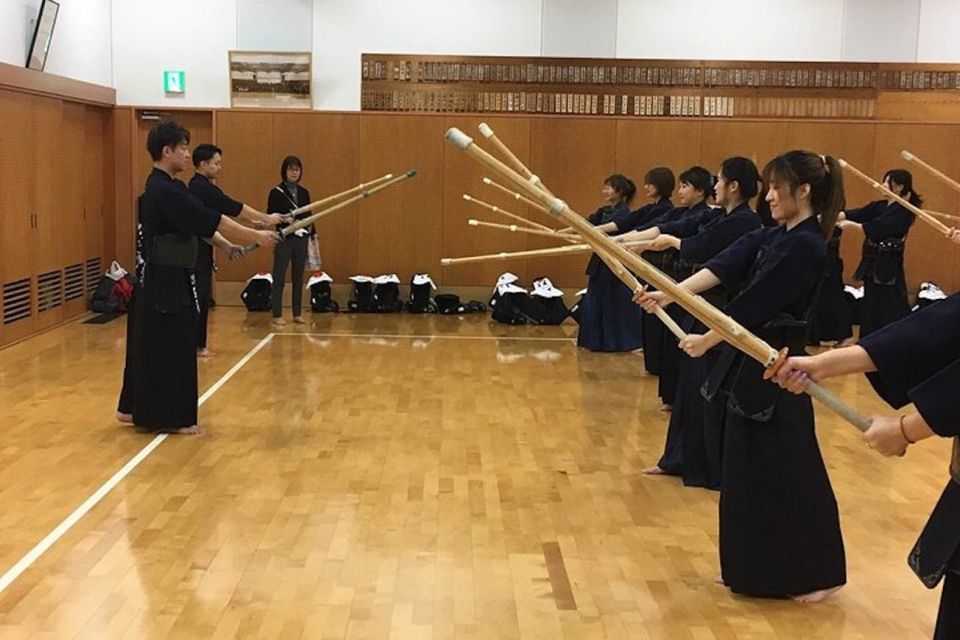
Once you’re equipped, you start with hitting using bamboo swords in a structured way. Then you move into hitting to the teacher. This is key. It’s not only solo practice; it’s guided interaction where you learn how your strikes land and how to adjust based on what the instructor is asking for.
You’ll likely notice how much the training emphasizes safe form and timing over wild swings. The calm dojo quiet, the sound of bamboo swords colliding, and the instructors’ voices giving cues are part of what makes it feel like training rather than entertainment.
Drills and the “match-style mini-game” that anyone can do
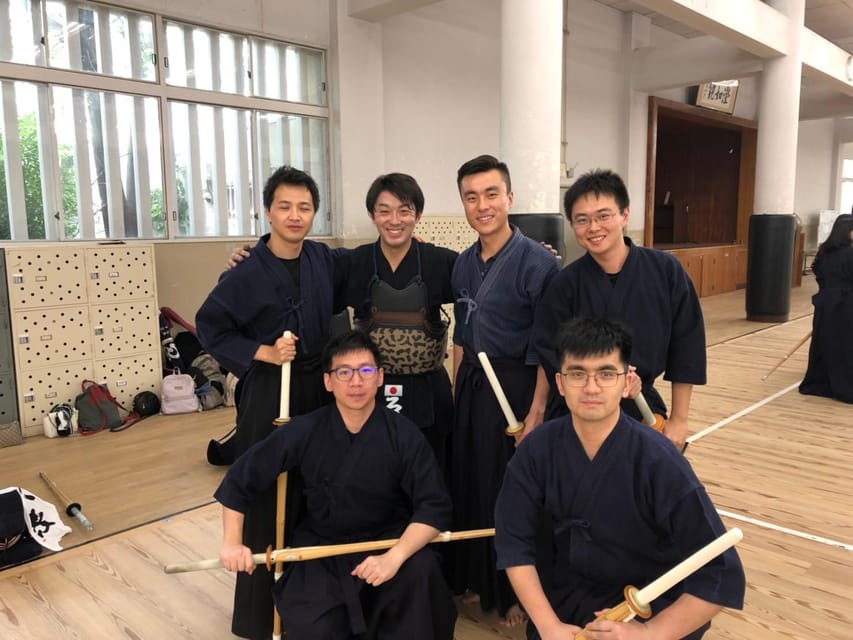
After the initial rounds—etiquette, lecture, bamboo-sword hitting, and teacher-directed practice—you eventually reach the part that most people come for: a match-style mini-game.
This is set up so you can actually participate. That’s a big deal for first-timers. Instead of turning the session into a spectator event, the format pushes you toward doing. And because you’ve already practiced the basics—posture, handling the bamboo sword, and interacting during drills—you’re not starting from zero.
The mini-game is also where the training mindset clicks. You’re using what you learned earlier: manners, controlled movement, and timing. Even if your technique isn’t perfect, the structure gives you a clear goal. You get the feel of kendo as a back-and-forth skill, not only a sequence of rehearsed moves.
Close-up national-level demos and how to watch like a student
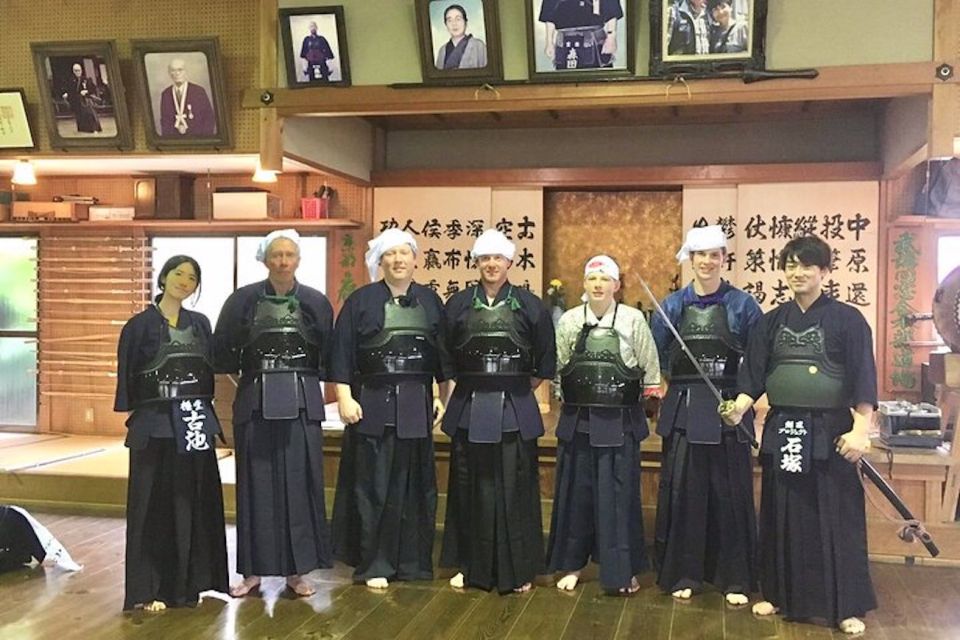
Just when you think you’ve done the main activity, the session adds demonstrations by national-level instructors. This part is worth treating as a mini lesson of its own. You’re up close, so you can observe technique details that are hard to pick up from videos.
Watch how they handle distance and timing. Watch how the posture stays grounded while the strikes happen. And pay attention to manners and rhythm, because that’s part of how kendo communicates discipline.
After the demos, the session includes etiquette time and photography. You’ll take a picture to remember the kendo experience. That’s not just a souvenir grab. It’s the kind of final step that closes the loop—practice, observation, respect, and then a record of what you did.
When the session ends, you change clothes and the experience wraps up. It’s organized, so you’re not left wondering what happens next.

Price and value: what $116 buys in 2 hours
At $116 per person for a 2-hour experience, you’re paying for three things: coaching, equipment access, and a training format that’s hard to replicate cheaply.
What you’re getting included helps justify the price:
- Professional guide/instructor
- Rental of kendo armor and equipment
- Mineral water
- Japanese hand towel
Notably, food isn’t included, and there’s no hotel pickup or drop-off. So this isn’t a full-day package. It’s a focused training block.
The value sweet spot is the small group setup: it’s limited to 2 participants. In a sport like kendo, feedback matters. Small group coaching means you can actually get your form corrected instead of being one face in a crowd.
You’re also not stuck on the basics for the whole time. You get a full arc that includes hands-on hitting, a match-style mini-game, and demonstrations by national-level instructors. For many people, that combination is what makes it feel worth it.
Who should book (and who should skip)
This is a great fit if you want:
- Real, structured instruction—not a one-note stunt
- A calm dojo experience where etiquette is part of the lesson
- Hands-on practice with guidance
- A short time commitment (2 hours)
Based on the stated limits, it’s not suitable for:
- Children under 9
- Pregnant women
- People with mobility impairments
- Wheelchair users
Also, keep rules in mind: pets aren’t allowed, and alcohol and drugs are not allowed.
If you’re recovering from an injury or you’re not comfortable with the physical demands of donning gear and doing striking drills, it’s smart to choose another activity. Kendo is disciplined, but it still requires movement and control.
After training: an Izakaya stop and a Special Samurai meal
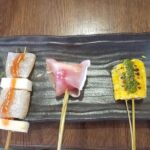
Once you finish and change clothes, you can head out to an Izakaya (Japanese restaurant). The activity experience notes that there’s a Special Samurai meal on the menu, so you can keep the theme going in a fun, low-effort way.
Food isn’t included in the workshop price, so you’ll plan on paying for dinner separately. The good news is the timing works: after a kendo session, you’ll probably feel ready for something warm and filling.
Should you book this Osaka kendo workshop?
Book it if you want a short, serious taste of kendo with real coaching, clear etiquette instruction, and equipment provided. I’d especially recommend it if you like learning the “why” behind a craft, not only copying the motion. The combination of hitting drills, a match-style mini-game, and national-level demonstrations is a smart way to get perspective fast.
Skip it if you’re looking for purely relaxing sightseeing. This is training—hands-on, structured, and not suited to everyone physically. If you fit the eligibility guidelines, though, this experience is one of those rare activities where you leave understanding the sport a lot better than when you arrived.
FAQ
How long is the Osaka kendo workshop?
It lasts 2 hours.
Where is the meeting point?
The meeting point is 鴫野会館 / Shigino Kaikan hall.
How big is the group?
It’s limited to 2 participants.
What languages are the instructors?
The workshop is taught in English and Japanese.
What’s included in the price?
Included are the professional guide/instructor, rental of kendo armor and equipment, free mineral water, and a free Japanese hand towel. Food is not included.
Are pets or alcohol allowed?
No. Pets are not allowed, and alcohol and drugs are not allowed.
What’s the cancellation and payment flexibility?
You can cancel up to 24 hours in advance for a full refund. You can also reserve now and pay later to keep your travel plans flexible.