REVIEW · OSAKA
Pickleball in Osaka, Kobe & Kyoto with Locals!
Book on GetYourGuide →Operated by omoroi life · Bookable on GetYourGuide
Pickleball in Japan feels like a quick shortcut to real connection. This session mixes friendly locals with an English/Japanese instructor, so you’re not just trying a new sport, you’re meeting people while you play. I especially like how it stays low-pressure even if you’re brand new, and how the group turns into new-friend mode fast. The main drawback is simple: you must show up to the correct gym for your session date, since setups are spread across different venues.
The experience is priced like a budget activity, but it includes a real gym setup with locker space and showers. I also love that it’s small, limited to 10 people, so you’re not stuck watching others. Your consideration: indoor shoes are required, and there’s no shoe rental, so pack smart before you arrive.
In This Review
- Key things to know before you play
- Why Pickleball in Osaka (and the Kansai Schedule) Works Better Than It Sounds
- What a 2–3 Hour Pickleball Session Feels Like on Court
- Gear Rules: Indoor Shoes, Paddles, and What’s Provided
- The Low-Pressure Play That Still Teaches You the Game
- Facility Reality Check: Lockers, Showers, and Court Time
- Price and Value: Why $6 Makes Sense for a Social Sport Night
- Who Should Book It (and Who Should Skip It)
- Booking Checklist for Osaka Pickleball: Don’t Lose Time at the Wrong Gym
- Should You Book Pickleball With Locals in Osaka (and the Kansai Options)?
- FAQ
- Do I get pickleball balls and access to shower facilities?
- Do I need to bring my own paddle?
- What shoes do I need?
- How long is the session?
- How many people are in the group?
- Where does it happen, and do I need the right gym?
Key things to know before you play
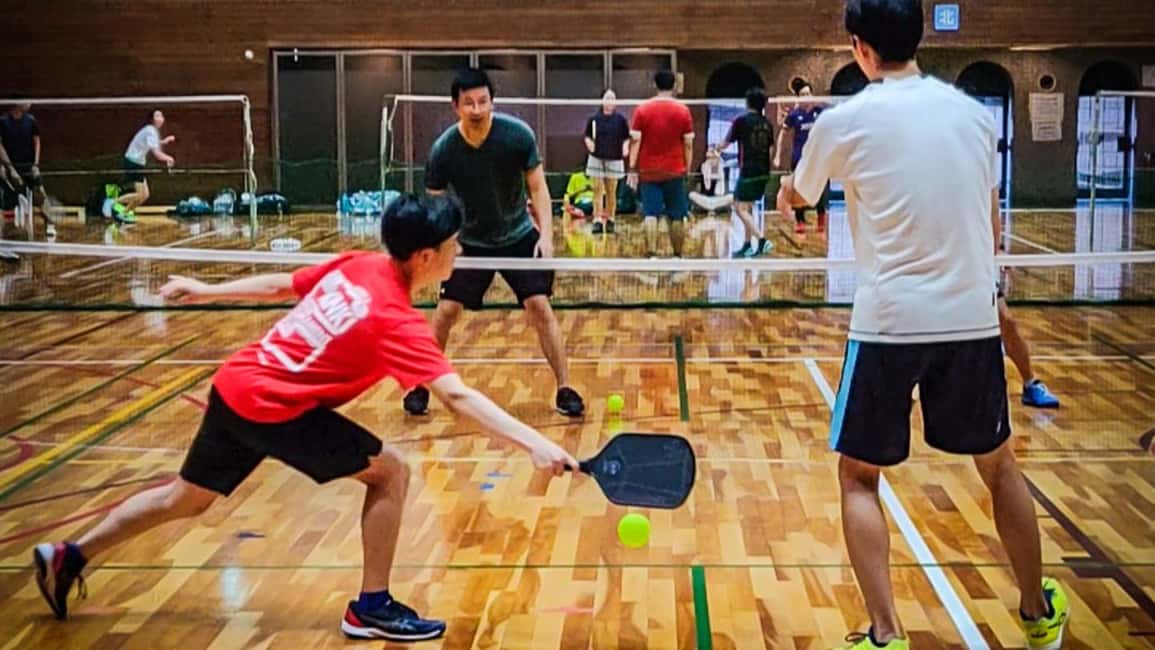
- Small-group open-play vibe: Limited to 10 participants, with lots of chances to get on court.
- Doubles matches, all levels welcome: You’ll be playing friendly doubles rather than competing like it’s a tournament.
- Local help when you need it: Organizers and players can coach and offer tips on the spot.
- Gear matters: Balls are provided, paddles may be rented (limited), but you must bring indoor shoes that have not been worn outdoors.
- A simple game-mixing system: One participant noted a paper-scissors-rock method used for how the group gets organized, and it works well for them.
- English scoreboard support: Even with Japanese speakers around, you may find scorekeeping in English.
Why Pickleball in Osaka (and the Kansai Schedule) Works Better Than It Sounds
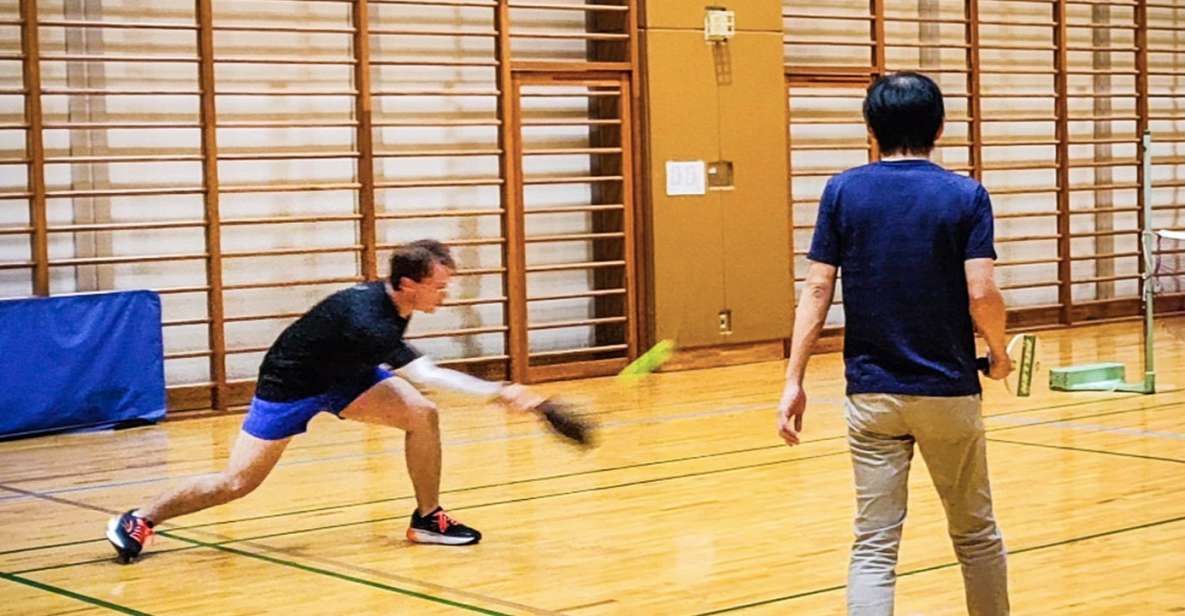
Pickleball is growing fast in Japan, and Osaka is a natural place to try it. The fun part isn’t just the sport. It’s that you’re doing something social and active with people who are there for the same reason you are: to play.
I like that this feels like a true community night, not a performance. The tone is relaxed, and the welcome is consistent in the feedback you’ll see from people who joined as solo players or couples. Several accounts describe the session as open play with locals, with the instructor running things but not turning it into a formal class all the time. You’ll hear different languages, but you’ll still be able to understand what’s happening because play is built around simple, repeatable doubles patterns.
There’s also a practical upside. You don’t need to be athletic to have a good time. Even beginners reported that the group stayed supportive and made it easy to jump in. If you’re looking for a break from sightseeing that still feels very Japan, this is it.
One more detail I find smart: you’re not stuck with just one style of participation. You can practice, rotate, and play games in a way that doesn’t require you to speak fluent Japanese. That matters in a country where “what do I do next?” can derail confidence fast.
You can also read our reviews of more tours and experiences in Osaka.

What a 2–3 Hour Pickleball Session Feels Like on Court
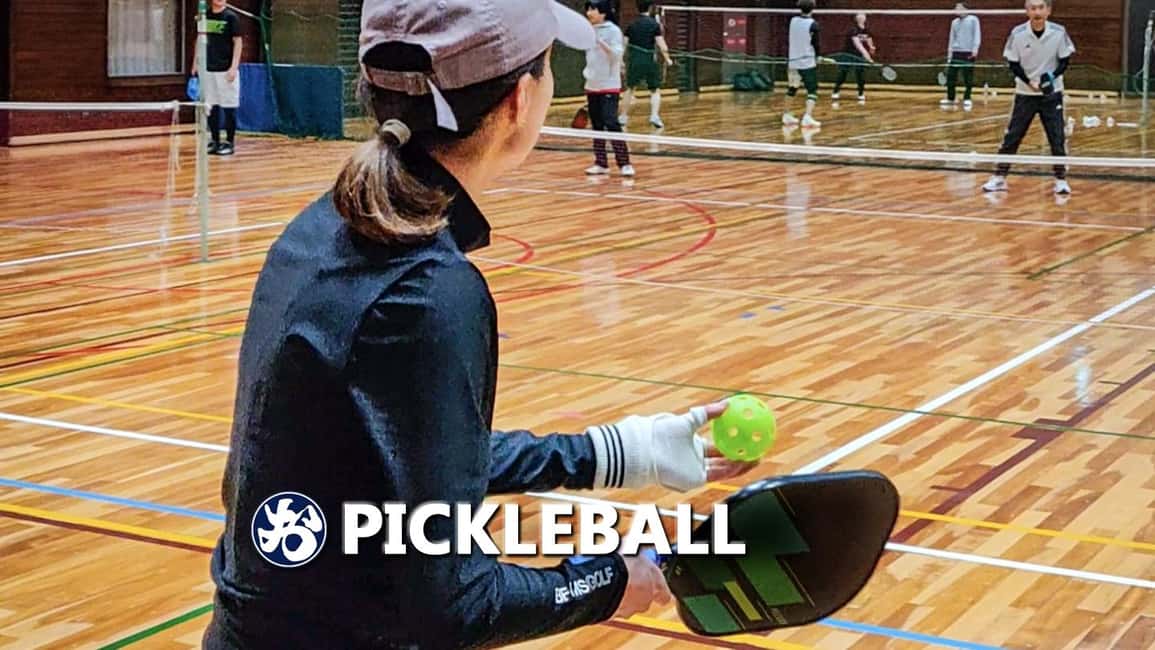
Think of the session as a smooth block of time built around doubles play and rotations. The exact flow can vary by gym, but you’ll generally recognize the rhythm quickly.
When you arrive, you’re at a real sports facility with a gym setup. You’ll check in, get your bearings, and switch into indoor shoes. Because this is a doubles-focused format, you’ll be placed with partners and opponents in a way that keeps games moving.
Next comes the teaching-and-practice phase. The instructor supports the group in English and Japanese, and other players can offer tips too. If you’re brand new, expect guidance on basic rules and how to rally without overthinking it. If you already play, you’ll still benefit from small adjustments and coaching on shot placement and doubles positioning.
Then you get into friendly doubles matches. The session is designed to stay leisurely and social, not stressful. People described it as similar to open play, which is useful if you’ve tried structured classes before and didn’t enjoy the stop-and-start teaching.
At some point, you’ll notice the group may use a simple method to mix players and keep rotations fair. One player specifically mentioned a paper-scissors-rock approach. You don’t need to understand it as a concept ahead of time. Just watch once, follow along, and you’ll be playing before you know it.
Finally, you’re done with enough energy left to feel satisfied, not wrecked. And you can reset afterward thanks to locker room and showers on site, which is a big deal in Japan where walking and transit can already take a toll.
Gear Rules: Indoor Shoes, Paddles, and What’s Provided
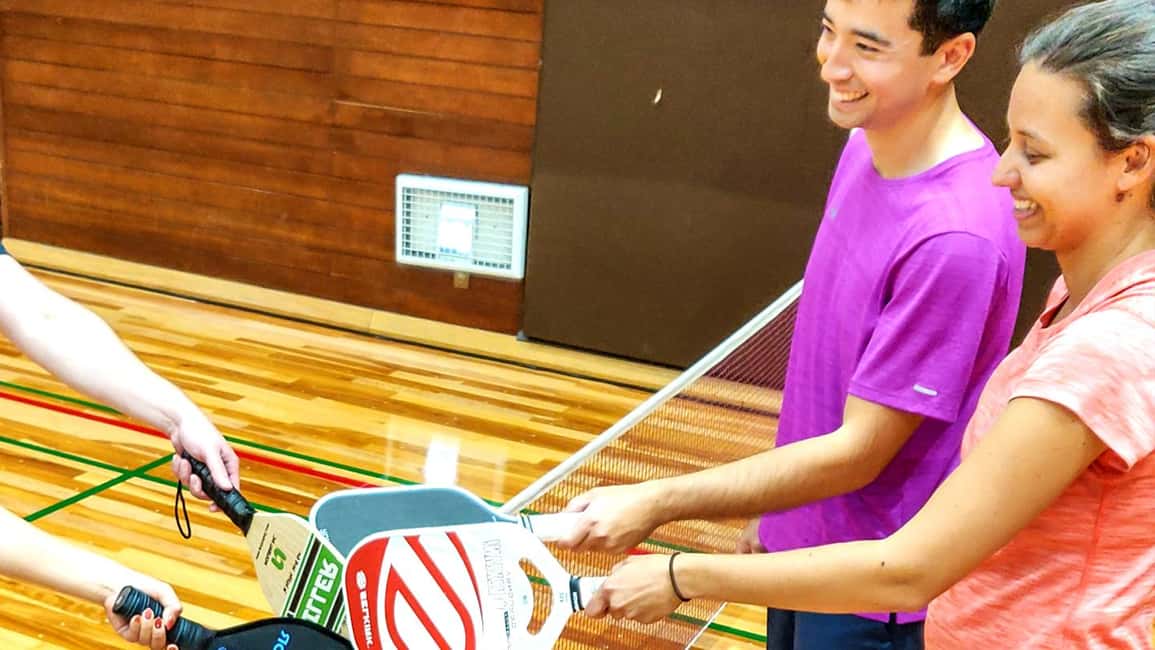
This is the part to get right, because it affects whether you feel comfortable from the first minute.
Included:
- Pickleball balls are provided.
- Locker room and showers are available at the gym.
Not included:
- Paddles: You should bring your own if you have one. There are a few rental paddles, but they’re limited.
- Shoes: You must bring indoor sports shoes (shoes that have not been worn outdoors). There are no shoe rentals.
That indoor-shoe requirement is not a small detail. It changes how you pack. If you only bring outdoor sneakers, you’ll likely need to buy something on the spot, and that’s annoying when you’re on a travel schedule.
Practical tip: pack a pair in your main luggage if you can. If you’re carrying only a day bag, make sure you still have access to clean indoor shoes at check-in.
If you do have a paddle, great. If you don’t, plan for the rental pool to be limited. Since it’s a small group (up to 10 participants), it usually works out, but I’d rather you be prepared than hoping your size or preference matches what’s available.
Also wear comfortable clothes that allow quick movement and low friction. You’ll be doing repeated short bursts of movement and quick lateral steps for doubles positioning.
The Low-Pressure Play That Still Teaches You the Game
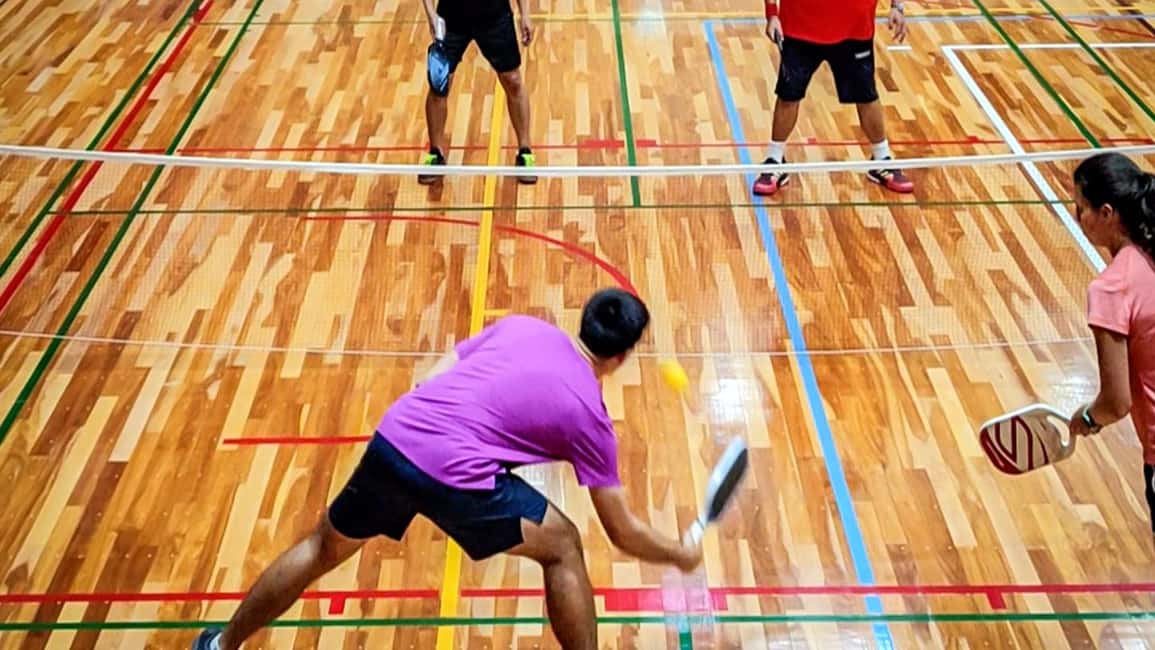
The best part here is how it balances fun with learning. The instructor and other players are there to help, but the atmosphere stays relaxed. In feedback, people repeatedly highlight that the group welcomes everyone regardless of skill, including travelers who barely spoke Japanese.
If you’re worried about jumping into doubles without knowing the etiquette, don’t panic. The session setup naturally pushes you into a “learn while doing” format. You get cues from partners and from the instructor. Over time you’ll pick up how people think about dinks, returns, and court coverage.
One useful heads-up: the system for mixing players may feel different from what you’re used to. Someone mentioned a paper-scissors-rock method that helps the group organize. Even if it feels odd at first, it’s a quick way to keep things fair and flowing. You won’t be stuck waiting around.
Another detail worth noting: scorekeeping may be available in English. That helps if you want to follow matches without having to translate the entire night.
The result is a session that feels like you’re part of the Osaka pickleball community, not just visiting it. That’s why people described it as a highlight of their trip even when they didn’t know what to expect before arriving.
Facility Reality Check: Lockers, Showers, and Court Time
You’re playing at a gym with more than just court space. Locker room and showers are included, which is a real quality-of-life upgrade after 2–3 hours of movement.
The venue quality seems to be consistently praised, with participants calling the facilities nice and practical. That matters because when you join a sport session abroad, the little things can make or break the experience. Easy changing space and a place to rinse off keeps the mood positive.
There is one court-capacity consideration to understand. One person noted there are only a limited number of courts, and that can sometimes limit how many games everyone gets at once. This isn’t a dealbreaker, because it’s still a match-play environment with rotations. But if you’re coming in hoping for maximum court time every minute, set expectations for shared rotations.
On the flip side, other feedback says some nights felt like there were plenty of games and open court time. In other words: the vibe depends on how busy the gym schedule is that day.
Either way, don’t treat it like a “sports training session.” Treat it like social doubles in a gym that has the amenities to make you comfortable.

Price and Value: Why $6 Makes Sense for a Social Sport Night
$6 per person is the kind of price that changes who can afford to try pickleball. You’re not paying for a heavy branded production, fancy equipment, or a long formal itinerary. You’re paying for access to a structured social play experience and for the basic setup that keeps games moving.
Included at this price:
- Balls
- Locker room and showers
And you also get the real value of a small-group environment with an English/Japanese instructor and a welcoming mix of people. In plain terms, you’re buying time on court plus the chance to meet locals without needing to know how to join a club on your own.
If you’re visiting Osaka and you want one active evening that doesn’t require reservations at a popular restaurant or tickets far in advance, this is a strong use of time. It’s also a good complement to the rest of your trip. Sightseeing can be packed and tiring. This is movement with people.
Compared to many paid “try a sport” experiences, the cost-to-court-time ratio looks excellent, especially because it’s designed around doubles play rather than long teaching blocks.
Who Should Book It (and Who Should Skip It)
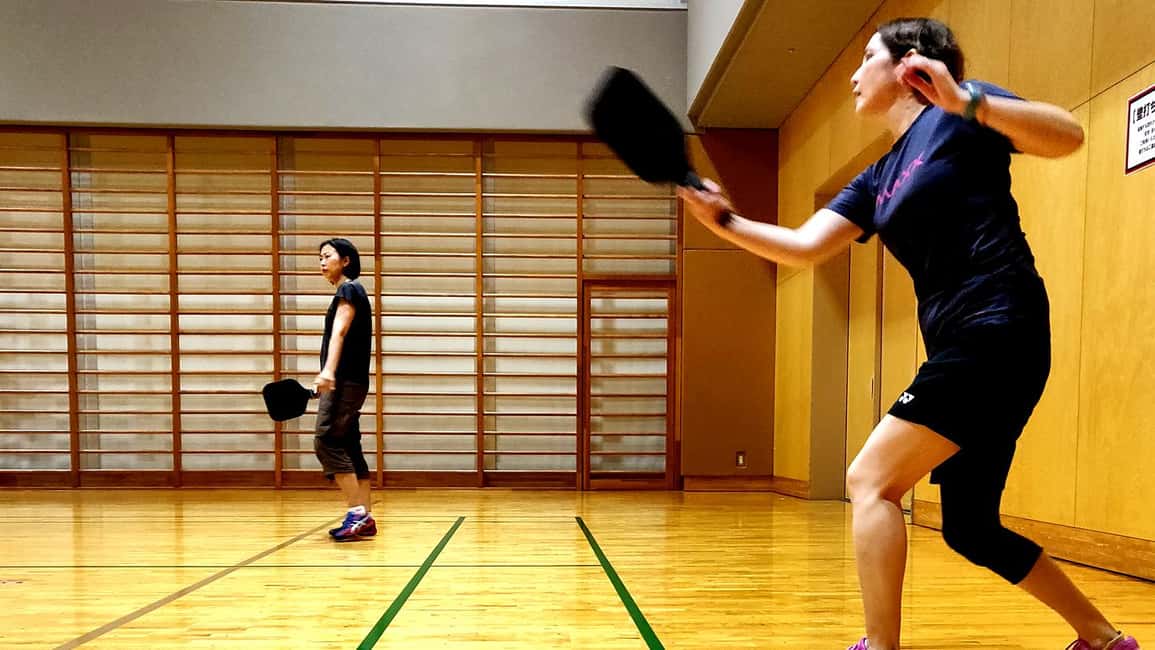
This session fits best if you want a fun way to meet people while being active. It’s ideal for:
- Beginners who want to learn without pressure
- Intermediate players who want casual matches and coaching tips
- Couples or small groups looking for a shared activity
- People who don’t want a language barrier to block social fun
It may be a poor fit if you have mobility constraints or medical issues that could be triggered by quick movement. The activity is listed as not suitable for:
- Wheelchair users
- People with back problems
- People with pre-existing medical conditions
Also, you should be comfortable wearing indoor sports shoes and moving on a gym floor. That’s not the best place for someone hoping for a fully seated or low-movement experience.
The language support helps, but don’t expect a full translation of every moment. Still, the sport itself is universal enough that you can participate even with limited Japanese. That’s part of why participants reported feeling included.
Booking Checklist for Osaka Pickleball: Don’t Lose Time at the Wrong Gym
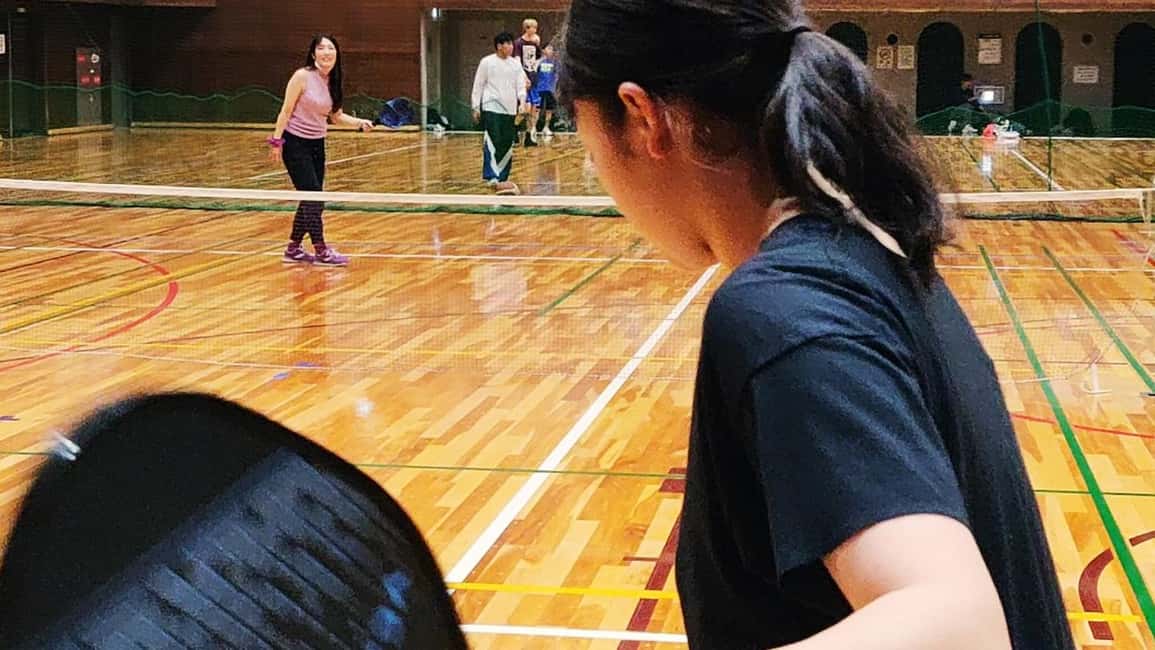
This activity runs at various gyms in Osaka, depending on your session date. So your biggest logistical task is making sure you go to the correct facility listed for that specific option.
Before you go, do this:
- Confirm the exact gym location in your booking details for your date.
- Pack indoor shoes that have not been worn outdoors.
- Bring a paddle if you own one. Rental paddles may be limited.
- Bring water or plan to hydrate, since you’ll be moving for up to 3 hours (and the gym setup includes water fountain access).
When you arrive, don’t overthink it. Get changed, get on the court, and watch once. Within a round or two, you’ll understand how the rotations work and how to join rallies.
If you’re driving, also know that at least one participant found parking a bit tricky. If you’re using a car, allow extra time and be ready to sort out the logistics.
Finally, set your expectation: the goal is social doubles and learning through play, not a high-intensity workout or tournament structure.
Should You Book Pickleball With Locals in Osaka (and the Kansai Options)?
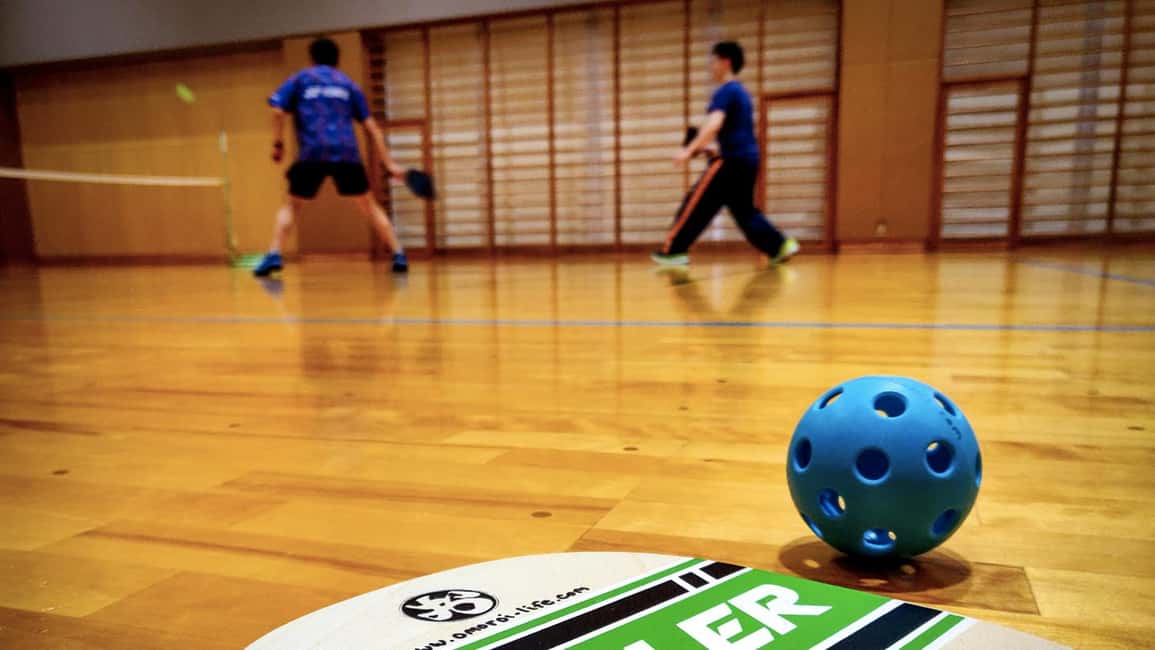
Yes, if you want a genuinely social sports night with minimal pressure and a realistic chance to meet locals. The value is strong at $6, you get gym amenities like showers, and you’ll play doubles in a small group where help is available.
Skip it if you can’t meet the indoor-shoe requirement, if you have back or other medical concerns that make quick movement risky, or if you prefer a strictly organized class with no rotation surprises.
If you’re the type who likes learning by doing and you enjoy meeting people through shared activities, this one is an easy decision. It’s one of the few ways to spend time in Osaka that feels both active and human.
FAQ
Do I get pickleball balls and access to shower facilities?
Yes. Pickleball balls are included, and the gym has a locker room and showers available for you.
Do I need to bring my own paddle?
It’s recommended that you bring your own paddle. There are a few rental paddles available if you need one.
What shoes do I need?
You must bring indoor sports shoes that have not been worn outdoors. There are no shoe rentals.
How long is the session?
The activity runs for about 2 to 3 hours.
How many people are in the group?
It’s a small group limited to 10 participants.
Where does it happen, and do I need the right gym?
Sessions take place at various gyms. Make sure you go to the correct gym for your specific session date.