REVIEW · OSAKA
Osaka/Kyoto: Arashiyama, Fushimi Inari & Nara Park Day Trip
Book on Viator →Operated by F Trip · Bookable on Viator
Kyoto and Nara in one packed day is a smart shortcut. You get three iconic zones—Fushimi Inari, Nara Park, and Arashiyama—plus a guide who helps you move fast without feeling rushed. What I love most is the mix: deer at Nara plus the red torii tunnel at Fushimi Inari, then bamboo and temple calm in Arashiyama. I also like that guides I met (like Amy, Laura, Scarlet, and Steven) focus on clear meeting-point instructions and practical tips so the day stays easy.
The only real drawback is the pace. This is about 9 hours of hopping around, with lots of walking and one extra paid stop (Tenryu-ji) plus lunch not included.
In This Review
- Key points at a glance
- How this day trip fits together (and why it works)
- Fushimi Inari’s Senbon Torii: the torii tunnel moment
- Nara Park deer: fun photos, real rules, and the right mindset
- Arashiyama: from quick overview to bamboo grove payoff
- Nonomiya Shrine’s black torii: a quieter contrast
- Tenryu-ji Temple (UNESCO): plan for the 500-yen ticket
- Arashiyama Park Nakanoshima + the Kimono Forest photo stop
- Pace, walking, and what to wear for 9 hours
- Price and value: what $57 buys you (and what it doesn’t)
- Group size and guide style: why meeting points matter
- Who this tour is best for
- Should you book this Osaka/Kyoto day trip?
- FAQ
- How long is the Osaka/Kyoto Arashiyama–Fushimi Inari–Nara day trip?
- What’s included in the tour price?
- What is not included?
- Are the main attractions free to enter?
- How large is the group?
- What is the cancellation window for a full refund?
Key points at a glance
- Mobile ticket convenience: you don’t have to fuss with paper admissions for the tour itself.
- Iconic stops with real time: Senbon Torii, Nara Park, Bamboo Forest, Tenryu-ji, plus the Kimono Forest photo installation.
- A guide who manages the group: you’ll get practical meeting-point updates during bus rides.
- UNESCO Tenryu-ji included as a paid add-on: you just pay the 500 yen temple ticket on site.
- Small-group feel: max 45 travelers, which is big enough to run smoothly but not a stampede.
How this day trip fits together (and why it works)
If you only have a single day in the Osaka–Kyoto area, this itinerary makes a lot of sense. It’s built around the places people actually picture when they think of Japan: torii gates in a Shinto shrine, deer wandering in a park, and Arashiyama’s bamboo and temple atmosphere.
The value here comes from the structure. You’re traveling by air-conditioned vehicle with a guide, so you spend less time figuring out transfers and more time inside the sights. The tour also lists how long you’ll be at key stops, which helps you decide what to prioritize when there’s a lot going on.
One thing to keep expectations grounded: this isn’t a slow, long-linger kind of day. It’s a “hit the big icons, then you can return on your own later” plan. And that’s actually a smart way to travel if you’re trying to cover Kyoto’s highlights without burning daylight.
You can also read our reviews of more tours and experiences in Osaka
Fushimi Inari’s Senbon Torii: the torii tunnel moment
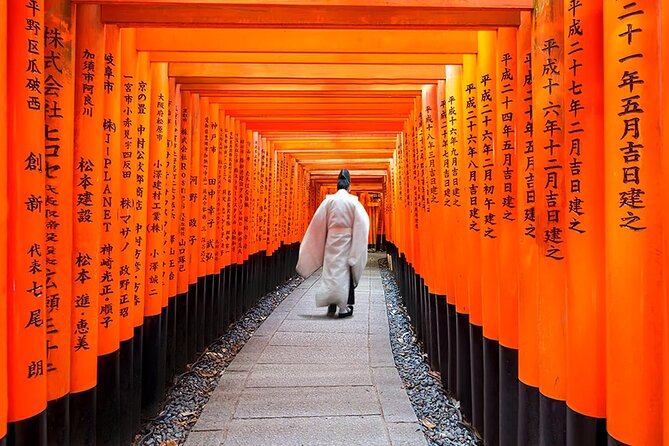
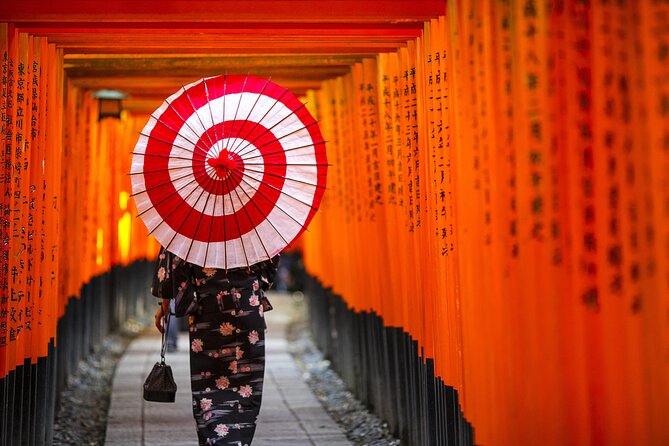
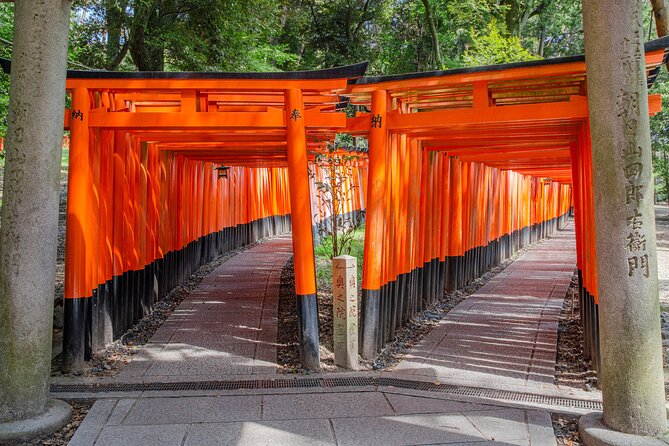
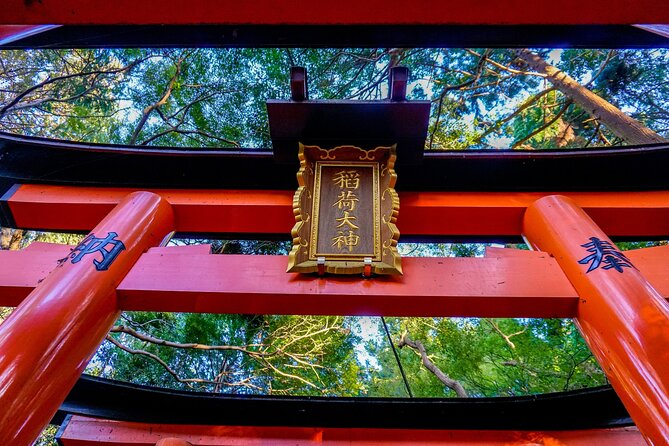
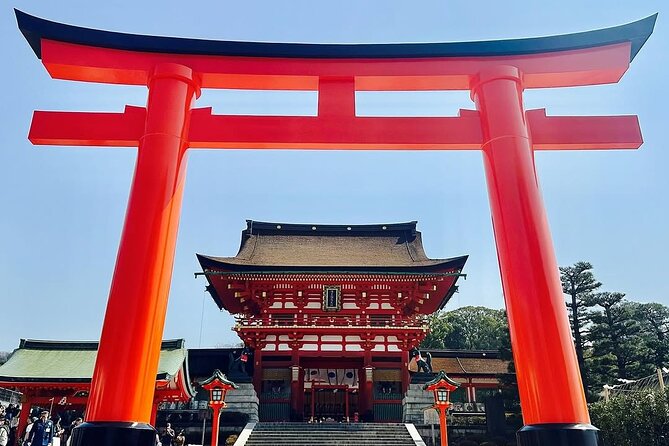
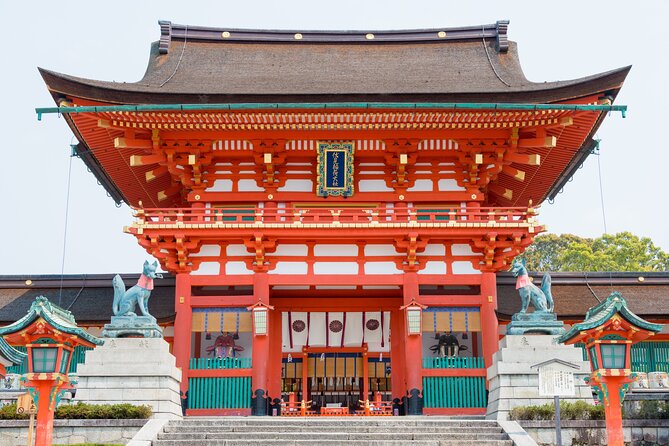
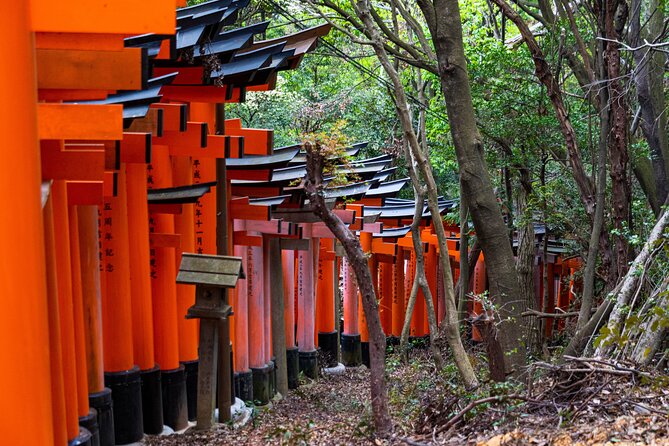
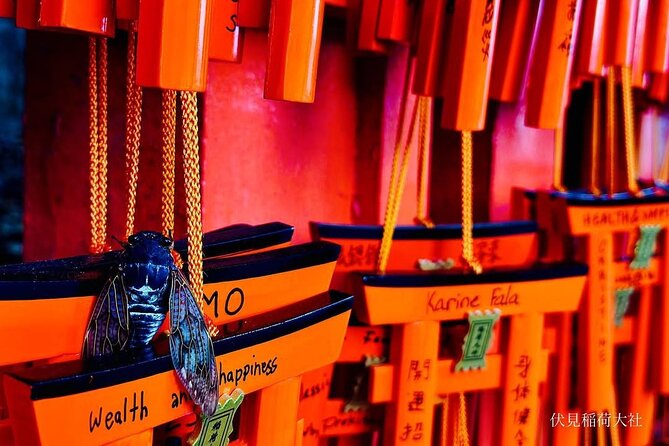
Your first stop is Senbon Torii at Fushimi Inari Taisha, famous for the sea of vermilion red gates. The shrine is dedicated to Inari, the Shinto god of rice, so the vibe isn’t just scenic—it’s religious and lived-in.
You’ll have about 1 hour 10 minutes, which is enough time to do a satisfying loop. You can admire the gates from the lower approach, and if you feel energetic, you can push farther along the path for that deeper tunnel feeling as the gates stack overhead.
Practical tip: wear shoes with good grip. This area involves walking on uneven temple paths and lots of foot traffic. If you’re sensitive to crowds, going at a steady pace and keeping moving between viewpoints helps a lot.
Admission is listed as free, so the cost here is all about time and your energy level, not ticketing.
Nara Park deer: fun photos, real rules, and the right mindset
From Kyoto, you head to Nara Park, which is both famous and large—about 660 hectares. The star of the show is the free-roaming deer that are used to people, including the way they often bow as they look for treats.
You’ll have around 1 hour here. That’s short compared to the park’s size, so I treat Nara Park like a “do the highlights” stop: aim for the best deer viewing area you can reach quickly, watch your footing, and grab photos without getting stuck too long in one spot.
A consideration that matters in real life: deer are animals, not props. Keep your hands to yourself unless you’re sure you’re doing it safely, and be mindful around families and people who may be eating. The deer are part of the charm, but they can also be pushy if they think food is coming.
Good news: admission is free, so you’re not paying to enjoy the main experience. This stop is about being in the moment—deer, park, and that classic old-temple energy in the background.
Arashiyama: from quick overview to bamboo grove payoff
Arashiyama is where the day shifts tone. Instead of just icons, you get the feel of western Kyoto—scenic, historic, and outdoorsy.
After arriving, you get a short orientation-like stop at Arashiyama itself (listed at 10 minutes). I think of this as your chance to get your bearings. If you like to plan photo angles and where you’ll walk next, those few minutes help.
Then comes the main act: the Arashiyama Bamboo Forest. You’ll have about 50 minutes, and this is the kind of place where time feels different. The air feels cooler under the tall stalks, and the promenade has that solemn, almost hushed feeling the bamboo is known for.
A practical note: the bamboo grove draws crowds, so your best strategy is to move steadily. If you stop in the middle and hover, you’ll feel more crowded. If you keep your pace and step aside for photos, you’ll enjoy it more.
Nonomiya Shrine’s black torii: a quieter contrast
Next up is Nonomiya Shrine, with about 20 minutes. This shrine is less about sheer scale and more about a distinctive detail: unlike the typical vermilion torii gates you see all over Kyoto, Nonomiya Shrine features a black torii gate.
That contrast matters because it breaks the visual rhythm. After Fushimi Inari’s red gates and the bamboo’s green vertical lines, the dark torii gives you something different to look at and a calmer stop to reset your eyes and mind.
Admission is listed as free, so again, it’s a time-and-walking choice rather than another fee.


Tenryu-ji Temple (UNESCO): plan for the 500-yen ticket
Tenryu-ji Temple is a UNESCO World Heritage Site and is ranked among Kyoto’s five great Zen temples. You’ll have about 20 minutes there, which is enough time to see the main grounds and catch the peace people come for—just not enough for slow wandering if you’re a garden-obsessed kind of visitor.
Here’s the one cost detail you should plan for: Tenryu-ji ticket is not included, and it’s listed as 500 yen. So even though the tour price is all-in for most of the day, you’ll still want a little cash or payment method ready for the temple entry.
If you care about temples, this is the stop that feels most “Kyoto” in a classic way. Bamboo is dramatic, deer are playful, but Tenryu-ji is the quiet pause in between.
Arashiyama Park Nakanoshima + the Kimono Forest photo stop
After Tenryu-ji, you move to the Arashiyama Park Nakanoshima area for about 30 minutes. This area is known for seasonal beauty, especially cherry blossoms in spring and fall colors. Even if you’re not traveling in one of those seasons, it’s still a nice open stretch to breathe and take easier photos.
Then comes the Arashiyama Kimono Forest, an art installation made from 600 clear acrylic cylinders, each about 2 meters tall, decorated with colorful kimono fabrics. You’ll have about 20 minutes here, and it functions like a modern counterpoint to all the traditional settings earlier in the day.
I like this stop because it’s different. If your photos so far are mostly torii and gardens, the Kimono Forest gives you a graphic, fashion-themed look without needing you to buy anything.
Both the Nakanoshima area and the Kimono Forest are listed as free admission.
Pace, walking, and what to wear for 9 hours
Even with guided routing, you should treat this as a day with active feet. The schedule includes multiple locations and a lot of time spent moving from stop to stop inside crowded sightseeing areas.
A clear takeaway from the experience vibe: comfortable shoes matter. You’ll be on foot through shrine paths, park areas, and outdoor promenades. If you’re wearing anything that hurts after 30 minutes, this tour will find that weak spot fast.
If you’re traveling with a stroller or large luggage, the tour asks you to indicate it when booking. That matters because vehicle routing and meeting logistics can be different when there’s extra gear in the mix.
Also, plan for breaks where you can. The itinerary includes short stops that still involve walking and standing around for the group to regroup.
Price and value: what $57 buys you (and what it doesn’t)
At $57 per person, this is priced like an efficiency tour. You’re paying for transportation, organization, and a guide who helps the day run smoothly.
What’s included:
- Air-conditioned vehicle
- Guide
- Mobile ticket for the tour
What’s not included:
- Lunch
- Tenryu-ji ticket (500 yen)
The value depends on your style. If you’re comfortable navigating trains and buses and you like designing your own route, you might be able to replicate parts of this for less money. But if you want a day that removes the stress of transit and timing, $57 can feel fair—especially since the tour hits several top-name stops without requiring you to juggle transfers.
My practical advice: budget for lunch separately and keep a small amount of yen for Tenryu-ji. If you do that, the day feels straightforward.
Group size and guide style: why meeting points matter
The tour caps at 45 travelers. That’s not tiny, but it’s also not an enormous crowd where instructions get lost. In practice, it’s the kind of group size where you can still enjoy the sights without always feeling like you’re in a herd.
Most of the positive energy in the guide experience comes down to two things:
- Clear updates about where to meet the vehicle
- Helpful suggestions on food and how to handle the day smoothly
Guides like Amy and Laura, and others such as Scarlet and Steven, are described as friendly and organized, with a lot of humor thrown in between rides. That matters more than you might think, because a light, clear guide keeps the pace from feeling chaotic.
Who this tour is best for
This works well if you:
- Have one day and want to see Kyoto’s highlights plus Nara
- Like a mix of traditional sites and modern photo moments
- Want a guide to handle routing and keep the day moving
- Prefer spending energy on sightseeing instead of figuring out transit
It’s also a good choice if you’re the type who likes to return later. You’ll see enough to decide what deserves a second visit, especially at Tenryu-ji and in Arashiyama.
If you’re looking for total quiet or long stays, you may find the timing tight. This is a “see it all once” plan more than a “slow, detailed study” plan.
Should you book this Osaka/Kyoto day trip?
I’d book it if your priority is coverage with guidance. You’ll see Fushimi Inari’s Senbon Torii, meet the deer at Nara Park, and get a full Arashiyama sweep with Bamboo Forest, Nonomiya Shrine, Tenryu-ji, and the Kimono Forest photo stop. For $57, that’s a lot of iconic sightseeing organized into one workable day.
I’d think twice if you hate walking, dislike crowds, or want a temple visit with slow, uninterrupted time. Also remember you’ll pay 500 yen for Tenryu-ji and you’ll need to handle lunch on your own.
FAQ
How long is the Osaka/Kyoto Arashiyama–Fushimi Inari–Nara day trip?
It runs about 9 hours (approx.).
What’s included in the tour price?
The tour includes an air-conditioned vehicle and a guide. You’ll also use a mobile ticket.
What is not included?
Lunch is not included. Tenryu-ji Temple admission (500 yen) is also not included.
Are the main attractions free to enter?
The tour lists admission as free for Senbon Torii, Nara Park, Arashiyama Bamboo Forest, Nonomiya Shrine, Arashiyama Park Nakanoshima, and Arashiyama Kimono Forest. Tenryu-ji is the one with an extra 500 yen ticket.
How large is the group?
The tour has a maximum size of 45 travelers.
What is the cancellation window for a full refund?
You can cancel for a full refund up to 24 hours before the experience start time.
If you want, tell me your travel month and whether you’re starting from Osaka or Kyoto—I can help you think through what will feel busiest and how to time your photos.