REVIEW · OSAKA
Kyoto Full-Day Private Tour (Osaka departure) with Government-Licensed Guide
Book on Viator →Operated by Japan Guide Agency · Bookable on Viator
Kyoto in one day is a sprint. The smart part of this tour is that you get a government-licensed English-speaking guide and a custom route built around what you want to see, not just a stamp-collection list.
I love the choose-your-own mix approach. You can build a day around big-name icons like Fushimi Inari-taisha Shrine, Nijo Castle, Gion, and Nishiki Market, while your guide handles the story and the timing.
One thing to plan for: this is a walking tour (pickup is on foot), and entrance fees plus transportation aren’t included. If you’re aiming to slow down constantly, you’ll want to tell your guide early.
In This Review
- Key takeaways before you go
- Government-licensed guide plus custom planning from Osaka
- Price and value: what you pay for at $201.46
- 8 hours of Kyoto walking: pace, breaks, and comfort
- Your Kyoto menu: how to pick 3–4 stops from 35+ options
- Fushimi Inari-taisha and the Higashiyama side of Kyoto
- Nijo Castle, Kyoto Imperial Palace, and timing the history
- Gion, Nishiki Market, and Pontocho for street-level Kyoto
- Zen temples you can route around: Ginkakuji, Nanzenji, and more
- Arashiyama: bamboo paths, Togetsukyo Bridge, and garden Kyoto
- Choosing between multiple Arashiyama temple stops
- Northern Kyoto options: Kurama and Kibune for a calmer day
- Hillside moss temples and the “stone statue” wow factor
- Uji City’s Byodoin Temple and the Phoenix Hall
- What I’d ask your guide before you start
- Who this tour is best for
- Should you book this Kyoto full-day private tour from Osaka?
- FAQ
- What’s the tour duration?
- How many Kyoto sites will we see?
- Do we get a pickup from Osaka?
- Are entrance fees included?
- Is transportation included?
- Is lunch included?
- What’s included with the guide?
- Can I choose a private group for just my party?
- Can I cancel for a full refund?
- Is the tour suitable for most people?
Key takeaways before you go
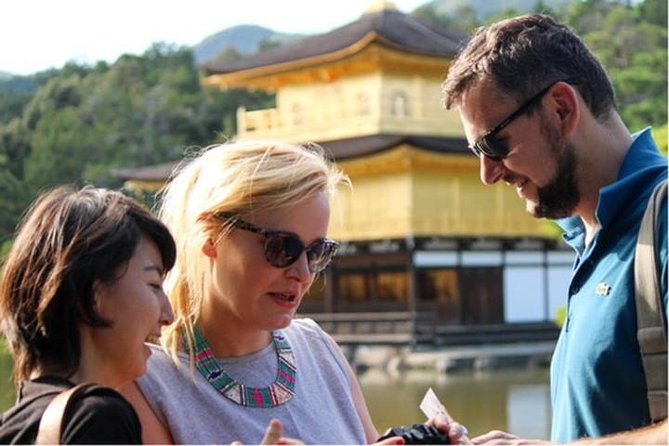
- Government-licensed guide for both context and on-the-ground problem solving.
- 3–4 Kyoto sites chosen from 35+ options, so the day stays focused.
- Osaka meet-up with pickup offered and practical help getting around.
- Historic hits plus street-level atmosphere like Gion, Pontocho, and Nishiki Market.
- Short, efficient stop times mean lots of walking, so pack for it.
Government-licensed guide plus custom planning from Osaka
This is a private Kyoto day trip that starts in Osaka, with meet-up within designated Osaka areas and pickup offered. Your guide is licensed and local, and the tour is designed around how Kyoto actually works on foot and by public transit.
What I like most is that your guide isn’t only reading facts from a phone. They’re there to connect the dots: why a place matters, what to notice when you’re standing in front of it, and how to move through the city without wasting your limited time.
Because you can choose your stops, the tour feels like planning a day with a local friend who knows where to send you next. That flexibility is a huge part of the value, especially when you’ve only got one day and Kyoto is still new to you.
You can also read our reviews of more guided tours in Osaka


Price and value: what you pay for at $201.46
At $201.46 per person for an ~8-hour private tour, you’re paying for two things that are hard to replicate on your own: a licensed guide and a guided routing plan that can save time. Even if you already know how to use trains, Kyoto’s crowds, distances, and “what should I see first?” choices can burn hours fast.
What’s not included is just as important. You’ll cover transportation and entrance fees, and you’ll also plan for lunch and personal expenses. That means the true cost of your day will depend on which specific temples and palaces you select.
If you pick mostly places with included-time visits and keep your choices tight (3–4 stops), the price can feel very fair. If you try to layer in lots of extra admissions and long rides across town, you’ll spend more—just not because the tour itself is overpriced.
8 hours of Kyoto walking: pace, breaks, and comfort
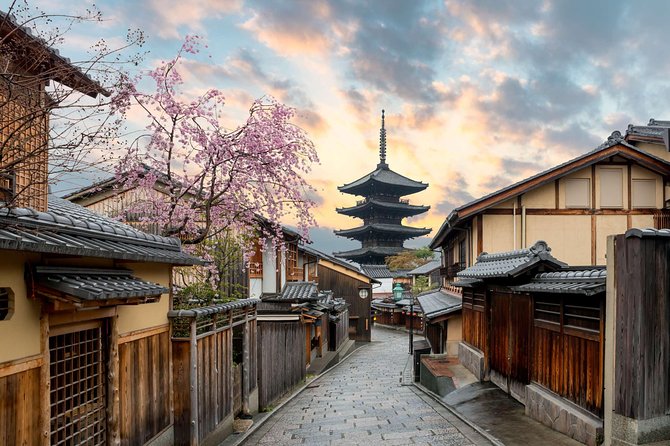
This tour works as a walking itinerary, with pickup on foot. The schedule is structured in relatively short blocks (many stops are shown as 10 minutes), which usually means you’ll see plenty in one day—but you’ll also move a lot.
Here’s the practical way to think about it: you’re not just sightseeing, you’re transferring between neighborhoods, queuing sometimes, then meeting your guide again for the next stop. If you show up with worn-out shoes or no plan for snacks, the day can feel harsher than it looks on paper.
I’d treat this like an “active day” and prepare accordingly. One strong piece of advice from past tour experiences is simple: bring a snack and plan for lots of walking.
Your Kyoto menu: how to pick 3–4 stops from 35+ options
Instead of trying to force every famous site into a single day, this tour lets you build a focused day from 35+ choices. That matters because Kyoto has so many temples and shrines that a random selection often becomes a random commute.
When you’re choosing, decide what kind of Kyoto you want most:
- Temple-and-shrine Kyoto (shrines like Fushimi Inari-taisha and Zen temples like Ginkakuji/Kinkakuji)
- Imperial and shogun-era Kyoto (Nijo Castle, Kyoto Imperial Palace, imperial villas)
- Street-life Kyoto (Gion, Nishiki Market, Pontocho, Higashiyama)
- Arashiyama and garden Kyoto (bamboo groves, Tenryu-ji, Togetsukyo Bridge, Okochi Sanso)
- Quiet mountain Kyoto (Kurama, Kibune, moss and hillside temples)
Pick one “anchor” area (Higashiyama, Arashiyama, or northern Kyoto) and then add two supporting stops that don’t send you zigzagging across the map. Your guide can help you do this in a way that fits your pace.
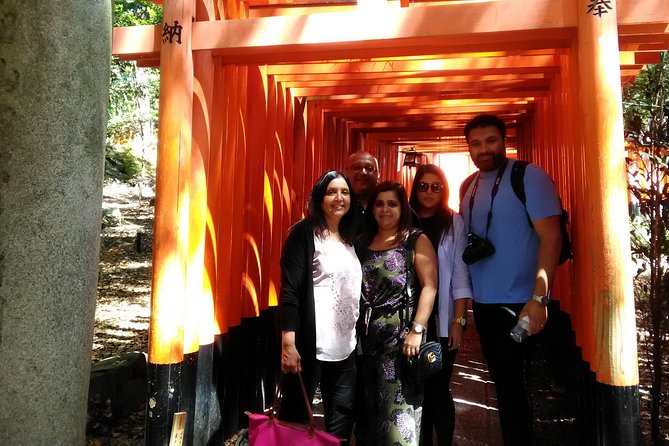
Fushimi Inari-taisha and the Higashiyama side of Kyoto
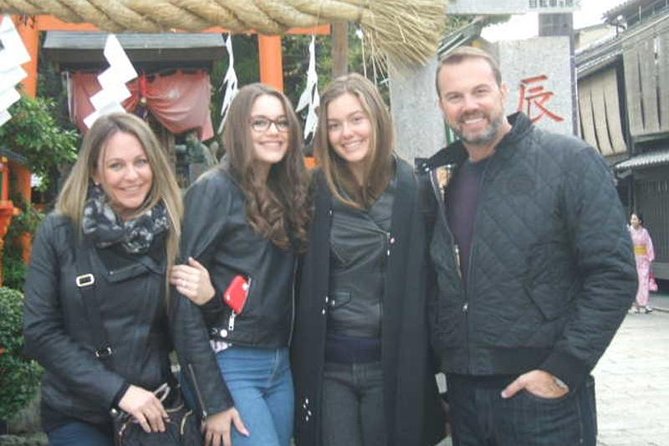
If you start with Fushimi Inari-taisha Shrine, you’re choosing a Kyoto icon that people talk about for a reason. The tour description also notes you’ll see elements connected to the shrine’s background that aren’t normally part of casual, ordinary visits—so it’s more than a quick photo stop.
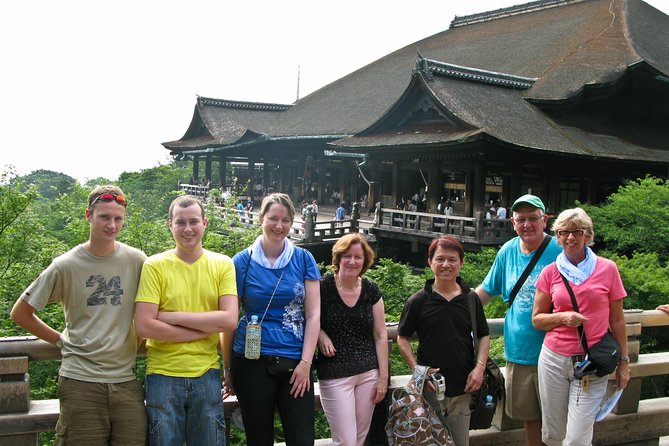
From there, many itineraries pair it with Kiyomizu-dera Temple. The tour highlights a guided walk around the grounds, with a chance to learn about Japanese history and culture in context. The tradeoff is that Kiyomizu-dera is one of Kyoto’s most popular temples, so expect to plan for crowds and a bit of hustle.
If your stops include Higashiyama Ward, you’re moving into one of Kyoto’s best-preserved historic districts along the eastern mountains. It’s a great area for traditional Kyoto atmosphere, especially if your goal is “old streets + meaningful temples,” not only big-ticket monuments.
You can also read our reviews of more private tours in Osaka


Nijo Castle, Kyoto Imperial Palace, and timing the history
Nijo Castle is a strong history pick. It’s a UNESCO World Heritage site, built in 1603 as the Kyoto residence of Tokugawa Ieyasu, the first shogun of the Edo Period. With a guide, you get more than dates—you get help understanding what you’re seeing while you’re there.
Another history choice is Kyoto Imperial Palace. It served as the residence of Japan’s Imperial Family until 1868, when the emperor and capital moved from Kyoto to Tokyo. The value here is the storytelling: the guide can connect how political power shifted, and why that changes the city’s layout and significance.
If your group includes people who love order and structure (and if your Japan trip has only one day to “get the story right”), this pairing can be very satisfying.
Gion, Nishiki Market, and Pontocho for street-level Kyoto
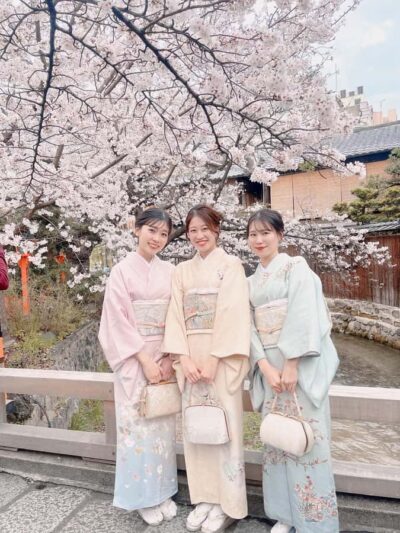
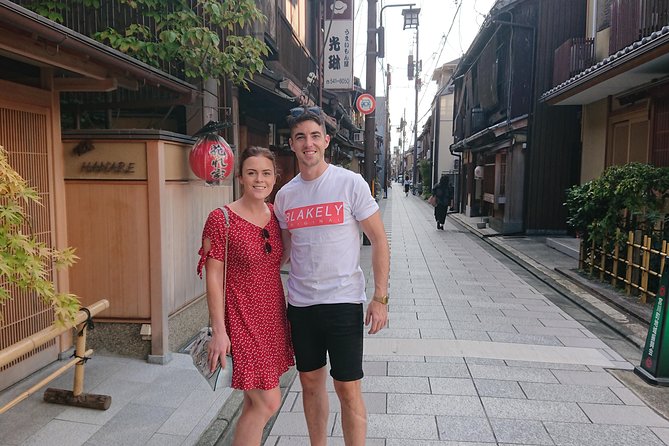
Some days in Kyoto are best understood by how they feel at street level. That’s where Gion shines. The tour notes that exploring Gion’s narrow alleys can be daunting for first-timers, and a guided walk helps you avoid getting lost while still seeing the right corners.
For shopping and food culture, Nishiki Market is a classic. It’s described as Kyoto’s Kitchen, a narrow street of more than one hundred shops and restaurants. Even if you don’t buy much, you’ll get a fast education on what Kyoto food culture looks like in real time.
Then there’s Pontocho, a narrow dining alley one block west of the Kamogawa River. It’s often atmospheric in the evening, but the tour framing makes it a strong “stop” even during the day because you get the vibe of the neighborhood without needing a full extra meal commitment at that exact moment.
Zen temples you can route around: Ginkakuji, Nanzenji, and more
Zen temples can be a great use of time because they’re designed for quiet attention. The itinerary list includes Ginkakuji (Silver Pavilion), a Zen temple in the Higashiyama area where Ashikaga Yoshimasa built a retirement villa on the grounds.
Nanzenji Suirokaku is also on the menu. The tour description frames Nanzenji as one of Japan’s important Zen temples, with spacious grounds at the base of the forested Higashiyama mountains. A guide helps here because the “where do I look next?” question is real when you’re walking through large temple grounds.
If you lean toward a temple with seasonal reputation, Tofuku-ji Temple is noted for spectacular autumn colors. Even if you visit outside peak season, a guide can help you understand what visitors usually chase there, and what you can realistically expect when you’re going.
Arashiyama: bamboo paths, Togetsukyo Bridge, and garden Kyoto
Arashiyama is where Kyoto starts feeling like a nature escape without leaving the city. The tour options include the Togetsukyo Bridge, described as Arashiyama’s iconic landmark, originally built during the Heian Period and reconstructed in the 1930s.
You’ll also see options connected to the bamboo groves and walking paths. The tour notes that the paths are nice for walking or cycling, and that the bamboo stalks sway gently when there’s a light wind. This is the kind of stop where a guide’s job is partly interpretation—helping you slow down and notice what’s in front of you.
If you want one of the most “Kyoto-feels-like-a-painted-screen” experiences, consider pairing bamboo time with a temple stop such as Tenryu-ji Temple. Tenryu-ji is described as the most important temple in Arashiyama, ranked first among Kyoto’s five great Zen temples, and registered as a World Heritage site.
Other Arashiyama-linked options include Okochi Sanso Garden, a former villa of actor Okochi Denjiro, and additional temple choices like Daikaku-ji Temple and Jojakkoji Temple area picks.
Choosing between multiple Arashiyama temple stops
One thing I’d watch: there are a lot of temple choices clustered around Arashiyama and the western side. Daikaku-ji, Tenryu-ji, and even smaller hillside temples like Jojakkoji, Nisonin, and Gio-ji all show up as options.
The benefit is variety—different sects, different atmospheres, different garden styles. The tradeoff is time. Because this is still an ~8-hour day, adding too many western additions can turn “quiet temple time” into “walk-through speedrun.”
My advice: pick one major Arashiyama anchor (often bamboo + Tenryu-ji) and treat any extra temple as optional only if you’re comfortable with walking.
Northern Kyoto options: Kurama and Kibune for a calmer day
If you’d rather escape the densest central crowds, consider northern mountain options included in the itinerary list. Kibune is described as a small town in a forested valley in Kyoto’s northern mountains, developed around Kifune Shrine. There’s also a legend included about a goddess traveling by boat from Osaka up into the area.
Kurama is another rural choice less than an hour from the city center. It’s best known for Kurama-dera and a hot spring described as one of the most easily accessible.
These are great fits if you want Kyoto to feel less like a sightseeing circuit and more like a place with edges. The possible drawback is that mountain routes can slow you down in practice, so it’s smart to keep your total stop count tight.
Hillside moss temples and the “stone statue” wow factor
If your group loves small, atmospheric temple grounds, the itinerary options in the western mountains can deliver. Gio-ji Temple is noted for a moss garden punctuated with tall maple trees, and hillside temples like Jojakkoji and Nisonin are described as having quiet, understated atmospheres.
The standout in this category is Otagi Nenbutsu-ji Temple. The description calls it famous for 1200 stone statues of rakan, each with a different facial expression. With a guide, you’re more likely to understand what you’re looking at instead of just snapping pictures and moving on.
This is also one of the best choices if you want something different from the classic “big shrine big crowd” experience, while still staying inside Kyoto.
Uji City’s Byodoin Temple and the Phoenix Hall
If you’re up for an extra stretch outside central Kyoto, Byodoin Temple is a strong option. It’s known for its Phoenix Hall, described as a National Treasure of Japan and a UNESCO World Heritage site. The tour notes extra travel time is expected because it’s located in Uji city in Kyoto prefecture.
Why it can be worth it: you’re trading some time for a very specific, globally recognized site. This works best if your group is temple-focused and you don’t feel the need to cram in multiple neighborhoods.
What I’d ask your guide before you start
Even a perfect tour can go sideways if expectations aren’t aligned. Here are a few questions that fit what this tour is built to do:
- Which 3–4 stops best match our interests: history, street life, temples, or gardens?
- Can you build the route to minimize backtracking across the city?
- Are there specific times during the day when we should prioritize certain sites to keep the pace comfortable?
- If anyone needs shorter walking stretches, how flexible can you be with the order of stops?
- Where should we plan for a quick snack so we’re not stuck hungry during transitions?
Guides in this program are repeatedly praised for handling real logistics and adapting on the fly. One strong pattern from past experiences is that the guide’s planning can include train navigation help when you’re moving between Osaka and Kyoto, which can save stress when you’re short on time.
Who this tour is best for
This is a great match if:
- You only have one day for Kyoto and want the city’s biggest themes without planning from scratch.
- You like walking tours but want them organized by a licensed local guide.
- You’d rather pick 3–4 meaningful stops than try to “see everything.”
It may not be ideal if:
- You’re looking for a slow, sit-down sightseeing day with minimal walking.
- You expect transportation and entrance tickets to be included in the price.
- You want the tour to hit every major site—this format is intentionally focused.
Should you book this Kyoto full-day private tour from Osaka?
I’d book it if you’re the type who wants Kyoto to make sense. The value comes from the guide’s structure, the private pace, and the fact you can choose 3–4 stops from a large menu instead of getting stuck with someone else’s idea of your perfect day.
If you’re on a tight budget, do the math on entrance fees for your chosen stops and plan lunch ahead of time. And if your group has stamina limits, tell your guide early so they can shape the route around real comfort, not just “what’s on the list.”
FAQ
What’s the tour duration?
The tour is listed as about 8 hours.
How many Kyoto sites will we see?
The tour is described as customizable, with you choosing 3–4 Kyoto sites from 35+ points of interest.
Do we get a pickup from Osaka?
Yes, pickup is offered, with meet-up within designated Osaka areas. The tour is a walking tour, and pickup is on foot.
Are entrance fees included?
No. Entrance fees are not included.
Is transportation included?
No. Transportation is not included.
Is lunch included?
No. Lunch and personal expenses are not included.
What’s included with the guide?
You’ll have a licensed local English-speaking guide, plus customizable planning around your selected Kyoto sites.
Can I choose a private group for just my party?
Yes. It’s a private tour/activity, and only your group participates.
Can I cancel for a full refund?
Free cancellation is available up to 24 hours in advance for a full refund.
Is the tour suitable for most people?
Most travelers can participate, and service animals are allowed.