REVIEW · OSAKA
Osaka Food Adventure Tour: Walking with a Local Guide
Book on Viator →Operated by Cooking Sun · Bookable on Viator
Neon, skewers, and Osaka you can actually use. This small-group walking food tour turns Shinsekai and Dotonbori into an easy plan, with 6–10 local dishes plus a drink. It’s a simple way to eat well without guessing your way into tourist traps.
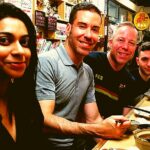
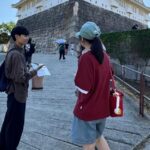
I especially like the guide-first approach. Guides such as Ayako, Chiyoe, Kaoru, Sue, and Hiro get you moving with public-transport coaching and they ask what you like before ordering. That matters because Osaka menus can be a little cryptic when you are hungry.
The one thing I’d flag up front: the food can include meat, seafood, wheat, and dairy, so if you have allergies or strict dietary limits, you’ll want to contact Cooking Sun in advance and confirm options.
In This Review
- Key things to know before you go
- Why Osaka food tastes different when you walk with a guide
- Price and what $79.28 covers (and what it doesn’t)
- Meeting point to finish line: follow the route, not the stress
- Tsutenkaku Tower start: the iconic photo spot before the eating begins
- Shinsekai for 90 minutes: the center of the street-food story
- Takashimaya Osaka depachika: shopping-basement food you can trust
- Hozenji Yokocho alley: temple-side eating in a narrower lane
- Dotonbori by the canal: the neon finale (with the Glico Sign as your cue)
- What you’ll eat: a practical sense of the dish lineup
- Alcohol or not: how the drink choice fits the pacing
- Lunch vs dinner timing: eat when you’re hungry, not when you’re free
- Public transportation lessons: why you pay extra attention here
- Who this tour is best for (and who might want a different plan)
- Should you book this Osaka Food Adventure Tour?
- FAQ
- How many dishes will I try on this tour?
- How long is the Osaka food walking tour?
- Is this a small group tour?
- What’s included in the price?
- Do I need to pay for any admission tickets or extra costs?
- What if I have food allergies or strict dietary restrictions?
Key things to know before you go
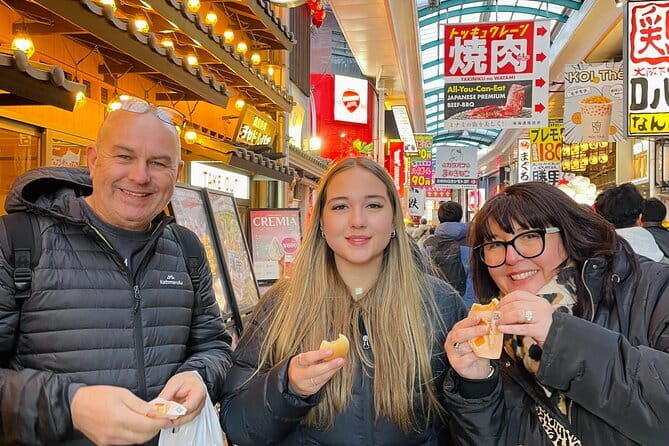
- Max 8 travelers keeps the pace human and makes it easier to ask questions.
- 6–10 dishes + 1 drink means you’re not just snacking for show.
- Public transportation help lowers the stress of moving between Osaka neighborhoods.
- Shinsekai (1.5 hours) is the heart of the tour, with classic street-food energy.
- Depachika at Takashimaya gives you a look at how Osaka shops eat.
- Dotonbori ending at the Glico Sign makes it easy to keep exploring afterward.
Why Osaka food tastes different when you walk with a guide
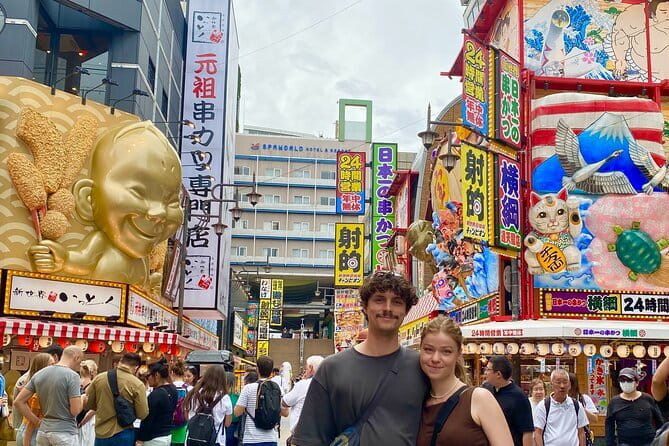
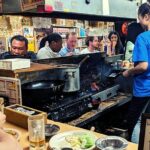
Osaka is famous for street food, but the real trick is knowing where locals go when they want comfort food, not Instagram props. This tour is built around that idea: you walk a compact route through key neighborhoods and you eat the kind of dishes that show up when people are actually hungry.
A big part of the value is the guide’s taste and decision-making. In guides like Ayako and Kaoru, you’ll see the same theme in the feedback: they introduce foods people would skip or misunderstand on their own. That’s not just about variety. It’s about ordering the right thing at the right moment, when a shop is busy and flavors are at their best.
You can also read our reviews of more walking tours in Osaka

Price and what $79.28 covers (and what it doesn’t)
At $79.28 per person for about 3 hours, you’re paying for three things: curated stops, guided ordering, and multiple tastings. You get lunch 6–10 local foods plus one alcoholic or non-alcoholic drink, and the tour guide is included (English or Japanese).
What’s not bundled is also useful to know. Tsutenkaku Tower has an admission ticket that is not included, and Takashimaya’s depachika stop is also listed with admission not included. You also have one specific transit cost: the subway fee from the Shinsekai area to Namba is ¥190 per person. That sounds small, but budget it so the end of the tour doesn’t turn into a surprise.
Meeting point to finish line: follow the route, not the stress
The tour starts at Ebisucho Station (address listed: 5 Chome-13 Nipponbashi, Naniwa Ward, Osaka) and ends at the Glico Sign in Dotonbori (bridge area at 1-chōme-10-4 Dōtonbori, Chuo Ward).
One practical hint I’d take seriously: the meeting spot can be easier if you use the station exit that is closest to Shinsekai and where you can spot Tsutenkaku Tower nearby. If you’re navigating in the morning or late afternoon, that visual landmark helps you stop second-guessing and start eating.
You should also plan on a moderate amount of walking. The tour is paced as a walk-through food route, not a sit-down meal parade, so comfortable shoes matter.
Tsutenkaku Tower start: the iconic photo spot before the eating begins
Your first stop is Tsutenkaku, a 103-meter tower originally built in 1912 and reconstructed in 1956. You get about 30 minutes here, with the note that admission is not included.
Here’s why this first stop works. You get your bearings early, because the tower is an orientation point for the neighborhood. Even if you skip the observation deck (since admission isn’t included), the tower sets the tone: retro Osaka, neon nearby, and a sense that you’re entering a lived-in area rather than a fenced-off attraction.
Shinsekai for 90 minutes: the center of the street-food story
Next is Shinsekai, meaning New World, a district established in the early 20th century with a retro vibe. This is the biggest time block—about 1 hour 30 minutes—and admission is listed as included here.
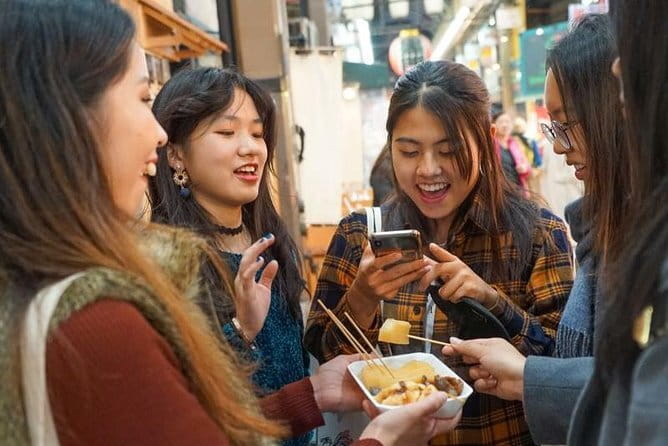
This is where the tour really earns its keep. Shinsekai is known for classic snacks and skewers, and your guide helps you do two key things:
1) order efficiently so you’re eating, not waiting around, and
2) understand what you’re getting so you can enjoy it instead of translating everything while hungry.
You’ll also feel the crowd rhythm. One of the consistent themes in the guide feedback is that they help you weave through busy areas without turning the experience into a jostling contest.
You can also read our reviews of more food & drink experiences in Osaka

Takashimaya Osaka depachika: shopping-basement food you can trust
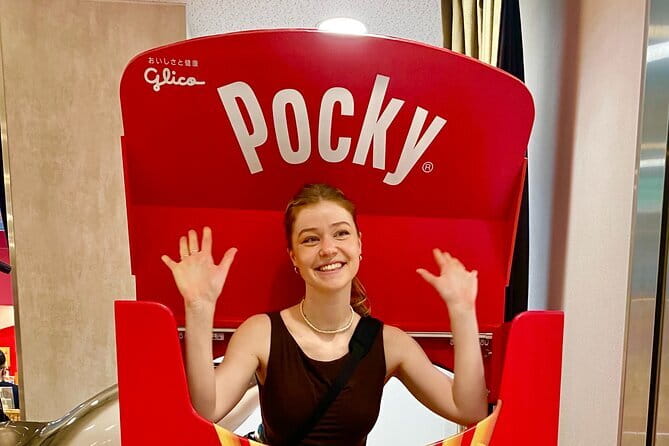
Then you head to Takashimaya Osaka Store for its food basement, depachika. You’re there for about 15 minutes, and admission is not included.
If you’ve never done depachika, this stop is one of the smartest cultural primers on the route. These basements are where people go for high-quality snacks and packaged-but-meaningful treats. Even though this isn’t the typical sidewalk-stall Osaka image, it shows another side of local food habits: the mix of everyday convenience and quality sourcing.
For you, the payoff is variety. You’re not limited to fried street snacks. Your guide can steer you toward bites that fit the theme of the day while still feeling local.
Hozenji Yokocho alley: temple-side eating in a narrower lane
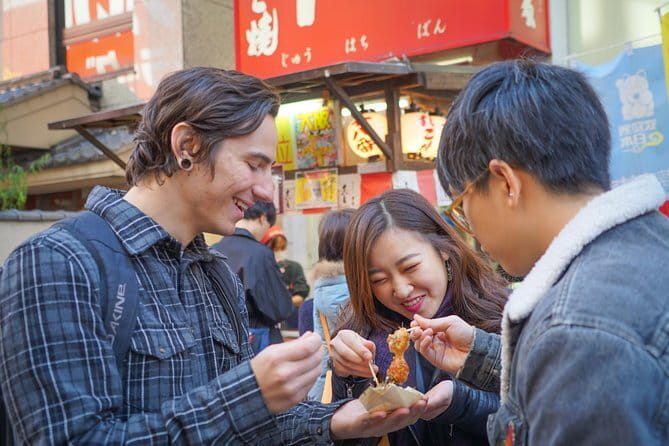
After depachika, you’ll go to Hozenji Yokocho, a narrow alley known for a traditional atmosphere near Hozenji Temple. Expect about 10 minutes, with admission listed as included.
This stop does something important for your appetite: it breaks up the pace. Shinsekai can be noisy and fast, and Dotonbori gets loud later. Hozenji Yokocho gives you a short, calmer stretch where the food feels more like an alley tradition than a performance.
It’s also a good place to slow down and actually taste what you’re given. When you have multiple tastings on a walk, it helps to have at least one stop where you can focus.
Dotonbori by the canal: the neon finale (with the Glico Sign as your cue)
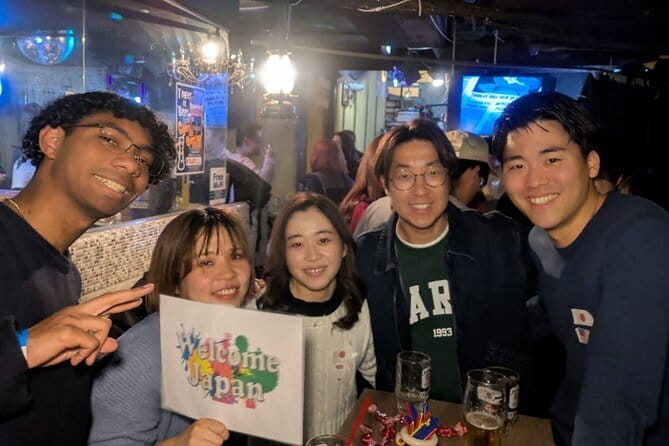
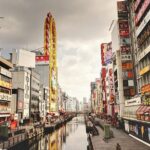
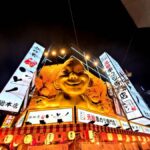
Your last neighborhood is Dotonbori, a famous entertainment and street-food area known for neon signs and big billboards along the canal. You’ll spend about 30 minutes here, with admission listed as included.
This is the finish-line moment. You get one more dose of Osaka energy and you end at the Glico Sign bridge, which is extremely convenient if you want to keep moving afterward. It also makes the tour easy to remember: tower near the start, then Shinsekai, then alley calm, then neon canal lights to wrap it up.
What you’ll eat: a practical sense of the dish lineup
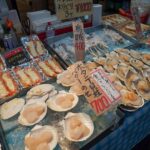
The tour is designed around 6–10 local dishes, plus a drink of your choice (alcoholic or non-alcoholic). You’re not guaranteed an identical selection every day, but the typical examples shared for this experience include:
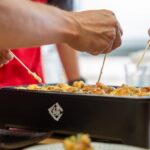
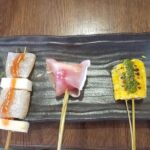
- Kushikatsu (deep-fried skewers) from the Shinsekai area
- Takoyaki (octopus balls) from Osaka’s oldest takoyaki shop
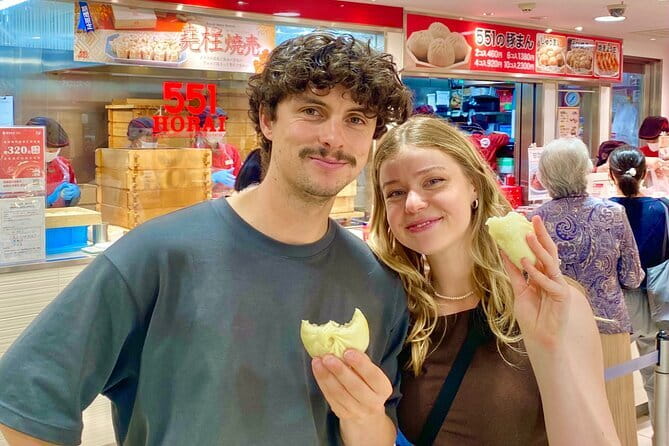
- Butaman (steamed meat buns) loved by locals
- Wagashi (Japanese sweets) from a 200-year-old wagashi store
- Croquettes from a historic butcher shop
A few things to keep in mind. First, this is a mix of savory and sweet, so you’ll likely cover multiple flavors and textures instead of repeating fried-only snacks. Second, since ingredients can include meat, seafood, wheat, and dairy, you should treat dietary needs as a planning task, not an afterthought.
Alcohol or not: how the drink choice fits the pacing
Your included drink can be alcoholic or non-alcoholic. I like this setup because the tour is only about three hours—so you can choose a drink that matches your pace and comfort.
If you want to stay sharp for walking, picking a non-alcoholic drink is an easy way to keep energy steady. If you do want alcohol, a small tasting-friendly drink can be a fun bonus, especially as you reach the Dotonbori finale.
Lunch vs dinner timing: eat when you’re hungry, not when you’re free
The tour is offered as a lunch or dinner-time experience, so timing isn’t a detail. It’s the difference between tasting like a foodie and tasting like someone who already ate a big meal.
If you’re deciding your day, I’d match your tour time to your actual hunger level. Osaka food rewards appetite. With multiple tastings coming in a planned order, being a little hungry gives you better enjoyment and fewer regrets.
Public transportation lessons: why you pay extra attention here
One of the standout features is that your guide helps you use public transportation in Osaka, which is especially valuable if you’re staying in a different area of the city. The route is built around walking plus short transit moves.
And yes, remember the one extra fare: the subway fee from Shinsekai to Namba is ¥190 per person. This isn’t huge, but it’s worth budgeting so you can focus on your food instead of counting coins mid-tour.
Who this tour is best for (and who might want a different plan)
This is a strong fit if:
- you want local dishes rather than a highlights checklist
- you like small groups (max 8)
- you want help navigating transit
- you’re okay doing a moderate walk and sampling multiple bites
It may not be the best fit if you have major allergy constraints or strict dietary restrictions. The tour notes that dishes can include meat, seafood, wheat, and dairy, and you may need to coordinate accommodations ahead of time.
Also, if you hate crowds, Osaka’s central food streets can feel busy. The upside is that having a guide helps you move through crowds without wasting time.
Should you book this Osaka Food Adventure Tour?
Yes, you should book it if you want a focused Osaka food day that includes guidance, multiple tastings, and a route you can repeat later. The combination of 6–10 dishes, a small group, and guide personality cues from the named guides (Ayako, Chiyoe, Kaoru, Sue, Hiro, Bryan, Emi, Sumiyo) adds up to a tour that feels like a plan, not a random snack crawl.
I’d book it especially if you’re a first-time Osaka visitor or if you want a reliable way to understand where to eat beyond the obvious spots. Just do one small homework task: check dietary needs early, and wear shoes you trust. Then you’ll get what this tour promises—great food, less guesswork, and an Osaka you can actually navigate.
FAQ
How many dishes will I try on this tour?
You’ll try about 6–10 local foods as part of the included lunch (or dinner-time option, depending on your departure).
How long is the Osaka food walking tour?
The tour runs for about 3 hours.
Is this a small group tour?
Yes. The group size is capped at a maximum of 8 travelers.
What’s included in the price?
The price includes the tour guide (English or Japanese), a tasting meal of 6–10 local foods, and 1 drink (alcoholic or non-alcoholic).
Do I need to pay for any admission tickets or extra costs?
Tsutenkaku Tower and the Takashimaya Osaka Store (depachika) stop list admission tickets as not included. Also, the subway fee from the Shinsekai area to Namba is listed as ¥190 per person and is not included.
What if I have food allergies or strict dietary restrictions?
The tour notes that meals may include ingredients such as meat, seafood, wheat, and dairy. If you have allergies or restrictions, contact the tour provider in advance to discuss what can be accommodated.