REVIEW · NAMBA
1 Day Takoyaki Making and Osaka Castle Walking Tour
Book on Viator →Operated by JTB Global Marketing & Travel Inc. · Bookable on Viator
Osaka in one efficient day. You’ll start with a calm shrine visit, ride a retro street tram, then finish with Osaka Castle views and an Ogawa River cruise.
I especially love two parts: the quiet power of Sumiyoshi Taisha with its famous bridge, and the hands-on takoyaki lunch where you cook your own Osaka soul food. In one recent group, guides including Momo-san were praised for keeping the stories clear and timely, so you’re not stuck listening while everyone else is taking photos.
The main catch is the pace: you’ll cover about 7 km on foot, and seating on public transport isn’t guaranteed. If you have limited stamina or hate walking between stops, this could feel like a long day.
Key highlights at a glance
- Hands-on takoyaki you cook yourself during a 60-minute all-you-can-eat lunch
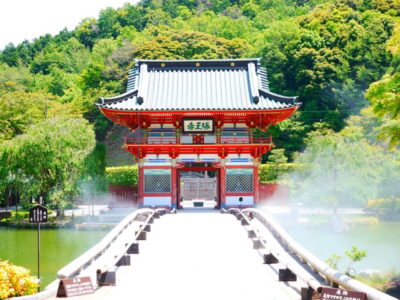
- Sumiyoshi Taisha with maritime-safety prayers and the iconic Sorihashi bridge
- Osaka’s only street tram for a quick, nostalgic look at everyday city life
- Shinsekai street energy around Tsutenkaku, with time to browse and snack on your own
- Aqua Liner cruise to Osaka Castle Pier, with a museum swap if the boat can’t run
- Small group size (max 15) keeps the experience feeling personal
In This Review
- A tight 8-hour day built around Namba
- Sumiyoshi Taisha: maritime safety and business prayers
- The Osaka street tram stop: a tiny ride with big personality
- Shinsekai and Tsutenkaku: where street signs and snacks compete
- Takoyaki lunch at Kushikatsu Takoyaki Ajinodaimaru: fun, hands-on, and specific
- What you get (and what to expect)
- Vegetarian requests: the important nuance
- Sharing is part of the setup
- Aqua Liner and Osaka Castle: river views, then Hideyoshi’s symbol
- If the boat doesn’t run
- Osaka Castle: 16th-century power, plus tower views
- The guide and pace: what “licensed English support” means in real life
- Price and value: why $148.65 can be a smart buy
- Before you go: three practical things to get right
- Should you book this Osaka 1-day tour?
- FAQ
- Is lunch included, and what’s included with it?
- Can I request a vegetarian meal?
- How much walking is involved?
- How long is the tour?
- Where does the tour start and end?
- What happens if the Aqua Liner cruise is not available?
- Will I be able to sit during transportation?
- How big is the group?
A tight 8-hour day built around Namba
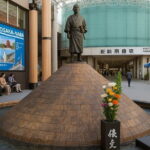
This tour runs from 8:50 am to about 5:40 pm, starting at Namba Hiroba Square (Pedestrian Paradise) and ending at Namba Station. That timing matters. You get to hit the popular spots while the day is still young, then you’re back in the Namba area near dinner time, which is convenient for an easy follow-up meal.
You’ll also be moving constantly. Even though several stops include breaks, the tour still adds up to roughly 7 km of walking. Plan for comfortable shoes and clothes you don’t mind getting a little warm in. Public transportation is used between points, and seating isn’t guaranteed, so a light layer and a little patience help.
Group size is capped at 15 travelers, which is big enough to meet people but small enough that the guide can keep the day flowing.
Sumiyoshi Taisha: maritime safety and business prayers
Your morning begins at Sumiyoshi Taisha Shrine, a longtime religious center for Osaka residents. This isn’t a “photo-and-leave” stop. The guide-led visit is designed to help you understand why this place is still used by locals, including people who pray for maritime safety (the shrine is tied to seafaring protection) and prosperity in business.
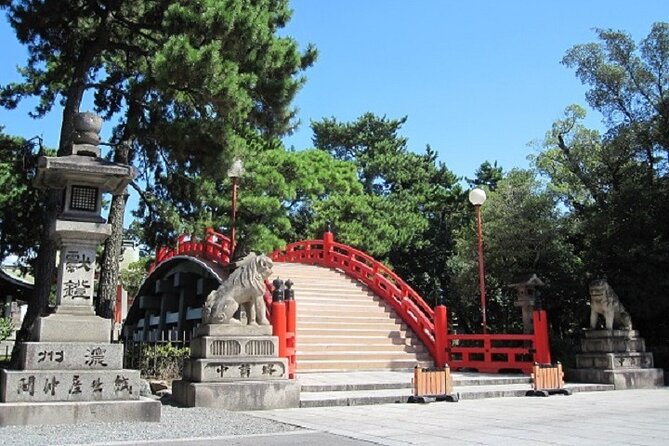
You’ll spend about an hour here, with admission free. The shrine’s standout feature is the bridge called Sorihashi. It’s one of those details that instantly changes your understanding of the place—from scenery to meaning. If you pay attention here, you’ll see how Osaka’s identity blends practical life with spirituality.
Practical note: shrines can be cool and quiet in the morning, but you’ll still want to bring a small amount of water. The tour later shifts into more walking and street time.
You can also read our reviews of more walking tours in Namba

The Osaka street tram stop: a tiny ride with big personality
Next comes a short look at old downtown life via Osaka’s street tram. Your scheduled stop is at Sumiyoshitoriimae, around 15 minutes, and the idea is simple: hop in, glance at the cityscape, and feel the difference between a standard train ride and a street-running tram experience.
Why this is worth your time: it’s not just transportation. It’s a way to watch Osaka from a human scale. You’ll be close to the neighborhood rhythm—shops, daily movement, and the kind of streets you don’t always get to see when you rush between big landmarks.
The tram segment is brief, so if you’re hoping for a long “ride and relax” moment, set expectations accordingly. Think of it as a quick flavor of the city’s older vibe before you switch gears to Shinsekai.
Shinsekai and Tsutenkaku: where street signs and snacks compete
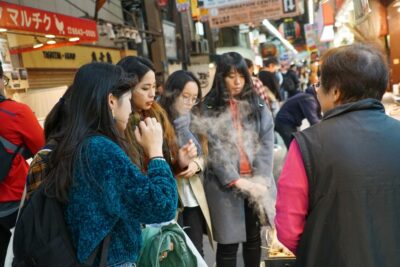
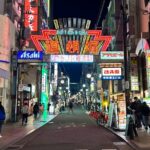
After the tram, you land in Shinsekai, a lively area known for its shopping streets and the kind of evening-shift energy that makes Osaka feel like Osaka. Your time here is about 30 minutes, and the admission is free.
This is where Tsutenkaku Tower rises above the signs, and you get a clear sense of why the neighborhood is popular. You’ll see izakaya culture, game centers, and shops packed into short blocks. Even if you don’t buy anything, you’ll learn a lot just by noticing how people hang out in public spaces here.
A good approach for this stop: treat it like a browsing window. Snap photos, walk a few side streets, and if you want extra snacks, plan to pay out of pocket. Lunch is already included later, so this is best for light wandering rather than a big second meal.
Takoyaki lunch at Kushikatsu Takoyaki Ajinodaimaru: fun, hands-on, and specific
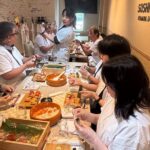
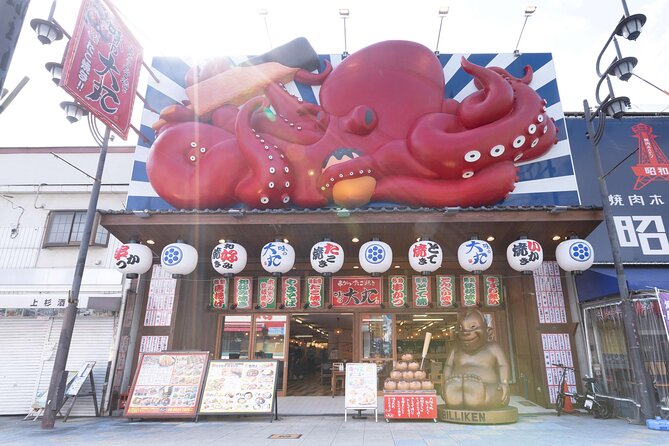
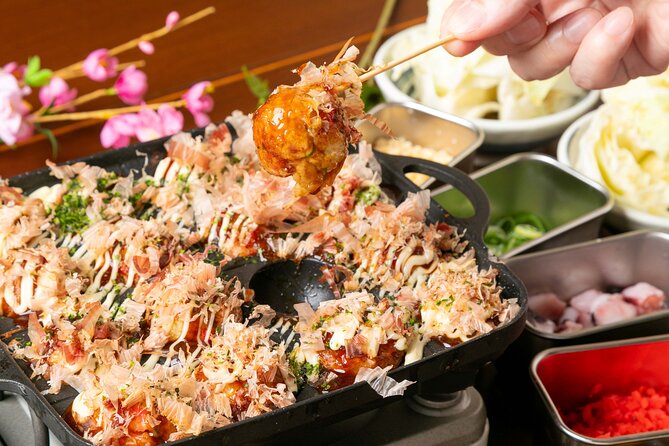
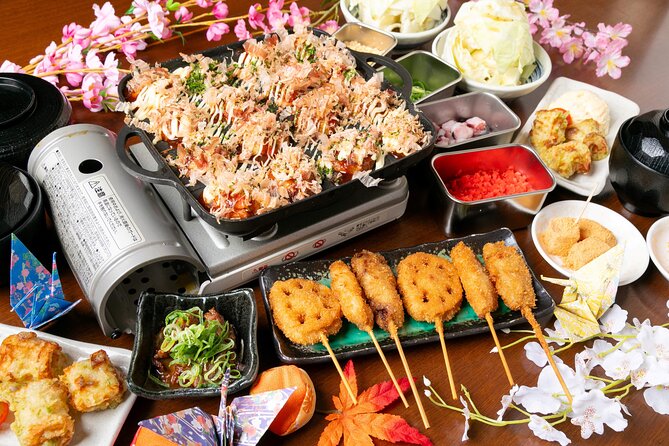
Lunch is the centerpiece of the day. At Kushikatsu Takoyaki Ajinodaimaru, you’ll spend about one hour with a takoyaki-making experience, and the tour includes lunch plus an “all-you-can-eat” time during 60 minutes for takoyaki you make.
This is the kind of activity that turns a tourist meal into an actual skill—and that’s where the value really shows. You’re not just being handed food. You’re cooking it, watching it set, and figuring out your own technique.
What you get (and what to expect)
Takoyaki here contains octopus, eggs, and animal-derived stock. The tour also includes additional meal items that are served cooked (so you’re not juggling everything at once):
- salted cabbage
- deep-fried chikuwa with seaweed
- potato salad
- 3 deep-fried skewers
- white rice with refills available
- miso soup
You can also read our reviews of more tours and experiences in Namba

Vegetarian requests: the important nuance
Vegetarian meal requests are accepted, but there’s a specific limitation you should know: if you choose the vegetarian meal, you won’t be able to enjoy vegetarian takoyaki. Instead, you’ll get a special menu with items like mini salad, appetizers, grilled vegetable options, deep-fried tofu teppanyaki, grated kelp soup, and rice.
If you’re avoiding seafood, make sure you understand this before you book. If you’re okay with the atmosphere of takoyaki cooking but want a vegetarian plate, the provided alternative can work well.
Sharing is part of the setup
One takoyaki maker is provided for every four customers, so you may be asked to share a table with another group. That’s normal in a class-style setup, but it can affect how comfortable you feel if you prefer total privacy during meals.
My practical advice: go in with a “team cooking” mindset. You’ll usually have more fun that way, and the guide can help you keep things moving.
Aqua Liner and Osaka Castle: river views, then Hideyoshi’s symbol
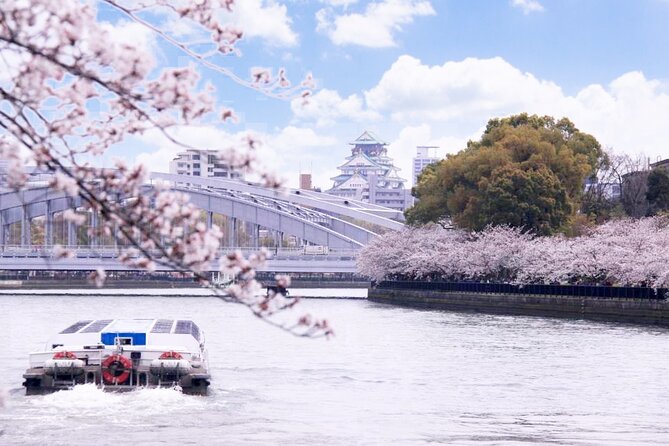
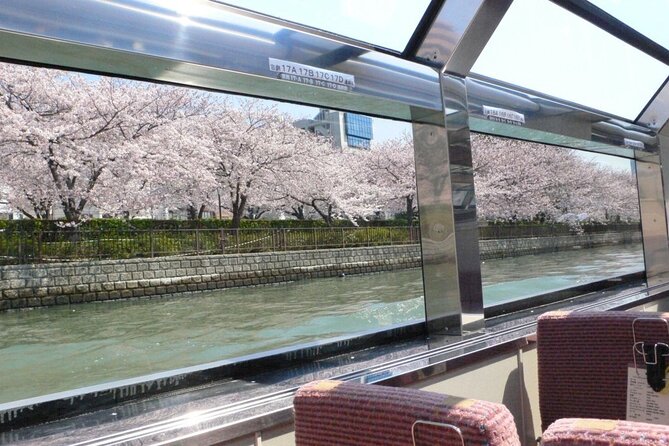
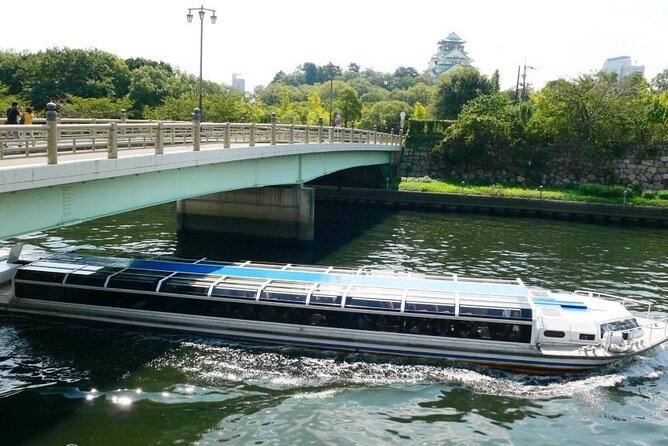
After lunch, the tour moves to Aqua Liner (Osaka Castle Pier) for a cruise along the Ogawa River. This is 40 minutes under normal timing, but it can shift to 55 minutes due to schedule changes on certain dates (until March 24, 2025 and from April 11, 2025).
The goal isn’t to get lost in scenery descriptions—it’s to see Osaka from a different angle. A river cruise changes how you understand spacing: where major areas sit, how the city turns around waterways, and how big Osaka Castle looks when you approach it from the river side.
If the boat doesn’t run
If the Aqua Liner can’t operate due to bad weather or other operational concerns, the tour switches to the Osaka Museum of History instead. On Tuesdays, the museum is closed, and in that case the guide provides a refund on the tour day (JPY 2,000 for adults, JPY 1,000 for children) if the Aqua Liner is unavailable.
That swap policy matters for your planning. Even if you don’t love museums, you’ll still get a structured plan rather than a scramble.
Osaka Castle: 16th-century power, plus tower views
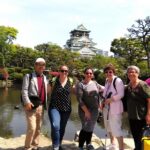
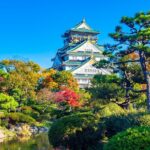
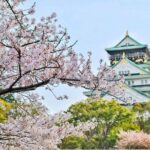
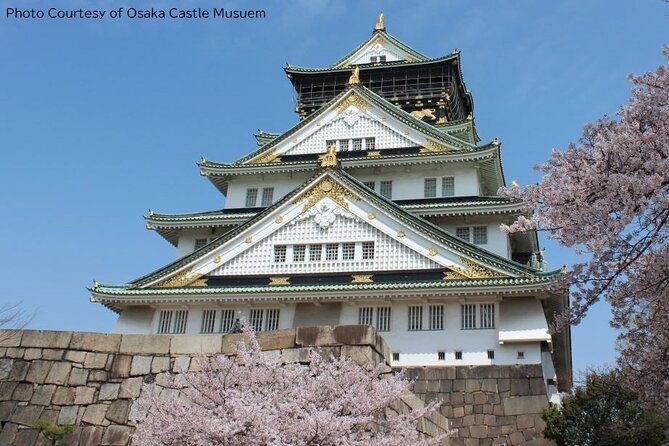
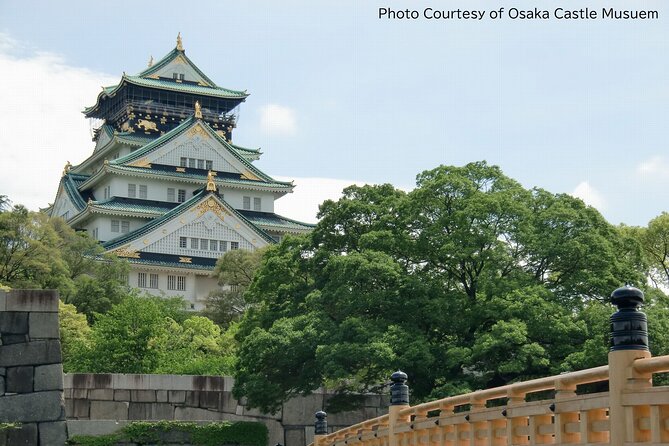
You’ll then visit Osaka Castle, with about 1 hour 30 minutes allocated and admission included. Osaka Castle is known as a symbol of power tied to Toyotomi Hideyoshi, founded in the 16th century during the Sengoku period.
Here’s what to focus on for maximum payoff: take your time with the overall layout, then aim for the tower views. From higher points, the city’s scale becomes obvious, and you can connect earlier stops (like Shinsekai and Namba) to the broader geography of Osaka.
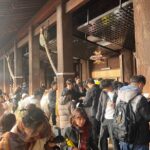
A castle visit can get crowded, so having a guide manage the flow is a real benefit. The schedule is designed to help you avoid the worst bottlenecks.
The guide and pace: what “licensed English support” means in real life
The tour includes a National Government Licensed English guide interpreter. In practice, that means you’re not left piecing together legends, shrine customs, or castle context from signboards alone.
The best guides on this route (including those named in feedback such as Momo-san) tend to do one crucial thing: they give enough story to make each stop feel connected, without turning the day into a lecture. That matters on tours like this because you’re constantly shifting between places that look similar at first glance—shrines, city streets, and viewpoints.
Expect flexibility too. The order of stops can shift based on congestion or other site timing realities, and the guide plans around that. With a small group size, you’ll usually feel it as smoother movement rather than delays.
Price and value: why $148.65 can be a smart buy
At $148.65 per person, it’s not a budget tour. But for a first pass at Osaka, it can be good value—mainly because you’re paying for fewer hassles and more included costs.
Here’s what’s included:
- English guide interpreter fees
- Lunch (takoyaki-making plus sides and drinks/meal items described above)
- Transportation costs between stops
- Other admission fees
And what you’re not paying for separately:
- tickets for each attraction listed
- figuring out train/subway routes for every segment
- coordinating timing for a day with a lot of moving parts
If you were to DIY this day, you’d likely spend time planning, paying for admissions one-by-one, and handling language friction at the exact moments you want the most clarity—like understanding shrine meaning or castle significance.
So the value depends on you. If you want a guided route with English context and an organized day that ends back in Namba, this price can feel reasonable. If you love being completely independent and don’t mind researching, you could build a cheaper DIY itinerary—but it won’t be as friction-free.
Before you go: three practical things to get right
This tour is straightforward, but Osaka days have real-world factors. Here are the only ones you need to think about.
1) Shoes and stamina
You’ll walk about 7 km. Plan for lots of sidewalks, short transfers, and standing at viewpoints.
2) Food reality check
Takoyaki isn’t just breaded street food. It contains octopus and animal-derived stock. If that’s a problem for you, use the vegetarian option carefully and read the nuance: vegetarian guests won’t get vegetarian takoyaki.
3) Weather can change the river plan
The Aqua Liner cruise may swap to the Osaka Museum of History if operations are disrupted. That’s not a disaster, but it’s good to know so you don’t feel like the day changed randomly.
Should you book this Osaka 1-day tour?
Book it if you want a well-structured Osaka sampler: shrine calm, retro tram nostalgia, Shinsekai street energy, a real cooking class lunch, and then Osaka Castle with river views. It’s especially good for first-timers who want a day that doesn’t require planning every single transfer.
Skip it or consider another option if:
- you hate walking long distances or can’t stand for lots of transit time
- you’re very sensitive to seafood-based ingredients and can’t do the vegetarian takoyaki limitation
- you prefer slower days with fewer stops and more time at one place
My take: this is a smart choice for people who want to get the feel of Osaka fast, without losing the human details that make the city memorable.
FAQ
Is lunch included, and what’s included with it?
Yes. Lunch is included and includes takoyaki-making with 60 minutes all-you-can-eat, plus other items such as salted cabbage, deep-fried chikuwa with seaweed, potato salad, three deep-fried skewers, white rice with refills, and miso soup.
Can I request a vegetarian meal?
Vegetarian requests are accepted, but vegetarian travelers won’t be able to enjoy takoyaki. Instead, you’ll receive a special vegetarian menu with items like appetizers, grilled vegetables, deep-fried tofu teppanyaki, grated kelp soup, and white rice.
How much walking is involved?
The tour is a walking tour that covers about 7 km (about 4 miles).
How long is the tour?
It runs for about 8 hours 50 minutes.
Where does the tour start and end?
It starts at Namba Hiroba Square and ends at Namba Station (ending around 5:40 pm).
What happens if the Aqua Liner cruise is not available?
If Aqua Liner can’t operate due to bad weather or other operational issues, the tour visits the Osaka Museum of History instead.
Will I be able to sit during transportation?
Seating is not guaranteed because public transportation is used.
How big is the group?
The tour has a maximum of 15 travelers.