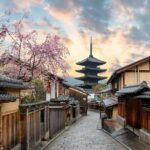
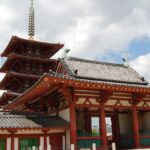
Three Kyoto icons in one day? That’s the trick. This full-day run strings together the Arashiyama bamboo trail, Kinkakuji (Golden Pavilion), and Fushimi Inari’s red gates, with an English-speaking (and often Mandarin-speaking) guide and a comfortable ride out of Osaka. You’ll get a small-group feel without the chaos of a big bus—plus WiFi and bottled water on board.
What I love most is the comfortable logistics: you’re in an air-conditioned private vehicle, and you’re not wasting time figuring out trains, entrances, or meeting points. The second big win is the guidance—on trips led by guides like Taka, Tom, Jin, or Woody, the explanations tend to make each stop click fast, and you spend more time looking than troubleshooting.
One possible drawback: this tour includes walking with stairs and hills at multiple stops. If you don’t do long walks well, especially with Japan’s lots-of-steps reality, this one may feel tight even though the pace is generally organized.
In This Review
- Key things that make this Kyoto day run work
- Osaka to Kyoto: the practical value of going with a guide
- Meeting points, timing, and the small-group feel (max 11)
- Arashiyama: Togetsukyo Bridge and the bamboo day-start effect
- Bamboo Forest Trail: what you’ll actually do (and why it matters)
- Practical walking note
- Arashiyama town lunch break: keep it flexible
- Kinkakuji (Golden Pavilion): the calm-but-famous temple stop
- Why the guide matters at Kinkakuji
- Fushimi Inari Taisha: 2 hours to handle the red gate maze
- How to make your two hours count
- A balanced warning
- Transportation, included items, and what the $105.71 price really buys
- Who this Kyoto day trip is best for (and who should skip)
- Should you book this Kyoto full-day tour from Osaka?
- FAQ
- FAQ
- How long is the full day Kyoto tour?
- Where do I meet the tour in Osaka?
- What time does the tour start?
- Is lunch included?
- Are entry tickets included?
- Is the tour customizable?
- How much walking is involved?
- What’s included in the tour besides guiding?
- How big is the group?
- What happens if weather or traffic affects the schedule?
- Where can I get dropped off at the end?
Key things that make this Kyoto day run work
- Small group (max 11) plus a private vehicle means less waiting around.
- Expert guiding at every major stop helps you understand what you’re seeing.
- Arashiyama first keeps the day rolling before the later crowd waves hit hard.
- Tickets are handled (including Kinkakuji), so you can move without extra admin.
- Inari is big on steps, so your stamina matters more than your camera does.
- Timing can shift with weather and traffic, so keep a flexible mindset.
Osaka to Kyoto: the practical value of going with a guide
If you’re using Osaka as your base, this kind of day trip is often the sweet spot. Kyoto is close enough to reach easily, but far enough that train transfers, station navigation, and juggling ticket lines can eat hours—especially when crowds spike.
This tour starts at 9:45 am and meets at either Shinsaibashi or Umeda DT Tower. From there, you ride about 1.2 hours to the Arashiyama area in a vehicle that’s air-conditioned and includes WiFi and bottled water. That sounds simple, but it matters: you arrive with less friction, and you’re ready to start walking as soon as you’re dropped near the first sights.
You also get a clear structure. The day is built around three major Kyoto “musts,” and you’re not trying to piece together routes on your own. The tradeoff is that it’s not customizable, so you’re committing to the standard flow of Arashiyama → Golden Pavilion → Fushimi Inari.
You can also read our reviews of more tours and experiences in Osaka
Meeting points, timing, and the small-group feel (max 11)
There’s a reason group size shows up in the fine print: the max group size here is 11 travelers. In practice, that usually means you can actually hear the guide, move together without bottlenecks, and still have moments to pause for photos.
At the end of the day, you return to Osaka and can request to disembark at Shinsaibashi RIMOWA or Umeda DT Tower. The tour description also notes there’s no extra pick-up or drop-off beyond the listed meeting areas, so plan your route to get to the start point comfortably.
One more realistic factor: the schedule might change due to weather and traffic. Kyoto traffic can be slow, and bamboo and Inari areas are weather-sensitive. If it’s raining, you’ll still go—but you may feel slightly different timing depending on conditions.
Arashiyama: Togetsukyo Bridge and the bamboo day-start effect
Your first Kyoto experience begins around Togetsukyo Bridge and the Arashiyama riverside area. Even if you’ve seen photos of Kyoto bamboo before, this bridge-and-river setting gives context. It’s not just a “walk through plants” moment; it’s a view of how the town sits in a mountain-and-river valley.
From the bridge, you cross into the Arashiyama town area and head toward the bamboo trail. Expect scenery, small streets, and the feeling that you’ve stepped into a quieter pocket of Kyoto—before you hit the most famous greenery stretch.
Bamboo Forest Trail: what you’ll actually do (and why it matters)
The Bamboo Forest Trail is timed for about 50 minutes here. That’s usually enough to walk at a comfortable pace, pause for photos, and experience the path’s rhythm without feeling like you’re speed-running it.
One thing the tour emphasizes is the long connection of bamboo to Kyoto culture—this area is described as culturally significant for over 1000 years, with bamboo cultivated by nobles of the Heian era still remaining. Even if you don’t memorize historical dates, that kind of framing changes how you see the place. You stop treating it like a backdrop and start noticing how the setting is curated by time, not just greenery.
Practical walking note
This portion is beautiful but not effortless. The tour is clear that walking includes stairs and hills across places. The bamboo area can also include uneven footing, so wear shoes you can trust. If your feet don’t like long stone walks, you’ll want to plan around that.

Arashiyama town lunch break: keep it flexible
After the bamboo trail, you get about 1 hour in Arashiyama for lunch and personal time. Lunch isn’t included, so you’ll choose from local cuisine, food stalls, or shops in the area.
This is one of the few open windows in the day. Use it to do two things:
- Eat something that won’t slow you down for Inari later.
- Don’t overdo shopping right here, because the day’s “big step” stop is still ahead.
If you’re trying to maximize value, prioritize food you can eat quickly and comfortably on the go. You don’t need a long sit-down meal to enjoy Arashiyama—you just need fuel.
Kinkakuji (Golden Pavilion): the calm-but-famous temple stop
Next comes the Golden Pavilion—Kinkakuji Temple—reachable by a 25-minute drive. Time here is about 1 hour 30 minutes, and the tour notes admission is included.
Kinkakuji is iconic for a reason. Even if you’ve seen it in pictures, being there in person gives you the full effect: the pavilion, the surrounding garden, and the way the compound feels like a carefully designed viewing space. This stop is also a nice pacing break. Compared with Inari’s constant climbing, Kinkakuji often feels more structured—more “observe and walk a route” than “move uphill for miles.”
Why the guide matters at Kinkakuji
A good guide can help you notice what you might otherwise skip: where views are meant to land, what the pavilion and garden layout communicate, and how Kinkakuji fits into Kyoto’s religious and cultural landscape.
The value here isn’t just ticket access—it’s not having to hunt for context while you’re looking at what’s arguably Kyoto’s most photographed temple.
Fushimi Inari Taisha: 2 hours to handle the red gate maze
Finally, you drive about 50 minutes to Fushimi Inari Taisha Shrine, founded over 1300 years ago and dedicated to Inari Okami. This stop is allocated about 2 hours, and admission here is listed as free.
This is the “workout” portion of the day. Fushimi Inari is famous for its endless red gates, and the experience is less about one single view and more about how far you choose to go along the routes. Two hours can feel long or short depending on your walking pace and how much you stop to look.
How to make your two hours count
Here’s the practical approach I’d use:
- Start by walking enough to see how the gates rhythm changes as you go deeper.
- If you want photos, plan them at natural pinch points so you’re not constantly turning around.
- Save your deepest climb for if you still feel good halfway through. If you wait until the end, you may feel rushed.
Because the tour isn’t customizable and the schedule can shift, it’s smart to go in with stamina in mind. The tour also explicitly warns that it isn’t recommended if you can’t walk long distances, and Inari is where that warning becomes real.
A balanced warning
Some people found the time here could feel rushed compared with what they hoped to do. That’s not unusual for a day trip with three headline stops. If your top priority is Fushimi Inari and you love slow, deep exploring, you might want more than two hours. But if you want the full Kyoto highlights in one day, this is still a solid hit.
Transportation, included items, and what the $105.71 price really buys
At $105.71 per person, this tour is priced like a true guided day trip rather than a DIY bundle. That means you’re paying for more than transport—you’re paying for time savings and reduced hassle.
You get:
- English-speaking conductor and sometimes Mandarin-speaking conductor
- Air-conditioned vehicle
- WiFi on board
- Bottled water
- All fees and taxes
- All fees and taxes plus admission coverage (Kinkakuji is specifically listed as ticket included)
Also, the tour notes it’s not a big bus operation. With a small group (max 11) and a private vehicle, you’re less likely to lose time herding people around or waiting for someone who missed the meeting point.
What’s not included:
- Lunch
- Gratuity
If you want value, plan to spend most of your money on food and not on entry chaos. And if you’re juggling your first time in Japan, the guidance can easily be the difference between “I saw places” and “I understood what I saw.”
Who this Kyoto day trip is best for (and who should skip)
This tour fits best if you:
- Want three Kyoto highlights from Osaka in 8 to 9 hours
- Like having a guide explain what you’re seeing (not just pointing)
- Prefer a small-group pace over a crowded bus day
- Can handle walking, including stairs and hills
It’s less ideal if you:
- Have limited mobility or don’t do long walks well
- Want a slow, unstructured Kyoto day
- Plan on spending hours hiking deep paths at Fushimi Inari
One more reality check: because the schedule can shift with weather and traffic, you should avoid treating this as perfectly timed “photo-only” missions. Build in a little flexibility.
Should you book this Kyoto full-day tour from Osaka?
If your goal is a strong, organized introduction to Kyoto—Arashiyama bamboo, Kinkakuji, and Fushimi Inari—this is a very reasonable way to do it. The best part is the combination: a comfortable ride from Osaka, a guide who can connect the dots fast, and enough time at each stop to enjoy it without feeling like you’re constantly rushing.
I’d still be honest in your decision: the day is packed, and Inari involves serious steps. If you want a slower, more personal day where you can wander without time pressure, you may prefer a different format with more flexibility. But if you’re short on time and want Kyoto’s headline moments handled for you, this tour is an easy yes.
FAQ
FAQ
How long is the full day Kyoto tour?
The duration is listed as about 8 to 9 hours.
Where do I meet the tour in Osaka?
You meet either in Shinsaibashi or at Umeda DT Tower.
What time does the tour start?
The start time is 9:45 am.
Is lunch included?
No. Lunch is not included.
Are entry tickets included?
The tour includes admission tickets in the price. Kinkakuji Temple admission is included, while some other listed stops are marked as free.
Is the tour customizable?
No. The tour is not customizable.
How much walking is involved?
The tour includes walking with stairs and hills. It also notes it’s not recommended if you cannot walk long distances.
What’s included in the tour besides guiding?
It includes an English-speaking conductor (and sometimes a Mandarin-speaking conductor), an air-conditioned vehicle, WiFi on board, bottled water, and all fees and taxes.
How big is the group?
The tour has a maximum of 11 travelers per group.
What happens if weather or traffic affects the schedule?
The schedule may change due to weather and traffic. If it’s canceled due to poor weather, you’ll be offered a different date or a full refund.
Where can I get dropped off at the end?
You return to the meeting area, and you can request to disembark at Shinsaibashi RIMOWA or Umeda DT Tower by letting your conductor know.