REVIEW · OSAKA
Kyoto Day Trip from Osaka Port – Private Shore Excursion
Book on Viator →Operated by City Unscripted · Bookable on Viator
Kyoto looks best when someone helps you time it. This private shore excursion turns a one-day window into a smart route through Gion and the Fushimi Inari area, with a local host handling trains and planning. I especially like the fact that the itinerary is personalized after a short questionnaire, and the hosts are praised for communication and on-the-ground guidance (guides like Mayura, Kalid, Ceci, Wei, Shu, Khalid, and Loys Le Goff are named in past experiences). One thing to consider: it runs about 8 hours and still involves walking and train transit, so you’ll want comfortable shoes and a realistic pace.
If you’re docking at Osaka Port and want Kyoto without the stress of rail navigation, this kind of setup is a big win. You’ll get return train tickets for the included route, plus local English- or Japanese-speaking hosting, and you can adjust plans mid-day when you feel like slowing down. The day is flexible, but it’s still one packed calendar—so you should decide ahead of time what you most want.
In This Review
- Key things to know before your Kyoto day
- Private Kyoto From Osaka Port: Why This Works for Cruise Days
- Meeting at Osaka Port and Getting to Kyoto by Train
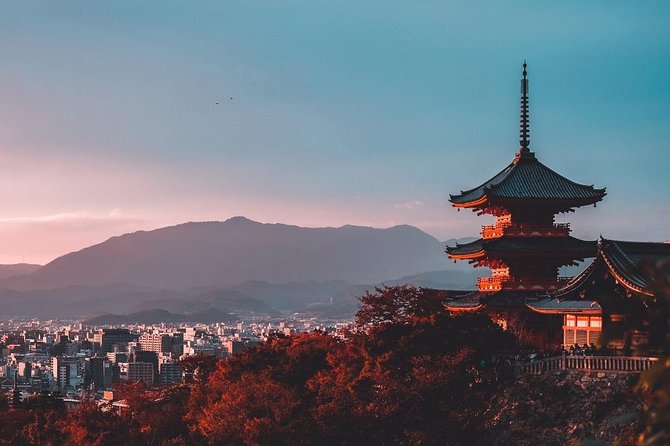
- Lantern Streets of Gion: Where Your Host Finds the Best Atmosphere
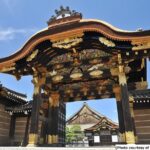
- Kyoto Imperial Palace Architecture: A Calm Break From Shrine Lines
- Fushimi Inari and the Sake District: Flame Gates to a Real Brewery Stop
- Nishiki Market Wagashi or Tea Ceremony: The Sweet, Cozy Pause
- Arashiyama Bamboo Grove: Magic Walks, and an Escape Route When Needed
- Pacing, Logistics, and the One-Day Tradeoffs
- Price and Value: Is $313.37 per Person Fair?
- Should You Book This Kyoto Shore Excursion?
- FAQ
- How long is the Kyoto day trip from Osaka Port?
- Is this a private shore excursion?
- Where do we meet, and where do we end?
- What’s included for transportation?
- Are meals included?
- Are entrance tickets included?
- Can I cancel for a full refund?
Key things to know before your Kyoto day
- Host-matched planning: you answer a questionnaire within 24 hours, then your host shapes a like-minded plan.
- Private means private: only your group rides together, and you set the pace with your host.
- A real Kyoto sampler: Gion streets, Kyoto Imperial Palace area, Fushimi Inari, sake district, and either Nishiki Market wagashi or a tea option.
- Train support included: your host helps you move from Osaka Port via public transport, and return tickets are included.
- Flexibility matters: during the day, you can change your mind about stops and timing.
- Expect walking: the day can feel tiring, especially if your plan includes the popular shrine areas and the bamboo grove route.
Private Kyoto From Osaka Port: Why This Works for Cruise Days
Kyoto is famous, so crowds are real. What makes this shore excursion practical is that you’re not trying to figure out Japanese train transfers with a time deadline. Instead, your host takes point on the route and transport, then helps you pick a workable order of sights based on your interests.
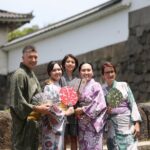
The best value here isn’t just the sights. It’s the combination of private attention and a guided plan that doesn’t waste your limited hours. One of the named guides (Mayura) helped arrange a kimono rental and even guided for family photos, which is exactly the kind of on-the-ground help that turns Kyoto from a checklist into a day you actually remember.
There’s also a subtle but important bonus: you’re given flexibility. If you’re more into shrines than shops, or you’d rather spend extra time walking Gion lanes, you’re not stuck with a rigid script.
You can also read our reviews of more private tours in Osaka

Meeting at Osaka Port and Getting to Kyoto by Train
Your starting point is the Osaka Port International Ferry Terminal (Osaka Port area). Your host will take care of transport via public transport to Kyoto from there. The included rail coverage is described as return train tickets from Bentencho to Kyoto, and your host drops you back at Kyoto Station.
Here’s what to plan for: even with a host, you’re still using trains and doing city walking. That means your clothing and shoes matter more than usual. If your trip involves lots of transfers, you might find it tiring, especially if you’re traveling with older adults or anyone with mobility limits. One guide (Kalid) was able to adjust the day to meet mobility needs, and he even suggested a rickshaw through the bamboo grove area, which can be a smart way to keep the day enjoyable.
My practical advice: wear shoes you can walk in for hours, and keep a light bag you can manage in stations. You’ll also want to be easy to spot at the meeting point. One experience noted the guide wasn’t actively looking at first—so I’d recommend you confirm you’re in the right spot and make eye contact quickly when your host arrives.
Lantern Streets of Gion: Where Your Host Finds the Best Atmosphere
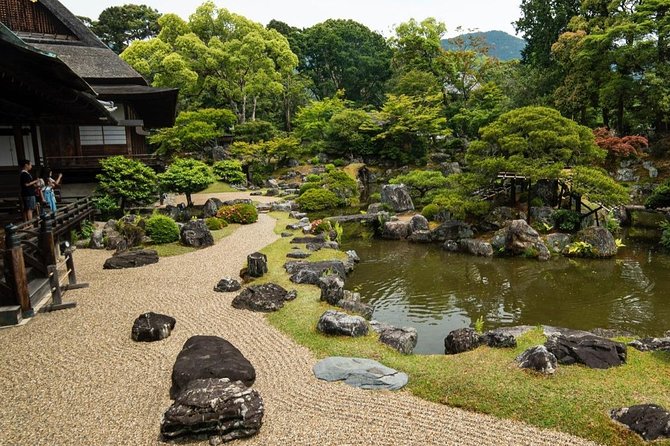
Gion is one of those Kyoto neighborhoods that looks like a stage set—if you catch it at the right time. This day trip brings you to Gion’s lantern-lit streets, and your host will steer you through the traditional entertainment district.
What I like about this stop is that it’s not only about passing buildings. A good host helps you slow down and notice details that you’d otherwise miss: the way lanes narrow, how evening light changes the scene, and where it’s easiest to take photos without blocking foot traffic. In past experiences with this style of guided day, hosts were praised for explaining the little details and using the time well.
And yes, Gion is where the geisha-floating-by feeling can happen. You might spot a geisha at dusk, but treat it like a bonus, not a guarantee. What is reliable is the mood: lantern light, old streets, and the sense that Kyoto is being itself rather than performing for the camera.
Kyoto Imperial Palace Architecture: A Calm Break From Shrine Lines
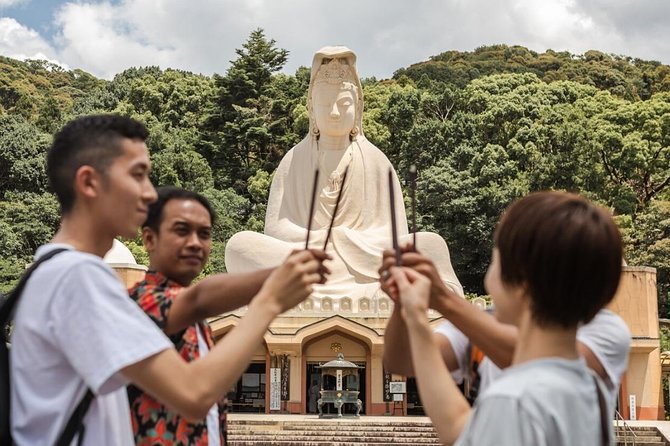
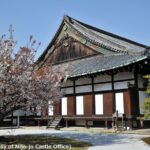
From the busy Kyoto photo stops, you’ll move toward the Kyoto Imperial Palace area to see centuries-old architecture. This stop can be a nice balance because it gives you a different type of sightseeing than shrine crowds and shop streets.
What you gain here is perspective. Shrine routes can be dizzying: torii gates, stairs, lines, and constant turning. A palace-area walk shifts your focus to the built forms—wooden structures, layout, and the scale of the grounds. Even if you don’t spend the entire time reading every sign, you’ll still come away with a stronger sense of how Kyoto functioned historically as a capital.
One practical note: this is still part of a day with multiple destinations. So if you’re the type who loves one site deeply, make sure your host knows you want a more unhurried palace segment. Flexibility is built into the day, but you have to ask.
Fushimi Inari and the Sake District: Flame Gates to a Real Brewery Stop
If you do Kyoto once, Fushimi Inari is the shot you probably came for. This excursion includes time around the Fushimi Inari Shrine area, known for the famous flame-colored tunnel effect, plus it pairs that with the Fushimi sake district.
That pairing is smart. Fushimi Inari gives you the icon. The sake district gives you the story behind the icon—how people actually live around these traditions. You’ll also get the chance to sample freshly brewed sake at a historic brewery.
Two tips to make this stop work well:
- Go in with curiosity about taste, not just alcohol. Sake styles can vary, and a good host can help you match what you like.
- Expect time spent walking between nodes. The shrine area is popular, and your host’s job is to keep you moving without rushing your experience.
One guide experience described a day plan that included Fushimi Inari Taisha Shrine and later other major Kyoto highlights, with good pacing and navigation. That’s the key here: you want a host who can thread the needle between seeing a lot and not feeling like you’re sprinting.
You can also read our reviews of more tours and experiences in Osaka

Nishiki Market Wagashi or Tea Ceremony: The Sweet, Cozy Pause
Food is where Kyoto can become personal. This excursion offers a stop where you can taste authentic wagashi confections at Nishiki Market or do a Japanese tea ceremony option, depending on what your host builds into your day.
I like this choice because it fits different travel styles:
- If you’re a snack-and-wander person, Nishiki Market can be the perfect place to sample sweets while watching everyday market life.
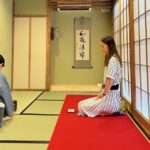
- If you want a slower, more structured experience, a tea ceremony can help you reset in the middle of a long day.
One thing to remember: food and drinks are not included, and entrance fees are also not included. So budget a bit for this part. The upside is that you can spend in line with your own tastes—rather than being forced into a fixed lunch package you don’t care about.
If you have dietary restrictions, tell your host early. Since the itinerary is personalized and flexible, that information helps your day feel smooth instead of awkward.
Arashiyama Bamboo Grove: Magic Walks, and an Escape Route When Needed
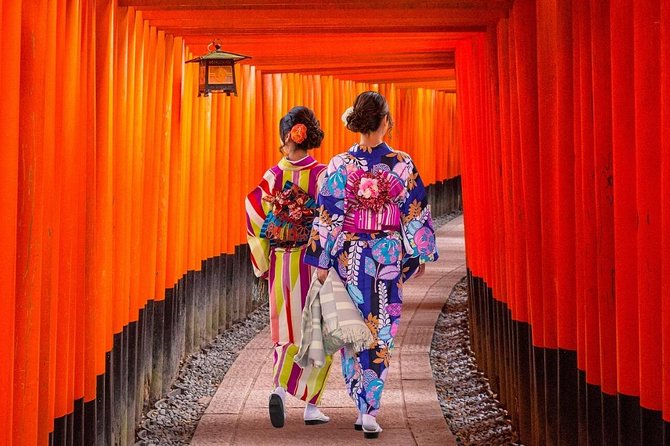
Western Kyoto’s Arashiyama bamboo grove is the other big icon on this day trip. The bamboo area is worth it for the atmosphere alone: the sound, the light, and the way the path feels like it’s carrying you forward.
But here’s the real-world detail: bamboo grove time can turn tiring if your day is already full. In one experience, mobility issues were handled by adjusting the itinerary, and a rickshaw through the bamboo forest was described as a joy. That suggests a smart strategy for you: if walking a long route might wear you down, ask your host what options exist to reduce steps while still getting the bamboo feel.
Also, timing matters. If you reach the area later in the day, you may trade fewer crowds for different light. That’s exactly where a flexible private guide helps—your host can steer timing based on how you’re feeling.
Pacing, Logistics, and the One-Day Tradeoffs
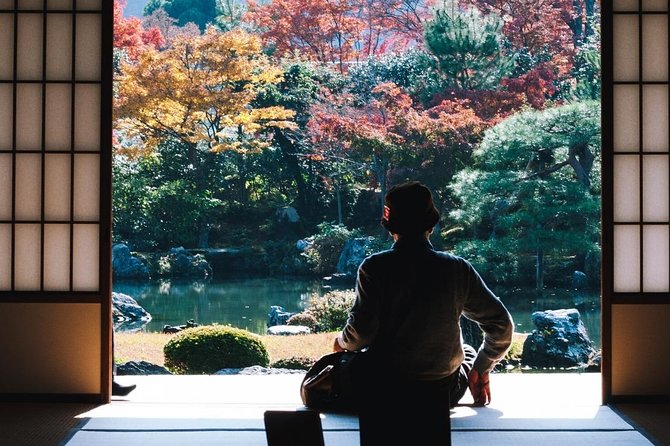
This tour is about using your time well, not about taking it easy. It’s about 8 hours including travel time, and it combines multiple major Kyoto areas in one go. That’s great if you want a greatest-hits day, but it does mean you’ll likely walk more than you expect.
A few practical points from what’s been shared in past experiences with specific hosts:
- Guides have been praised for navigating trains confidently, especially for first-timers using Japan’s rail system.
- Some days can feel tiring, mainly because the day stacks transit plus walking.
- Meeting points can go smoother if you arrive a bit early and clearly match up with your host.
If you want maximum comfort, communicate that up front. The itinerary is personalized, but your priorities shape what gets emphasized. If you only care about Gion and one other area, say so. If you want Gion plus shrine plus bamboo plus sake, say that too—so your host doesn’t optimize for a slower, fewer-stop day.
Price and Value: Is $313.37 per Person Fair?
At $313.37 per person, you’re paying for more than a driver. You’re paying for:
- A private experience with a local host
- Personalized itinerary planning based on your interests
- 8 hours with a host, including travel
- Return train tickets from Bentencho to Kyoto
- Flexible recommendations so your day can adjust
Food, drinks, and entrance tickets are not included, so your final spend will depend on how many paid stops you enter and what you eat. But compared to a basic group transfer, the value is in having someone manage the route and the pacing for your group.
This cost makes the most sense if:
- You’re short on time due to a cruise schedule
- You want Kyoto without rail-stress
- You care about getting the day arranged around your interests
- Your group would benefit from a host who can handle small surprises (like arranging kimono time or focusing on specific photo moments)
It may feel steep if you’re the kind of traveler who wants full freedom and doesn’t mind figuring out trains on your own. But if you’re paying to buy time and reduce hassle, this is the kind of day that can justify the price.
Should You Book This Kyoto Shore Excursion?
I’d book it if your goal is a smart Kyoto hit list with a human plan behind it. The biggest reason is the practical setup: private hosting, rail help, and flexible routing—perfect for a cruise-day timeframe.
Book with extra caution if you know you need very low walking. While hosts can tailor plans (including accommodating mobility needs), this is still a one-day itinerary built around major areas. If you want a gentler pace, ask your host early to design around stamina.
If you’re someone who loves Gion lantern streets, wants Fushimi Inari’s icon moment, and still wants sake or sweets before the day ends, this is a strong choice. You’ll leave Kyoto tired, sure—but usually with that satisfied feeling of having seen the real highlights without the scramble.
FAQ
How long is the Kyoto day trip from Osaka Port?
It’s listed as about 8 hours, including travel time.
Is this a private shore excursion?
Yes. It’s a private experience, and only your group participates.
Where do we meet, and where do we end?
You start at Osaka Port International Ferry Terminal. You end at Kyoto Station, where your host drops you off.
What’s included for transportation?
Included are return train tickets from Bentencho to Kyoto, plus transport help as you travel from Osaka Port via public transport with your host.
Are meals included?
No. Food and drinks are not included.
Are entrance tickets included?
No. Entrance tickets are not included.
Can I cancel for a full refund?
Yes. Free cancellation is available up to 24 hours before the experience starts for a full refund.