REVIEW · OSAKA
Osaka Castle & Samurai History Walking Tour
Book on Viator →Operated by TripGuru · Bookable on Viator
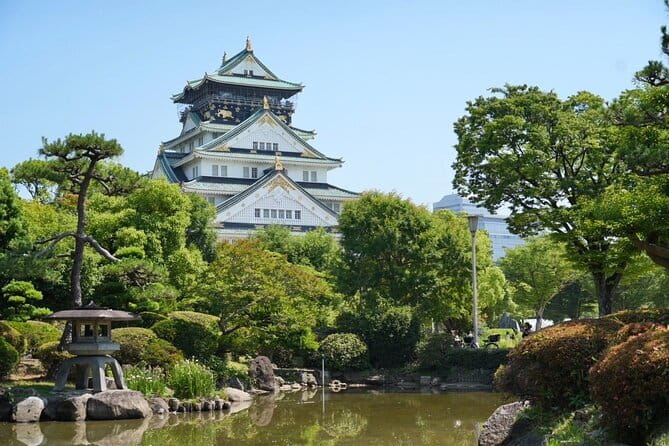
Samurai stories start right at Osaka Castle. This 3-hour walk connects fortress politics with calm garden time and ends at a shrine tied to Toyotomi Hideyoshi. You’ll get panoramic sights from the castle area and a guide who ties the buildings to the people who fought and ruled.
I especially like how the pacing mixes big visuals with smaller, slower moments. The Nishinomaru Garden stop feels peaceful right inside the castle grounds, and the castle park portion shows you the area through everyday local life.
One thing to consider: the Osaka Castle museum admission (1,200 yen) is not included, so plan your budget if you want the main-tower experience.
In This Review
- Key Points Before You Go
- Why Osaka Castle Works Best as a Guided Walk
- Osaka Castle Main Tower: Icon Views and a Ticket Choice
- Nishinomaru Garden and Osaka Castle Park: Quiet Beauty Meets Real Osaka
- Miraiza Osaka-jo: A Museum Stop You Can Finish Without Feeling Rushed
- Hokoku Shrine: Ending at Toyotomi Hideyoshi’s Memorial
- Price and Value: What $22 Gets You in 3 Hours
- Meeting Point and Route Reality: Start Fast, Walk Steady
- Guide Style: What Makes the Tour Feel Worth It
- Should You Book This Osaka Castle Samurai History Tour?
- FAQ
- FAQ
- How long is the Osaka Castle and Samurai History Walking Tour?
- How much does the tour cost?
- Where do you start and where do you end?
- Is the tour in English?
- Do I need to pay an entrance fee for the tour?
- Which parts are free during the tour?
- Is the Osaka Castle museum free for some visitors?
- Is there a mobile ticket?
- How large is the group?
- Is cancellation free?
Key Points Before You Go
- Clear historical storytelling around the castle grounds
- Observation-deck panoramic views built into the main-tower stop
- Free stops for the garden, park, Miraiza Osaka-jo, and Hokoku Shrine
- Small group size with a maximum of 20 people
- Multiple guides mentioned by name in reviews, including Shingo Kumagai, Leo, and Rodrigo
- A practical format with an English-speaking guide and a mobile ticket
Why Osaka Castle Works Best as a Guided Walk
Osaka Castle is one of those places where you can wander on your own and still see something impressive. But a guided route changes the whole experience. You stop long enough for the big picture, then you move just far enough that each spot answers a new question: Who built it? Why here? What did it mean in conflict?
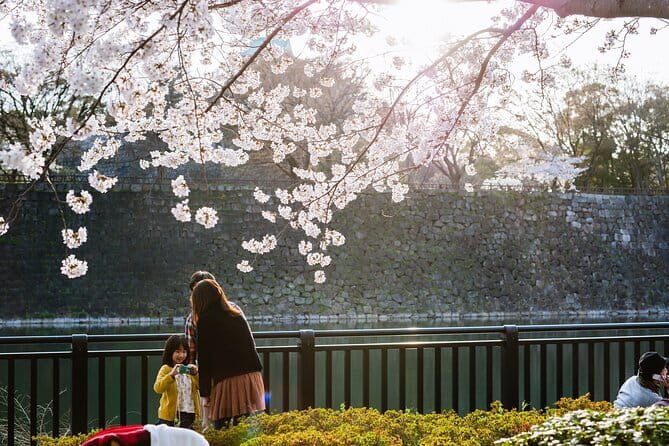
You also get a smart blend of textures. One moment you’re up for the striking architecture and viewpoint time. The next moment you’re in a quieter garden corner with seasonal photo opportunities. That mix is ideal for travelers who want more than just selfies in front of a wall.
At this price point, you’re paying for two things that matter: guided interpretation and a route that keeps you from spending your whole trip figuring out what matters most.
You can also read our reviews of more walking tours in Osaka



Osaka Castle Main Tower: Icon Views and a Ticket Choice
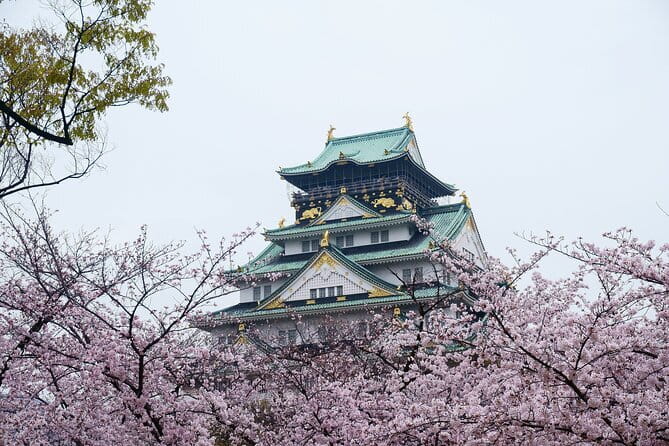
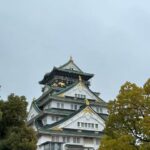
Your tour starts at Ōsakajōkōen Station, and the first real anchor is the Osaka Castle Main Tower. This is where you get the classic castle experience: historic architecture, and the chance to take in wide views from the observation deck.
Here’s the practical part. The museum admission is not included for this stop. The listed entry fee is 1,200 yen for most visitors, and age 15 or below is free. If you skip the museum piece, you’re still in the right place for the tower viewpoints, but you’ll miss the indoor context that helps everything click.
Why I like this stop on a group tour: the guide tends to frame the tower area like a strategic machine, not just a pretty structure. When you connect the architecture to how power was managed, the castle stops being a landmark and becomes a story you can actually follow.
Tip: Wear shoes that handle stairs. Even with a guided pace, this is still a castle site with vertical sections.
Nishinomaru Garden and Osaka Castle Park: Quiet Beauty Meets Real Osaka
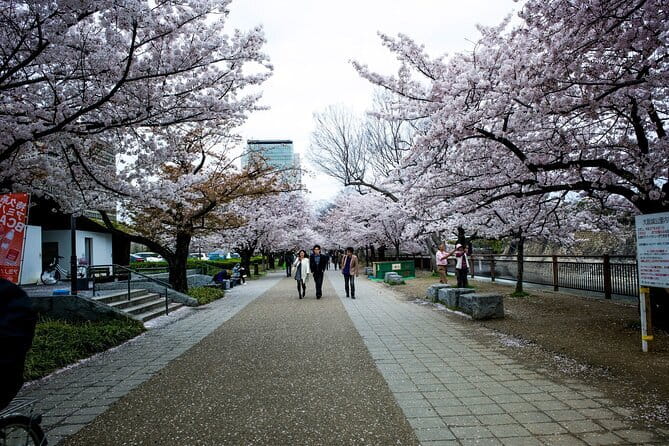
After the main tower, you shift into Nishinomaru Garden. This is the kind of place that makes you exhale. The garden is described as a former samurai residence setting, and it’s built for calm strolling and photos. If you’re visiting during cherry blossom season, the garden is also a strong visual moment.
This stop is free, and it takes about 30 minutes, which is the perfect length. Long enough to slow down. Not so long that you feel stuck waiting for the group to catch up.
Then you move to Osaka Castle Park, where the mood changes again. Instead of only history, you see daily rhythm: locals jogging, practicing martial arts, and using the grounds like a public space. Even in the middle of a major sightseeing area, you get that Osaka feel—people training, moving, and living their day around the past.
One small drawback of this part is weather. If it’s hot or rainy, the garden-and-park time can feel longer. You’ll still get the same value, but you’ll want water and a light rain layer.
Miraiza Osaka-jo: A Museum Stop You Can Finish Without Feeling Rushed

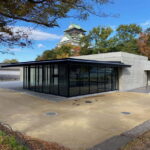
Next is Miraiza Osaka-jo, which is tied to military history through the building’s past uses. It’s described as the former headquarters of the Japanese Imperial Army’s 4th Division, and it has also been used as the Osaka Museum.
This is another free stop, and it’s about 30 minutes. That timing matters. A lot of castle-area tours cram in too many ticketed sights and leave no breathing room. Here, the schedule gives you enough time to understand the exhibit framing without turning your afternoon into museum marathon mode.
What you’ll like if you care about how history gets recorded: the stop is placed after the scenic garden and park moments, so it feels like a shift back into the systems behind the drama. If the earlier stops make the castle feel like a stage, this one brings you closer to the machinery behind conflict—organization, command, and military structure.
Hokoku Shrine: Ending at Toyotomi Hideyoshi’s Memorial
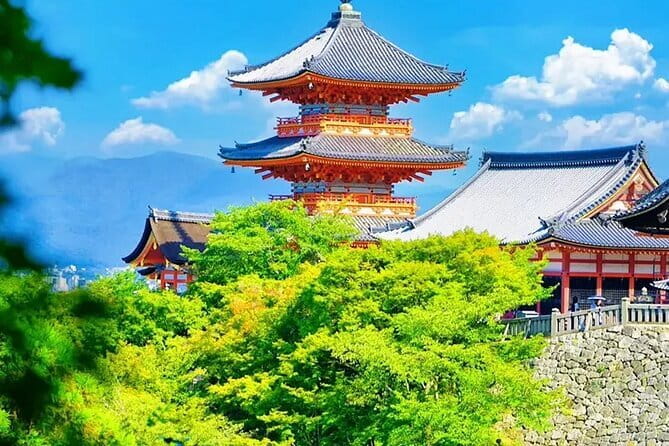
Your final stop is Hokoku Shrine, dedicated to Toyotomi Hideyoshi and his family. This is a quieter ending, and it works well after the military-historical touchpoints.
It’s also free, and you’re given about 30 minutes here. The tone is more reflective than the earlier stops, and the shrine setting is a good place to pause, take photos, and let what you learned settle.
I like that the tour doesn’t end with only buildings. It ends with the kind of memorial space where history is treated like something people still respect, not just something you read on a sign.
You can also read our reviews of more historical tours in Osaka
Price and Value: What $22 Gets You in 3 Hours
At $22 per person for about 3 hours, this tour is a strong value if you want structure. You’re paying for:
- an English-speaking guide
- a timed route across the castle grounds
- interpretation that links each stop to the bigger samurai and leadership story
The one cost to plan for is the Osaka Castle Museum/Main Tower admission, listed at 1,200 yen. If you do purchase it, you’re paying extra, but you’re also turning the main-tower stop into a fuller experience rather than just standing outside.
Compared to many tours that are mostly about one paid attraction, this one balances paid and free elements. Garden, park, Miraiza Osaka-jo, and Hokoku Shrine are all described as free within the tour flow, which helps keep your total spend reasonable.
Also worth noting: the tour is capped at 20 travelers. That usually makes it easier to hear the guide and stay together without the group feeling like a moving crowd.
Meeting Point and Route Reality: Start Fast, Walk Steady
You meet at Ōsakajōkōen Station at the Osaka Castle Park area, and you finish at Tanimachi 4-chome Station. That end-point detail is practical because it can help you avoid backtracking. It also means you’ll likely build in more walking around central Osaka after the tour.
One review detail that matches what you’ll feel on-site: this experience involves walking and stairs. So treat it like a light-to-moderate walking day, not a sit-and-watch tour.
If you’re a first-time Osaka visitor, this is a good way to get your bearings. If you’ve already been in the area, it’s still worthwhile because the guided story helps you notice details you might otherwise skip.
Guide Style: What Makes the Tour Feel Worth It
The biggest difference between an OK tour and a memorable one is how the guide turns facts into meaning. This tour consistently earns top marks for that kind of delivery.
In the reviews, I saw guide names like Shingo Kumagai, Leo, and Rodrigo showing up with praise for staying on time, answering questions, and giving historical perspective tied to the people connected with the castle. Another review also mentioned a guide handling a late start on navigation by being reachable when someone couldn’t find the exact meeting location.
So what should you expect as a participant? A guided pace that keeps you moving through the key spaces, with time for questions and explanations, not just a read-from-a-card spiel.
If you like talking with your guide, this is the sort of tour where you can ask about what you’re seeing—especially during the tower and shrine segments.
Should You Book This Osaka Castle Samurai History Tour?
Book it if you want:
- A guided route through Osaka Castle grounds without wasting time figuring out what to prioritize
- English commentary focused on how samurai-era power worked
- A mix of views, gardens, and memorial space rather than only a single main attraction
Consider skipping or adjusting if:
- You’re trying to keep your sightseeing budget ultra-tight, because the 1,200 yen museum admission isn’t included.
- You dislike stairs and steady walking, since the route includes vertical sections and a real walk through the grounds.
If you’re visiting Osaka Castle for the first time and you want the story to make sense, I think this tour is one of the easier ways to get there.
FAQ
FAQ
How long is the Osaka Castle and Samurai History Walking Tour?
It runs for about 3 hours.
How much does the tour cost?
The price is $22.00 per person.
Where do you start and where do you end?
You start at Ōsakajōkōen Station and end at Tanimachi 4-chome Station.
Is the tour in English?
Yes. It includes an English-speaking tour guide.
Do I need to pay an entrance fee for the tour?
Osaka Castle Museum admission is not included (1,200 yen). Some other stops on the route are listed as free.
Which parts are free during the tour?
Nishinomaru Garden, Osaka Castle Park, Miraiza Osaka-jo, and Hokoku Shrine are listed as free stops.
Is the Osaka Castle museum free for some visitors?
The museum fee is listed as 1,200 yen, with 15 years old or below free.
Is there a mobile ticket?
Yes. The tour notes a mobile ticket.
How large is the group?
The tour has a maximum size of 20 travelers.
Is cancellation free?
Yes, you can cancel for a full refund if you cancel up to 24 hours in advance of the start time. If you cancel less than 24 hours before, the amount paid is not refunded.